Introduction
Looking to enhance your property with quality fencing? Tampa residential fence installation is one of the most impactful home improvement projects you can undertake. Whether you’re seeking privacy from neighboring properties, creating a secure space for children and pets, or simply boosting your home’s curb appeal and resale value, professional fence installation is the solution. This comprehensive guide walks you through everything you need to know about planning, selecting materials, choosing contractors, and maintaining your new fence investment in Tampa’s unique climate.
Understanding Tampa’s Unique Fencing Challenges
Tampa’s subtropical climate presents distinct challenges for residential fencing. The region experiences intense heat, high humidity, heavy rainfall during summer months, and occasional hurricanes. These environmental factors make material selection and professional installation critically important.
Salt air, particularly for properties near coastal areas, can accelerate corrosion on certain materials. The constant moisture promotes mold and mildew growth on unprotected surfaces. Strong winds and occasional storm activity require fences that are properly installed and structurally sound. Understanding these challenges helps explain why Tampa residential fence installation should always be handled by experienced professionals who understand local conditions.
Popular Fencing Materials for Tampa Homes
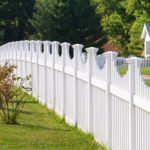
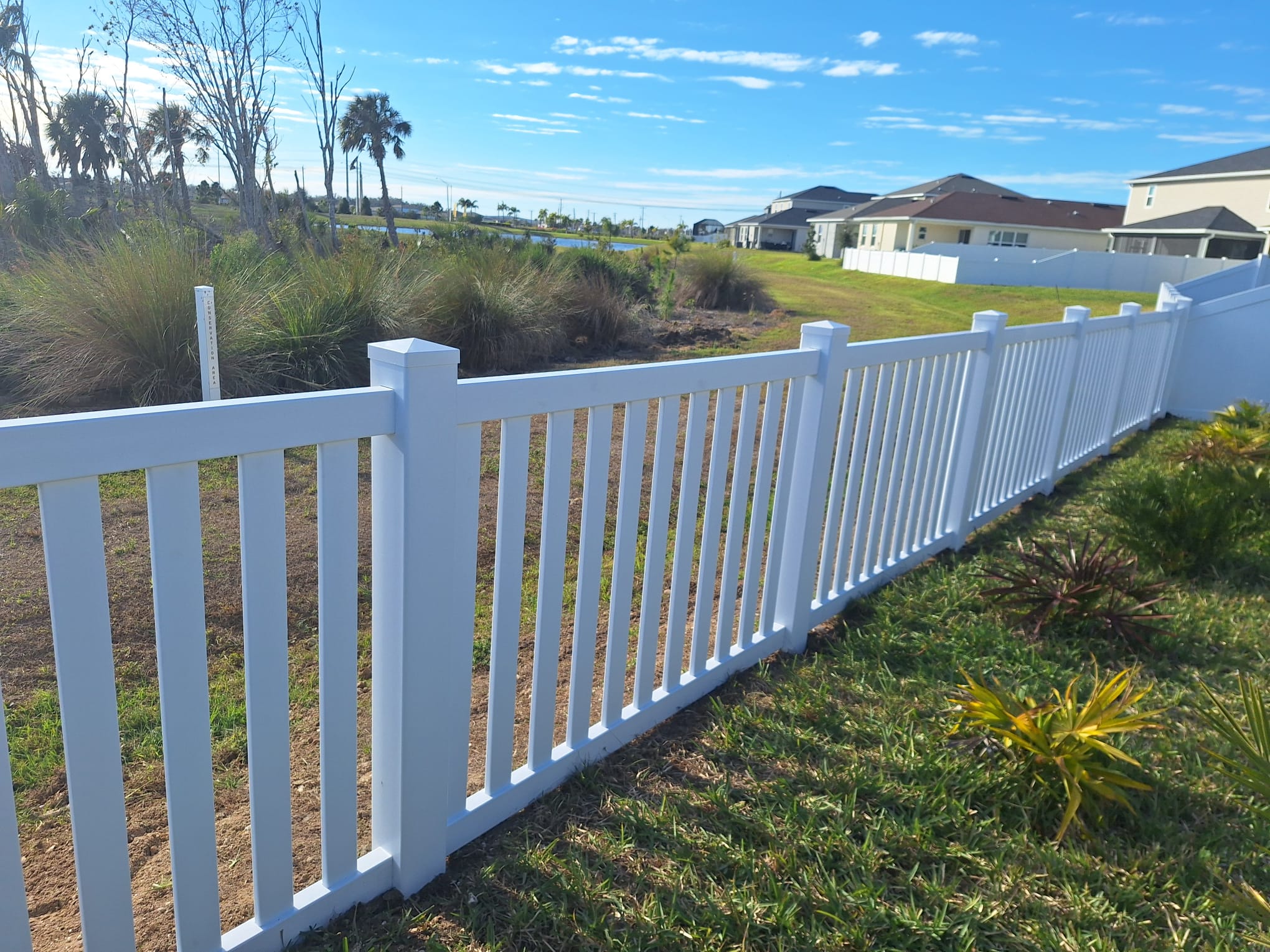
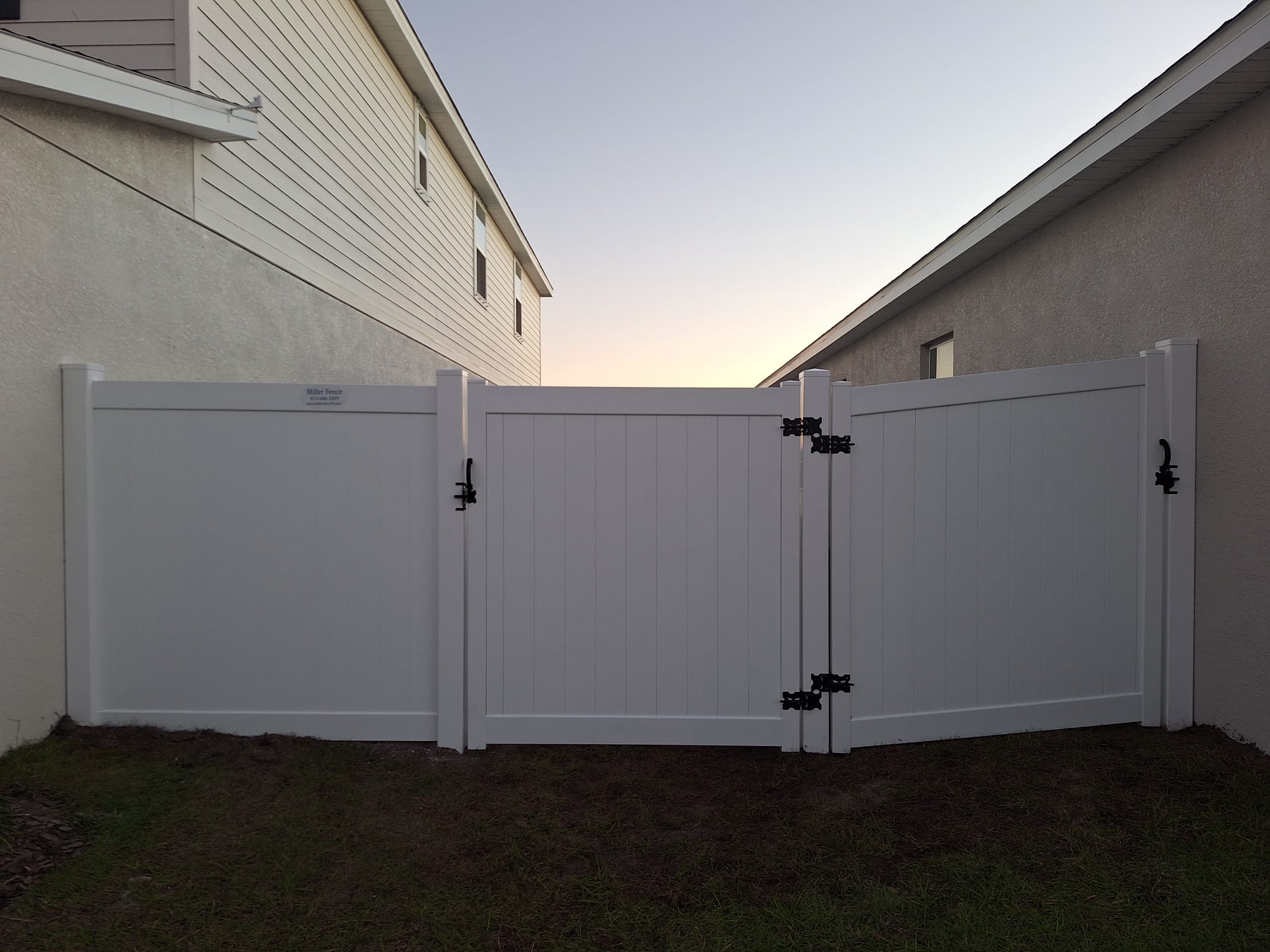
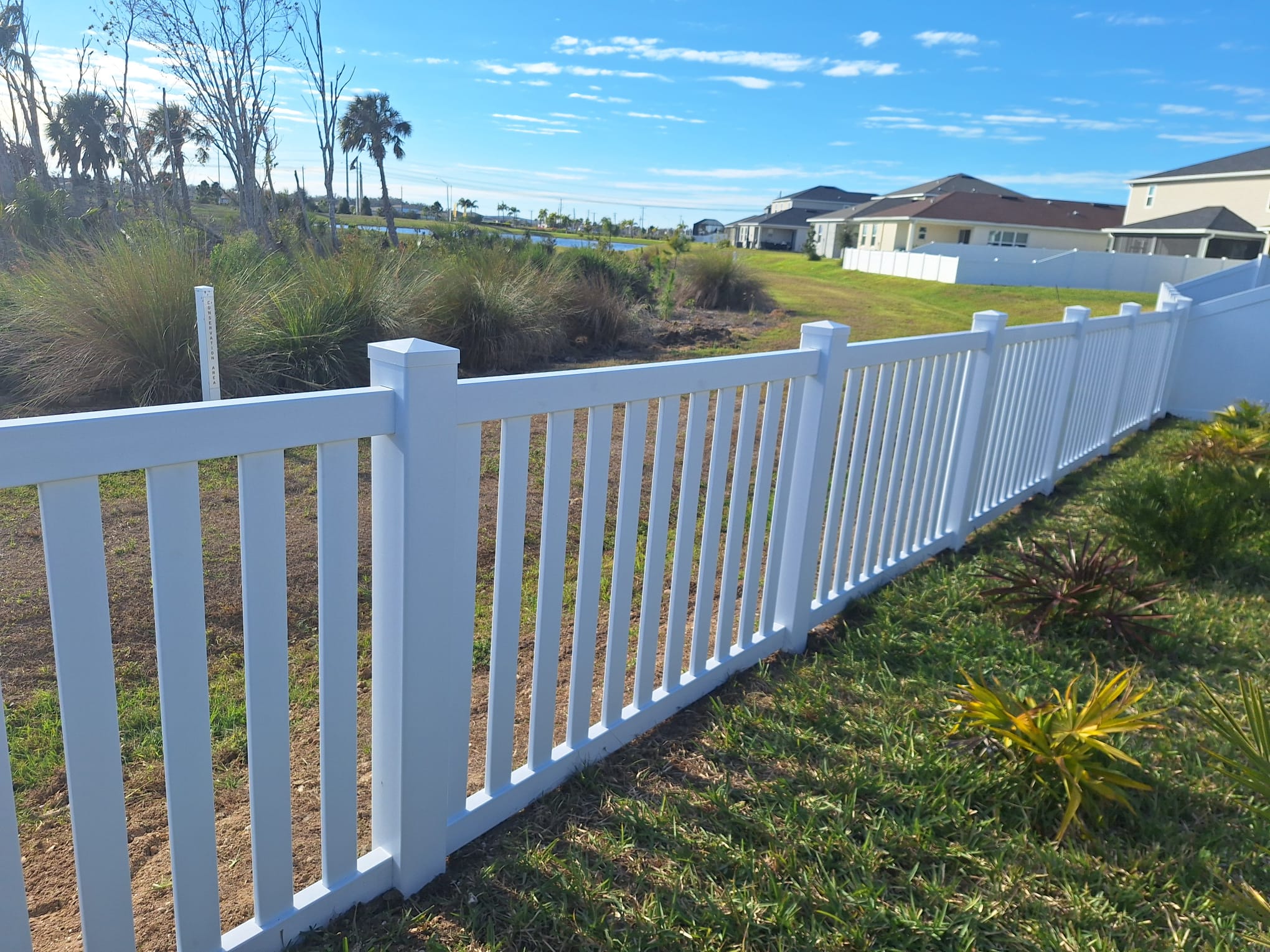
Vinyl Fencing Vinyl has become increasingly popular for Tampa residential fence installation projects. This material excels in humid environments because it resists rot, mold, and mildew. Vinyl fences require minimal maintenance—typically just annual washing with soap and water. They come in various styles and colors, from classic white picket designs to modern privacy panels. While vinyl has a higher upfront cost, the long-term savings on maintenance make it economical.
Wood Fencing Traditional wood fencing offers timeless aesthetic appeal and remains a popular choice despite Tampa’s humid climate. Cedar and pressure-treated pine are common selections for Tampa residential fence installation. However, wood requires regular maintenance including sealing, staining, and periodic repairs to prevent rot and insect damage. In Tampa’s environment, wood fences typically need refinishing every 2-3 years.
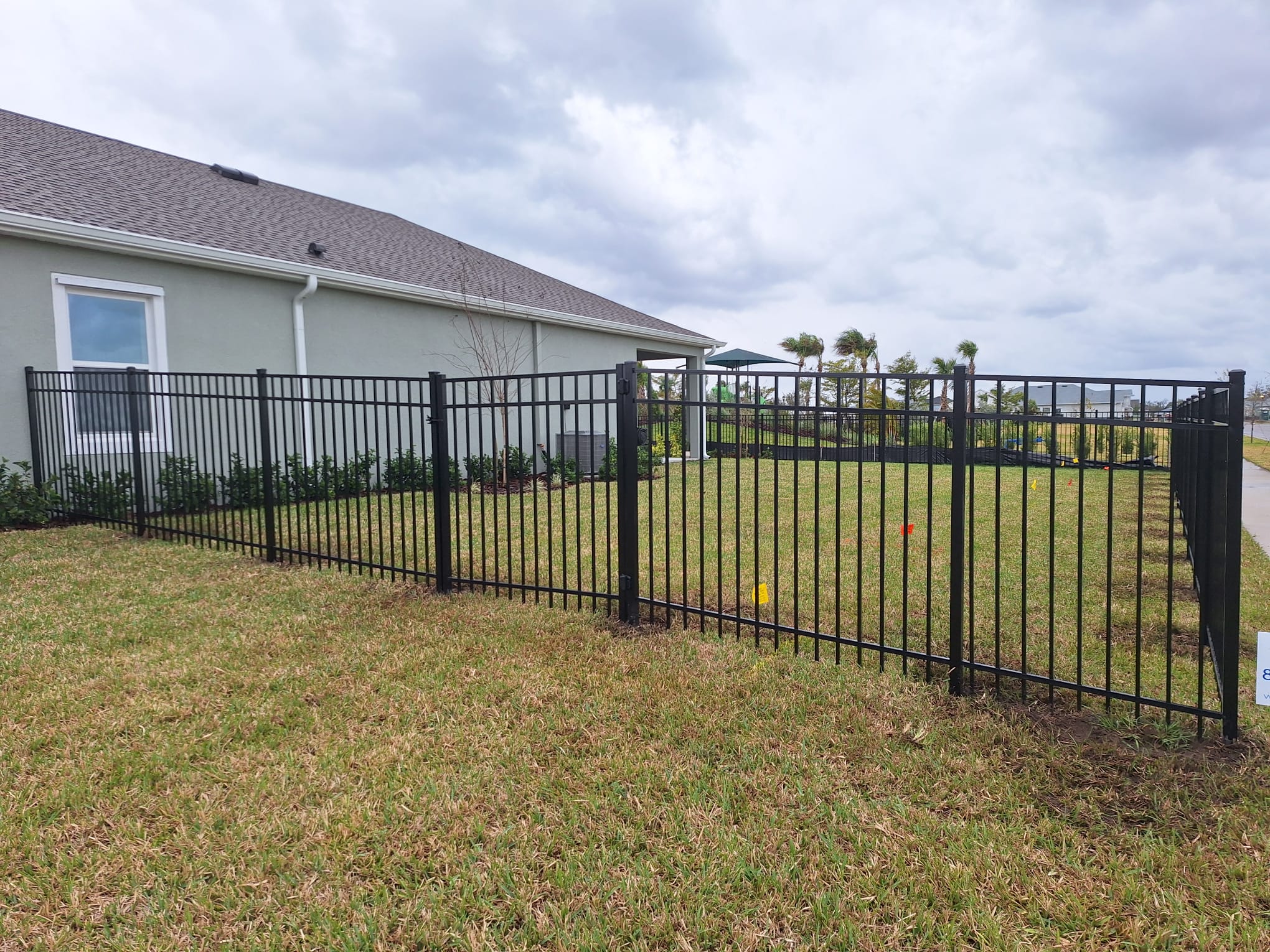
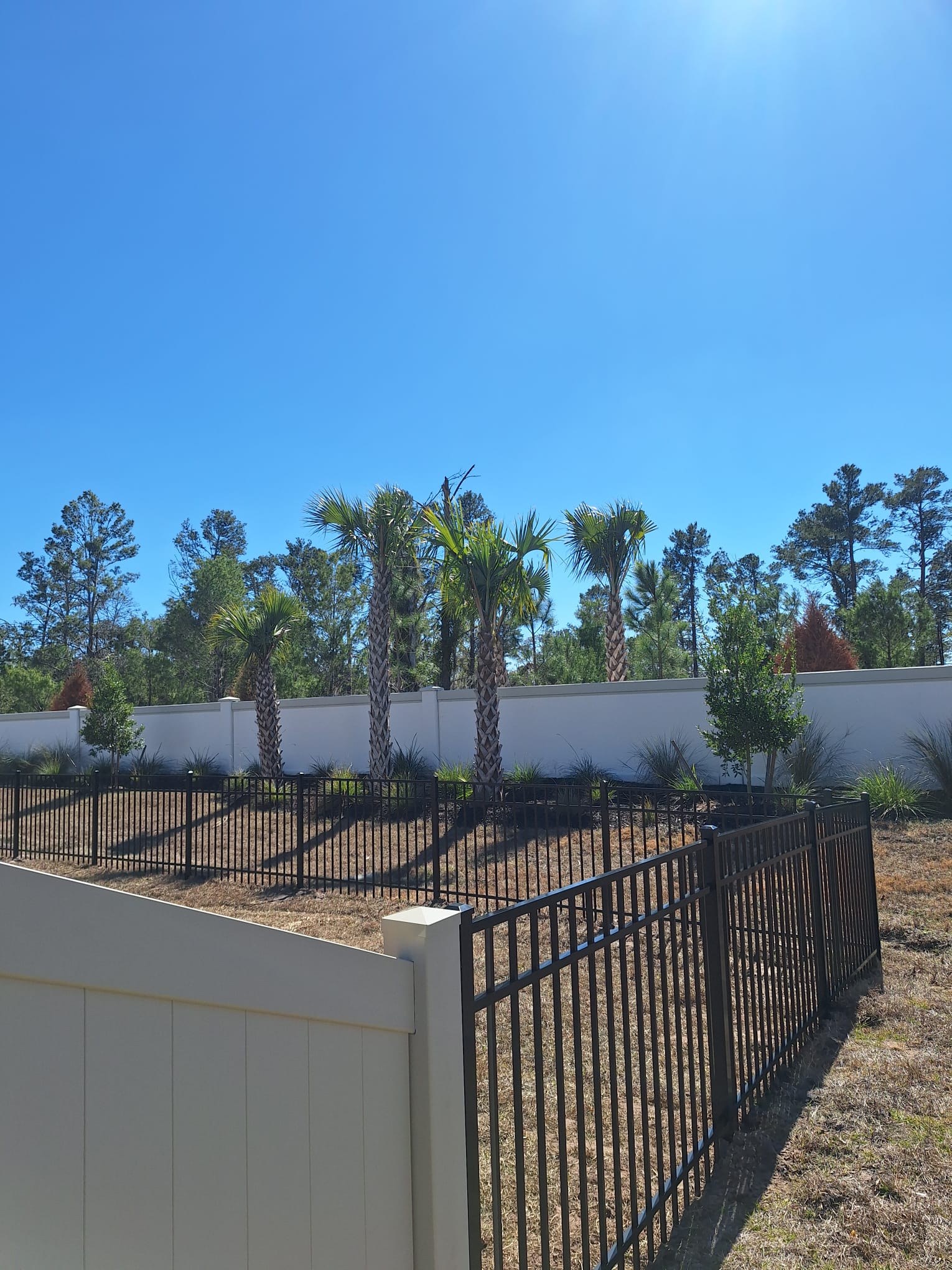
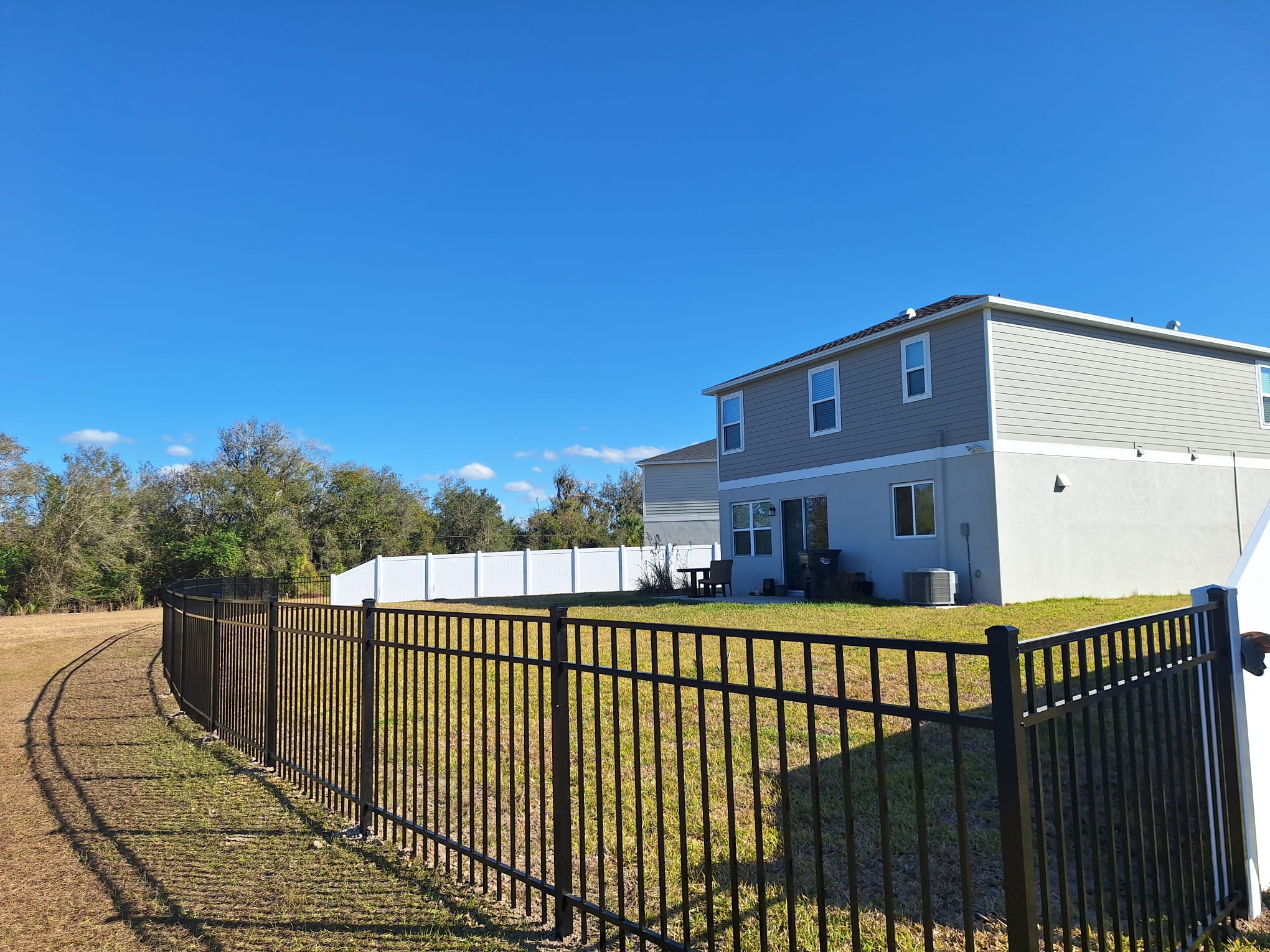
Aluminum Fencing Aluminum is an excellent choice for Tampa homes, especially near coastal areas where salt spray is a concern. This lightweight material resists corrosion and rust, never requiring painting or staining. Aluminum fencing is durable, elegant, and perfect for homeowners who want minimal maintenance. It’s also ideal for properties with pool requirements, as many municipalities have specific regulations favoring aluminum.
Composite Fencing Composite materials combine wood fiber and plastic polymers, offering wood’s natural appearance with enhanced durability. These fences resist rot, insects, and UV fading. Composite is ideal for Tampa’s climate but comes at a premium price point.
Benefits of Professional Tampa Residential Fence Installation
Attempting DIY fence installation is tempting to save money, but professional installation provides numerous advantages:
Code Compliance Professional installers understand Tampa’s building codes, zoning regulations, and homeowner association requirements. Improper installation can result in costly fines or requirements to remove and reinstall your fence.
Proper Foundation The strength and longevity of your fence depends on proper post installation. Professionals use appropriate depth, spacing, and concrete specifications that withstand Florida’s weather conditions and occasional ground movement.
Warranty Protection Reputable contractors stand behind their work with warranties covering materials and labor. This protection gives you peace of mind and recourse if problems arise.
Time and Efficiency Professional crews complete projects quickly and cleanly. What might take a homeowner weeks can be accomplished by experienced installers in days.
The Tampa Residential Fence Installation Process
Understanding the installation timeline helps you plan accordingly and know what to expect:
Step 1: Property Survey and Utility Marking The contractor marks property lines using your deed and surveys the site. This crucial step prevents disputes with neighbors. Underground utilities are marked to prevent accidental damage during installation.
Step 2: Design Consultation and Approval The contractor discusses your preferences, recommends suitable materials for Tampa’s climate, and presents design options. Once approved, a detailed estimate is provided.
Step 3: Permit Acquisition Professional installers handle all necessary permits and inspections, ensuring your fence complies with local regulations. In Tampa, residential fences typically cannot exceed 6 feet in backyards or 4 feet in front yards.
Step 4: Site Preparation The installation area is cleared of obstacles, vegetation is trimmed back, and the ground is prepared. This ensures a clean work environment and accurate installation.
Step 5: Post Installation Posts are set at the correct spacing (typically 6-8 feet apart) and depth (typically 2-3 feet below grade) in concrete footings. Proper post installation is fundamental to fence longevity and stability.
Step 6: Panel or Picket Installation Rails and panels are attached to posts according to your chosen design. Quality installers ensure perfect alignment and secure fastening.
Step 7: Finishing and Cleanup Any finishing touches—staining, sealing, or painting—are completed. The site is thoroughly cleaned, leaving your yard pristine.
Cost Considerations for Tampa Residential Fence Installation
Pricing varies based on material choice, fence length, and complexity. Here’s what Tampa homeowners typically spend:
- Vinyl fencing: 22−22-22−42 per linear foot
- Wood fencing: 16−16-16−32 per linear foot
- Aluminum fencing: 26−26-26−48 per linear foot
- Composite fencing: 32−32-32−65 per linear foot
A 150-foot residential fence might range from 2,400to2,400 to 2,400to9,750 installed, depending on material and design choices. While price matters, choosing based solely on the lowest quote often results in subpar work.
Essential Maintenance for Long-Term Fence Health
Proper maintenance extends your fence’s lifespan significantly:
Regular Cleaning Annual washing with mild soap and water prevents algae and mold buildup. Vinyl and aluminum require gentle cleaning only; wood may benefit from professional power washing.
Vegetation Management Keep plants trimmed back from your fence to promote air circulation and prevent moisture-related damage. This is especially important in Tampa’s humid climate.
Sealant Application Wood fences benefit from sealing or staining every 2-3 years. Professional contractors who handle Tampa residential fence installation can recommend maintenance schedules and products suited to your specific material and climate conditions.
Regular Inspections Conduct quarterly inspections for loose boards, damaged posts, or areas showing wear. Early intervention prevents small issues from becoming expensive problems.
Choosing the Right Contractor
When selecting a contractor for Tampa residential fence installation, verify the following:
- Valid Florida business license
- Comprehensive liability insurance
- References and portfolio of completed projects
- Detailed written estimates from multiple contractors
- Clear warranty terms
- Experience with Tampa’s specific climate and regulations
Frequently Asked Questions
A: Most residential fence projects take 3-7 business days, depending on fence length and material choice. Factors affecting timeline include site conditions, weather, permit processing time, and project complexity. Your contractor should provide a realistic schedule during the estimate phase.
A: Vinyl and aluminum fences both perform well in hurricanes when properly installed. Aluminum is particularly recommended for coastal properties due to corrosion resistance. Wood fences, while beautiful, can be more vulnerable to storm damage. Composite materials also perform well. Your contractor can recommend the best option for your specific location and concerns.
A: Most Tampa homeowners with HOA restrictions must obtain approval before installation. HOAs often have specific requirements regarding height, materials, colors, and style. Always check your HOA documents and obtain written approval before beginning your project. Your contractor can usually assist with this process.