Why Florida Fences Need Special Care
If you own a home in Florida, you already know your climate plays by different rules. Between blazing sun, salty coastal air, relentless humidity, and hurricane season, your fence works a lot harder here than it would almost anywhere else in the country. That’s why fence maintenance for Florida homeowners isn’t just a nice-to-have—it’s essential to protecting your investment and keeping your property looking sharp year-round.
Whether you have a wood privacy fence, an aluminum fence, vinyl fencing, or chain-link, Florida’s environment can accelerate wear in ways homeowners in drier or cooler states never have to think about. The good news? With a little regular attention, you can add years to your fence’s life and avoid costly repairs or premature replacement.
In this guide, we’ll walk through practical, easy-to-follow fence care tips tailored specifically to Florida’s unique conditions—so you can keep your fence standing strong, storm season after storm season.
How Florida’s Climate Affects Your Fence
Before diving into maintenance tips, it helps to understand what your fence is actually up against.
Intense Sun and UV Exposure
Florida gets more sunny days than almost any other state, and that constant UV exposure can fade colors, dry out wood, and make plastic or vinyl materials brittle over time.
High Humidity and Moisture
Year-round humidity creates the perfect environment for mold, mildew, algae, and wood rot—especially in shaded or poorly ventilated areas of your yard.
Salt Air (Coastal Areas)
If you live near the coast, salt in the air accelerates corrosion on metal fasteners, hinges, and metal fencing materials.
Heavy Rain and Hurricane Season
Tropical storms and hurricanes bring high winds and flooding rain that can loosen posts, warp panels, and cause structural damage in a single afternoon.
Understanding these stressors makes it easier to see why a proactive fence maintenance routine matters so much for Florida properties.
Seasonal Fence Maintenance Checklist
Breaking maintenance into seasonal tasks makes it manageable and ensures nothing slips through the cracks.
Spring: Inspect and Refresh
Spring is the ideal time to assess winter wear and prep for the hot, wet months ahead.
- Walk the full perimeter and check for loose boards, leaning posts, or rust spots
- Clean off winter dirt, pollen, and debris buildup
- Reapply sealant or stain to wood fences if it’s been more than a year
- Tighten any loose screws, bolts, or hinges
Summer: Manage Heat and Sun Damage
This is when Florida’s sun is at its strongest, so protective maintenance matters most.
- Check for cracking, warping, or fading caused by UV exposure
- Apply a UV-protectant sealant to wood or composite fencing
- Trim back vegetation and vines that trap moisture against the fence
- Keep sprinklers angled away from fence lines to reduce constant moisture exposure
Fall: Prepare for Storm Season
Hurricane season typically runs June through November, so fall is a critical checkpoint.
- Inspect posts for stability and reinforce any that feel loose
- Clear gutters and drainage paths near the fence to prevent pooling water
- Remove overhanging branches that could snap and fall during high winds
- Check gates and latches to ensure they close securely
Winter: Deep Clean and Repair
Florida winters are mild, making this a great window for bigger maintenance projects.
- Power wash the fence (using a low-pressure setting) to remove mold and algae
- Replace or repair any damaged boards or panels
- Repaint or restain wood fencing before spring humidity returns
- Apply rust-inhibiting treatment to metal fence components
Material-Specific Fence Care Tips
Not all fences are maintained the same way. Here’s how to care for the most common types found in Florida homes.
Wood Fences
Wood is beautiful but requires the most upkeep in Florida’s humidity.
- Seal or stain every 1–2 years to prevent rot and warping
- Watch for termite activity, especially near ground contact points
- Ensure proper drainage so wood doesn’t sit in standing water
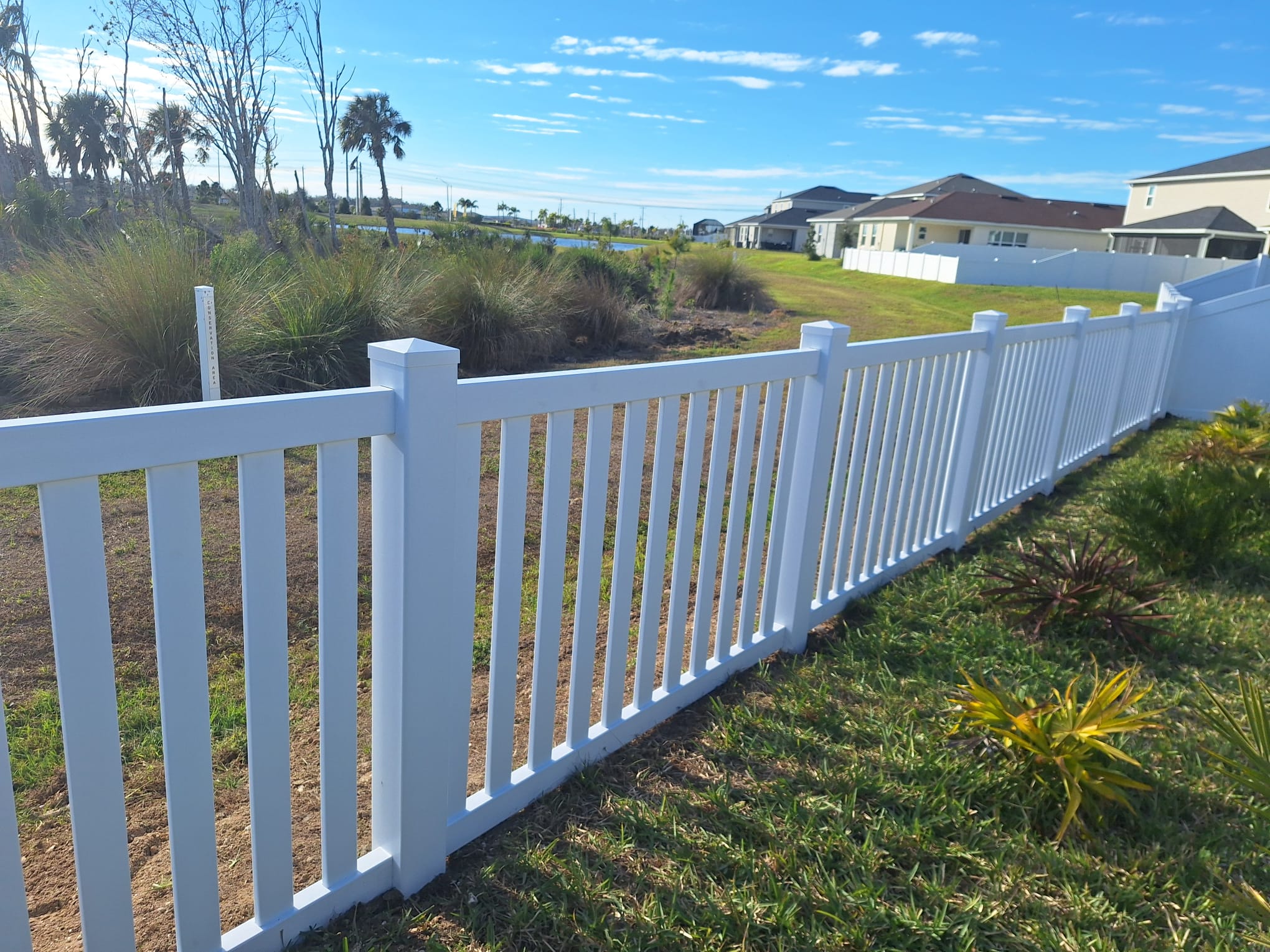
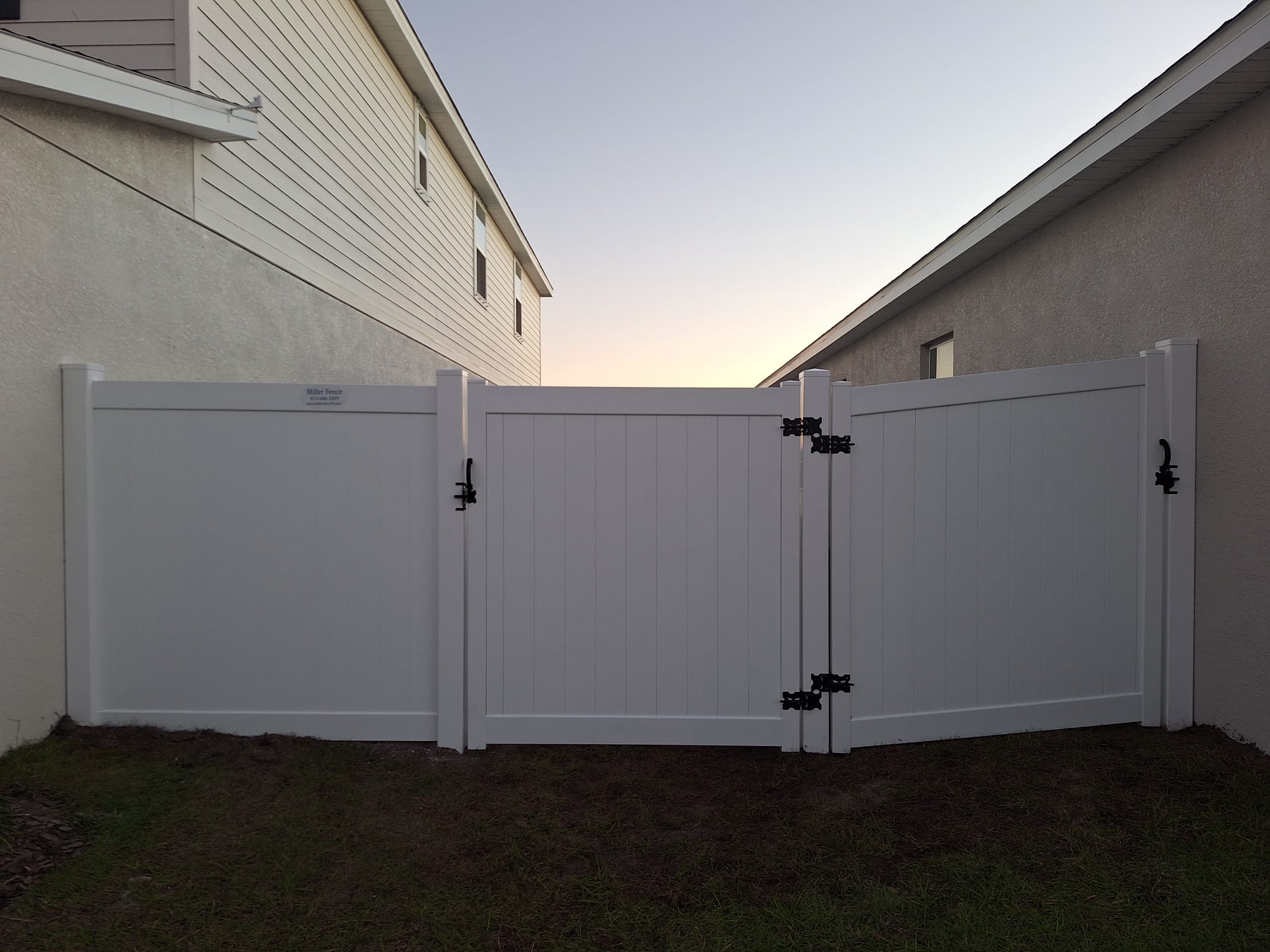
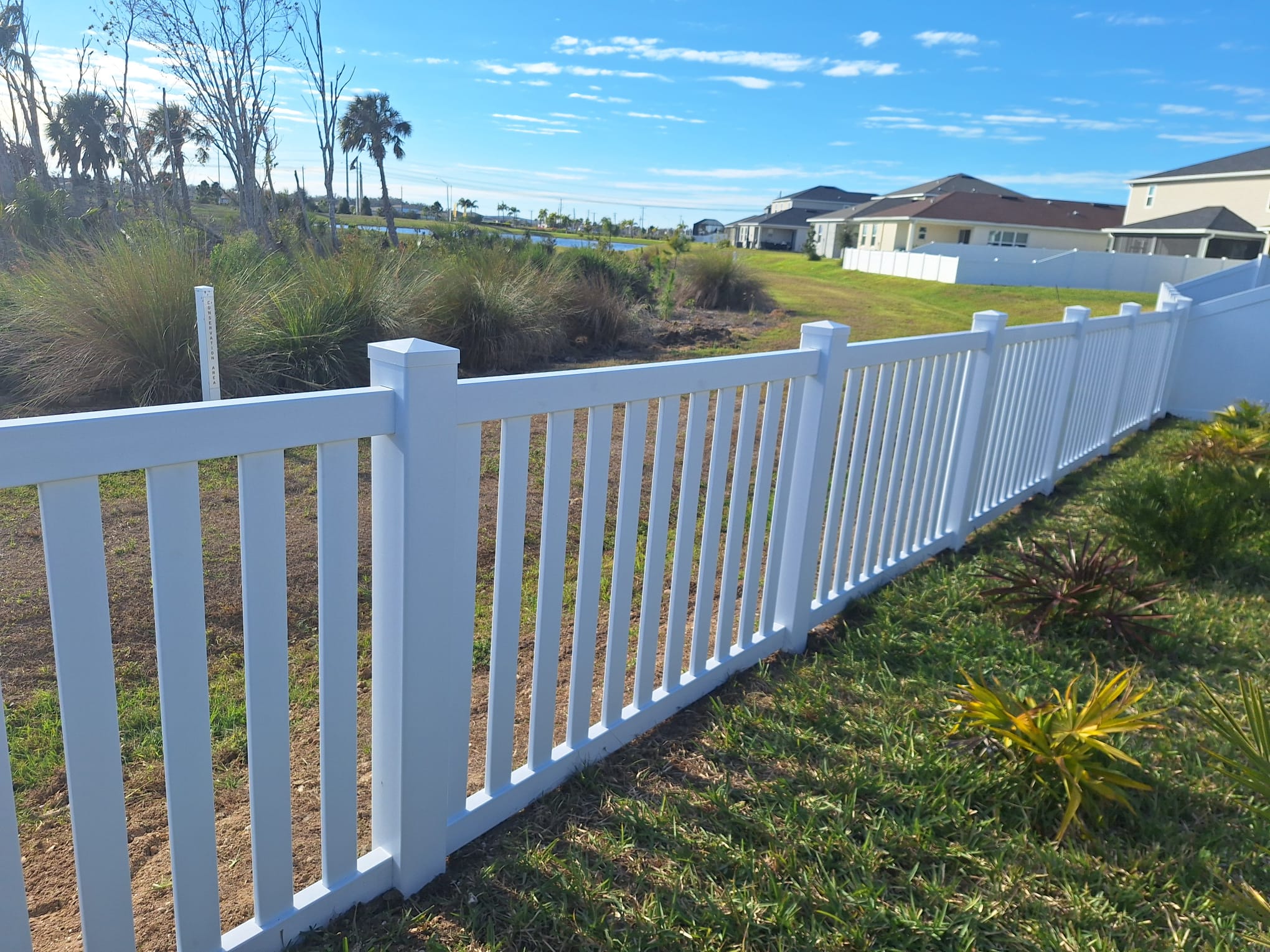
Vinyl and PVC Fences
Low-maintenance, but not maintenance-free.
- Wash with mild soap and water to prevent mold and mildew buildup
- Inspect for cracks after storms, since extreme heat can make vinyl brittle over time
Aluminum Fences
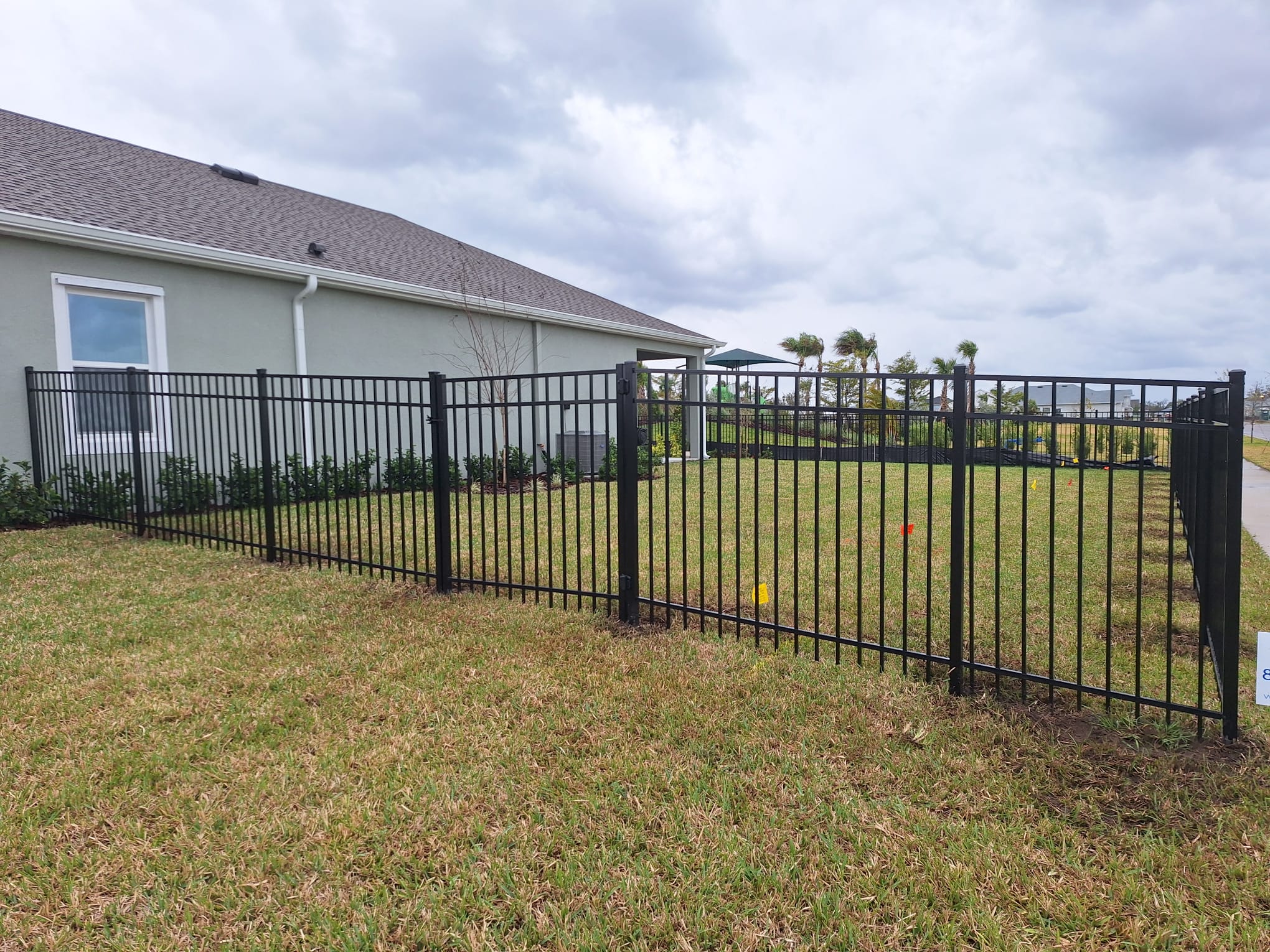
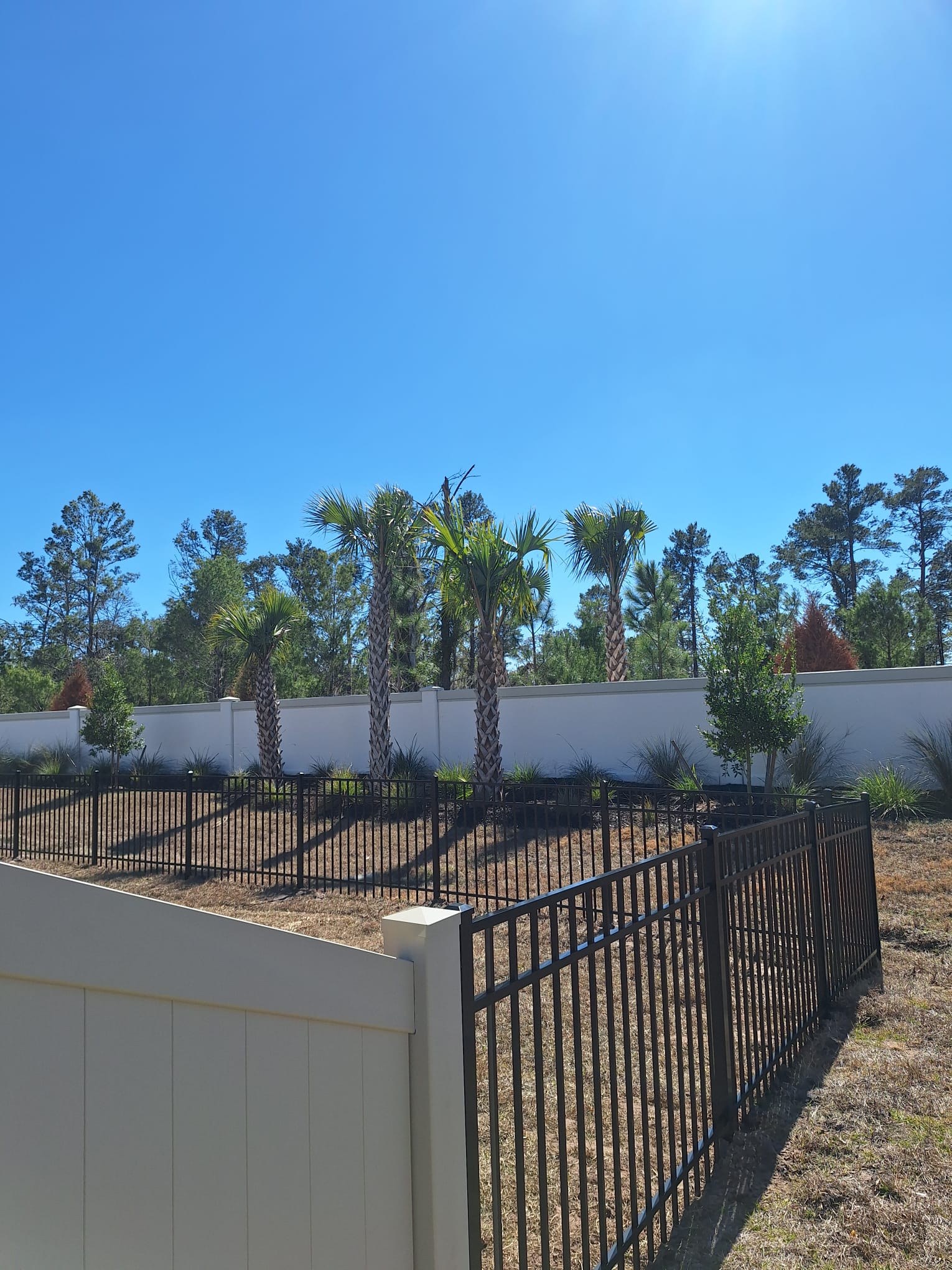
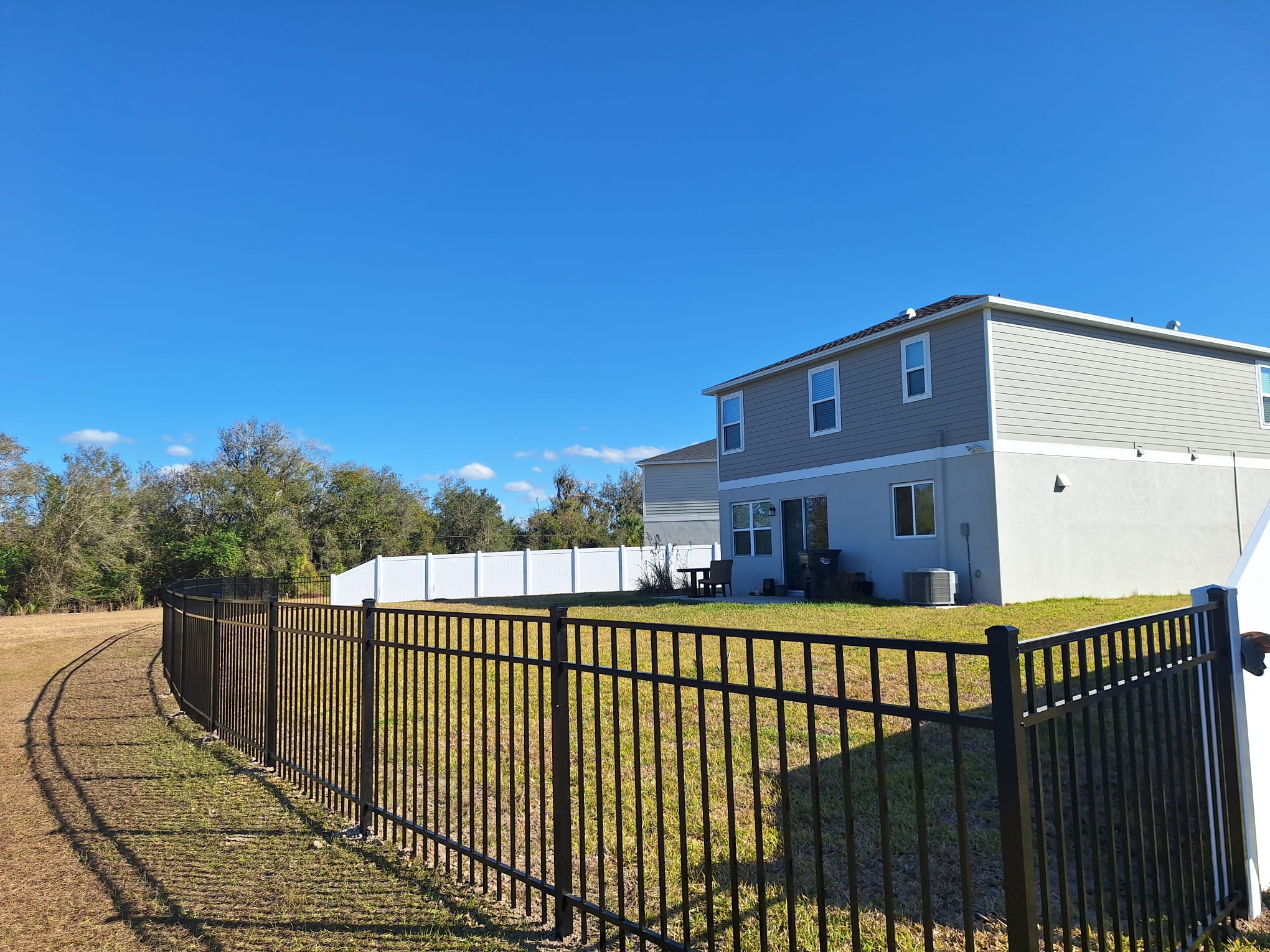
A popular choice for Florida due to strong corrosion resistance.
- Rinse off salt residue if you live near the coast
- Touch up scratched paint promptly to prevent rust from forming
Chain-Link Fences
Affordable and durable, but prone to rust without care.
- Apply a rust-resistant coating annually
- Check tension on the fence fabric after storms
Signs Your Fence Needs Professional Repair
While regular DIY maintenance handles most issues, some signs mean it’s time to call in a professional:
- Multiple leaning or shifting posts
- Widespread rot, rust, or structural weakness
- Storm damage affecting large sections
- Persistent mold that won’t clear with cleaning
Catching these issues early prevents small problems from turning into full fence replacements.
Keeping your fence in top shape doesn’t have to be complicated—it just requires a little seasonal attention tailored to Florida’s climate. By staying ahead of sun damage, humidity, and storm season with the tips above, you’ll protect your property’s curb appeal, boost its value, and avoid unexpected repair costs down the road.
A well-maintained fence isn’t just about looks—it’s about durability, safety, and peace of mind, especially when hurricane season rolls around.
Ready to give your fence the care it deserves? Start with a simple walkthrough inspection this week, and tackle one maintenance task from this checklist. Your future self (and your fence) will thank you.
Frequently Asked Questions
Most Florida fences benefit from a full inspection at least twice a year—ideally in spring and fall—with lighter checks after major storms. Wood fences may need sealing or staining every 1–2 years due to humidity exposure.
Aluminum and vinyl fences tend to hold up best against Florida’s heat, humidity, and coastal salt air, requiring less maintenance than wood or untreated metal options.
Yes. High winds and flooding can affect any fence type, regardless of material. Reinforcing posts, trimming nearby trees, and inspecting fasteners before storm season significantly reduces the risk of major damage.