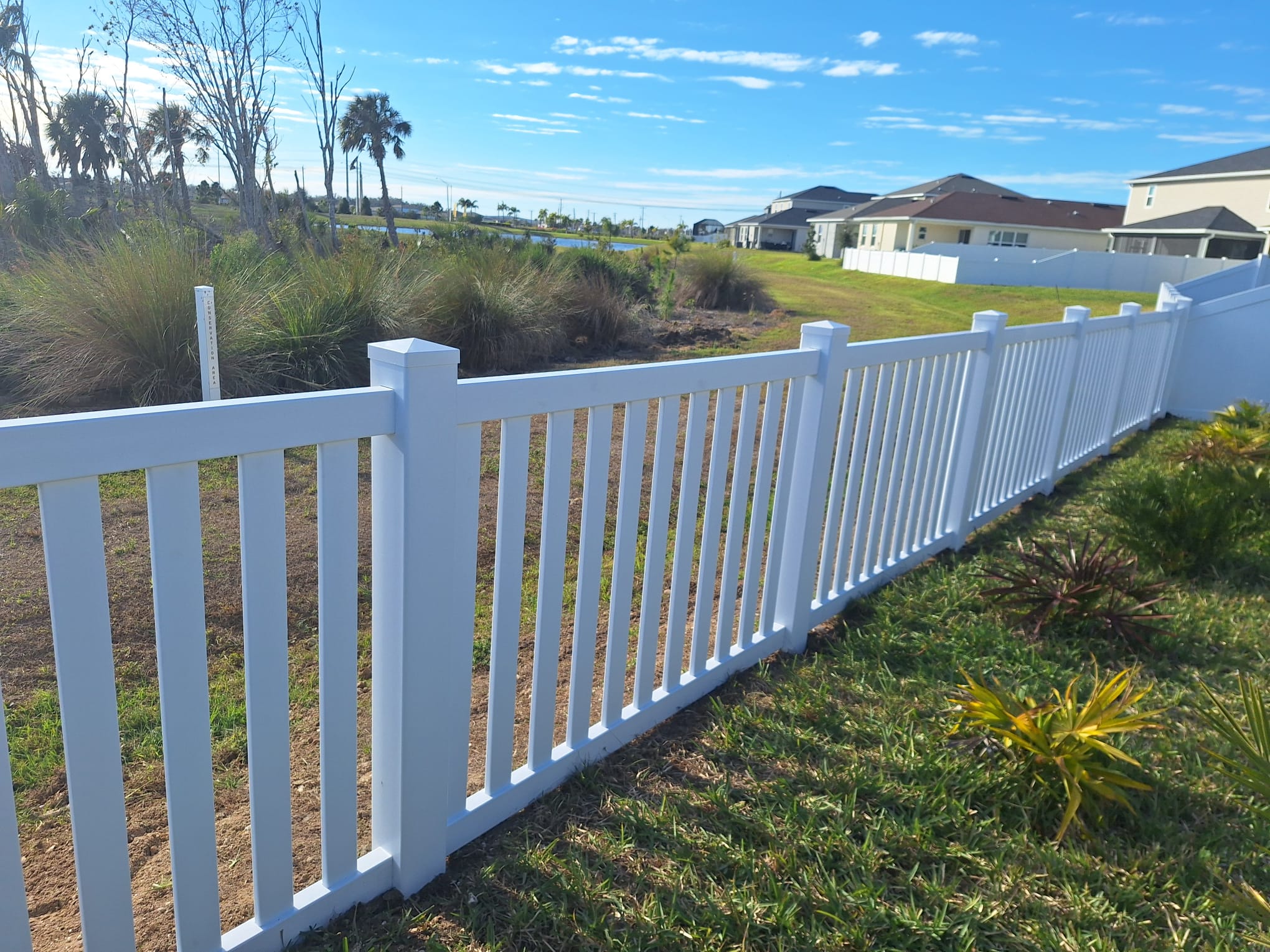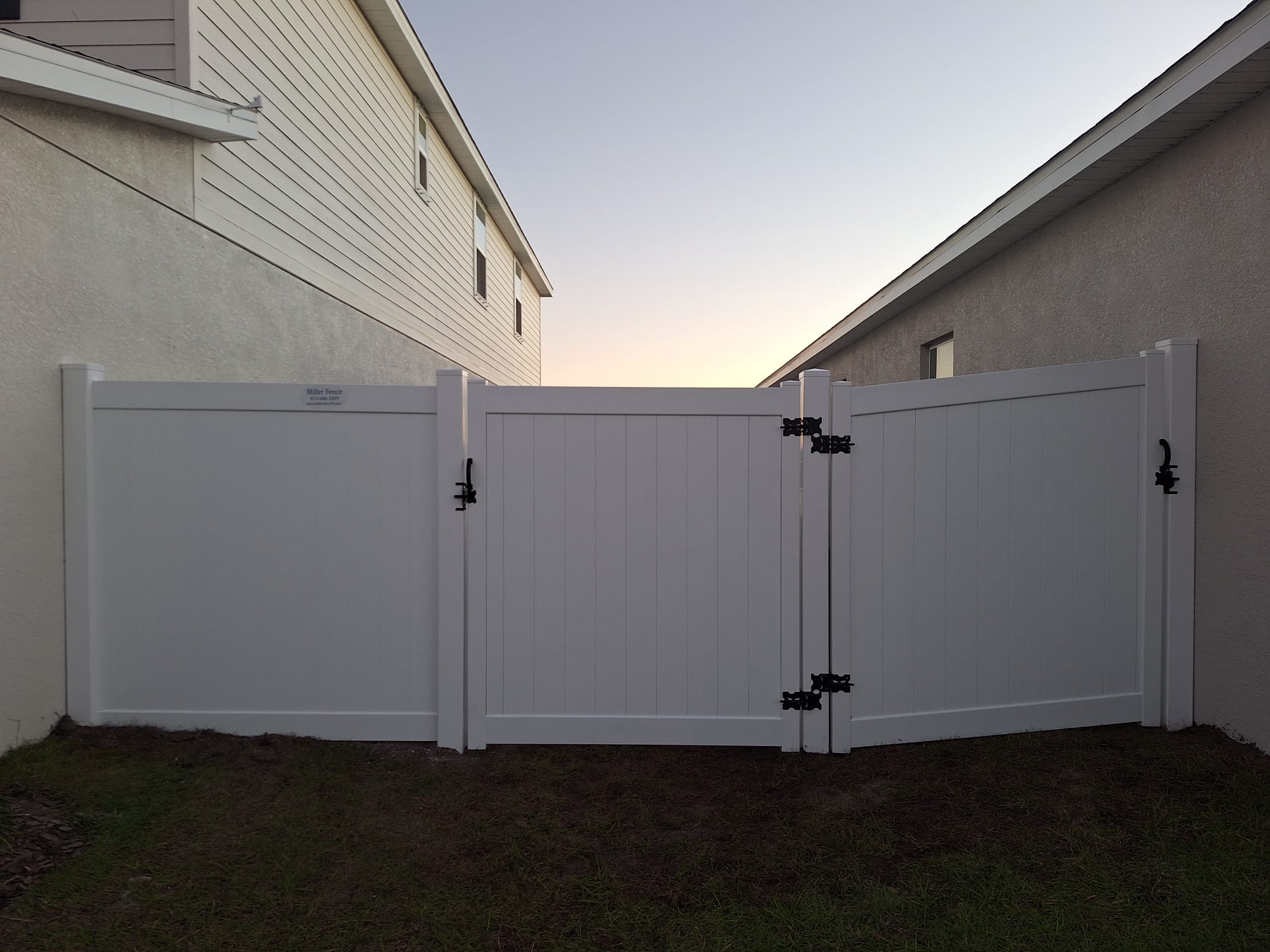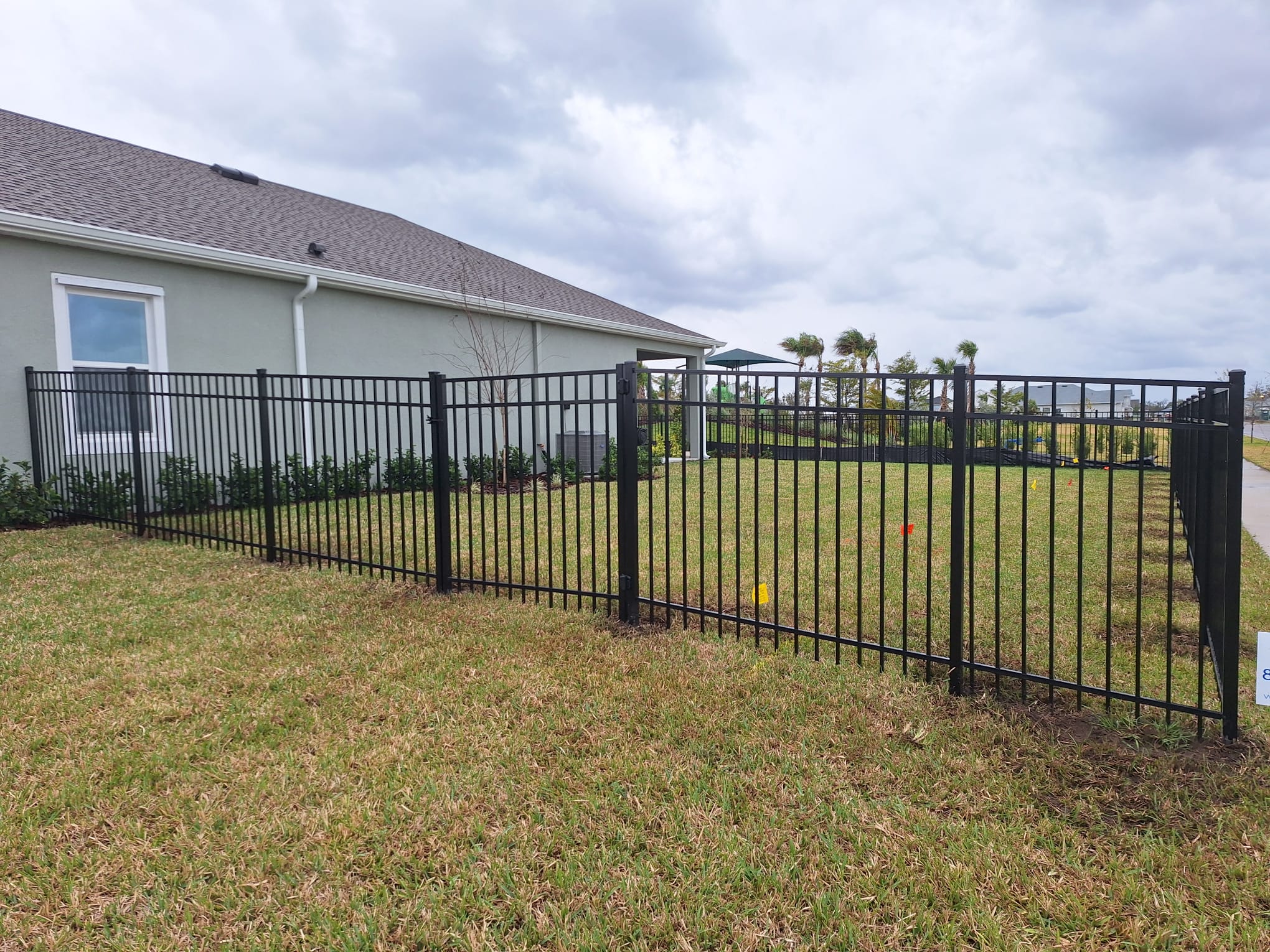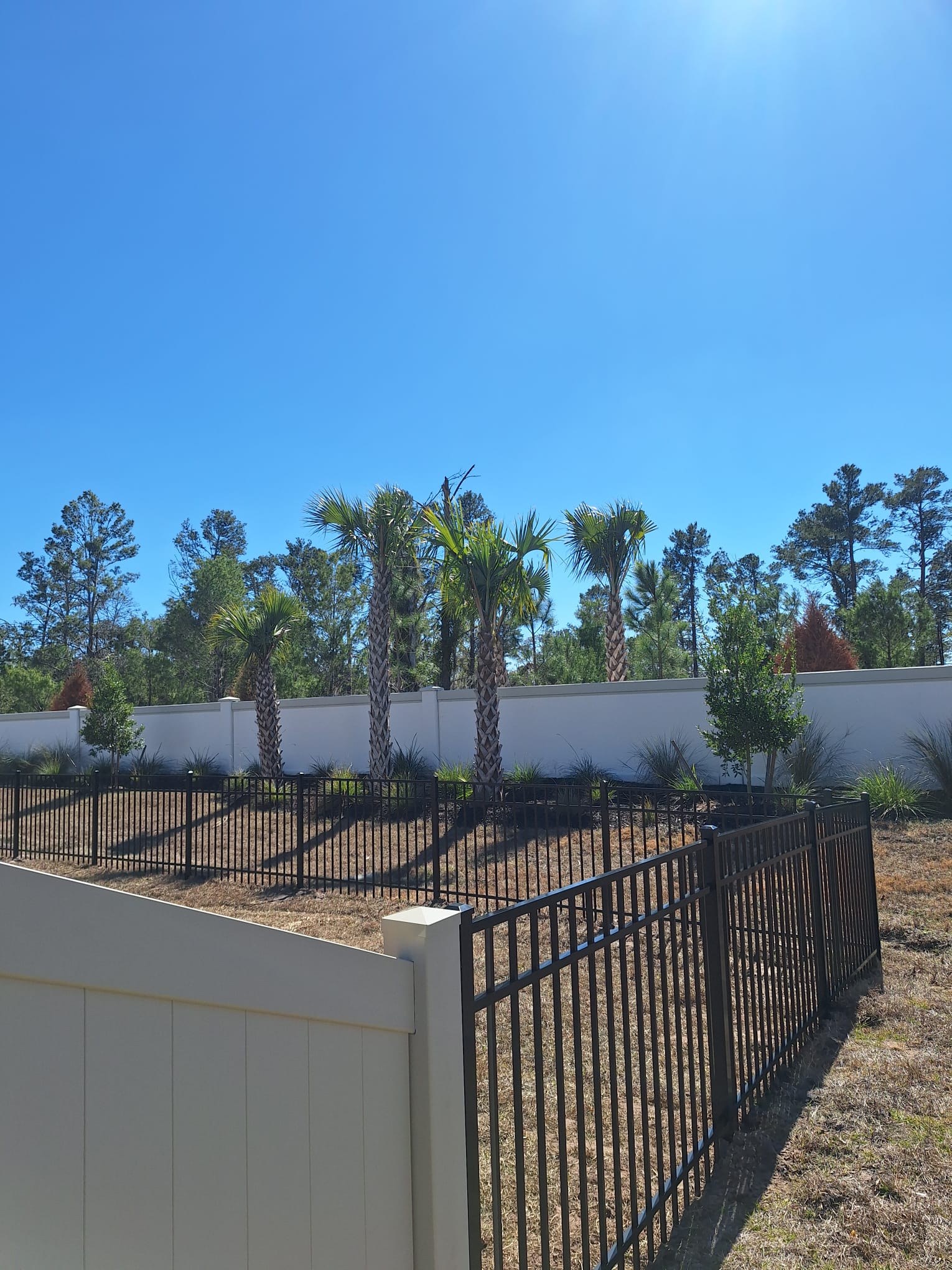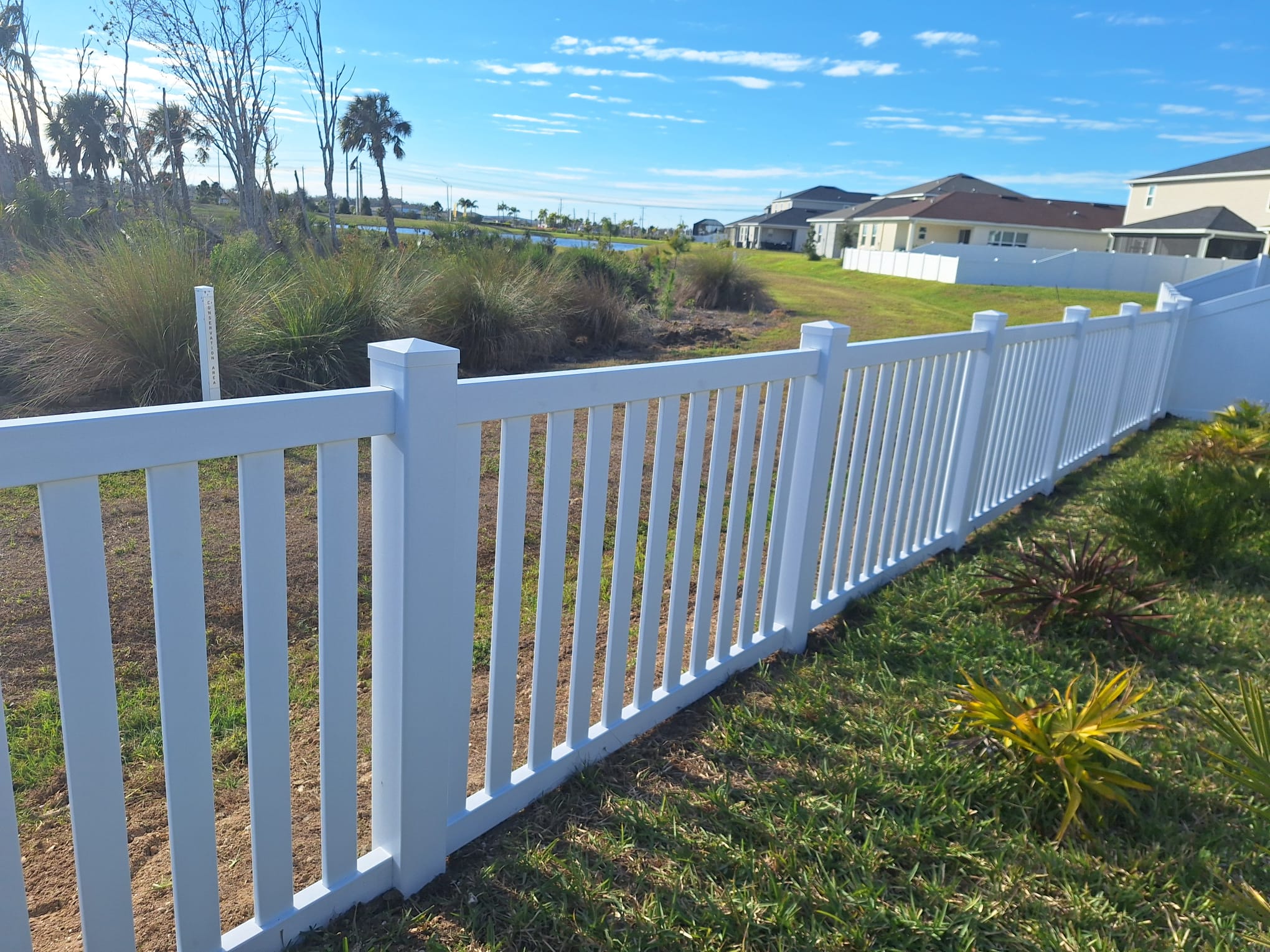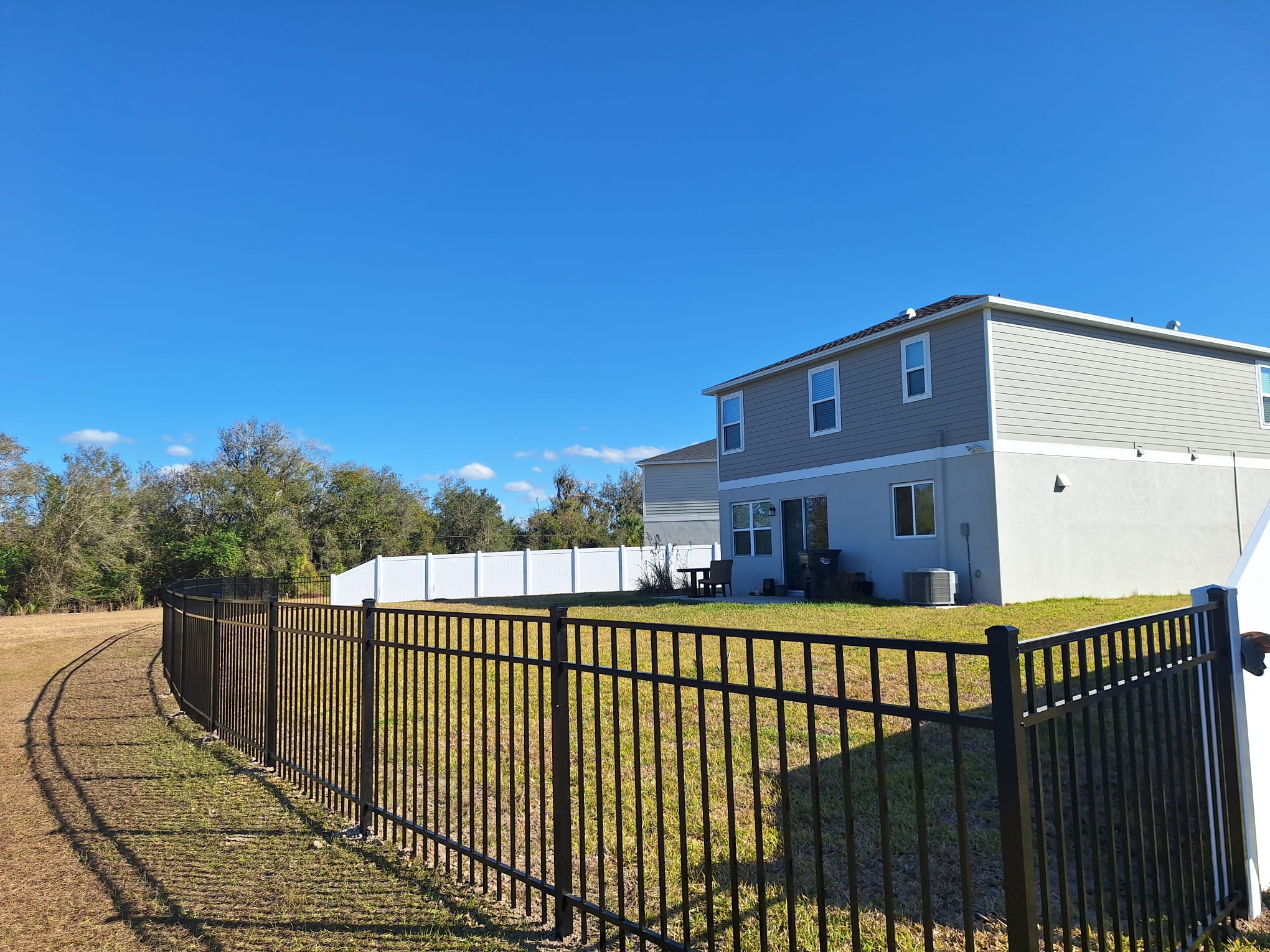
If you’re planning to install a new fence around your Tampa property, one question probably comes up before you even pick a style: do I need a permit for a fence in Tampa? The short answer is — usually, yes. But the details depend on your fence’s height, location, and what it’s enclosing (like a pool).
Getting this wrong isn’t just a paperwork issue. Building a fence without the proper permit can lead to fines, forced removal, or delays when you eventually sell your home. This guide breaks down exactly what Tampa homeowners need to know before breaking ground.
Why Tampa Requires Fence Permits
The City of Tampa requires permits for most fence installations to make sure structures meet local building and zoning codes. This isn’t just bureaucratic red tape — it protects you and your neighbors by ensuring:
- The fence doesn’t encroach on setbacks, easements, or property lines
- Pool enclosures meet Florida’s pool safety barrier laws
- The fence material and height comply with neighborhood zoning rules
- Utility lines and drainage areas stay clear and accessible
Skipping this step can create real headaches, especially if a neighbor disputes your property line or if the fence interferes with a utility easement.
When You Typically Need a Fence Permit in Tampa
In general, Tampa requires a permit when:
- The fence exceeds a certain height (fences over 6 feet in most residential zones commonly require permitting and additional review)
- The fence encloses a swimming pool or spa (required under Florida’s pool safety statute)
- The property is within a historic district or has special zoning overlays
- The fence is being installed on a commercial property
When a Permit May Not Be Required
Some very low, simple fences (such as short decorative fencing under a certain height) may fall outside permit requirements. However, “permit-exempt” doesn’t always mean “rule-exempt” — you may still need to follow zoning setbacks, HOA guidelines, or height restrictions.
Because exact thresholds and fee schedules can be updated, the safest move is always to confirm current requirements directly with the City of Tampa’s Construction Services Center before you start.
Fence Height Rules in Tampa
Height limits are one of the most common reasons fence permits get flagged or denied. As a general rule of thumb across most Florida municipalities, including Tampa:
- Front yard fences are typically limited to a lower height (often around 3–4 feet) to preserve sightlines and neighborhood character
- Side and rear yard fences are usually allowed to be taller (commonly up to 6 feet) without extra review
- Pool enclosure fences must meet specific height and self-latching gate requirements under Florida law, regardless of location on the property
If your fence design pushes past these general limits, you may need a variance or additional zoning approval — which adds time to your project.
HOA and Deed Restrictions: Don’t Forget This Step
Even if the City of Tampa approves your permit, your neighborhood’s Homeowners Association (HOA) may have its own rules about:
- Approved fence materials (wood, vinyl, aluminum, chain-link, etc.)
- Color and style requirements
- Maximum height, even if it’s lower than city code
- Placement relative to the front of the home
Always check your HOA’s covenants before applying for a city permit. It’s much easier to adjust your plans upfront than to tear down a freshly built fence.
How to Apply for a Fence Permit in Tampa
Here’s a simplified overview of the typical process:
- Check your property survey to confirm exact property lines
- Review zoning and HOA rules for your specific address
- Submit a permit application through the City of Tampa’s permitting portal or Construction Services Center, including a site plan showing fence location, height, and materials
- Pay the applicable permit fee
- Schedule any required inspections, especially for pool enclosures
- Wait for approval before installation begins
Working with a licensed local fence contractor can simplify this process significantly, since many contractors handle the permit application on your behalf.
What Happens If You Skip the Permit?
Installing a fence without a required permit in Tampa can result in:
- Stop-work orders if the city catches the work in progress
- Fines for non-compliant construction
- Forced removal or modification of the fence at your expense
- Title or resale issues, since unpermitted structures often show up during home inspections or title searches
In short, the small upfront effort of getting a permit is far less costly than fixing the problem later.
Final Thoughts
So, do you need a permit for a fence in Tampa? In most cases — especially for taller fences, pool enclosures, or anything beyond a short decorative border — the answer is yes. The permitting process exists to keep your property, your neighbors, and your investment protected long-term.
Before you buy materials or hire a contractor, take a few minutes to check your local zoning rules, HOA guidelines, and current permit requirements with the City of Tampa. It’s a small step that can save you time, money, and stress down the road.
Ready to get your fence project moving the right way? Reach out to a local licensed fence contractor who can help you navigate the permit process and get your new fence installed correctly the first time.
Frequently Asked Questions
It depends on the height and location. Many low, decorative fences may be exempt, but fences over a certain height — or those enclosing a pool — almost always require a permit. Check with the City of Tampa to confirm based on your specific fence height and placement.
Timelines vary based on application volume and whether your property has any zoning complexities, but many straightforward residential fence permits are processed within a few weeks. Pool enclosures or properties in historic districts may take longer due to additional review.
Yes. City permits and HOA approval are separate processes. Even with an approved city permit, your HOA can still reject a fence design that doesn’t meet its own covenants, so it’s smart to get HOA sign-off before or alongside your permit application.