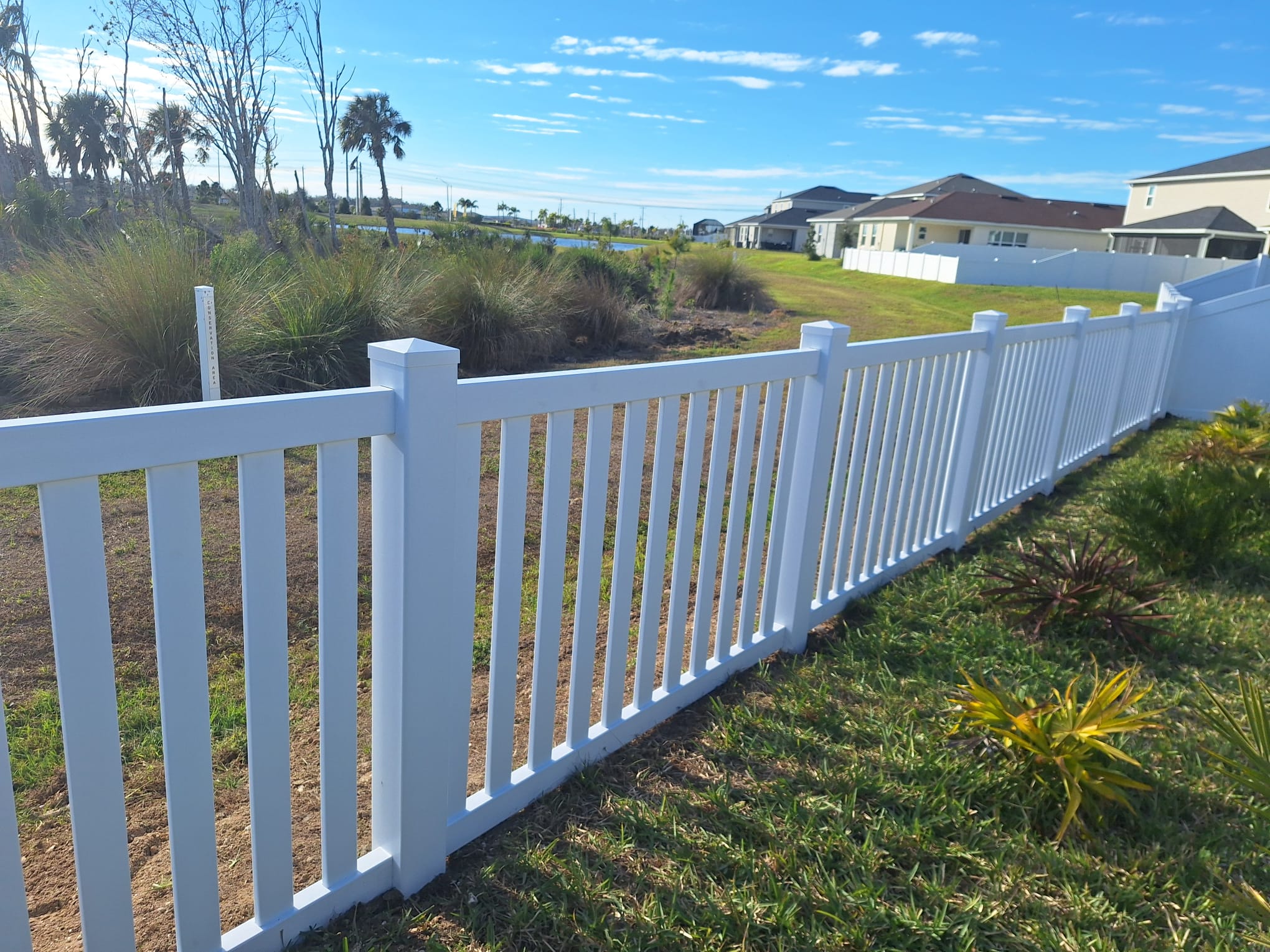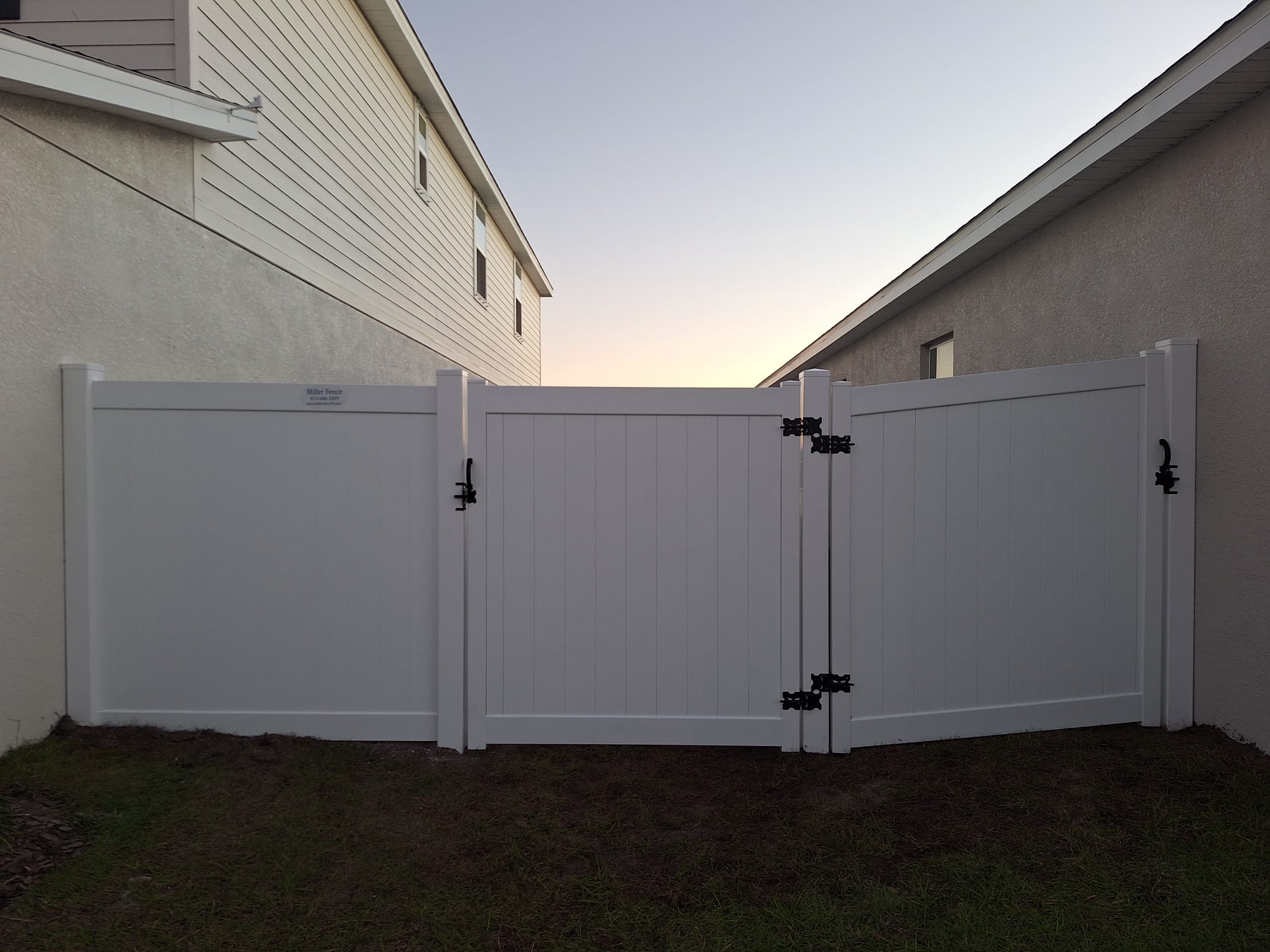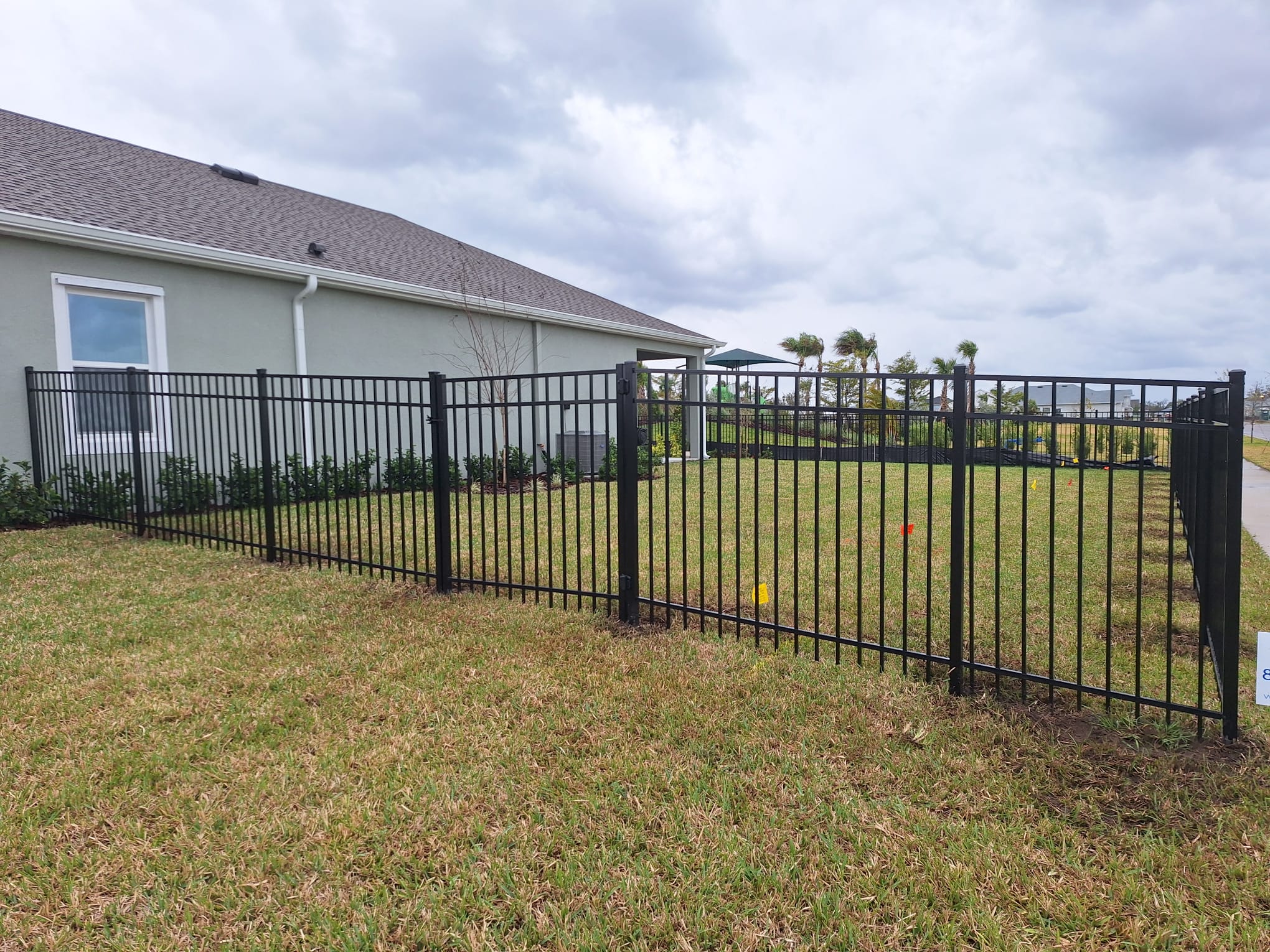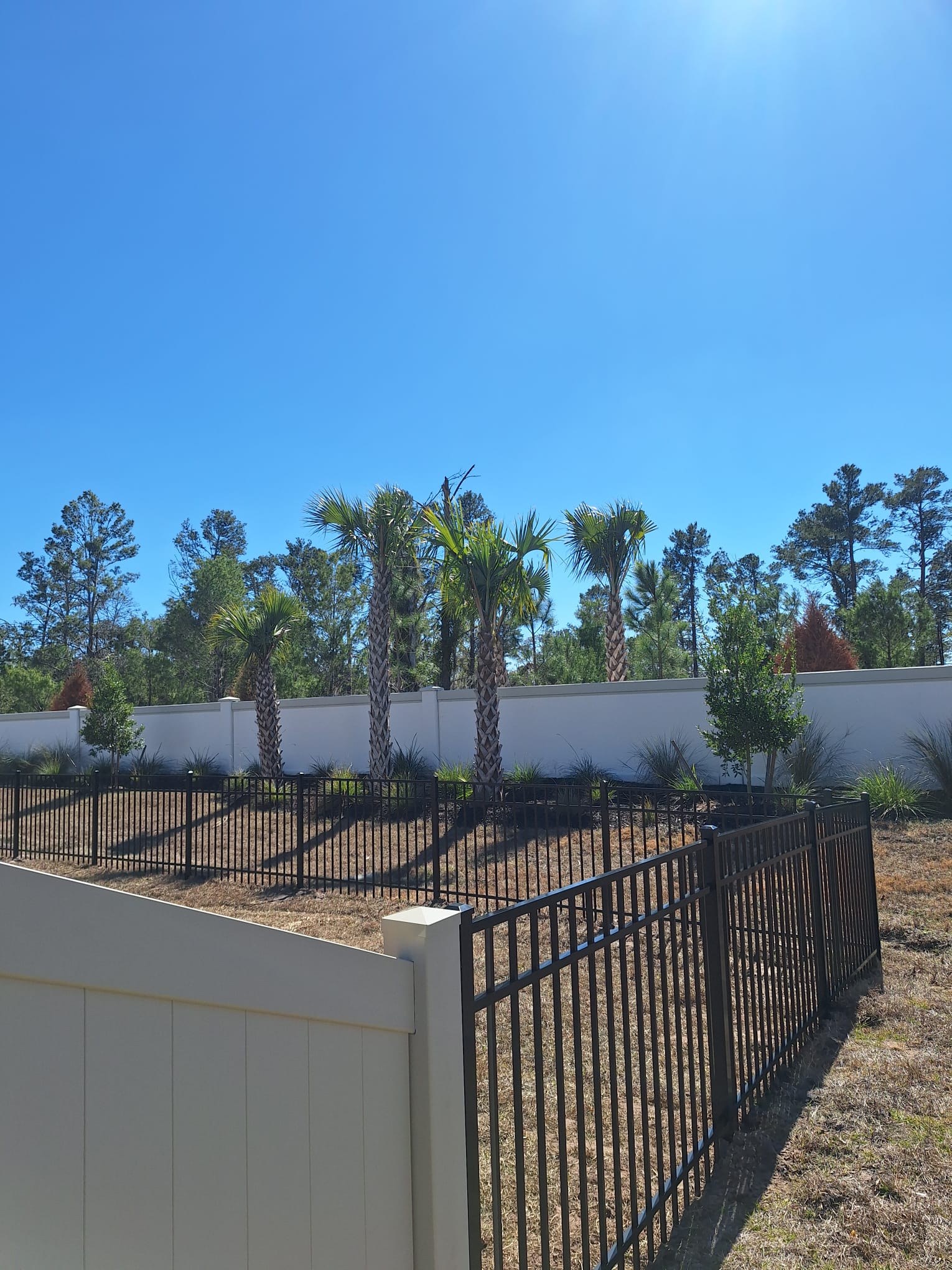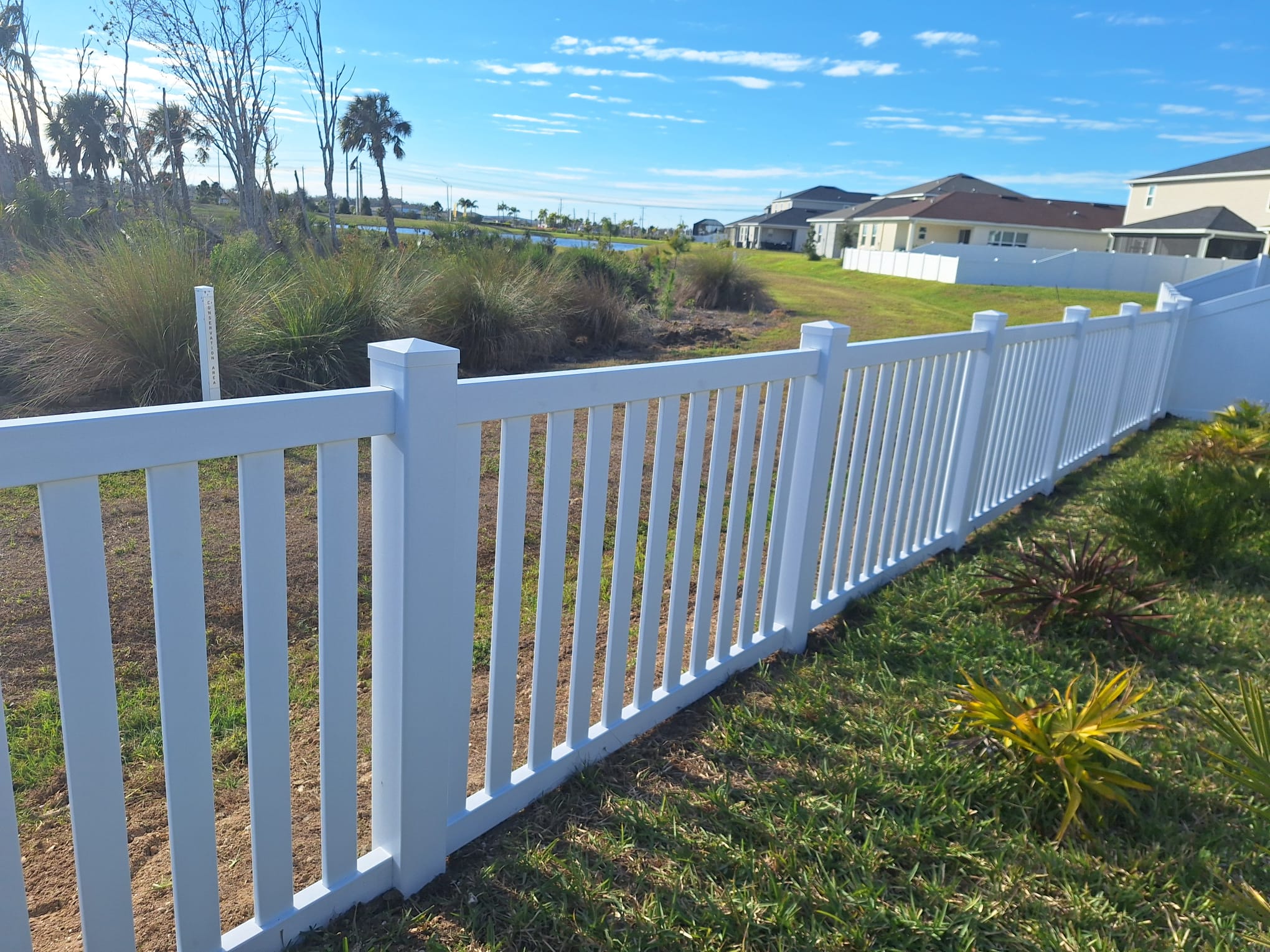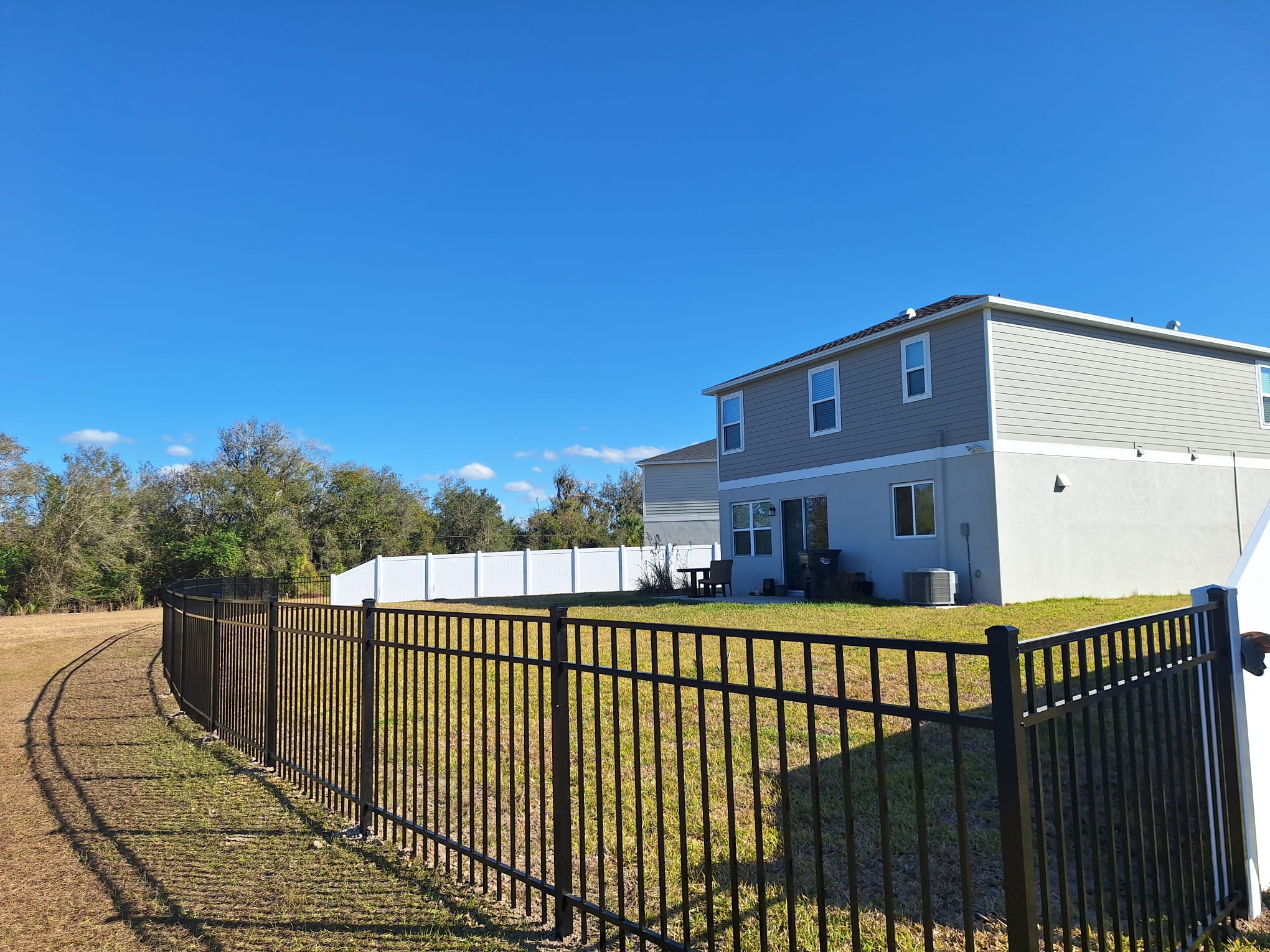
If you are planning a new fence or wondering how much life your current one has left, the fence lifespan Florida homeowners can expect is shorter than the national averages you often see online. Sun, humidity, soil moisture, salt air, and hurricane-season winds all wear on fencing materials. The good news is that material choice, installation quality, and basic upkeep can add years, sometimes decades, to your fence.
This guide breaks down how long each type of fence typically lasts in Florida, what shortens its life, and how to know when it is time to replace it.
How Long Does a Fence Last in Florida?
Fence lifespan in Florida depends mostly on the material. These are general ranges for properly installed fences with reasonable care:
- Vinyl: 20 to 30 years
- Aluminum: 20 to 30 years or more
- Composite: 20 to 25 years
- Vinyl-coated chain link: 15 to 20 years
- Pressure-treated wood: 10 to 15 years, sometimes less without regular sealing
- Untreated or poorly maintained wood: 5 to 10 years
Treat these as estimates, not guarantees. Product grade, installer skill, and your exact location can move the numbers up or down. A well-built aluminum fence inland may outlast the same fence near saltwater, and a thin, low-grade vinyl panel will not last as long as a thick, UV-protected one.
What Shortens Fence Lifespan in Florida
Florida’s climate puts several kinds of stress on a fence at once. Knowing the main threats helps you protect your investment.
Moisture and Humidity
Constant humidity and summer downpours soak into wood, leading to rot, mold, and warping. Posts are especially vulnerable where they meet wet soil, and fences near sprinklers or low-lying areas often fail first at the base.
Termites and Insects
Termites and other wood-boring insects can weaken posts and rails from the inside. A fence may look fine from a distance while its structure is already compromised.
Sun and UV Exposure
Strong UV light fades finishes, dries out wood, and can make lower-quality plastics brittle. Quality vinyl and powder-coated aluminum are made to resist this, but cheaper products often are not.
Salt Air
Homes near the bay, Gulf, or intracoastal waterways face salt in the air, which speeds corrosion on steel, galvanized components, and low-grade hardware. Aluminum, quality vinyl, and stainless or coated fasteners hold up best.
Storms and Wind
Hurricane season tests every fence. Strong winds can loosen posts, crack panels, and shift gates. Even a fence that survives a storm may have hidden footing damage that shortens its remaining life.
Fence Lifespan by Material
Vinyl Fencing
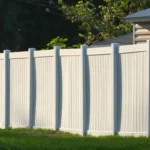
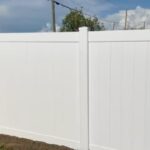
Vinyl does not rot, rust, or attract termites, which is why it is a popular long-lasting option in Florida. Many quality vinyl fences last two decades or more with only occasional rinsing. The main risk is low-grade product. Look for thicker walls, UV inhibitors, and a solid warranty.
Aluminum Fencing
Aluminum does not rust, so it performs well in coastal and humid conditions. A powder-coated finish adds fade and scratch resistance. It is a strong choice for pools and open views, though it does not provide privacy.
Composite Fencing
Composite blends wood fibers with recycled plastics for a wood-like look that resists rot and insects. It can last well in Florida, though some products show surface mildew or fading over time. Ask about the specific product line and warranty.
Chain Link
Vinyl-coated chain link is affordable and durable for large yards and pets. The coating protects the galvanized steel, but it can wear faster in harsh coastal conditions.
Wood Fencing
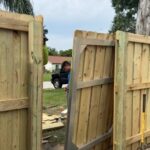
Wood has the shortest typical lifespan in Florida. Pressure-treated lumber helps, but it still needs regular sealing or staining and can warp, crack, or decay in humid conditions. A wood fence can last longer with consistent care, but it takes more work than other materials.
How to Make Your Fence Last Longer
Installation and upkeep can make a real difference in how long a fence lasts. Simple habits include:
- Rinse the fence a few times a year to remove dirt, pollen, and mildew
- Trim vines and shrubs so moisture does not stay against panels
- Adjust sprinklers so they do not soak the same section daily
- Reseal or restain wood fences on the schedule recommended for your product
- Check posts, gates, hinges, and latches after major storms
- Use stainless steel or coated hardware, especially near the coast
- Hire a licensed, insured contractor who sets posts at proper depth with solid footings
Installation quality is easy to overlook, but poorly set posts are one of the most common reasons fences fail early.
Signs Your Fence Is Near the End of Its Life
Even with good care, every fence eventually wears out. Watch for these warning signs:
- Several leaning or loose posts
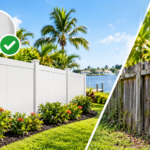
- Rot, soft spots, or insect damage spreading across boards and posts
- Cracked, warped, or missing panels
- Gates that drag, sag, or will not latch
- Repairs that keep coming back in different sections
- Storm damage affecting multiple areas
A single damaged section can often be repaired. When problems appear throughout the fence, replacement usually costs less over time than repeated patchwork. We cover this in more detail in our guide to the signs you need to replace your fence.
Repair or Replace? A Simple Way to Decide
Ask yourself three questions:
- Is the damage limited to one small area, or is it spreading?
- Are the posts and footings still solid?
- Are you paying for repairs every year?
If the structure is sound and the damage is isolated, repair is often the better value. If posts are failing or repairs are frequent, replacement is usually the smarter long-term move. A professional inspection can give you a clear answer.
Plan Your Fence With Confidence
If you are thinking about replacing your fence, knowing what to expect makes the process easier. Read our Tampa Bay Fence Installation Timeline to see the stages from consultation and permitting through installation and final walkthrough.Not sure whether your fence needs repair or replacement? Miller Fence can inspect your property, explain your options, and give you a clear quote with no pressure.
Frequently Asked Questions
It depends on the material. Vinyl and aluminum often last 20 to 30 years, composite 20 to 25 years, vinyl-coated chain link 15 to 20 years, and pressure-treated wood 10 to 15 years. Humidity, sun, salt air, and storms can shorten these ranges.
Aluminum and high-quality vinyl typically last the longest. Aluminum does not rust and is especially durable near saltwater, while vinyl is a strong all-around choice for privacy with minimal upkeep.
It can. Strong winds may loosen posts, crack panels, and cause hidden footing damage even when a fence stays upright. Proper installation, wind-rated products, and a post-storm inspection help protect your fence’s lifespan.