Florida is hard on fences. Between year-round humidity, summer downpours, intense UV, salt air near the coast, termites, and hurricane season, a fence that looks great in spring can be warped, rotting, or rusting within a few years.
If you want a fence that looks good without constant staining, painting, or repairs, the material matters more than anything else. This guide covers the best low maintenance fence for Florida homes, how each option handles the climate, and what to check before you buy.
Why Florida Is Tough on Fences
Understanding the climate makes it easier to choose well. These are the main threats to a Florida fence:
- Moisture and humidity: Wood absorbs water, which leads to rot, mold, and warping.
- Termites and insects: Untreated or poorly treated wood is an easy target.
- UV exposure: Constant sun fades and weakens cheaper plastics and finishes.
- Salt air: Within a few miles of the coast, salt accelerates corrosion on steel and cheap hardware.
- Wind and storms: Fences must handle strong gusts, and in some counties, meet specific wind-load requirements.
A truly low maintenance fence resists most of these threats without regular upkeep.
The Best Low Maintenance Fence Options for Florida
1. Vinyl (PVC) Fencing
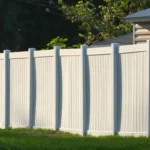
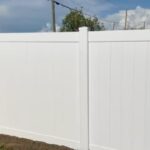
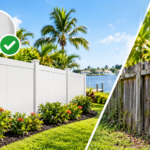
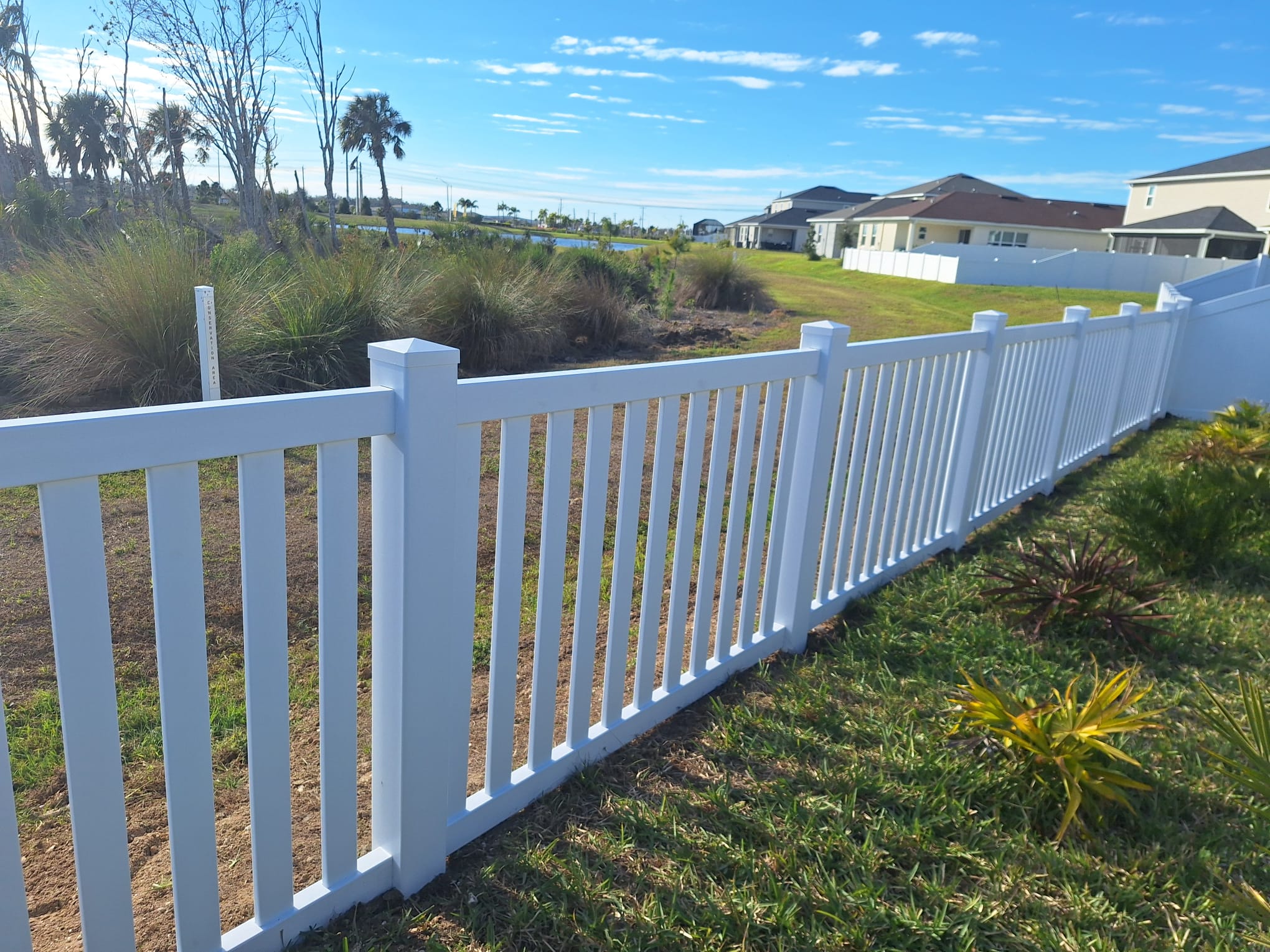
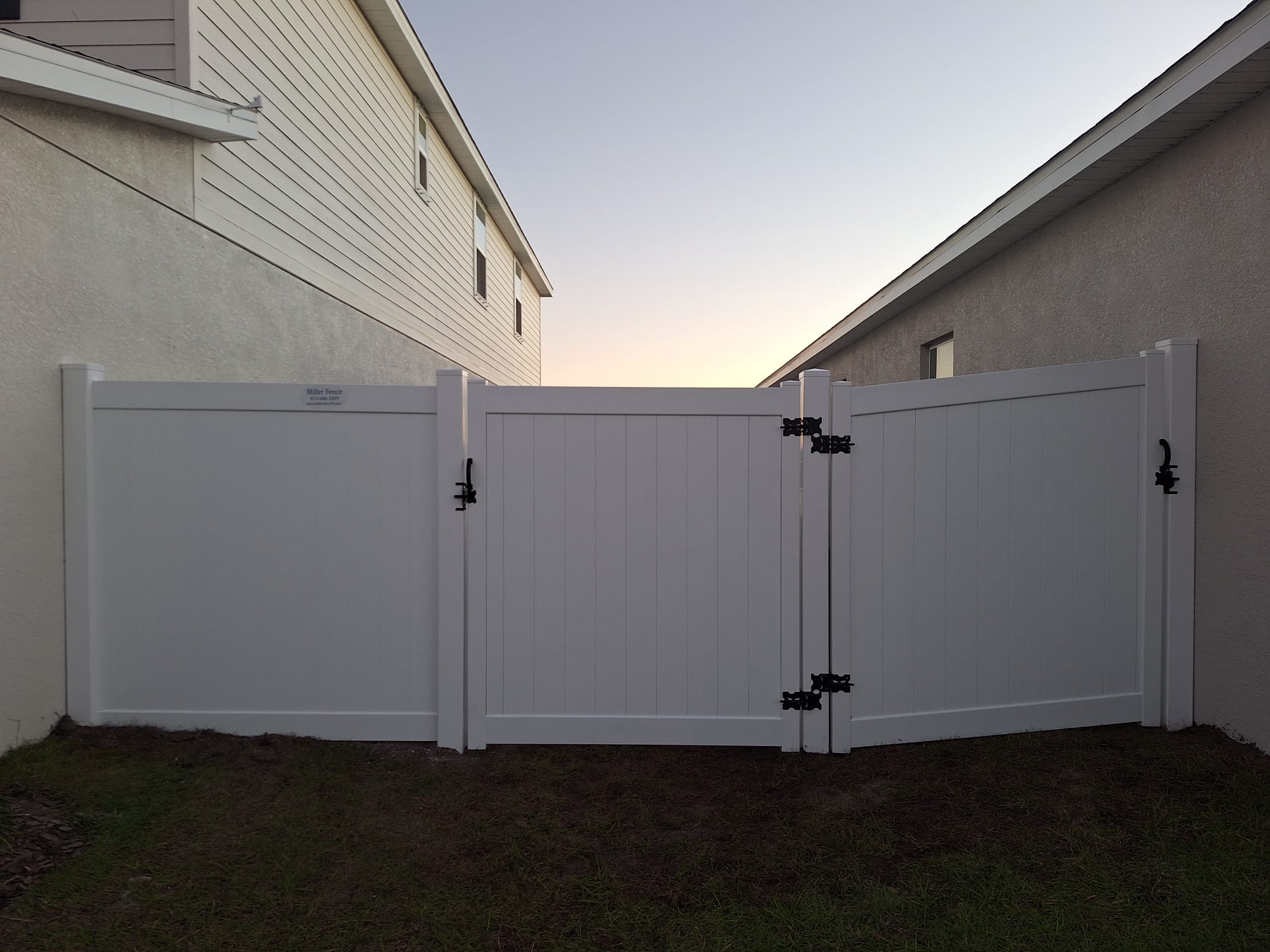
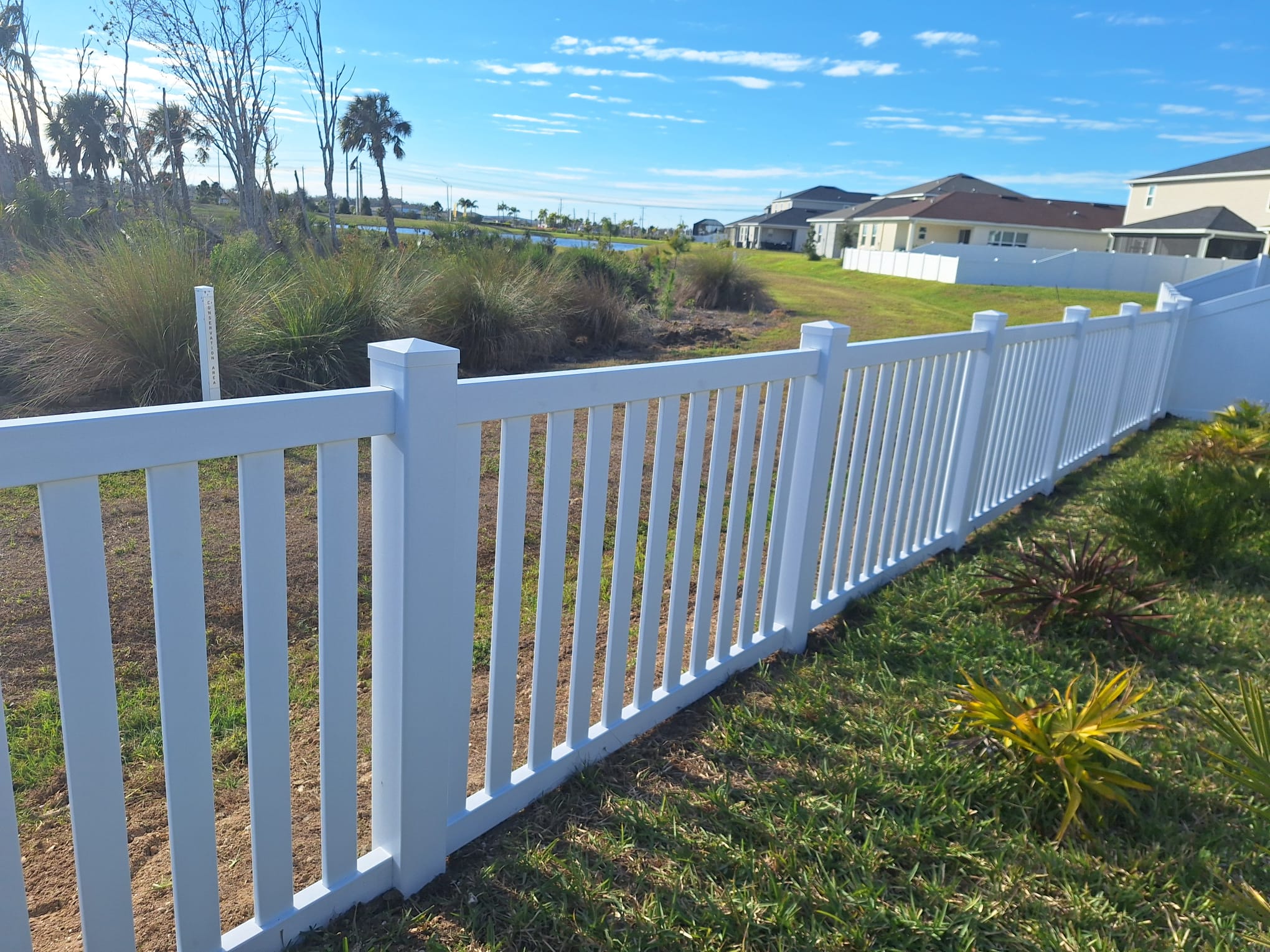
Vinyl is the most popular low maintenance fence in Florida, and for good reason. It doesn’t rot, rust, or attract termites, and it never needs painting or staining. An occasional rinse with a hose and mild soap handles most dirt and mildew.
Pros:
- Resists moisture, insects, and salt air
- Available in privacy, semi-privacy, and picket styles
- Typically lasts 20 to 30 years with minimal care
- Often backed by long manufacturer warranties
Cons:
- Higher upfront cost than wood or chain link
- Lower-quality vinyl can yellow or turn brittle in intense sun
- Can crack on hard impact
Tip: Look for vinyl with UV inhibitors and thicker walls. Cheap, thin panels are where most Florida vinyl complaints come from.
2. Aluminum Fencing
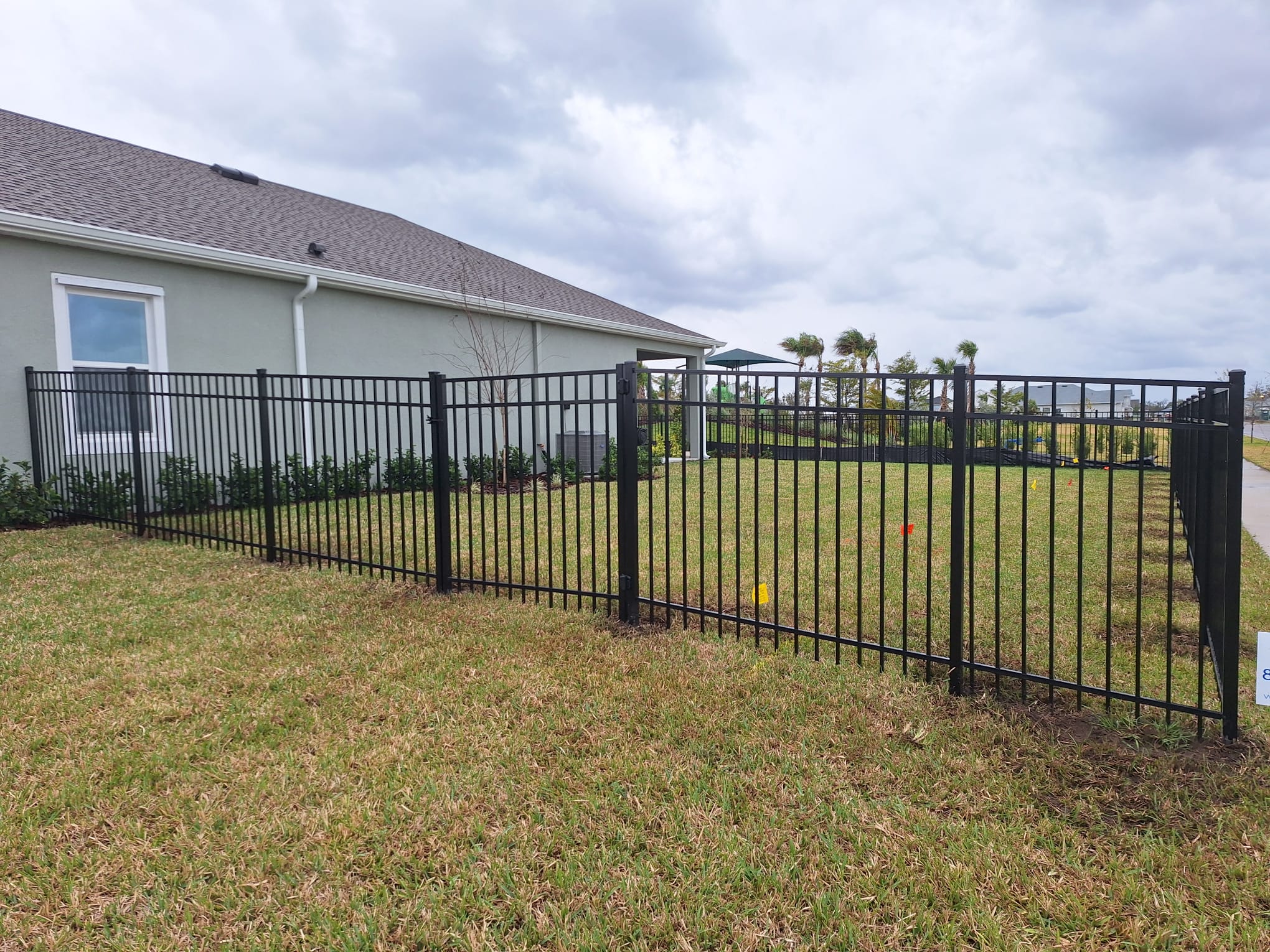
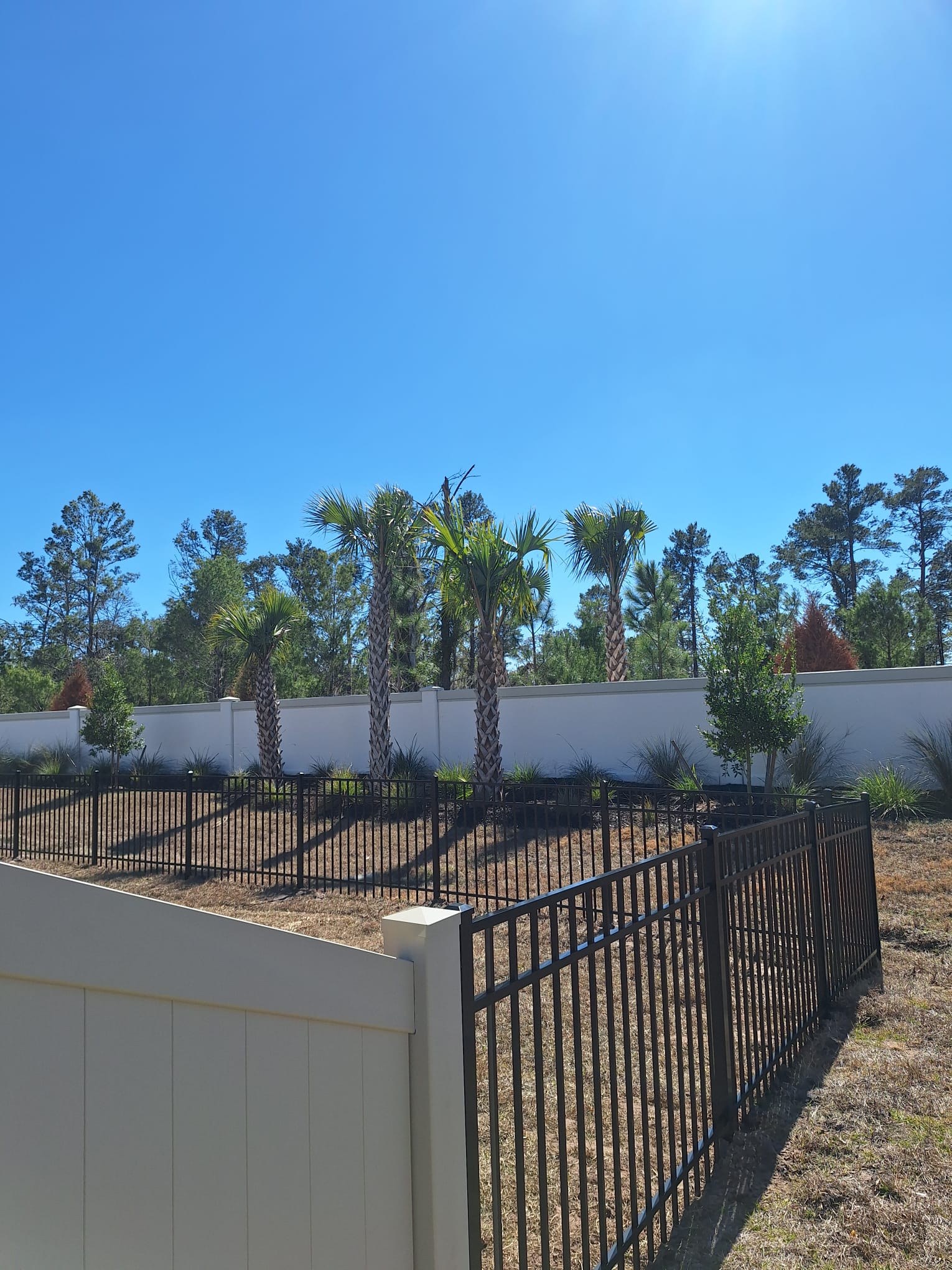
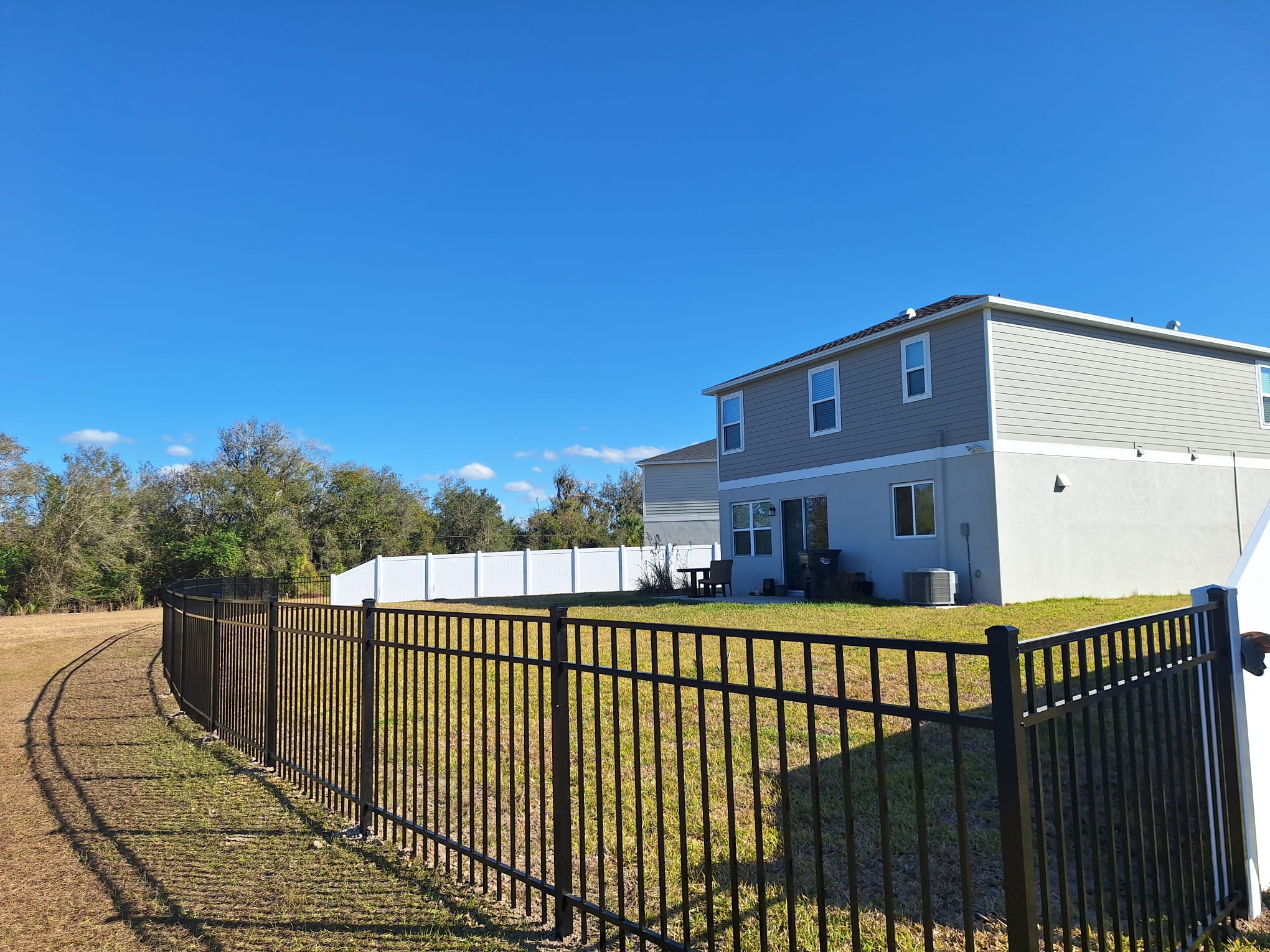
If you want a durable, rust-proof fence with an elegant look, aluminum is hard to beat. Unlike steel, aluminum doesn’t rust, which makes it one of the best choices for coastal and waterfront properties. A powder-coated finish adds fade and scratch resistance.
Pros:
- Won’t rust or rot, even in salt air
- Lightweight yet strong
- Great for pool enclosures (many styles meet pool barrier codes)
- Very little maintenance beyond occasional rinsing
Cons:
- Doesn’t provide full privacy
- Thin-gauge aluminum can dent
- Costs more than basic wood or chain link
Aluminum is ideal when you want security, a clean look, and clear views, such as around a pool or along a waterway.
3. Composite Fencing
Composite fencing blends wood fibers and recycled plastics to mimic the look of real wood without the upkeep. It resists rot and insects and doesn’t need sealing or staining.
Pros:
- Realistic wood-like appearance
- Strong resistance to moisture and pests
- Good for homeowners who want privacy and natural aesthetics
Cons:
- Among the most expensive options
- Some products can show mildew or surface fading over time
- Heavier, which can affect installation costs
4. Vinyl-Coated Chain Link
Chain link is not the prettiest choice, but a vinyl-coated version is affordable, durable, and low maintenance. The coating helps protect the galvanized steel from moisture and corrosion.
Pros:
- Budget-friendly
- Quick to install
- Good for pets, kids, and large lots
Cons:
- Offers no privacy without slats
- Less attractive than other options
- Coating can wear in harsh coastal areas
5. Pressure-Treated Wood (The Higher-Maintenance Option)
Wood is often the cheapest upfront, but it is not low maintenance in Florida. Even pressure-treated lumber needs regular sealing or staining and may still warp, crack, or rot. If you love the look of wood, composite is usually a better long-term bet.
Quick Comparison
| Fence Type | Maintenance Level | Typical Lifespan | Best For |
| Vinyl | Very low | 20–30 years | Privacy, general residential |
| Aluminum | Very low | 20+ years | Pools, coastal homes |
| Composite | Low | 20–25 years | Wood look without upkeep |
| Vinyl-coated chain link | Low | 15–20 years | Budget, pets, large yards |
| Pressure-treated wood | High | 10–15 years | Lowest upfront cost |
Lifespans are general estimates and vary with installation quality, product grade, and location.
How to Choose the Right Fence for Your Florida Property
Consider Your Location
A fence in Orlando faces different challenges than one in Key West. Coastal homes should prioritize corrosion-proof materials like aluminum and high-quality vinyl, including stainless steel or coated hardware. Inland homes have more flexibility but still contend with humidity and storms.
Think About Your Goals
- Privacy: Vinyl or composite privacy panels
- Pool safety: Aluminum with code-compliant spacing and self-latching gates
- Pets and kids: Vinyl, aluminum, or coated chain link
- Curb appeal: Aluminum or composite
Check Local Codes and HOA Rules
Florida’s building codes include wind-load requirements, and the strictest standards apply in High-Velocity Hurricane Zones such as Miami-Dade and Broward counties. Many cities also require permits, and HOAs often limit height, color, and material. Confirm these before you buy. A reputable local installer will know the requirements for your area.
Look at Total Cost, Not Just Upfront Price
Installed prices vary widely by region, height, and style. As a rough guide, wood and chain link tend to cost less upfront, while vinyl, aluminum, and composite cost more but save money on staining, repairs, and replacement. Always get several written quotes.
Tips to Make Any Florida Fence Last Longer
Even low maintenance doesn’t mean no maintenance. A few simple habits go a long way:
- Rinse your fence a few times a year to remove dirt, pollen, and mildew
- Trim plants and vines so moisture doesn’t stay against the fence
- Keep sprinklers from soaking the same spot repeatedly
- Check gates, hinges, and latches after major storms
- Choose stainless steel or coated fasteners, especially near the coast
- Hire a licensed, insured installer, since poor installation can shorten the life of the best materials
Frequently Asked Questions
Vinyl and aluminum are generally the lowest maintenance options. Neither rots, rusts (in aluminum’s case), or needs painting or staining, and both typically need only occasional rinsing.
Aluminum and high-quality vinyl typically last 20 years or more when properly installed. Aluminum is especially durable near saltwater, while vinyl is a strong all-around choice for privacy.
Vinyl fences can perform well in high winds when they are built to local wind-load requirements and installed correctly, with proper post depth and concrete footings. Strong storms can still damage any fence, so ask your installer about products rated for your area.