Choosing among the best fence materials for residential homes is one of the first — and most important — decisions homeowners face before starting a fencing project. The right material affects everything from upfront cost and installation time to how well your fence holds up against weather, pets, and years of everyday wear. With wood, vinyl, aluminum, and chain link all marketed as “the best” option, it’s easy to feel overwhelmed. This guide breaks down each material honestly, comparing durability, maintenance, cost, and curb appeal, so you can make a confident, informed decision for your property.
Why Material Choice Matters So Much
A fence is meant to last for years, often decades, so the material you choose determines your long-term satisfaction far more than the initial installation itself. Climate plays a huge role here — humidity, heat, salt air, and storm exposure all wear down materials differently. A fence that performs beautifully in a dry, mild climate might rot, rust, or warp within a few seasons somewhere more humid. That’s why homeowners should evaluate material options not just on appearance, but on how well they’ll actually hold up in their specific environment.
Comparing the Best Fence Materials for Residential Homes
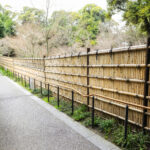
1. Wood Fencing
Wood remains one of the most popular choices for residential properties because of its classic, warm appearance and versatility in style — privacy panels, picket designs, and custom stains or paints are all easy to achieve.
Pros:
- Natural, traditional curb appeal
- Highly customizable in height, style, and finish
- Generally more affordable upfront than vinyl or aluminum
Cons:
- Requires regular maintenance (staining, sealing, occasional repairs)
- More susceptible to rot, warping, and insect damage in humid climates
- Shorter average lifespan (typically 15–20 years) compared to vinyl
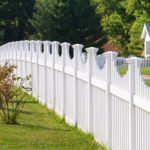
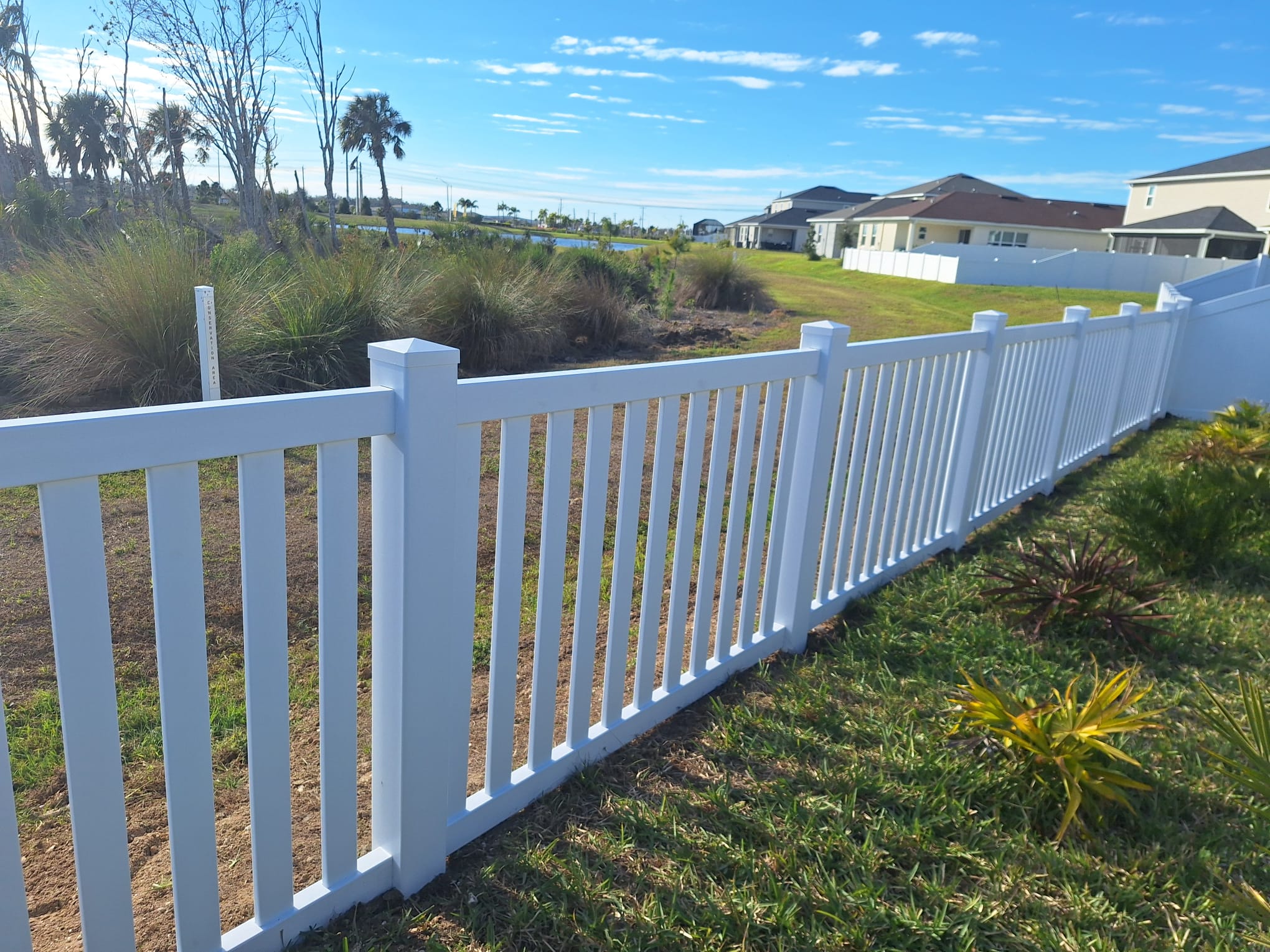
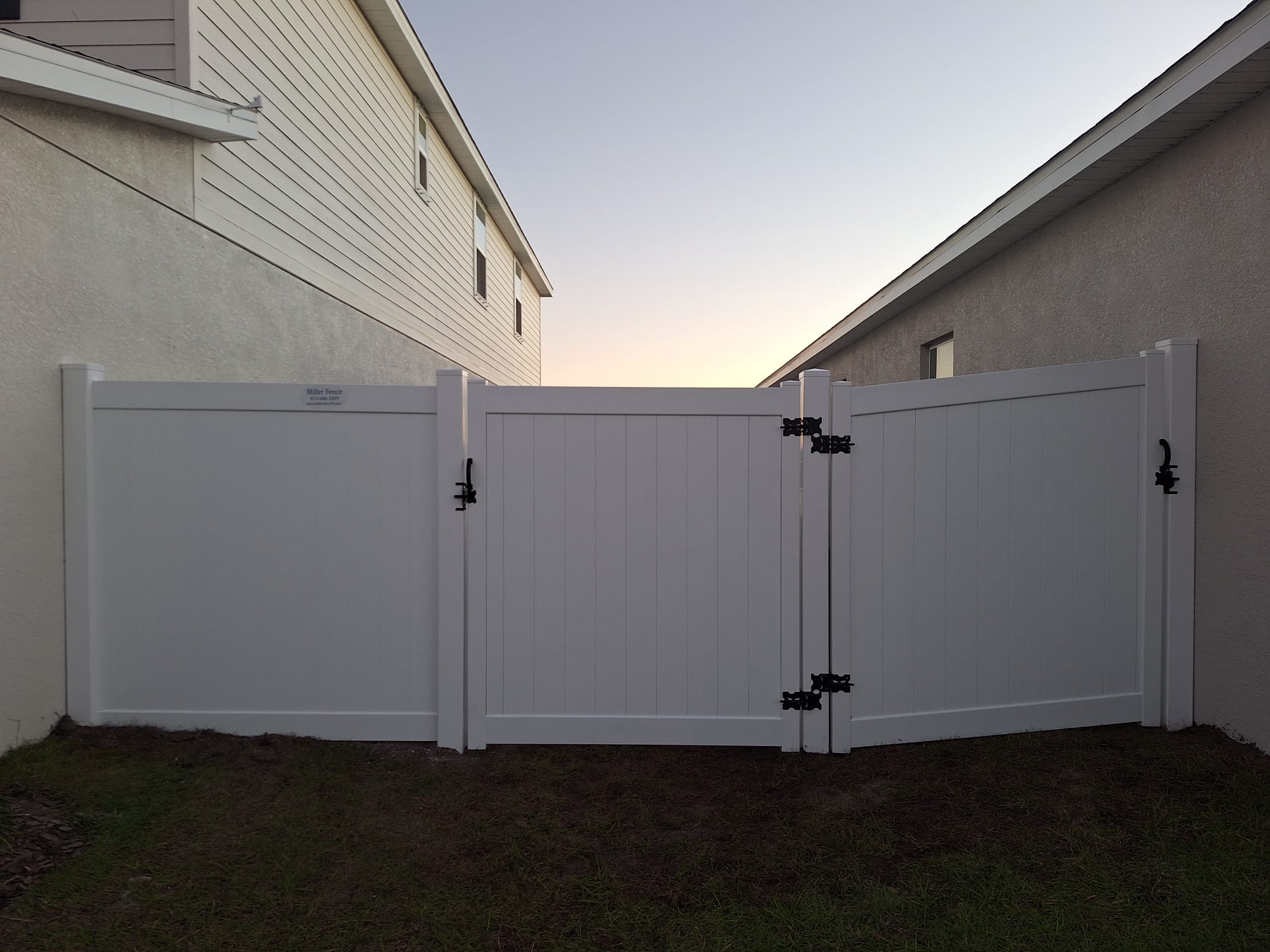
2. Vinyl / PVC Fencing
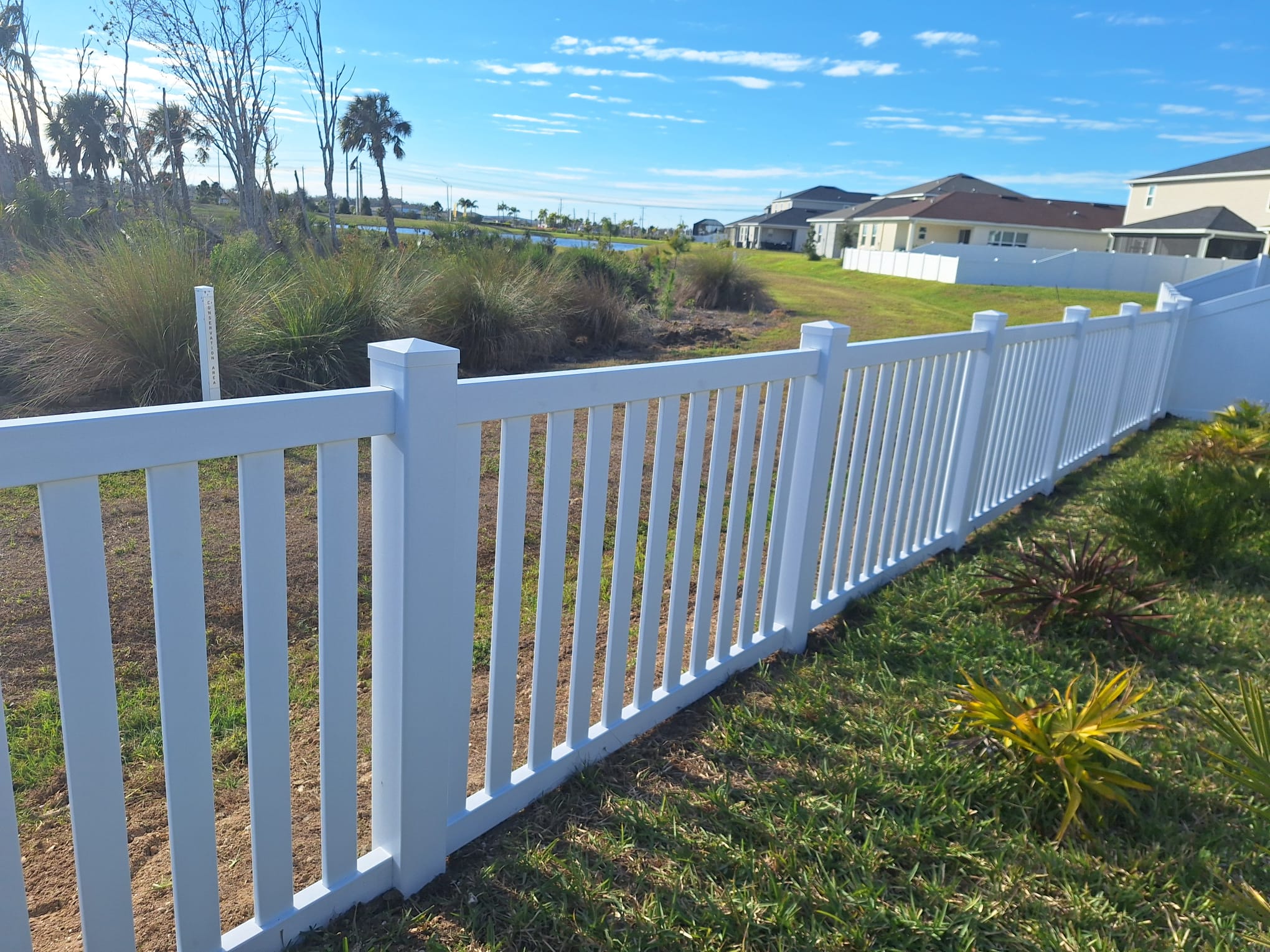
Vinyl has grown rapidly in popularity for homeowners who want a low-maintenance, long-lasting option that still looks clean and modern.
Pros:
- Virtually maintenance-free — no painting, staining, or sealing
- Resists rot, warping, fading, and insect damage
- Long lifespan, often 25–30 years with proper installation
- Excellent for privacy fencing
Cons:
- Higher upfront cost than wood or chain link
- Fewer natural aesthetic options compared to wood
- Can crack in extreme cold (less of a concern in warmer climates)
3. Aluminum Fencing
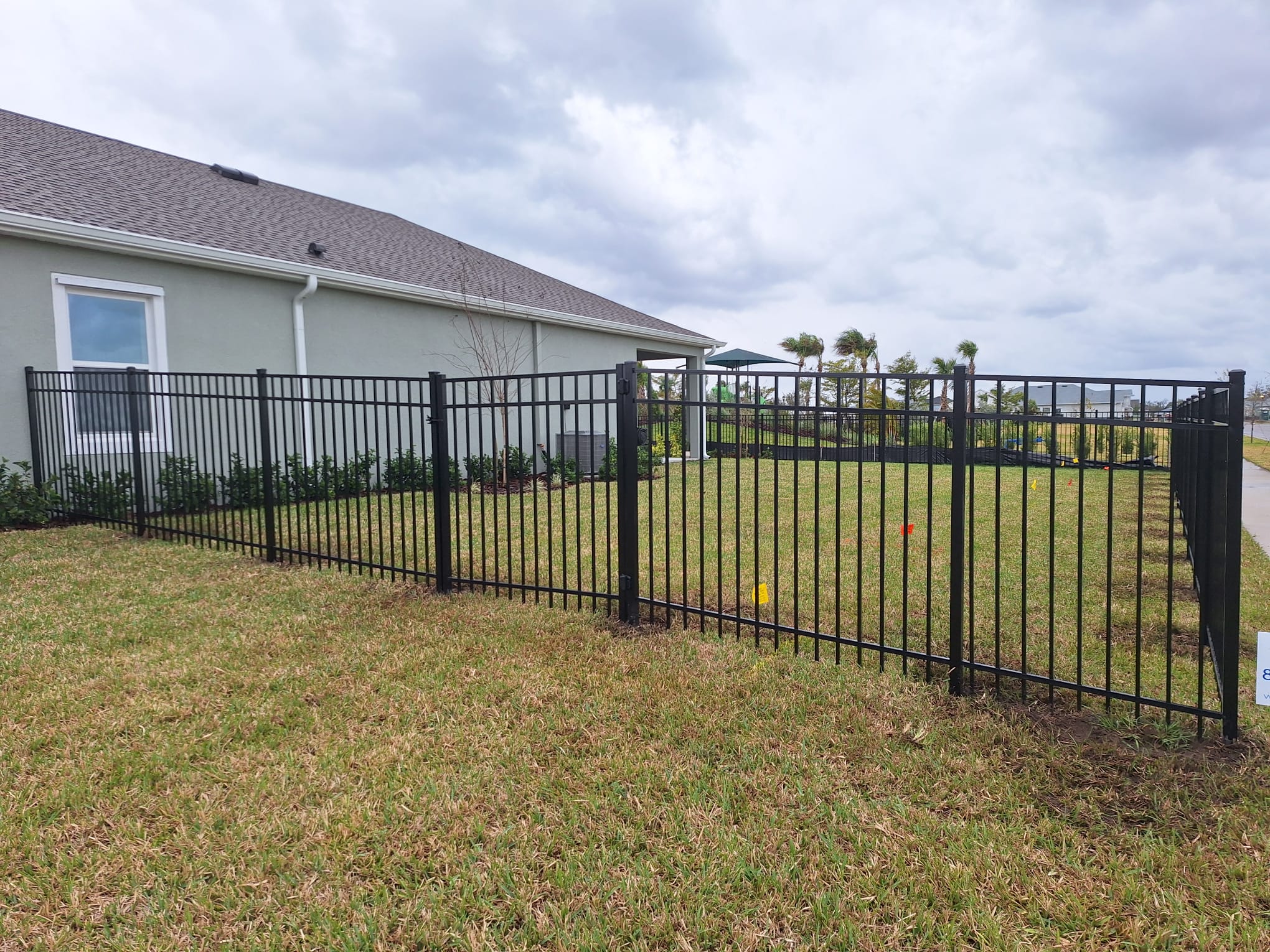
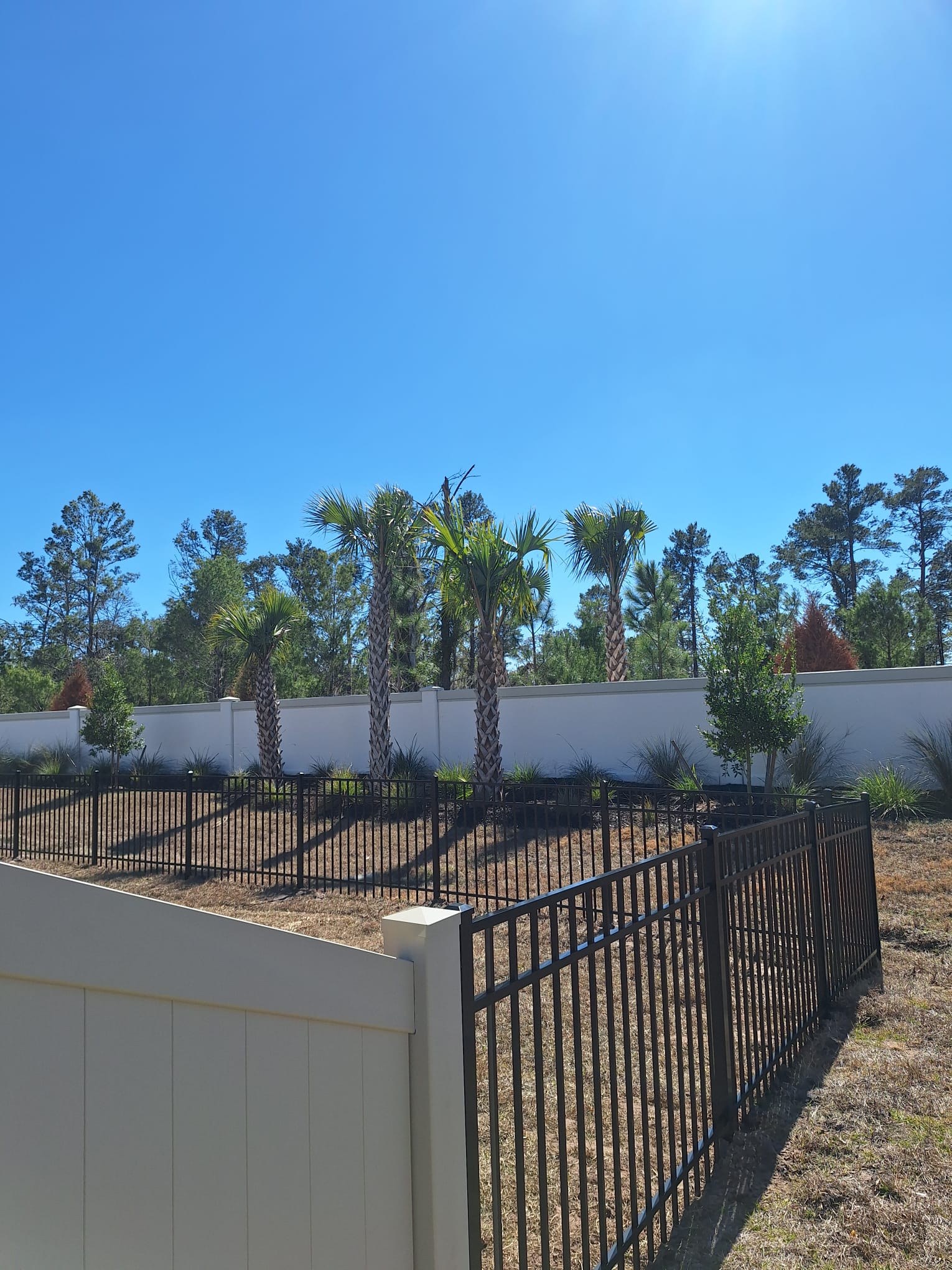
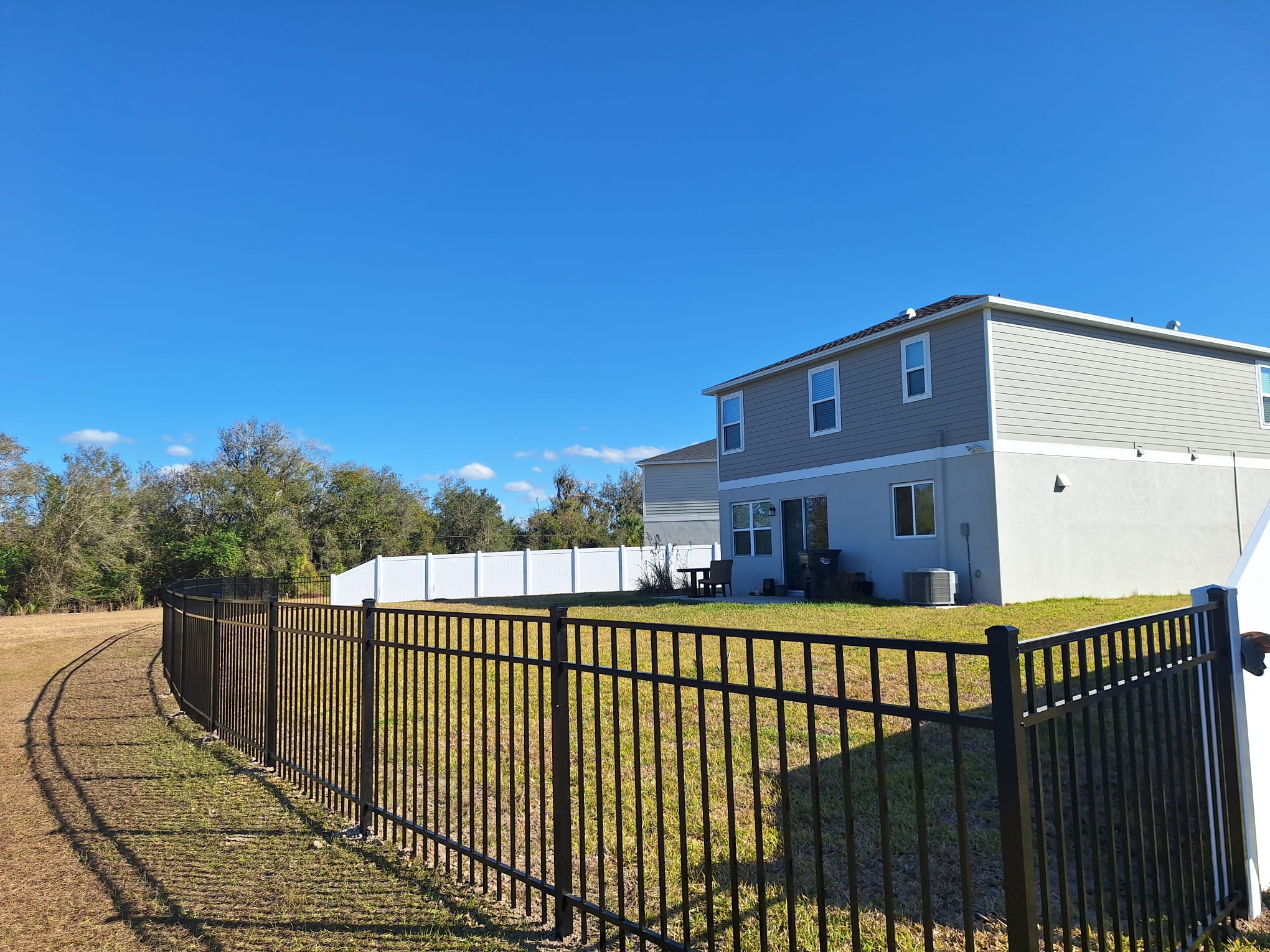
Aluminum fencing offers an elegant, upscale look while remaining lightweight and rust-resistant, making it a strong choice for homeowners focused on curb appeal and durability.
Pros:
- Rust and corrosion resistant
- Low maintenance and long-lasting
- Frequently HOA-compliant due to its clean, decorative appearance
- Doesn’t obstruct views — great for pool areas and front yards
Cons:
- Offers less privacy than wood or vinyl
- Higher cost than chain link
- Less impact resistance than heavier materials
4. Chain Link Fencing
Chain link remains a practical, budget-friendly option, especially for homeowners prioritizing function over aesthetics — securing pets, marking property lines, or fencing larger areas affordably.
Pros:
- Most affordable material option
- Quick and easy to install
- Durable and low-maintenance
- Doesn’t block sunlight or airflow in the yard
Cons:
- Minimal privacy
- Less visually appealing than other materials
- Can show rust over time if not galvanized or coated properly
How to Choose the Right Material for Your Property
When comparing materials, consider these four factors:
- Purpose – Are you prioritizing privacy, security, pet containment, or curb appeal?
- Climate – Humid, coastal, or storm-prone areas favor vinyl or aluminum over untreated wood.
- Budget – Chain link and wood are typically more affordable upfront, while vinyl and aluminum cost more but require less long-term maintenance.
- HOA Requirements – Some communities restrict fence height, material, or color, so check HOA guidelines before finalizing your decision.
A reputable, experienced fence contractor can walk you through these considerations based on your specific property and help you avoid costly mistakes — such as choosing a beautiful wood fence that ends up requiring constant upkeep in a humid climate.
A Broader Look at Home Exterior Maintenance
Material selection isn’t just important for fencing — it applies across most exterior home projects. Whether you’re installing a fence or upgrading your gutter system, choosing quality materials suited to your local environment is the foundation of a long-lasting result.
There’s no single “best” fence material for every homeowner — the right choice depends on your budget, privacy needs, climate, and how much maintenance you’re willing to commit to. Wood offers classic charm at a lower upfront cost, vinyl delivers long-term durability with minimal upkeep, aluminum provides an elegant and low-maintenance option, and chain link remains the most budget-friendly for functional fencing. Take time to weigh these factors carefully, and work with an experienced local contractor who can guide you toward the material that will perform best on your specific property for years to come.
Frequently Asked Questions
Vinyl and aluminum are generally the most durable options, resisting rot, rust, warping, and insect damage far better than wood. With proper installation, both can last 25 years or more with minimal maintenance.
Vinyl fencing requires the least maintenance of all common residential materials — it never needs painting, staining, or sealing, and simply needs occasional cleaning to stay looking new.
Vinyl typically performs better in humid climates because it resists moisture-related issues like rot and warping, whereas wood requires regular sealing and maintenance to prevent damage from consistent humidity exposure.