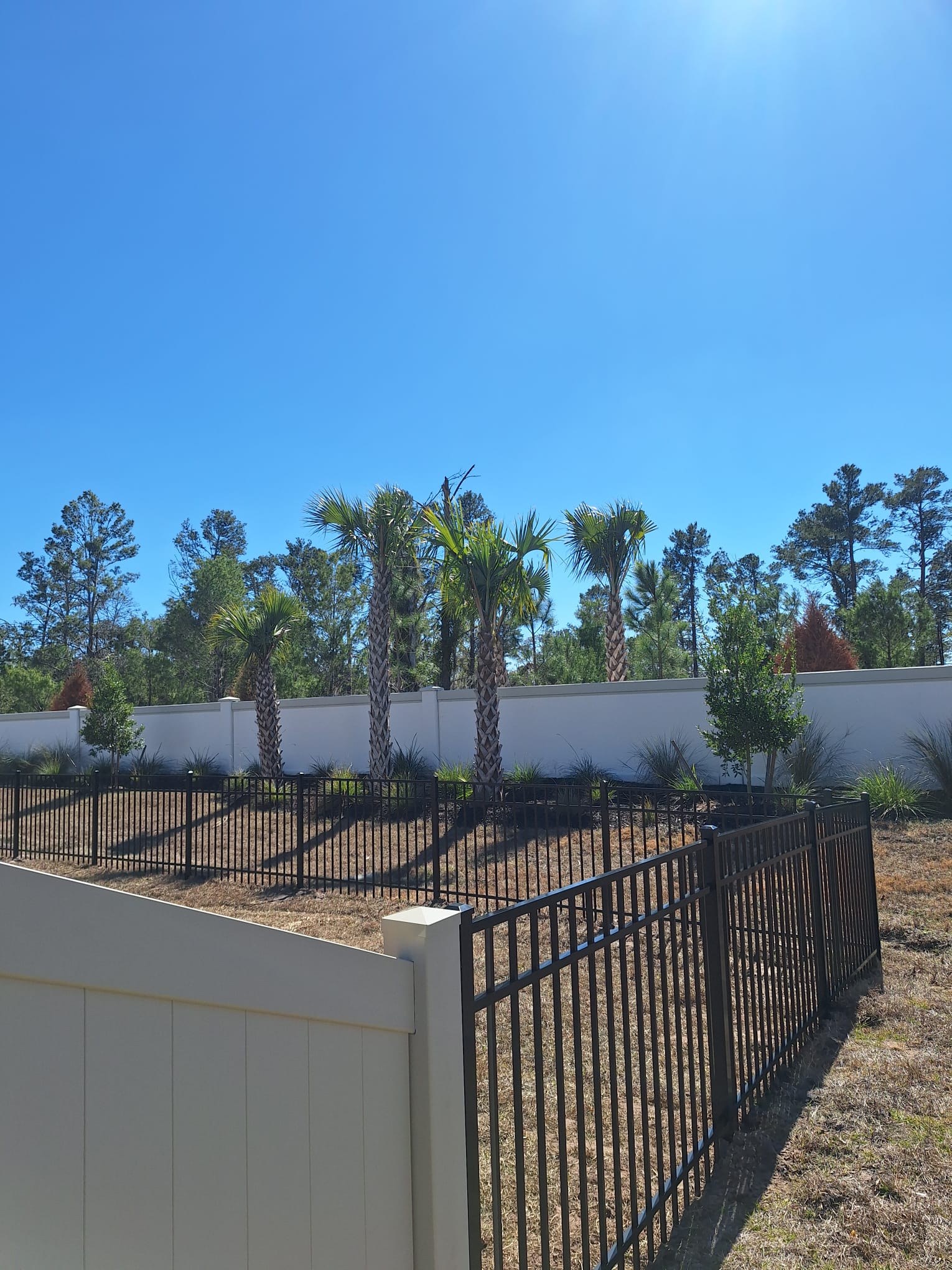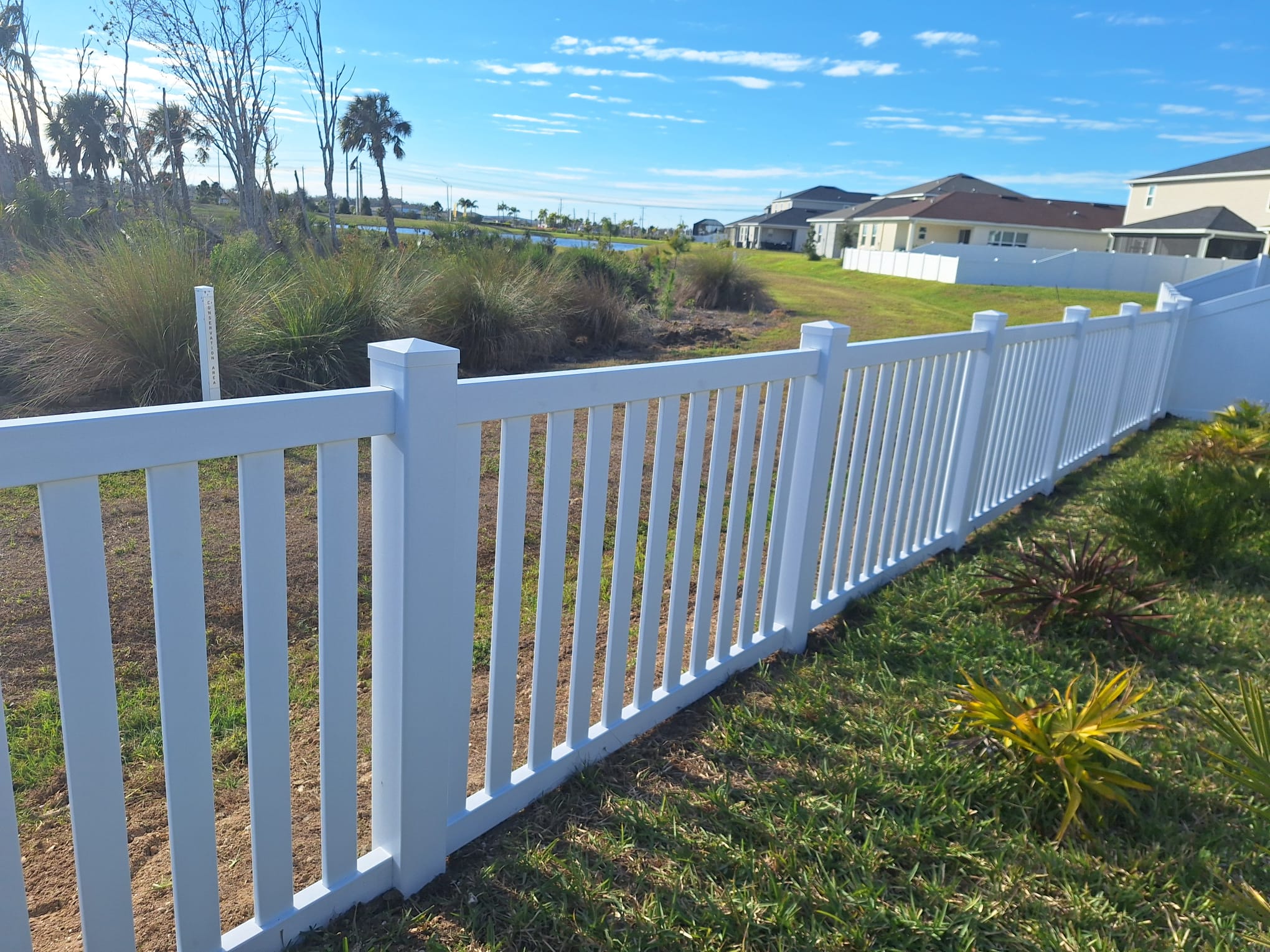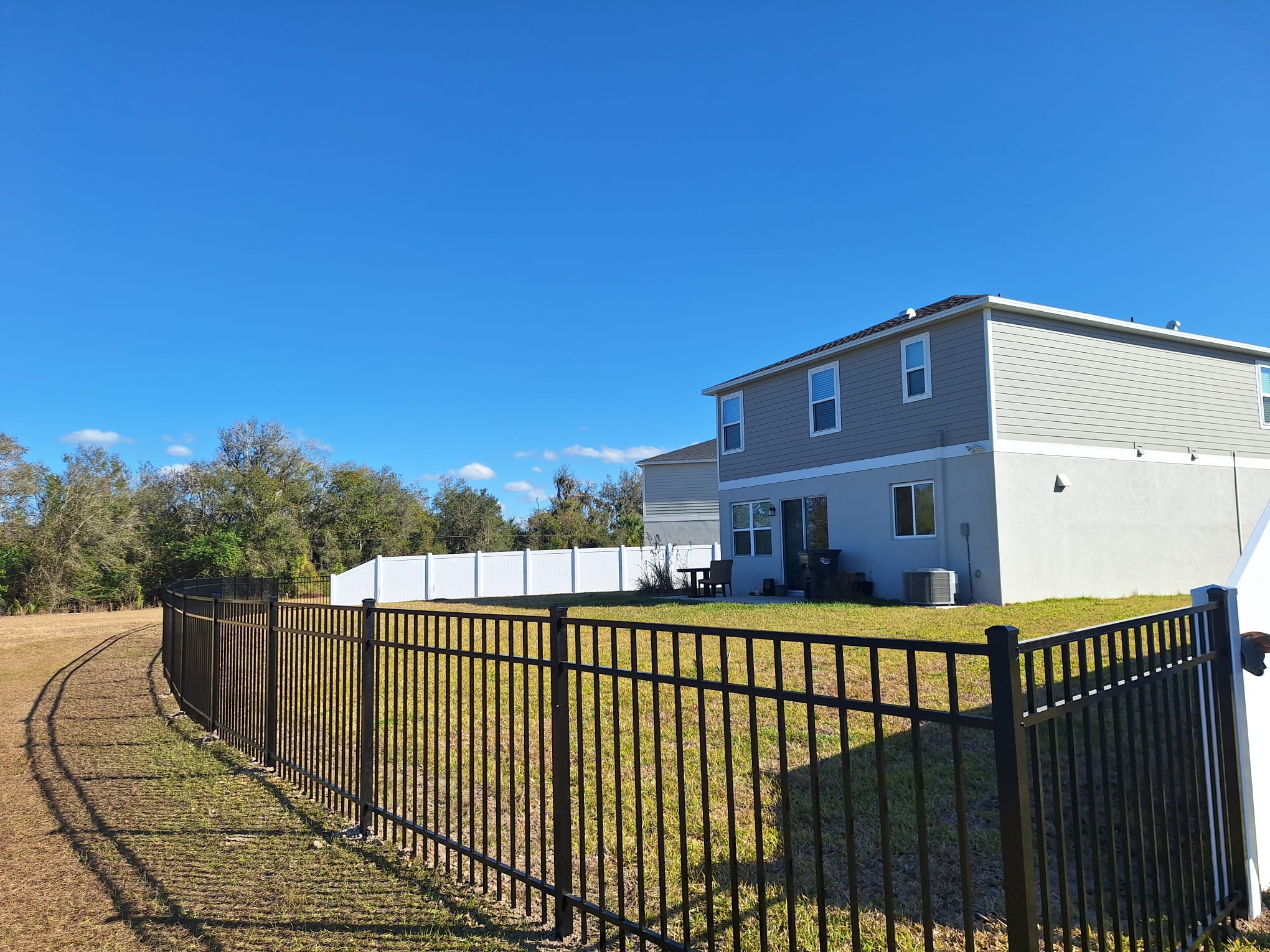
HOA Fence Approval in Tampa: Your Complete Guide to Getting a Yes
If you’ve ever tried to install a fence in a Tampa neighborhood with a homeowners association, you already know it’s not as simple as picking a style and calling a contractor. HOA fence approval in Tampa involves paperwork, patience, and a clear understanding of your community’s rules — and skipping steps can mean fines, forced removal, or months of frustrating back-and-forth.
The good news? Getting your fence approved doesn’t have to be a headache. With the right approach, you can move through the process smoothly and start enjoying your new fence sooner rather than later. This guide walks you through exactly what Tampa homeowners need to know, from reading your HOA’s covenants to submitting a request that gets approved the first time.
Why HOAs Require Fence Approval in the First Place
It might feel like an unnecessary hurdle, but HOA approval processes exist for a reason. Homeowners associations manage architectural review to protect property values and keep neighborhoods looking cohesive. In Tampa specifically, where many communities have design standards tied to hurricane resilience, drainage, and aesthetic consistency, fence rules tend to be fairly detailed.
Most Tampa-area HOAs regulate:
- Height restrictions (commonly 4–6 feet, depending on placement)
- Approved materials (vinyl, wood, aluminum, or wrought iron — chain-link is often restricted or banned in front yards)
- Color options (usually neutral tones like white, black, or tan)
- Placement rules (setbacks from property lines, sidewalks, or easements)
- Visibility requirements (corner lots often have sightline restrictions for traffic safety)
Understanding these guidelines before you start is the single best way to avoid a rejected application.
Step 1: Review Your HOA’s CC&Rs and Fence Guidelines
Before you contact anyone, pull out your community’s Covenants, Conditions & Restrictions (CC&Rs) or Architectural Review Guidelines. These documents outline exactly what’s allowed. If you don’t have a copy, most Tampa HOAs post them in an online homeowner portal, or you can request one from your property management company.
Pay close attention to:
- Fence height and material specifications
- Whether pre-approval is required before installation
- Setback distances from property lines
- Any restrictions near common areas, retention ponds, or conservation zones (common in many Tampa Bay subdivisions)
Skipping this step is the number one reason applications get sent back for revisions.
Step 2: Submit a Complete Architectural Review Application
Once you know the rules, it’s time to submit your HOA fence approval application — sometimes called an Architectural Review Request (ARC) or Modification Request. A strong submission typically includes:
What to Include in Your Application
- A site plan or survey showing exact fence placement
- Material and color specifications (spec sheets or product links help)
- Height and length details
- Contractor information, if applicable
- A completed HOA application form, signed and dated
Tips for a Smoother Approval
- Attach photos or diagrams whenever possible — visuals speed up board decisions
- Double-check your survey to confirm the fence won’t cross property lines
- Submit early; some Tampa HOA boards only meet monthly for reviews
- Keep a copy of everything you submit for your own records
Step 3: Understand Tampa’s Local Permitting Requirements
HOA approval is only half the equation. The City of Tampa or Hillsborough County (depending on your address) also requires a building permit for most fence installations. This step is separate from your HOA process but must be completed before construction begins.
Local permitting typically checks for:
- Compliance with zoning setback requirements
- Flood zone or drainage considerations
- Structural safety for fence height and materials
- Utility line clearance (always call 811 before digging)
Pro tip: Get your HOA approval letter first, then use it when applying for your city or county permit — many jurisdictions ask for proof of HOA sign-off as part of the application.
Common Reasons Fence Applications Get Denied
Knowing what trips up other homeowners can save you time. The most frequent rejection reasons include:
- Incomplete applications missing measurements or material details
- Non-approved materials, like chain-link in visible areas
- Height violations, especially near front yards or corner lots
- Missing survey documentation showing accurate property lines
- Fences blocking drainage easements, which are common throughout Tampa’s flood-prone neighborhoods
If your application is denied, most HOAs allow you to revise and resubmit — don’t be afraid to ask the board directly what changes would lead to approval.
How Long Does HOA Fence Approval Take in Tampa?
Timelines vary by community, but here’s a general expectation:
- HOA review: 2–4 weeks on average, though some boards move faster with digital submissions
- City/county permitting: 1–3 weeks, depending on current application volume
- Total project timeline: Plan for 4–8 weeks from application to installation-ready approval
Starting early — especially before peak spring and summer building seasons — can help you avoid delays.
Tips to Speed Up Your HOA Fence Approval
- Talk to your HOA property manager before submitting to clarify any gray areas
- Choose materials and colors already approved elsewhere in the neighborhood
- Provide a professional survey rather than a hand-drawn sketch
- Respond quickly to any board follow-up questions
- Keep communication in writing for a clear paper trail
Getting HOA fence approval in Tampa doesn’t have to be complicated once you understand the process. Start by reviewing your community’s guidelines, prepare a thorough application, and don’t forget the separate city or county permit requirement. With a little preparation, you can avoid denials, delays, and unnecessary stress — and get straight to enjoying your new fence.
If you’re ready to start your fence project, reach out to your HOA management office today to request the current architectural guidelines and application form. A quick conversation now can save you weeks of back-and-forth later.
Frequently Asked Questions
In most cases, yes. Even if you’re replacing a fence with the same style, most Tampa HOAs require a new application to confirm the replacement meets current guidelines, especially if materials or colors have changed since the original installation.
Yes. City and county permits address safety and zoning compliance, while HOA approval addresses aesthetic and community standards. You generally need both approvals — one doesn’t override the other.
Unapproved installations can result in fines, a formal violation notice, or in some cases a requirement to remove or modify the fence at your own expense. It’s almost always faster and cheaper to get approval first.