One of the biggest questions homeowners ask when planning a fence project is: what’s the residential fence cost Tampa Bay? Understanding pricing before you invest in a new fence helps you budget accurately and make informed decisions about materials and design. Whether you’re considering a simple chain link fence or a premium vinyl installation, this comprehensive guide breaks down residential fence costs in Tampa Bay across all popular materials and project sizes.
Average Residential Fence Cost in Tampa Bay
The average residential fence cost Tampa Bay ranges from 25to25 to 25to55 per linear foot installed, depending on the material you choose. For a typical 150-foot residential fence project, you can expect to pay:
- Chain Link: 3,750−3,750 – 3,750−6,000
- Wood: 4,500−4,500 – 4,500−8,250
- Vinyl: 6,000−6,000 – 6,000−11,250
- Aluminum: 6,750−6,750 – 6,750−12,000
These estimates include materials and professional installation. Labor costs in the Tampa Bay area typically account for 40-50% of your total project cost.
Breaking Down Costs by Material Type
Chain Link Fence Costs
Chain link is the most budget-friendly option, making it popular for homeowners on a tight budget.
Cost Per Linear Foot: 25−25 – 25−40 Typical Project Cost (150 feet): 3,750−3,750 – 3,750−6,000
Chain link offers practical security and durability without breaking the bank. It’s ideal for dog owners and those prioritizing functionality over aesthetics. However, it offers limited privacy and requires periodic maintenance to prevent rust in Florida’s humid climate.
Factors Affecting Price:
- Gauge of wire (lower gauge = thicker, more expensive)
- Height of fence (4-6 feet standard)
- Color options (vinyl-coated or galvanized)
- Gate additions
Wood Fence Costs
Wood fences are a timeless choice that adds warmth and natural beauty to residential properties.
Cost Per Linear Foot: 30−30 – 30−45 Typical Project Cost (150 feet): 4,500−4,500 – 4,500−8,250
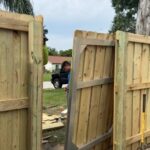
Wood provides excellent privacy and curb appeal, making it one of the most popular residential options in Tampa Bay. However, Florida’s humidity and intense UV exposure mean wood requires regular maintenance including staining, sealing, and repairs.
Factors Affecting Price:
- Type of wood (pine, cedar, pressure-treated)
- Fence height and style
- Decorative elements or lattice work
- Gate options and hardware
Vinyl Fence Costs
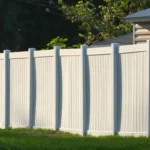
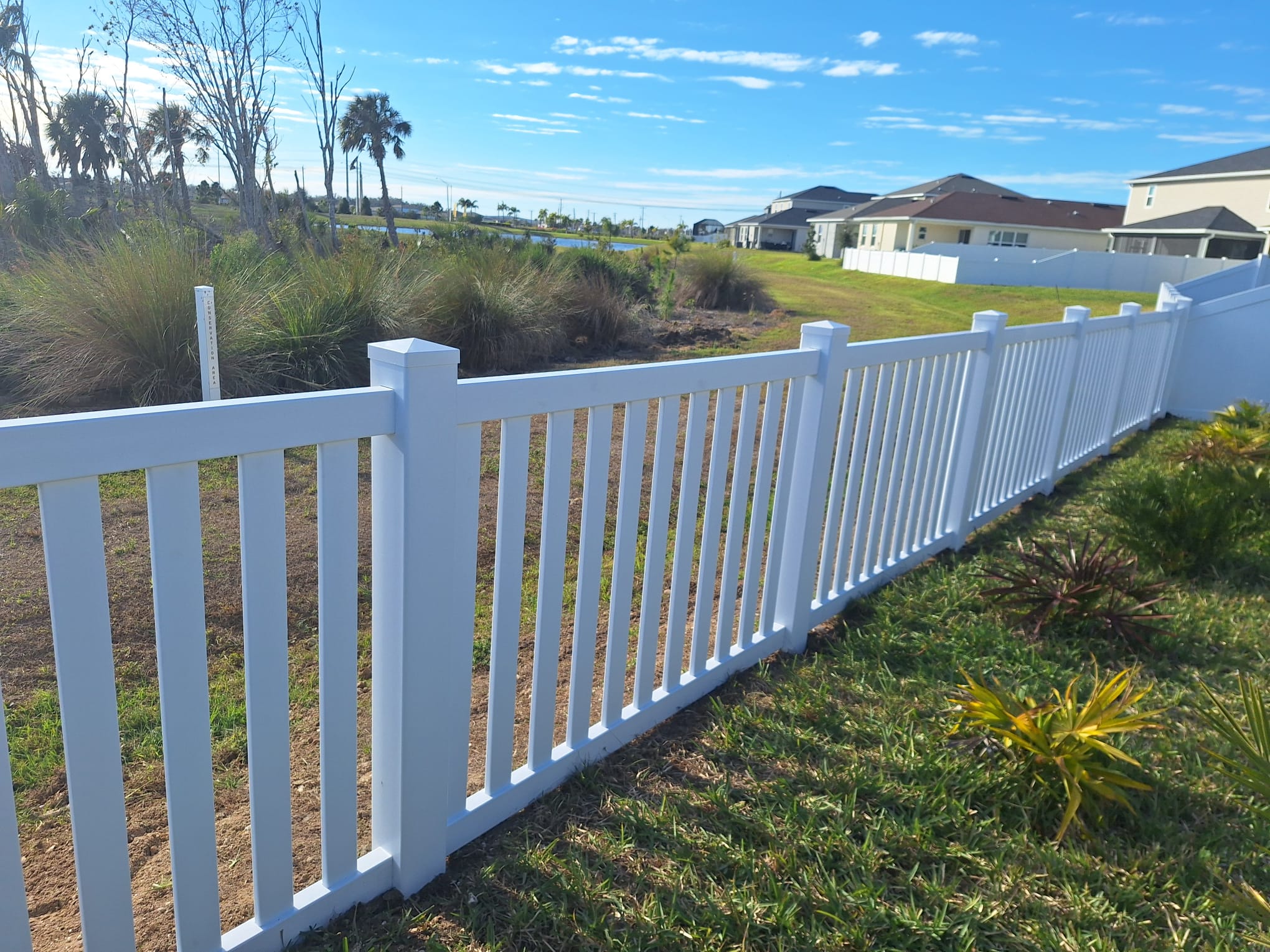
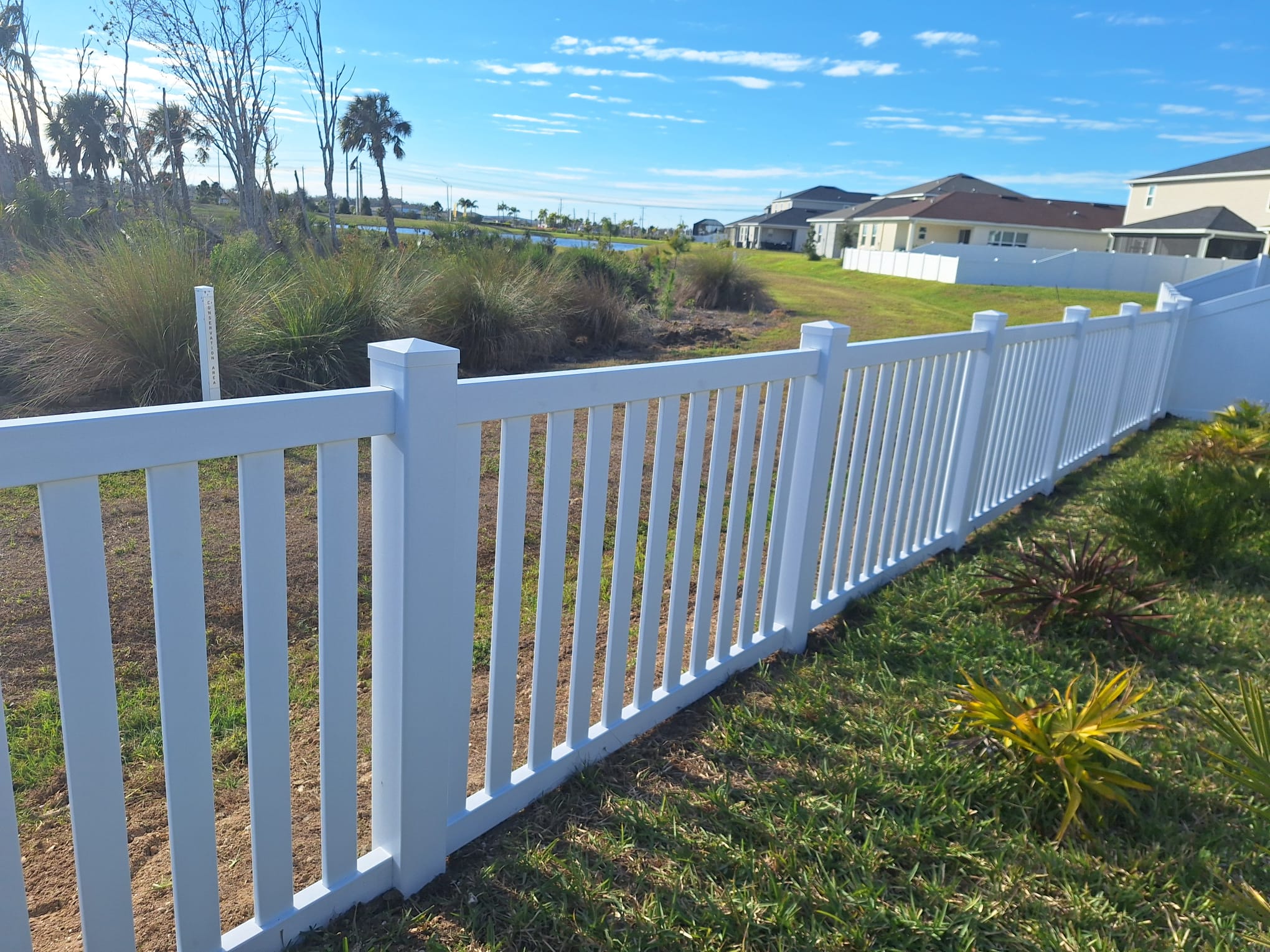
Vinyl has become increasingly popular for residential fences because it combines durability with minimal maintenance.
Cost Per Linear Foot: 40−40 – 40−55 Typical Project Cost (150 feet): 6,000−6,000 – 6,000−8,250
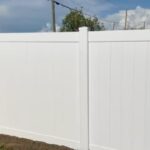
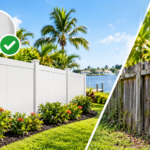
Vinyl fences resist fading, warping, and rot, making them ideal for Florida’s challenging climate. They never require painting, staining, or sealing—just occasional cleaning with soap and water. While the upfront investment is higher, many homeowners find the long-term savings justify the cost.
Factors Affecting Price:
- Vinyl thickness and quality
- Color and finish options
- Height and style variations
- Additional features like wood-grain texturing
Aluminum Fence Costs
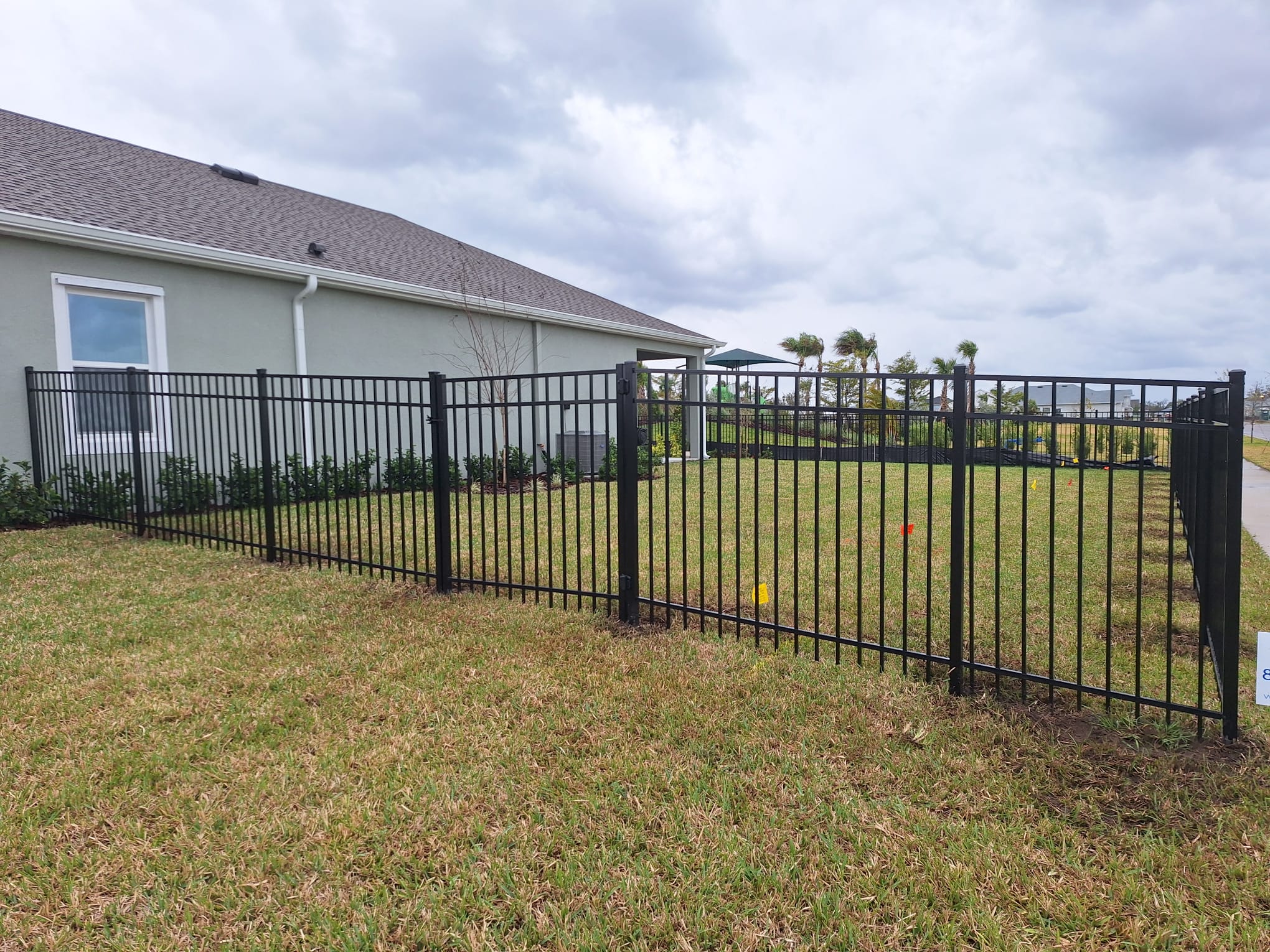
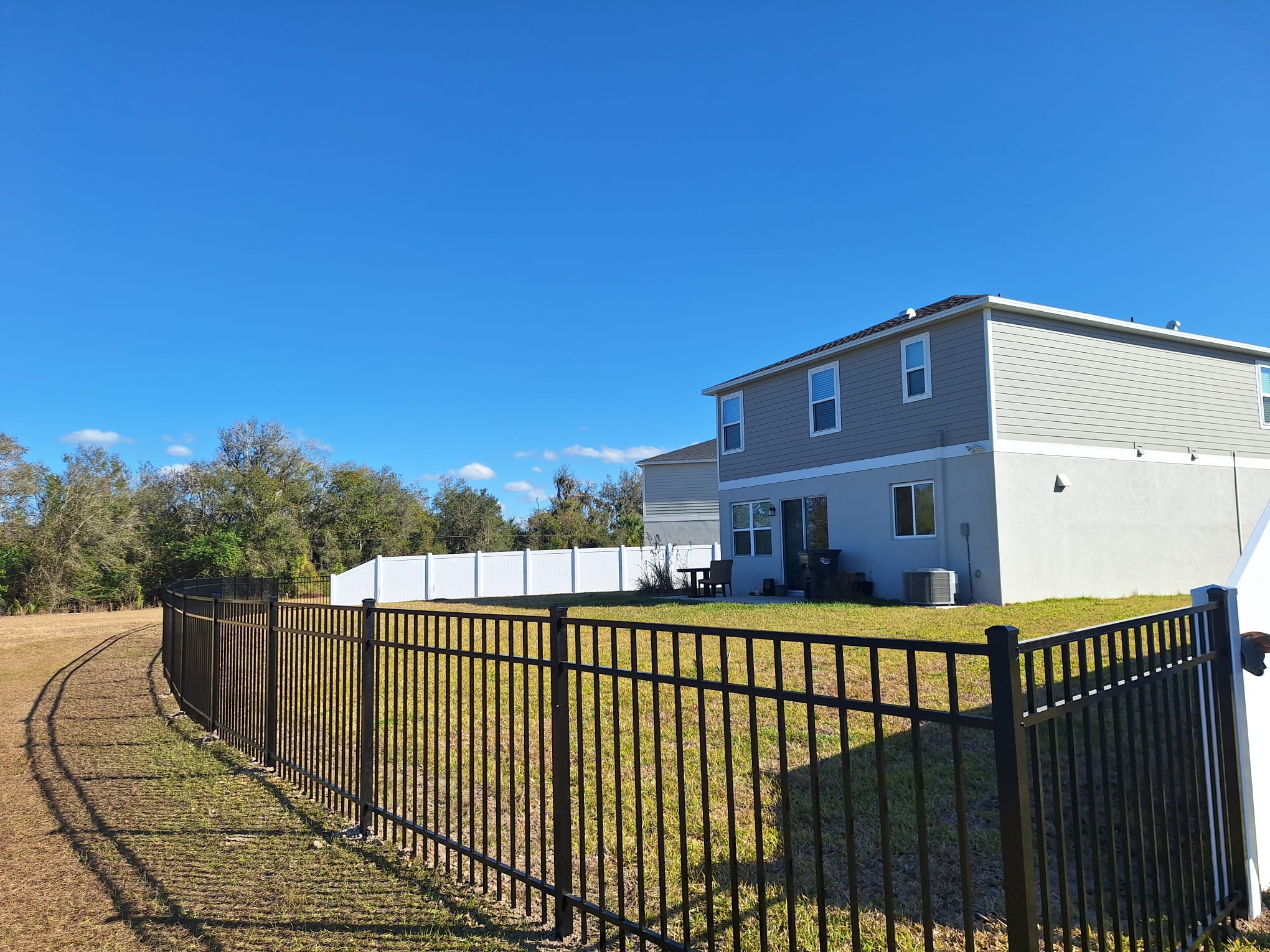
Aluminum offers an elegant, low-maintenance option perfect for homeowners seeking a premium look.
Cost Per Linear Foot: 45−45 – 45−55 Typical Project Cost (150 feet): 6,750−6,750 – 6,750−8,250
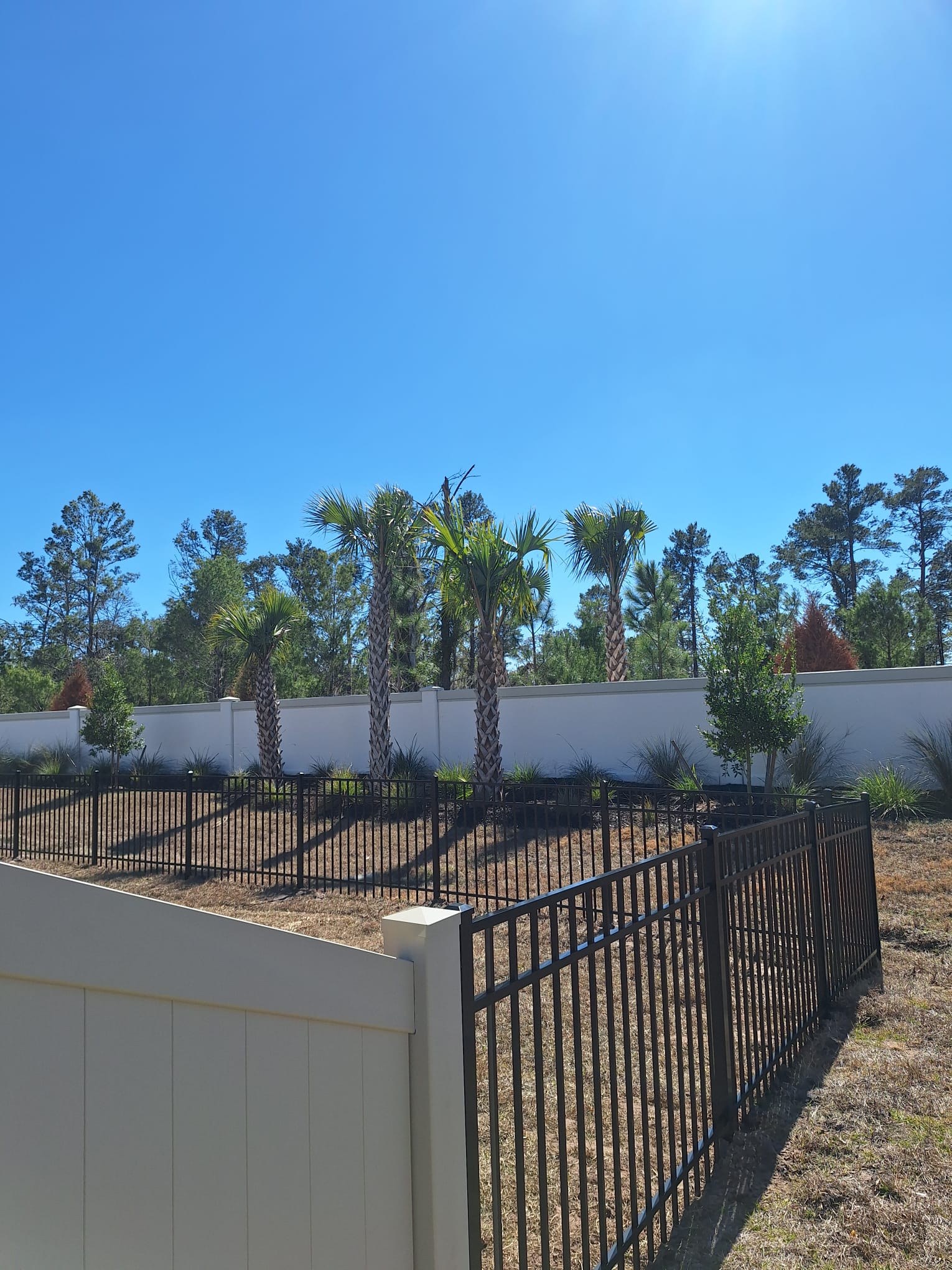
Aluminum fencing is rust-resistant, requires minimal maintenance, and offers a sophisticated appearance. It’s often HOA-approved and comes in various styles from ornamental to contemporary. If you’re interested in this premium option, professional aluminum fence installers near me can provide detailed quotes and design options tailored to your property.
Factors Affecting Price:
- Aluminum thickness and quality
- Design complexity and ornamentation
- Height and width specifications
- Powder-coated finish options
Additional Costs to Consider
Gate Installation
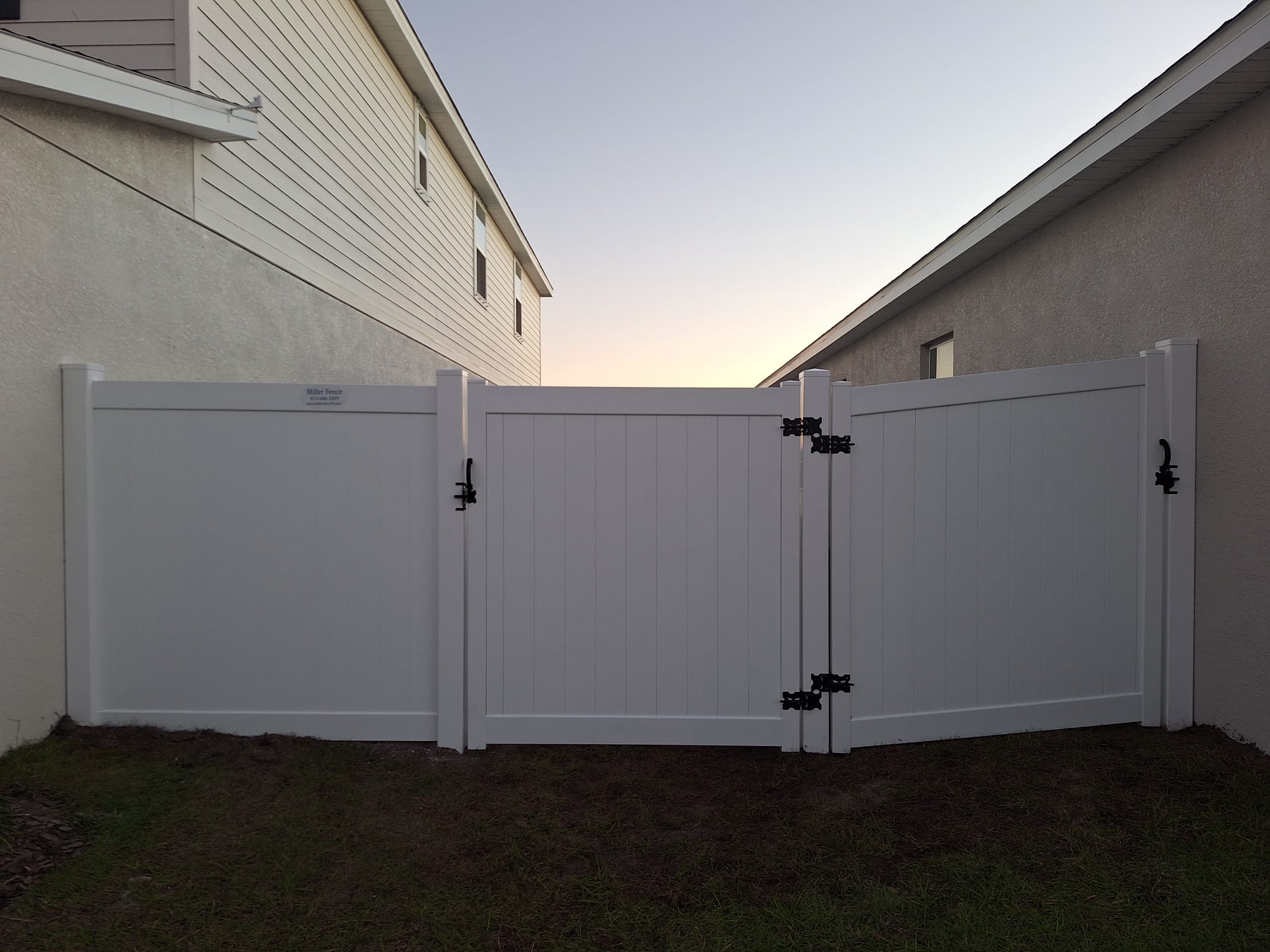
Adding gates to your fence increases the total project cost:
- Single gate: 300−300 – 300−800
- Double gate: 600−600 – 600−1,500
- Automated gate opener: 1,000−1,000 – 1,000−3,000
Permits and Inspections
Tampa Bay requires building permits for residential fence installation:
- Fence permit: 200−200 – 200−400
- Inspection fee: included in permit cost
Site Preparation
If your property requires grading, debris removal, or tree clearing:
- Site preparation: 500−500 – 500−2,000
HOA Approval
If you live in an HOA community, factor in potential review and approval fees:
- HOA application: 25−25 – 25−100
- Plan preparation: 200−200 – 200−500
Post-Installation Staining or Sealing
For wood fences, initial staining or sealing extends lifespan:
- Professional staining: 0.50−0.50 – 0.50−1.50 per linear foot
Factors That Impact Your Residential Fence Cost
Property Size: Larger properties naturally require more materials and labor, increasing total cost.
Terrain and Slope: Sloped or uneven terrain complicates installation and may increase labor costs by 15-25%.
Existing Obstacles: Trees, utilities, or structures near the fence line may require additional work or creative solutions.
Contractor Experience: Experienced, licensed contractors may charge more but typically deliver superior quality and warranty protection.
Seasonal Demand: Spring and summer are peak fencing seasons in Tampa Bay, when contractors may charge premium rates. Installing in fall or winter can sometimes result in better pricing.
Material Quality: Premium grades of materials cost more upfront but often last longer and require less maintenance.
How to Save Money on Your Residential Fence Project
1. Get Multiple Quotes: Request estimates from 3-5 contractors to compare pricing and services.
2. Choose Budget-Friendly Materials: If budget is tight, chain link or pressure-treated wood offer excellent value.
3. Negotiate Installation Costs: Labor is often negotiable, especially during slower seasons.
4. DIY Preparation: Clear the fence line yourself to reduce labor hours.
5. Simplify the Design: Ornamental or complex designs cost more than simple, straight-line installations.
6. Consider Financing: Many contractors offer financing options to spread costs over time.
Typical Project Timeline and Cost Example
150-foot residential fence project:
- Vinyl material: 6,000−6,000 – 6,000−8,250
- Single gate addition: $500
- Permit: $300
- Professional installation: 3-4 days
- Total estimated cost: 6,800−6,800 – 6,800−9,050
Why Professional Installation Matters
While DIY fence installation might seem cost-effective, professional installation offers:
- Proper permits and inspections
- Warranty coverage on workmanship
- Correct slope and drainage to prevent water damage
- Accurate property line placement
- Compliance with Tampa Bay building codes and setback requirements
- Quality that protects your home’s value
Getting Your Free Estimate
The best way to determine the exact residential fence cost for your Tampa Bay property is to request a professional quote. Most reputable contractors offer free, no-obligation estimates that account for your specific property, chosen materials, and local requirements.
When contacting contractors, provide:
- Property address and size
- Desired fence material
- Height and style preferences
- Whether gates are needed
- Any special site considerations
Frequently Asked Questions
A: Chain link fence is the most budget-friendly option at 25−25-25−40 per linear foot. However, vinyl offers the best long-term value because it requires virtually no maintenance despite higher upfront costs (40−40-40−55 per linear foot). Consider your priorities—budget now or savings over time—when choosing your material.
A: Yes. Beyond materials and installation, factor in permits (200−200-200−400), potential site preparation (500−500-500−2,000), gates (300−300-300−1,500), and HOA approval fees (25−25-25−100). If you have trees or utilities near the fence line, additional costs may apply. Always ask contractors for an all-inclusive estimate to avoid surprises.
A: Chain link lasts 15-20 years, wood lasts 15-20 years with maintenance, vinyl lasts 25-30+ years, and aluminum lasts 30+ years. While vinyl and aluminum cost more initially, their longer lifespan means lower replacement costs over decades. A vinyl fence installed today may outlast two chain link replacements, making it more economical long-term.