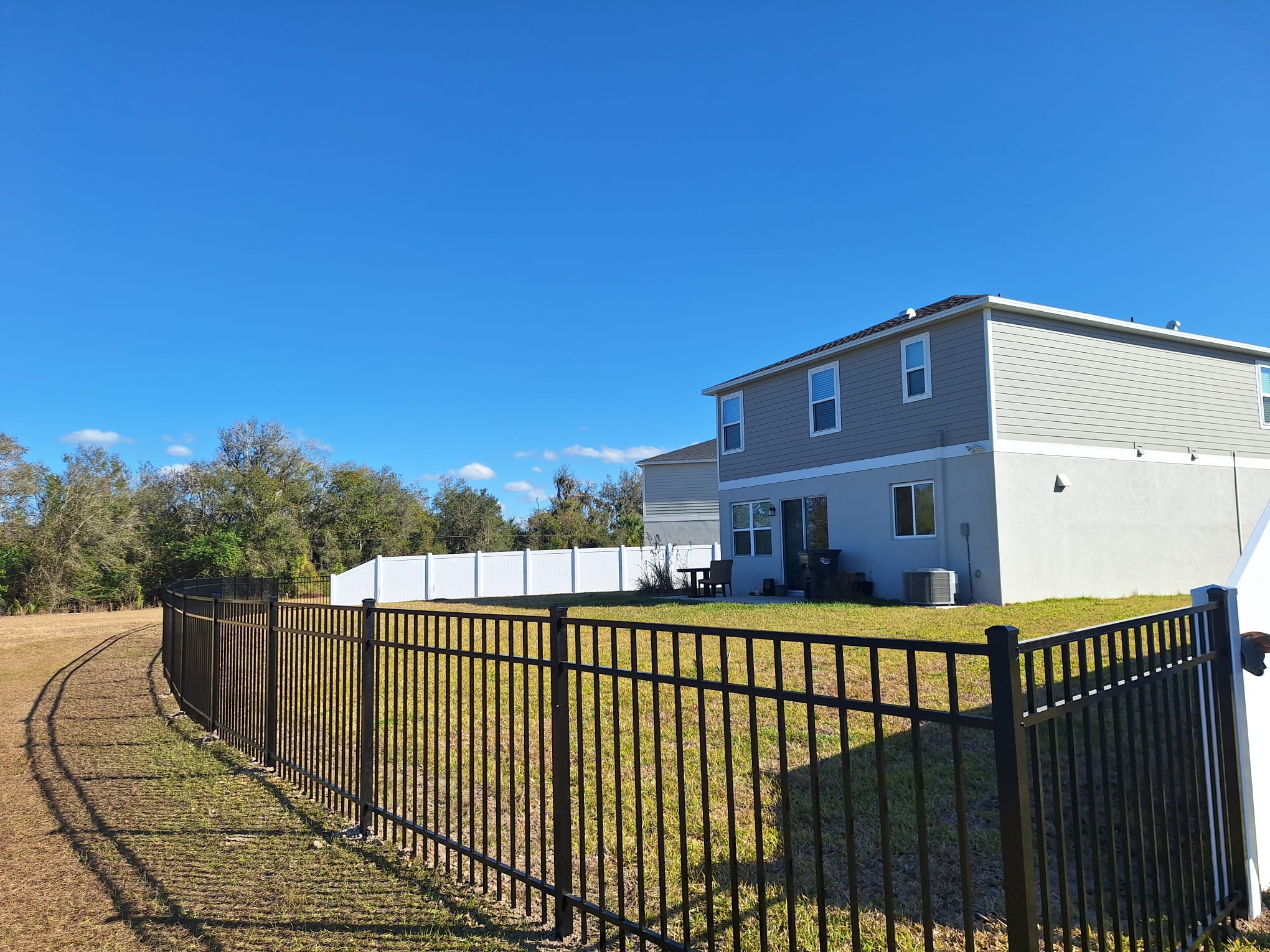
Getting an HOA-Approved Aluminum Fence in Tampa Without the Headache
If you live in a Tampa neighborhood with a homeowners association, you already know that installing a fence isn’t as simple as picking a style and calling a contractor. Most HOAs have strict rules about materials, height, and appearance — and aluminum fencing happens to be one of the few options that checks nearly every box on their approval list.
Whether you’re fencing in a pool, defining your property line, or just want more privacy and curb appeal, an HOA-approved aluminum fence in Tampa is one of the smartest investments you can make. This guide walks you through why aluminum fencing works so well for HOA communities, how to navigate the approval process, and what to expect in terms of cost and installation.
Why Aluminum Fencing Is a Favorite in HOA Communities
Aluminum fencing has become the go-to choice for Tampa homeowners dealing with HOA restrictions, and for good reason.
It Looks Upscale Without the Upkeep
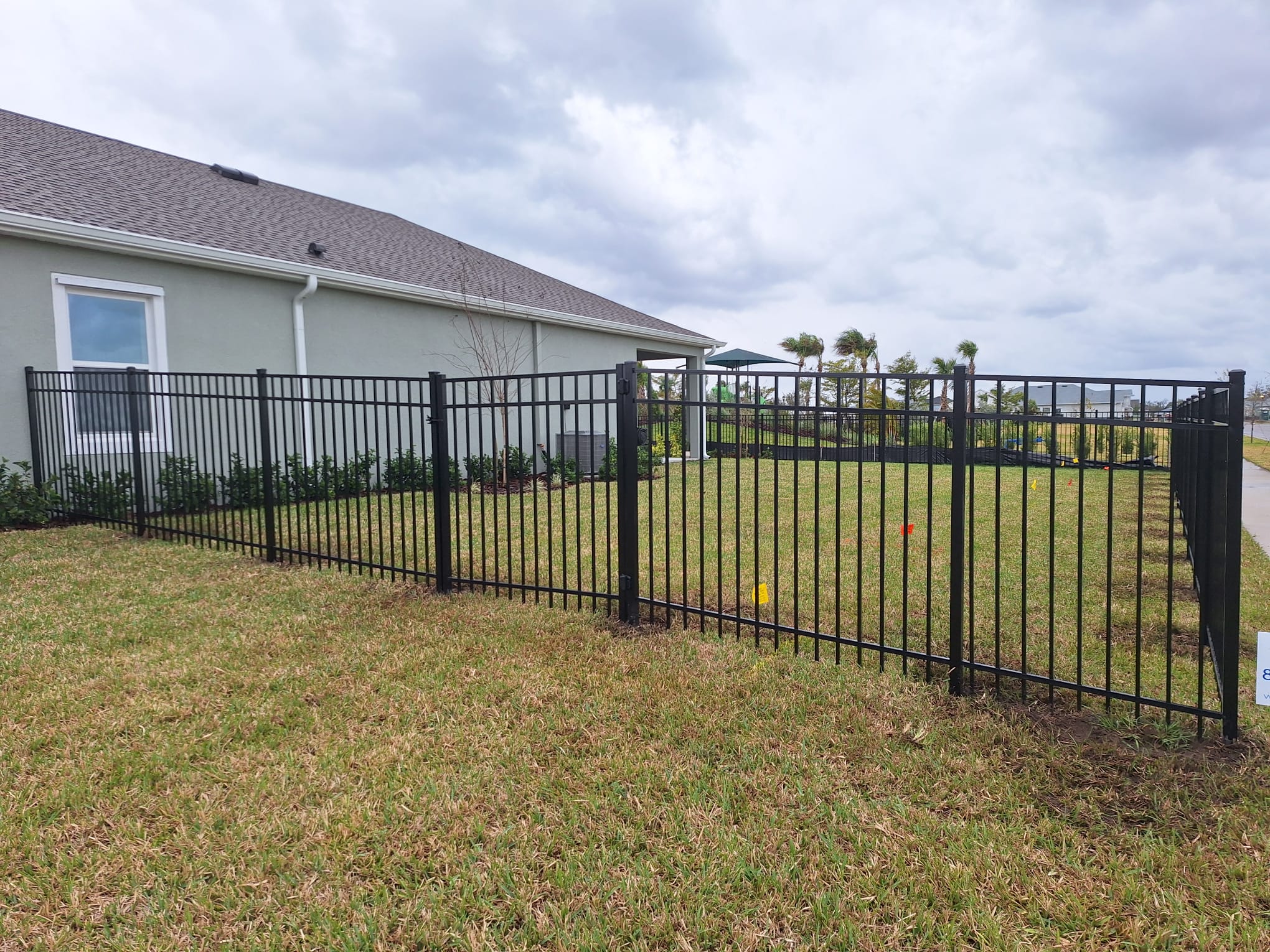
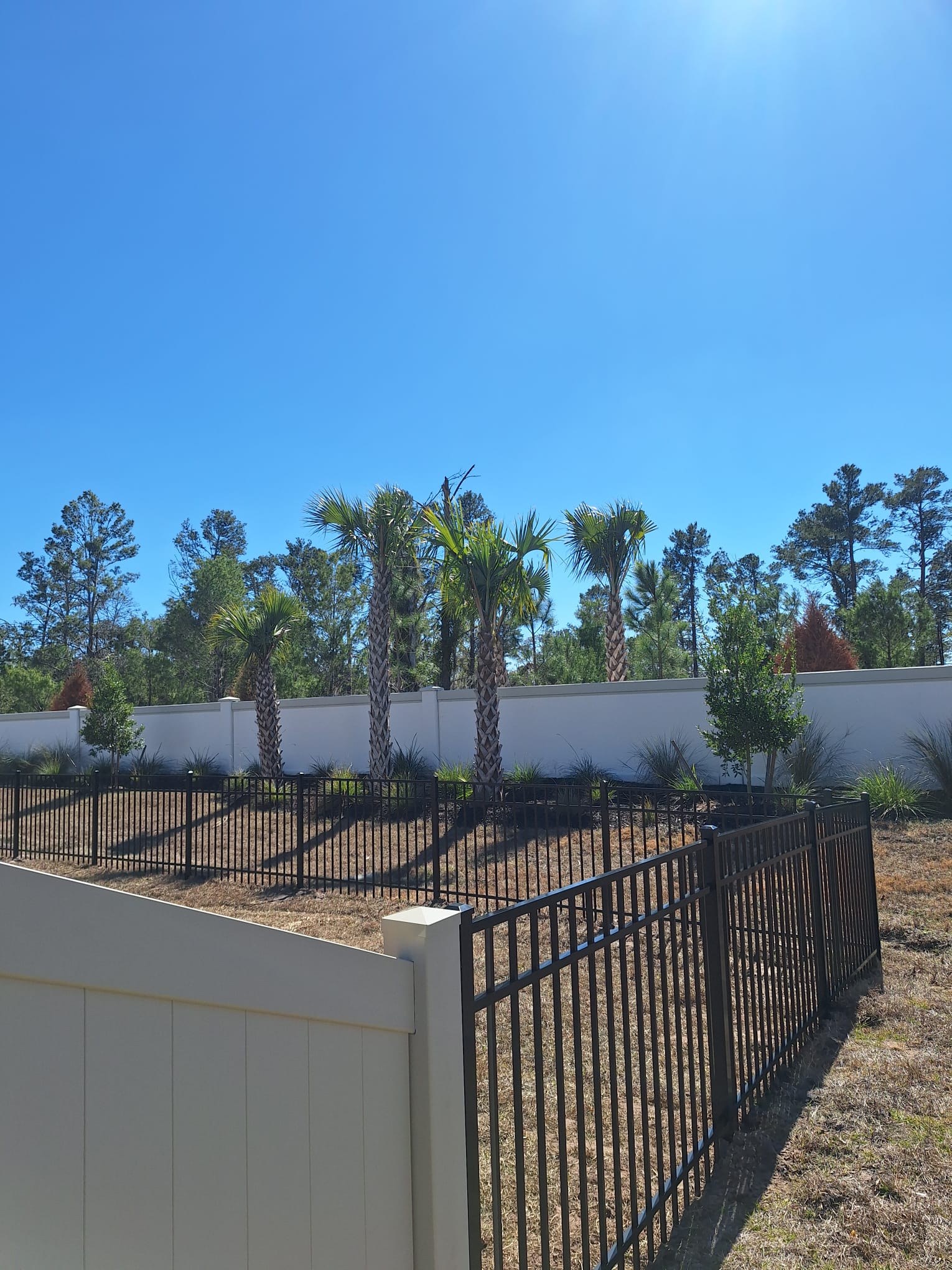
Aluminum fences mimic the classic elegance of wrought iron but without the rust, chipping paint, or heavy maintenance. For HOAs focused on maintaining a cohesive, high-end aesthetic throughout the community, that clean and consistent look is a huge selling point.
It Meets Florida’s Weather Demands
Tampa’s humidity, salt air, and intense sun can wreak havoc on lower-quality fencing materials. Aluminum won’t rust, warp, fade, or rot — making it one of the most durable options for Florida’s climate.
It’s Pool-Code Friendly
Many Tampa HOAs require pool enclosures to meet specific safety codes, and aluminum fencing is often pre-approved because it’s easy to build to code height (typically 48–54 inches) with self-closing, self-latching gates.
It Comes in HOA-Friendly Styles
Aluminum fencing is available in several finishes and profiles — flat top, spear top, puppy-picket, and more — many of which align directly with common HOA design guidelines.
What Tampa HOAs Typically Look For in Fence Approval
Before you invest in materials or installation, it helps to understand what most Tampa-area HOAs are checking for when they review a fence application:
- Material restrictions – Many communities prohibit chain-link or vinyl but approve aluminum and wrought iron.
- Height limits – Front yard fences are often capped around 36–48 inches, while backyard and pool fences may go up to 54–72 inches.
- Color requirements – Black is the most commonly approved color, though bronze and other neutral tones are sometimes allowed.
- Setback rules – Fences typically need to sit a specific distance from the property line or sidewalk.
- Style consistency – Some HOAs require a specific picket spacing or top style to match neighborhood standards.
Because these rules vary by community, always request your HOA’s architectural guidelines (sometimes called ARC guidelines) before finalizing your fence design.
How to Get Your Aluminum Fence Approved by Your HOA
Getting HOA approval doesn’t have to be a drawn-out process if you follow these steps.
1. Request the Architectural Review Guidelines
Contact your HOA management company or board and ask for the current fence specifications. This document usually outlines approved materials, heights, and colors.
2. Choose a Compliant Aluminum Fence Style
Work with a local fencing company that’s familiar with Tampa HOA requirements. Many reputable installers keep a library of pre-approved styles for popular communities.
3. Submit a Detailed Application
Most HOAs require:
- A site plan or property survey showing fence placement
- Product specifications (height, color, style, material)
- Sometimes a photo or rendering of the proposed fence
4. Wait for Written Approval
Never install a fence based on verbal approval alone. Always get written confirmation before construction begins — this protects you if there’s ever a dispute.
5. Schedule Installation
Once approved, a professional installer can typically complete a standard aluminum fence project within a few days, depending on yard size and terrain.
How Much Does an HOA-Approved Aluminum Fence Cost in Tampa?
Pricing varies based on style, height, and property size, but here’s a general breakdown homeowners can expect in the Tampa area:
- Basic 3-rail aluminum fence: Around $25–$35 per linear foot installed
- Pool-code aluminum fencing: Around $30–$45 per linear foot installed
- Decorative or ornamental styles: Can run $40–$60+ per linear foot
Factors that affect cost include gate hardware, terrain grading, fence height, and whether the project requires additional permitting beyond HOA approval (such as a city pool permit).
Choosing the Right Installer for HOA Projects
Not every fencing contractor understands the nuances of HOA compliance. When hiring, look for a company that:
- Has direct experience installing fences in Tampa HOA communities
- Can provide samples or catalogs of pre-approved styles
- Offers to help prepare or review your HOA application
- Provides a written warranty on materials and labor
- Is licensed and insured in Hillsborough or Pinellas County
A knowledgeable installer can save you weeks of back-and-forth with your HOA board by getting the application right the first time.
An HOA-approved aluminum fence is one of the best ways for Tampa homeowners to add security, privacy, and curb appeal while staying fully compliant with community guidelines. Because aluminum fencing is durable, low-maintenance, and available in classic styles that most HOAs already favor, it’s often the path of least resistance when it comes to approval.
The key to a smooth process is doing your homework upfront — understanding your HOA’s specific rules, choosing a compliant style, and working with an installer who knows how to navigate local approval requirements.
Ready to upgrade your property with a fence that’s built to last and easy to get approved? Reach out to a local Tampa fencing specialist today for a free quote and guidance through the HOA approval process.
Frequently Asked Questions
Most Tampa HOAs allow aluminum fencing because it meets common aesthetic and durability standards, but every community has its own guidelines. Always check your specific HOA’s architectural review requirements before purchasing materials.
Approval times vary, but most HOAs respond within 2–4 weeks. Submitting a complete application with a site plan and product specs upfront can help speed up the process.
Yes. Aluminum fencing is a popular choice for pool enclosures because it can be built to meet Florida pool safety codes, resists rust and corrosion, and is available with self-latching gate hardware required by many local ordinances.