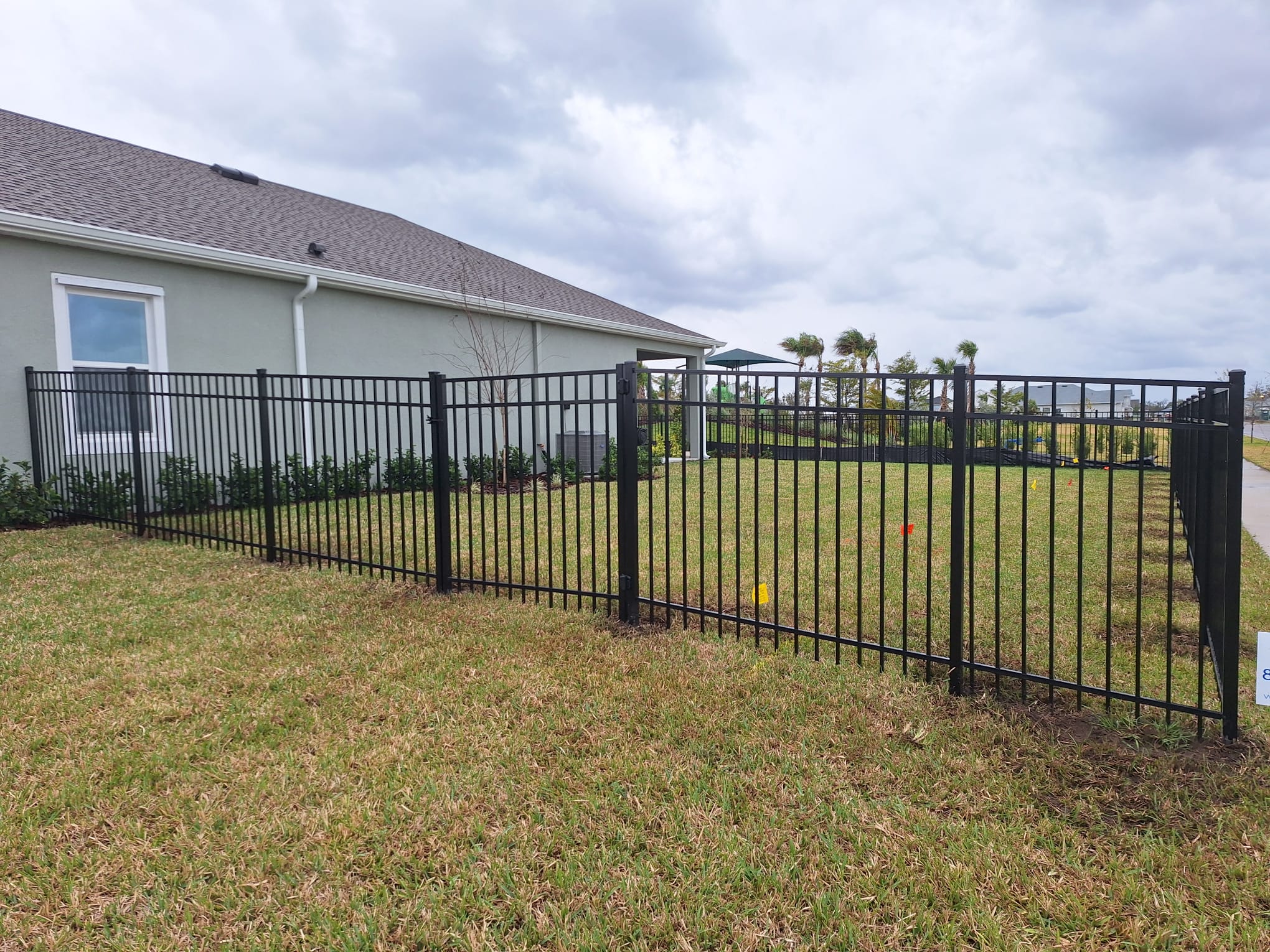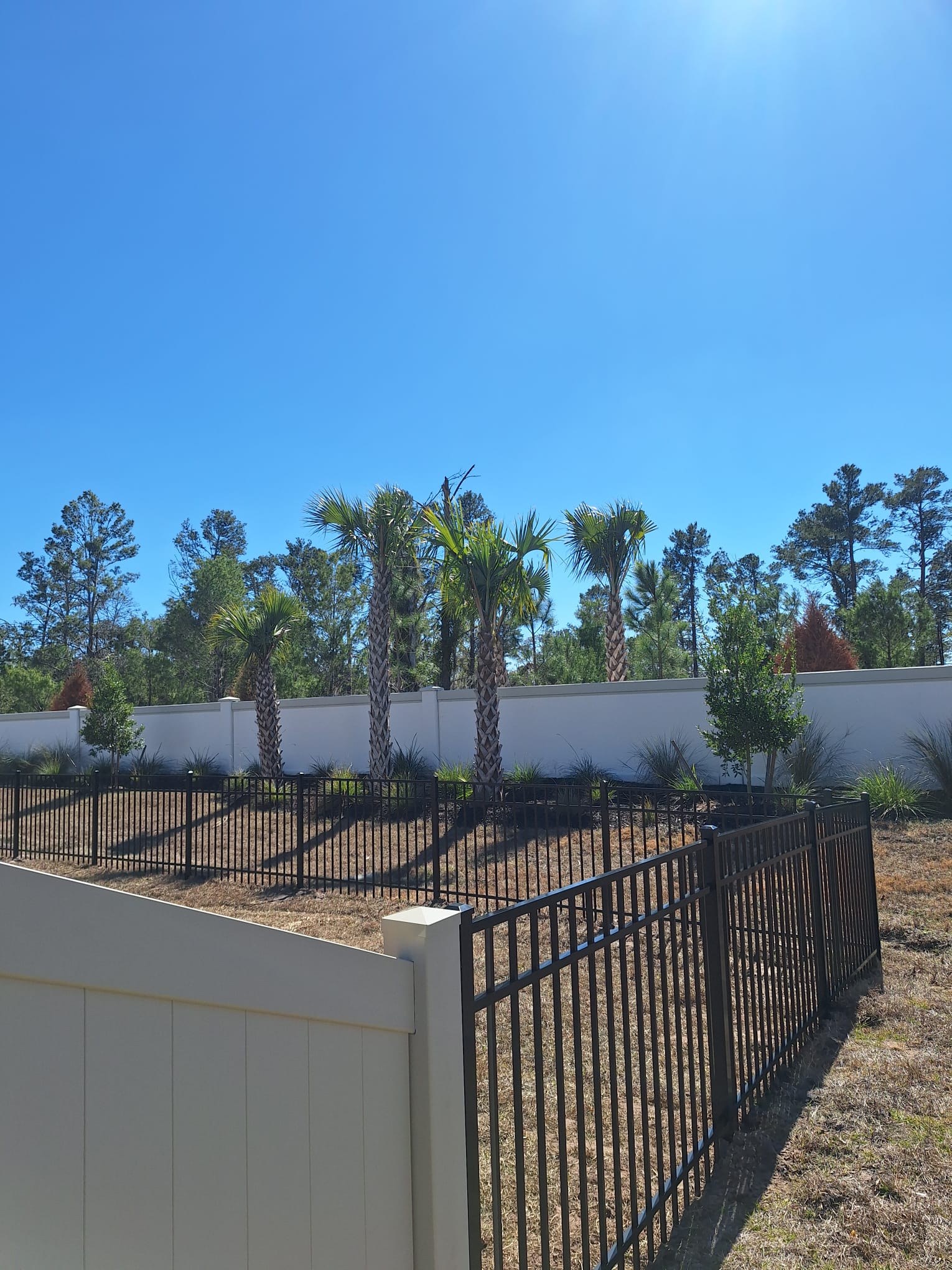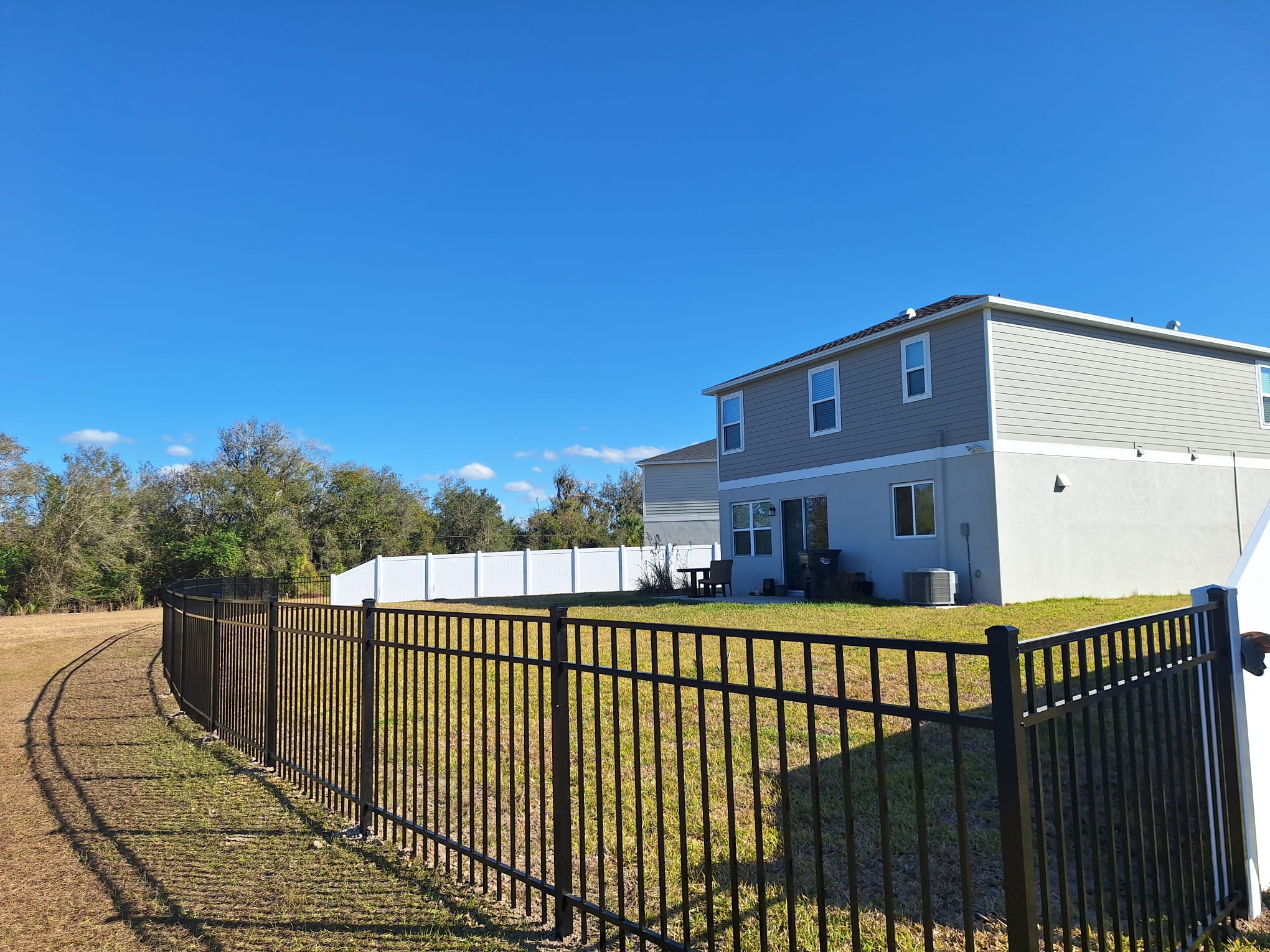
Choosing the right fencing for your home is one of the most impactful decisions you’ll make when it comes to enhancing your property’s curb appeal and functionality. When it comes to best wood fence styles for residential properties, homeowners have numerous options that blend aesthetics, durability, and value. Whether you’re looking to define your property boundaries, increase privacy, or create a charming outdoor space, understanding the different wood fence styles available can help you make an informed decision. From classic designs that have stood the test of time to modern interpretations that complement contemporary architecture, wood fencing remains one of the most popular choices for residential properties. If you’re in the Tampa area, professional installation services can help bring your vision to life.
Why Wood Fencing Remains a Top Choice
Wood has been a preferred fencing material for centuries, and for good reason. It offers natural beauty that complements virtually any architectural style, from traditional homes to modern residences. Wood fencing provides excellent value, with options available at various price points to fit different budgets. Additionally, wood fences can be customized with different stains, paints, and designs to match your personal style.
The versatility of wood fencing makes it ideal for multiple purposes. Whether you need privacy screening, decorative fencing, pet containment, or boundary definition, there’s a wood fence style that meets your needs. Professional installation ensures your fence stands up to the elements and lasts for years to come.
Classic Picket Fences
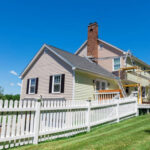
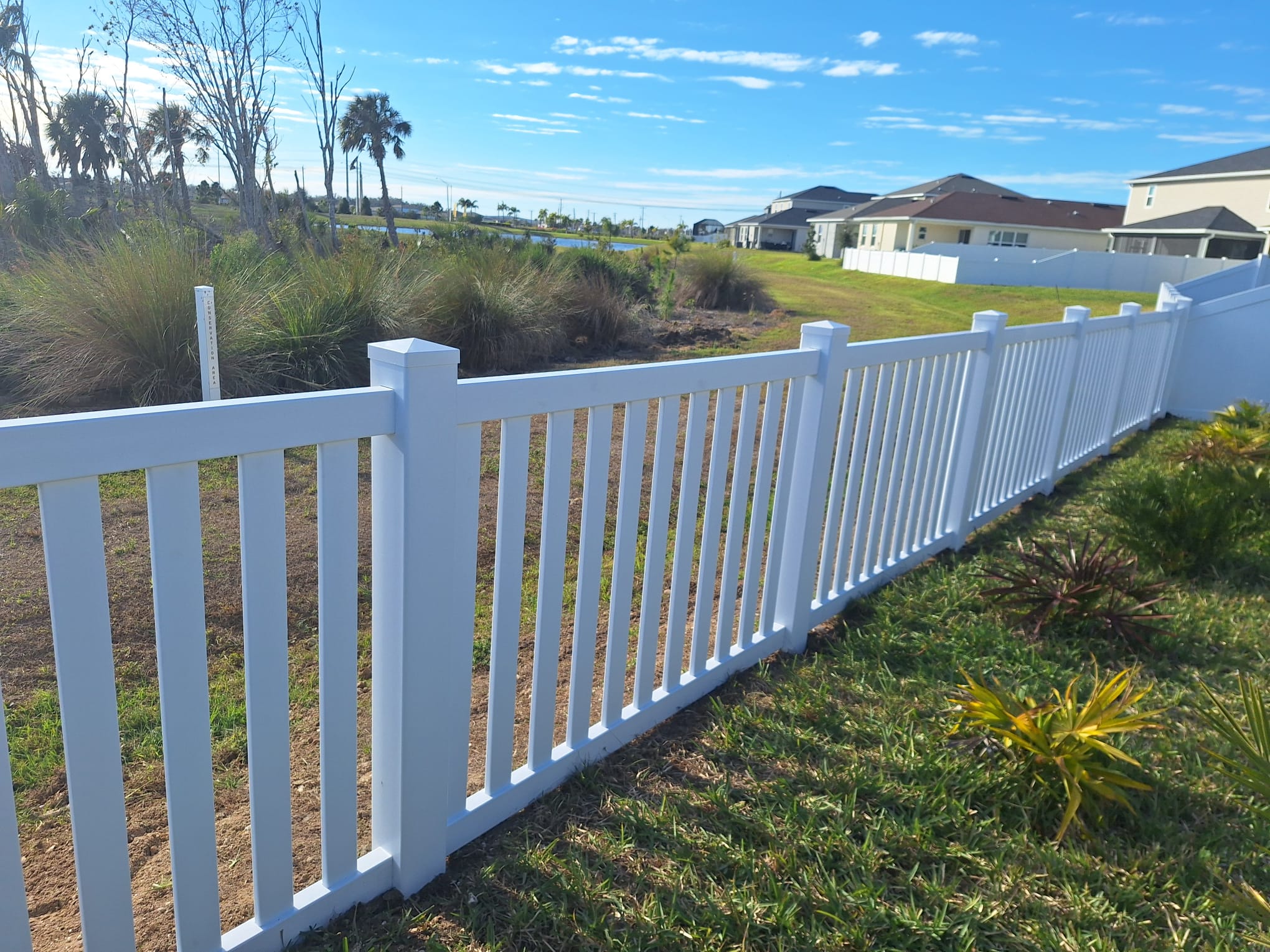
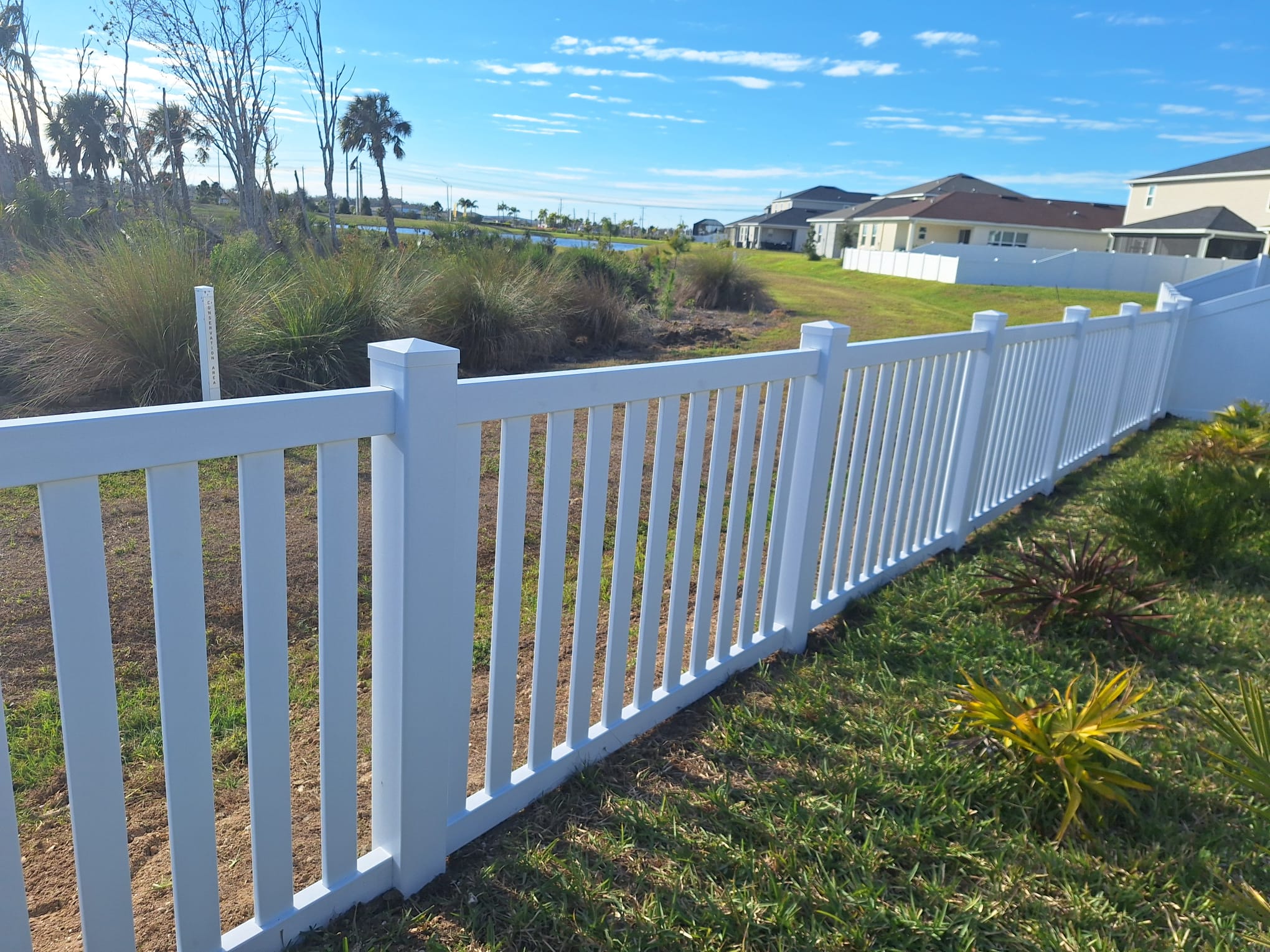
The picket fence is perhaps the most iconic residential fence style, instantly evoking charm and quintessential American suburban appeal. Characterized by evenly spaced vertical boards (pickets) attached to horizontal rails, picket fences are typically shorter in height—usually between 3 and 4 feet—making them perfect for front yards.
Picket fences come in various designs, from simple straight-top pickets to decorative styles featuring Victorian details, Gothic points, or scalloped tops. The space between pickets can also vary, creating different visual effects and levels of privacy. White painted picket fences remain the most traditional choice, though contemporary homeowners often opt for natural wood stains or bold colors to match their home’s exterior.
Privacy Fences
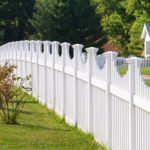
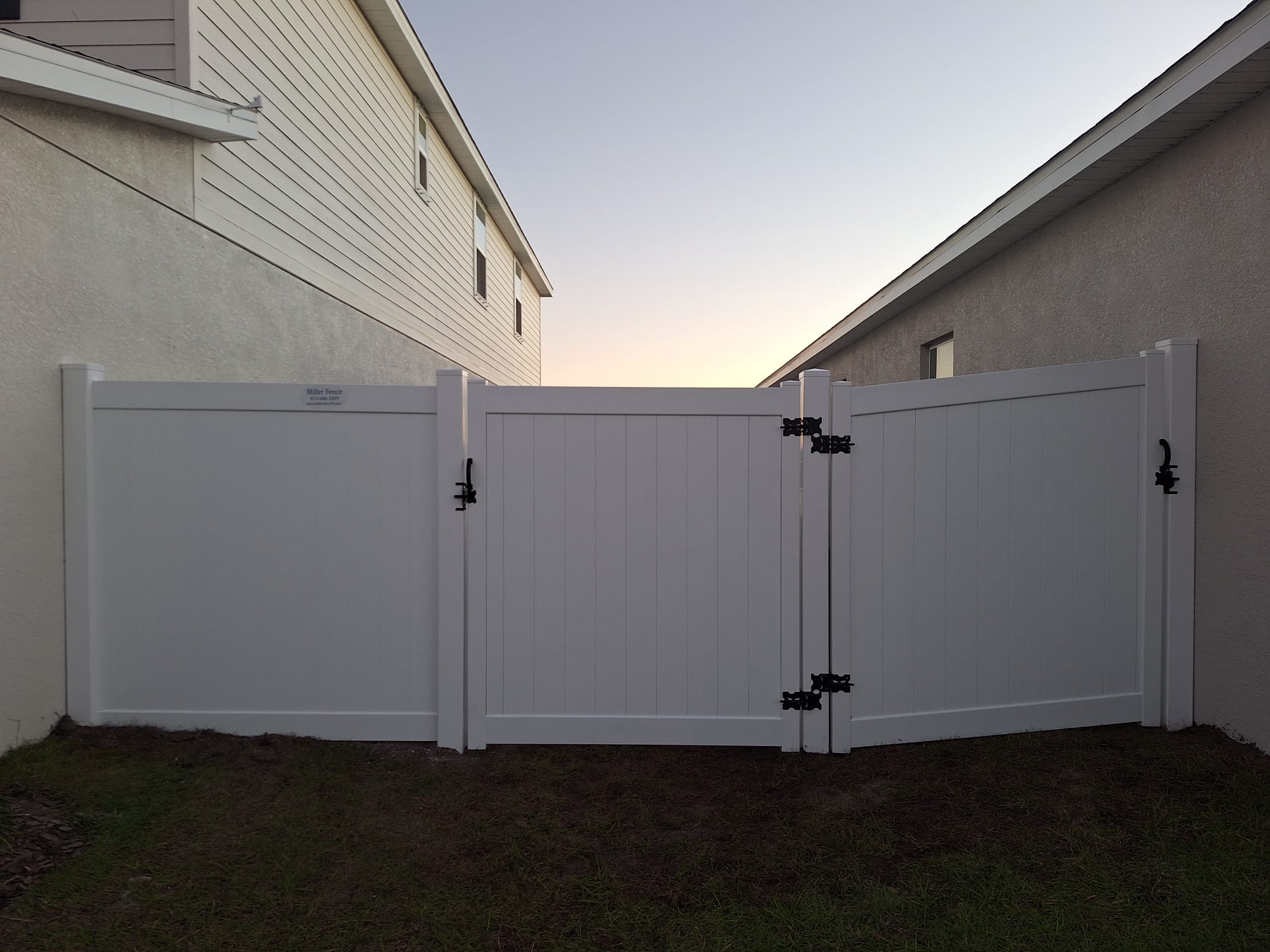
Privacy fences are designed specifically to block the view from outside your property, making them ideal for creating secluded backyard spaces. Typically standing 6 to 8 feet tall, privacy fences feature boards that are placed closely together or overlap to eliminate gaps. The most common privacy fence styles include solid board-on-board and stockade designs.
Board-on-board fencing alternates boards on both sides of the fence, creating a shadowbox effect that’s both functional and visually interesting. Stockade fences feature boards placed side-by-side with a slight overlap, providing complete privacy while maintaining a cleaner appearance. Both styles can be stained or painted to complement your home’s color scheme and landscaping.
Modern and Contemporary Designs
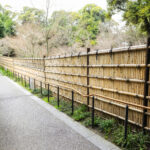
For homeowners with modern architectural preferences, contemporary wood fence styles offer clean lines and minimalist aesthetics. Horizontal slat fences have gained significant popularity in recent years, featuring boards running horizontally across the fence frame. This design creates a sophisticated, streamlined appearance while still providing privacy and durability.
Modern wood fences often incorporate mixed materials, combining wood with metal accents, composite elements, or horizontal cables for added visual interest. These designs work exceptionally well with modern homes featuring flat roofs, large windows, and open living spaces. The horizontal lines complement these architectural features while creating visual continuity throughout your property.
Decorative and Semi-Privacy Fences
If you want a middle ground between complete privacy and open visibility, decorative and semi-privacy fences offer the perfect solution. These styles include lattice top fences, which combine solid lower boards with decorative lattice panels at the top, allowing light and air circulation while maintaining some level of privacy.
Stepped or scalloped board fences create visual interest through varying board heights, making them an excellent choice for properties with natural slope or grade changes. These designs add architectural detail to your landscape while maintaining functionality. Decorative fences often feature ornamental details, patterns, or cutouts that make them ideal for front yards where aesthetics are paramount.
Ranch and Split Rail Fences
Ranch and split rail fences offer a rustic, countryside aesthetic that works beautifully on larger residential properties or homes in rural settings. Split rail fences feature horizontal rails fitted into vertical posts, creating an open design that defines property boundaries without blocking views or creating a sense of enclosure.
Ranch-style fences are similar but typically feature additional rails and a more finished appearance. These styles are excellent for properties with beautiful scenery, as they frame rather than obstruct views. They also work well if you have horses or other livestock, providing safe containment while maintaining an open, pastoral feeling.
Composite and Hybrid Fence Options
While not entirely wood, composite and hybrid fence styles combine wood with other materials for enhanced durability and lower maintenance. Wood-composite boards mixed with traditional wood frames offer the beauty of natural wood with improved weather resistance and longevity.
These options are particularly popular in humid climates like Florida, where moisture and heat can take a toll on traditional wooden fences. For residents seeking a tampa fl wood fence solution, hybrid options provide an excellent balance between authentic wood aesthetics and modern durability standards.
Choosing the Right Style for Your Home
Selecting the best wood fence style depends on several factors: your home’s architectural style, your primary fencing goals (privacy, aesthetics, or boundary definition), your budget, and your local climate. Consider how the fence will complement your landscape design and home exterior. Think about maintenance requirements—some styles need more frequent staining or painting than others.
Professional installers can provide valuable guidance based on their experience with residential properties in your area. They understand local building codes, soil conditions, and weather patterns that affect fence longevity and performance.
Maintenance and Longevity
Proper maintenance extends your wood fence’s lifespan significantly. Regular cleaning, staining or painting, and inspection for damage help protect your investment. Wood fences typically last 15-20 years with proper care, though some may extend beyond this with meticulous maintenance.
Most wood fences require staining or painting every 2-3 years, depending on your local climate and weather conditions. In areas with intense sun, heavy rain, or extreme temperature fluctuations, you may need to refresh the finish more frequently. Regular maintenance extends your fence’s life and maintains its appearance.
Board-on-board fences alternate boards on both sides of the rails, creating a shadowbox effect with visible gaps. Stockade fences feature boards placed side-by-side with slight overlaps, eliminating gaps for complete privacy. Board-on-board offers a more contemporary look, while stockade provides traditional privacy fencing.
Quality wood fences can withstand various weather conditions, especially when properly installed and maintained. Selecting appropriate wood species for your climate, applying protective finishes, and ensuring proper drainage around fence posts significantly improve durability. In areas with extreme weather, composite or hybrid options may provide better long-term performance.