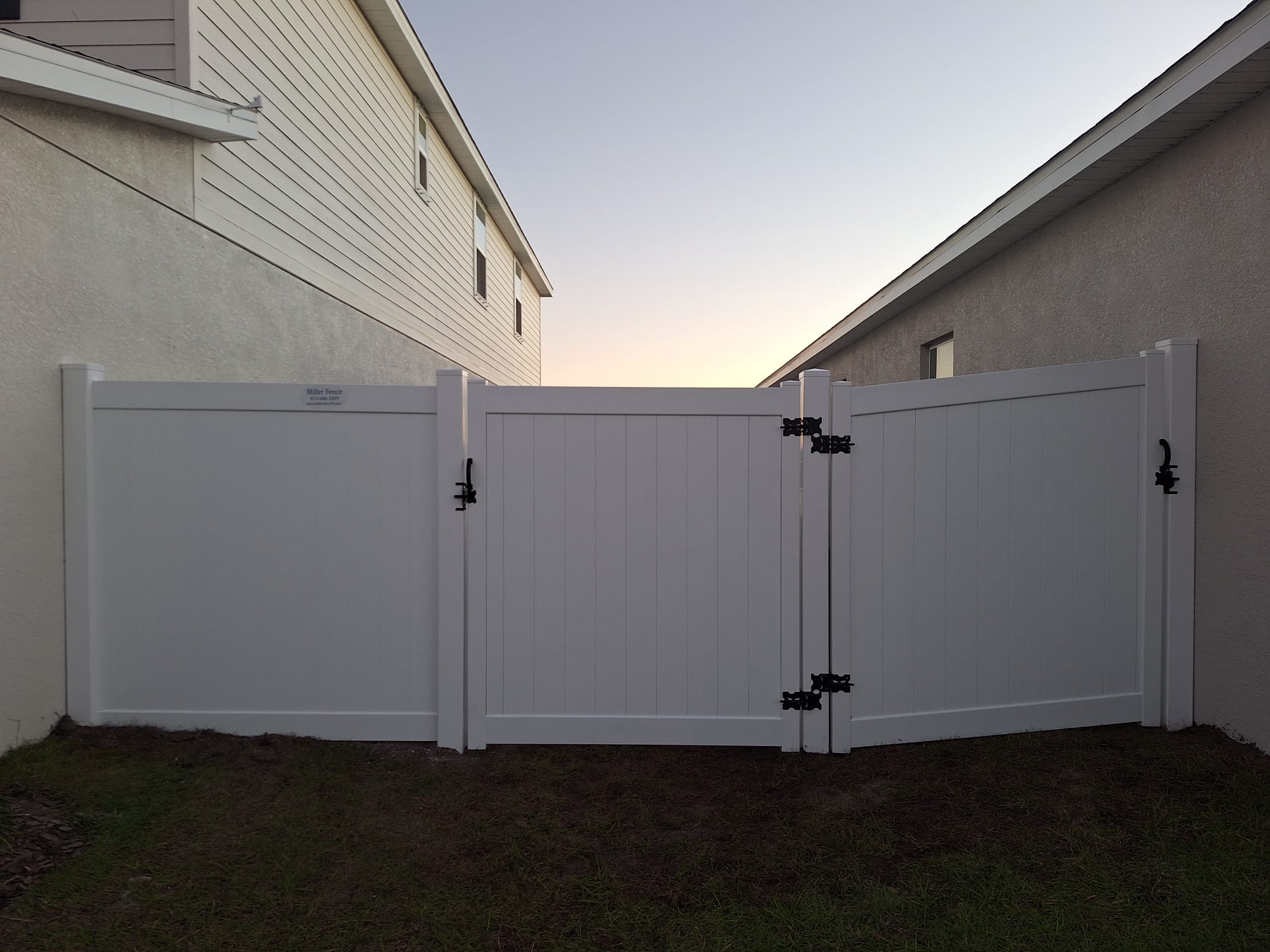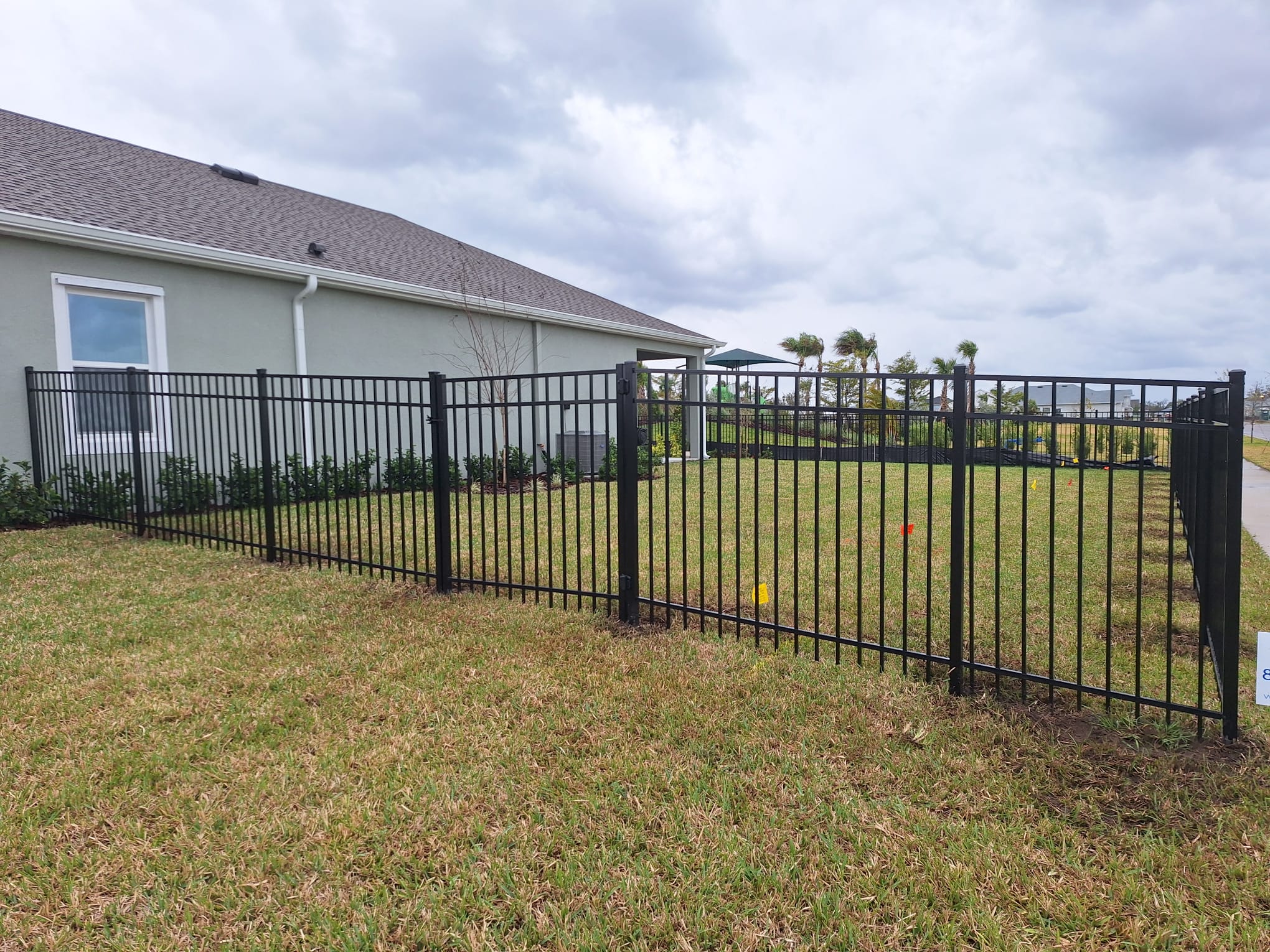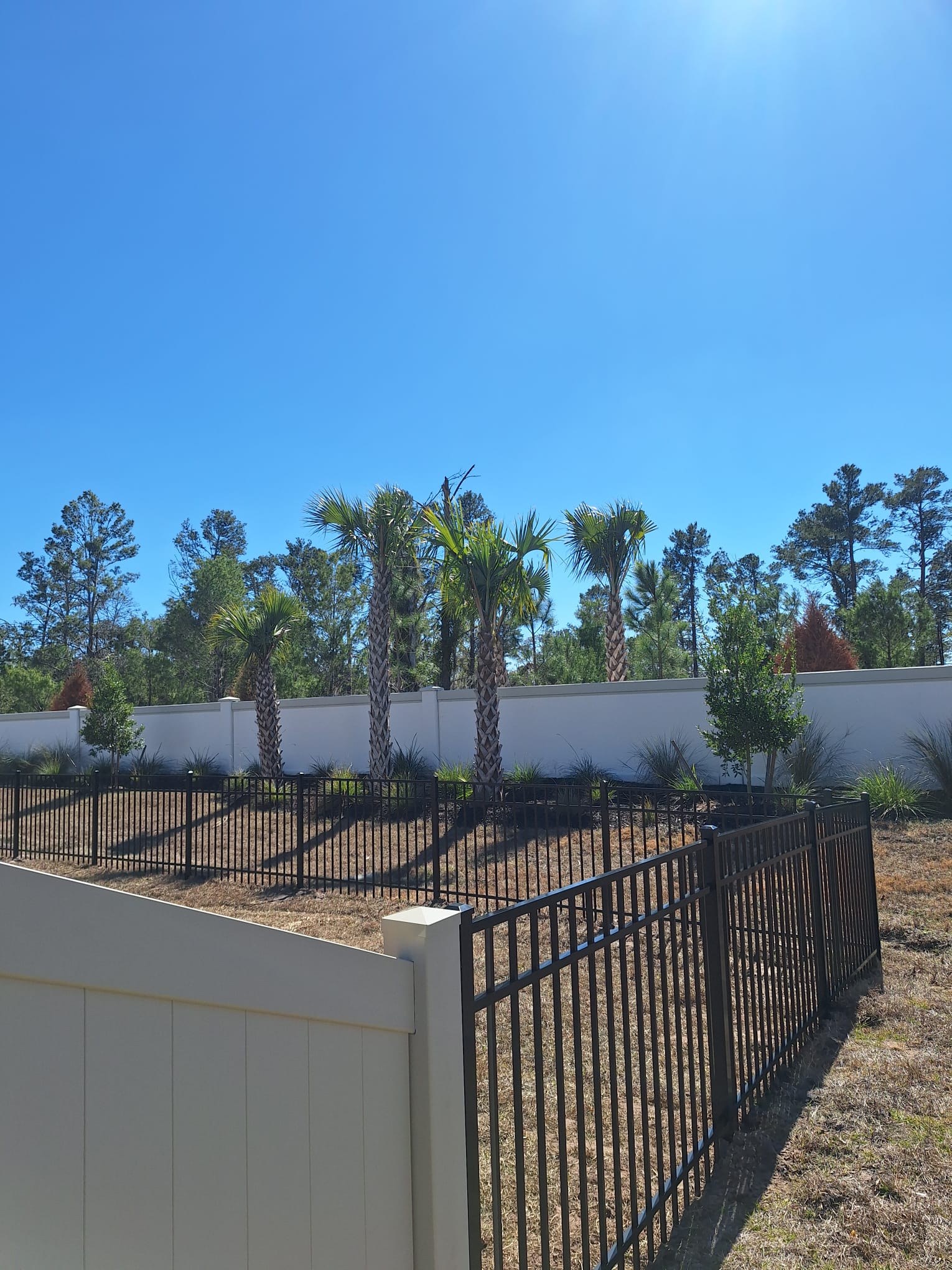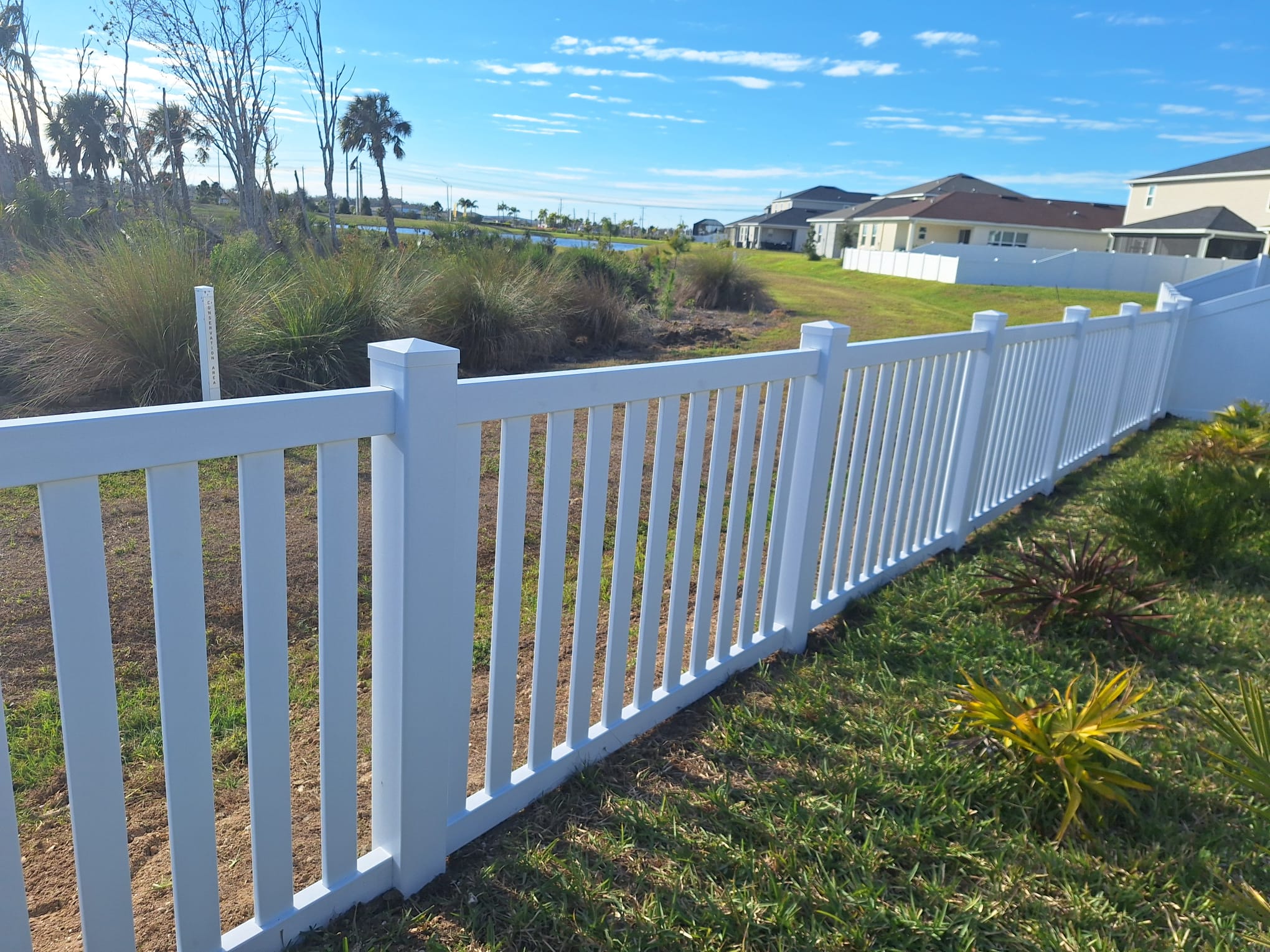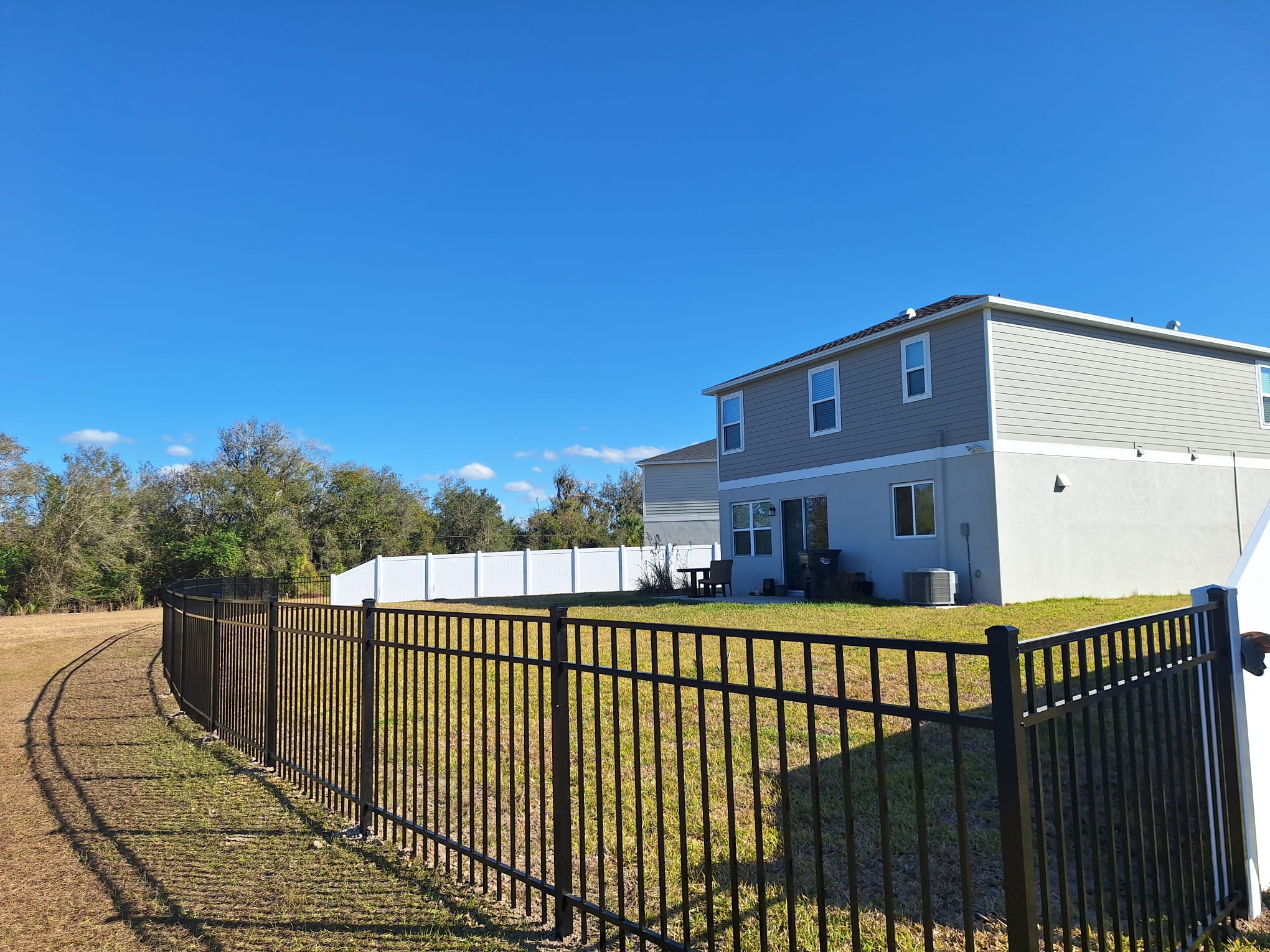
You’ve picked a style, gotten a quote, and you’re ready to enclose your yard. Then you remember your HOA. In Tampa’s many planned communities, a fence is rarely just a fence. It’s an architectural change that usually needs written approval first.
Understanding HOA fence requirements in Tampa before you spend money can save you from denied applications, fines, or an order to tear down a brand-new fence. This guide covers what HOAs typically regulate, how approval works, how it fits with city and county permits, and how to avoid common mistakes.
Why HOAs Regulate Fences in Tampa
Most Tampa-area HOAs are governed by a recorded declaration of covenants and restrictions (often called CC&Rs), plus architectural guidelines. These documents exist to keep the neighborhood consistent and protect property values. Because they’re recorded against your property, they bind you automatically when you buy.
Florida’s HOA law, Chapter 720 of the Florida Statutes, gives associations the authority to enforce these covenants and to require approval for exterior changes. So if your community has an architectural review requirement, you generally can’t skip it, even if your fence would be perfectly legal under city rules.
Common HOA Fence Requirements in Tampa
Every community is different, and your own documents always control. Still, most rules fall into a few familiar categories.
Height Limits
- Backyard fences: Often capped at 4 to 6 feet.
- Front yard fences: Frequently restricted to 3 to 4 feet, or banned entirely.
- Corner lots: Often have extra limits to keep sightlines clear.
Approved Materials
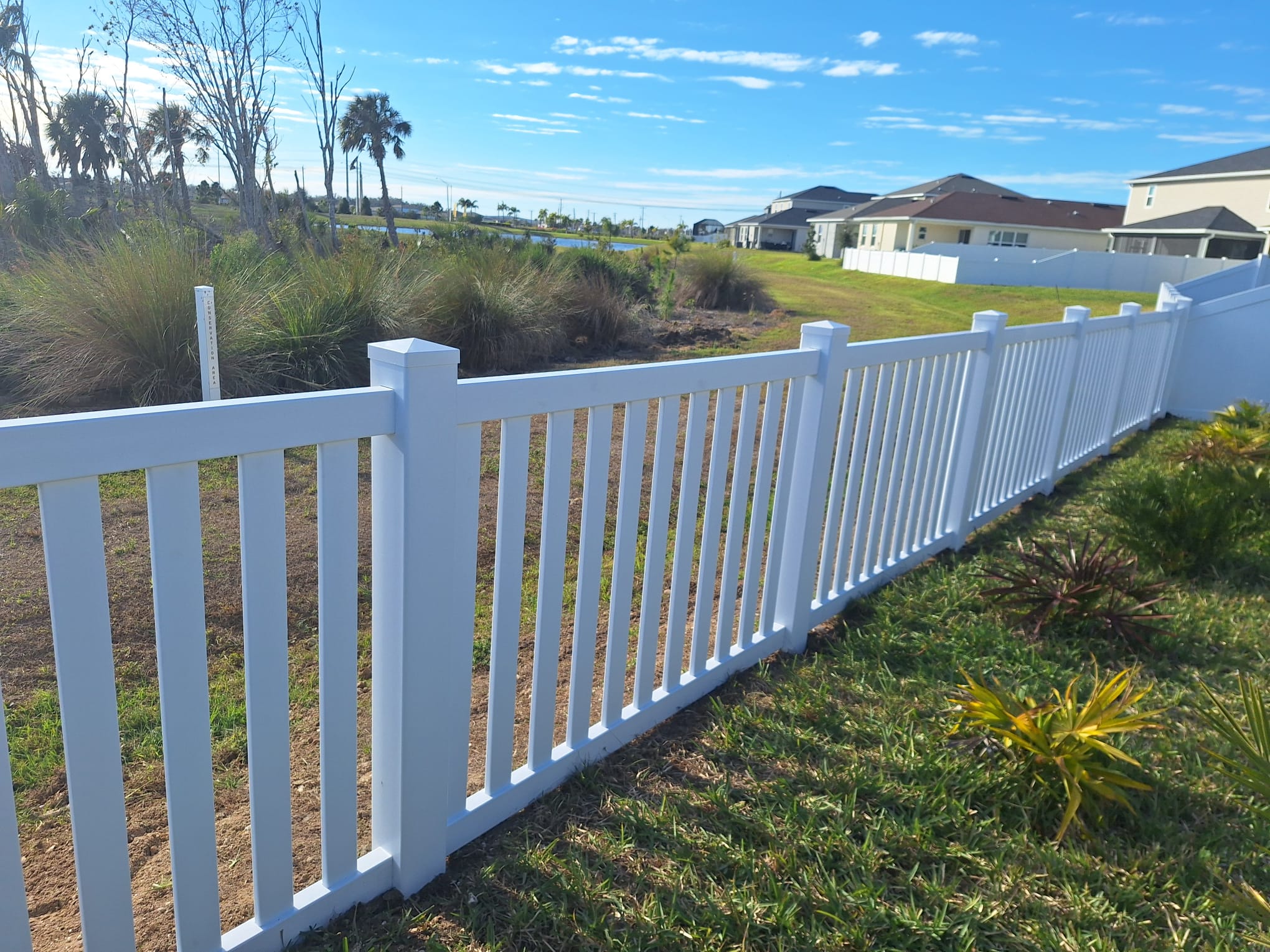
- Aluminum or “wrought-iron-style” fences are the most commonly approved, especially in subdivisions with ponds or conservation areas.
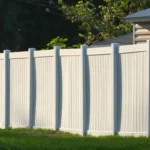
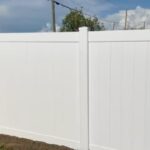
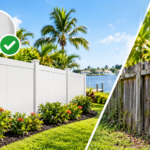
- Vinyl (PVC) and wood privacy fences are often allowed in backyards, sometimes only in certain styles.
- Chain-link is commonly prohibited or limited to non-visible areas, and sometimes requires a black vinyl coating.
Style and Color
- Many HOAs require specific colors such as black, bronze, white, or natural wood tones.
- Some require the “finished” side to face outward.
- Many specify picket spacing, post caps, and gate styles.
Placement and Setbacks
- Fences may need to sit a set distance from the front of the house, sidewalks, or property lines.
- Waterfront and preserve-adjacent lots often require see-through fencing to preserve views.
- Fences can’t block drainage, utility, or HOA easements.
How the HOA Fence Approval Process Works
Approval usually follows these steps:
- Read your governing documents. Start with the declaration and architectural guidelines, usually on your HOA’s website or available from the management company.
- Prepare your application. Expect to submit a property survey showing the fence location, material and height details, a style sample or photo, and your contractor’s information.
- Submit to the architectural review committee (ARC). Many HOAs have a standard form. Keep a copy and proof of submission.
- Wait for a written decision. Florida law, including section 720.3035, sets expectations for how approvals and denials must be handled. Check the current statute and your documents for timing, and make sure any denial comes in writing with a stated reason.
- Build only after approval. Starting early is the most common and costly mistake.
Tip: Keep the approval letter permanently. It protects you if a dispute comes up later or when you sell.
HOA Approval vs. City and County Permits
HOA approval and government permits are separate. You may need both.
- HOA approval covers neighborhood covenants and appearance.
- Permits and codes are handled by the City of Tampa or Hillsborough County, depending on where you live. Requirements can depend on fence height, location, and use.
Getting HOA approval does not replace a required permit, and a permit does not override an HOA denial. Confirm current permit rules with your local building or construction services office, since regulations change.
Special Considerations for Tampa Homes
Pool Barriers
If you have a pool, Florida’s Residential Swimming Pool Safety Act (Chapter 515) sets barrier standards. Fences used as pool barriers must meet minimum height and gate requirements. Your HOA may approve a style that still needs to satisfy these safety rules, so check both.
Wind and Weather
Tampa’s storms and humidity are tough on fences. Ask your contractor about wind-rated installation, rust-resistant hardware, and materials suited to Florida’s moisture. A fence that’s approved but poorly built won’t last.
Easements and Utilities
Many lots have utility or drainage easements. Before digging, call Sunshine 811 so buried lines are marked. Never build over an easement without confirming it’s allowed.
Flood Zones and Water Features
Properties near ponds, retention areas, or in flood zones may face extra rules about openness and placement.
Mistakes to Avoid
- Building before receiving written approval
- Assuming a neighbor’s fence sets the standard, since rules and exceptions may have changed
- Guessing at your property line instead of using a current survey
- Submitting incomplete applications, which delays decisions
- Ignoring violation notices, since fines and legal fees can grow quickly
What If Your Fence Request Is Denied?
A denial isn’t always final. You can:
- Ask for the specific reason in writing.
- Adjust the design, material, height, or location to meet the guidelines.
- Request a variance, if your HOA allows them.
- Present your case at a board meeting.
- Consult a Florida attorney who handles HOA matters if you believe the denial is arbitrary or contradicts your documents.
FAQ: HOA Fence Requirements in Tampa
In most HOA communities, yes. If your declaration or architectural guidelines require approval for exterior changes, you need written approval before building, regardless of any city permit.
It varies, but backyard fences often max out around 4 to 6 feet, and front yard fences are typically shorter or prohibited. Your community’s guidelines have the exact limit.
If the fence violates your covenants or was built without required approval, the HOA can generally demand changes or removal and may impose fines. Resolving the issue early, such as applying for retroactive approval, is usually best.