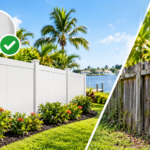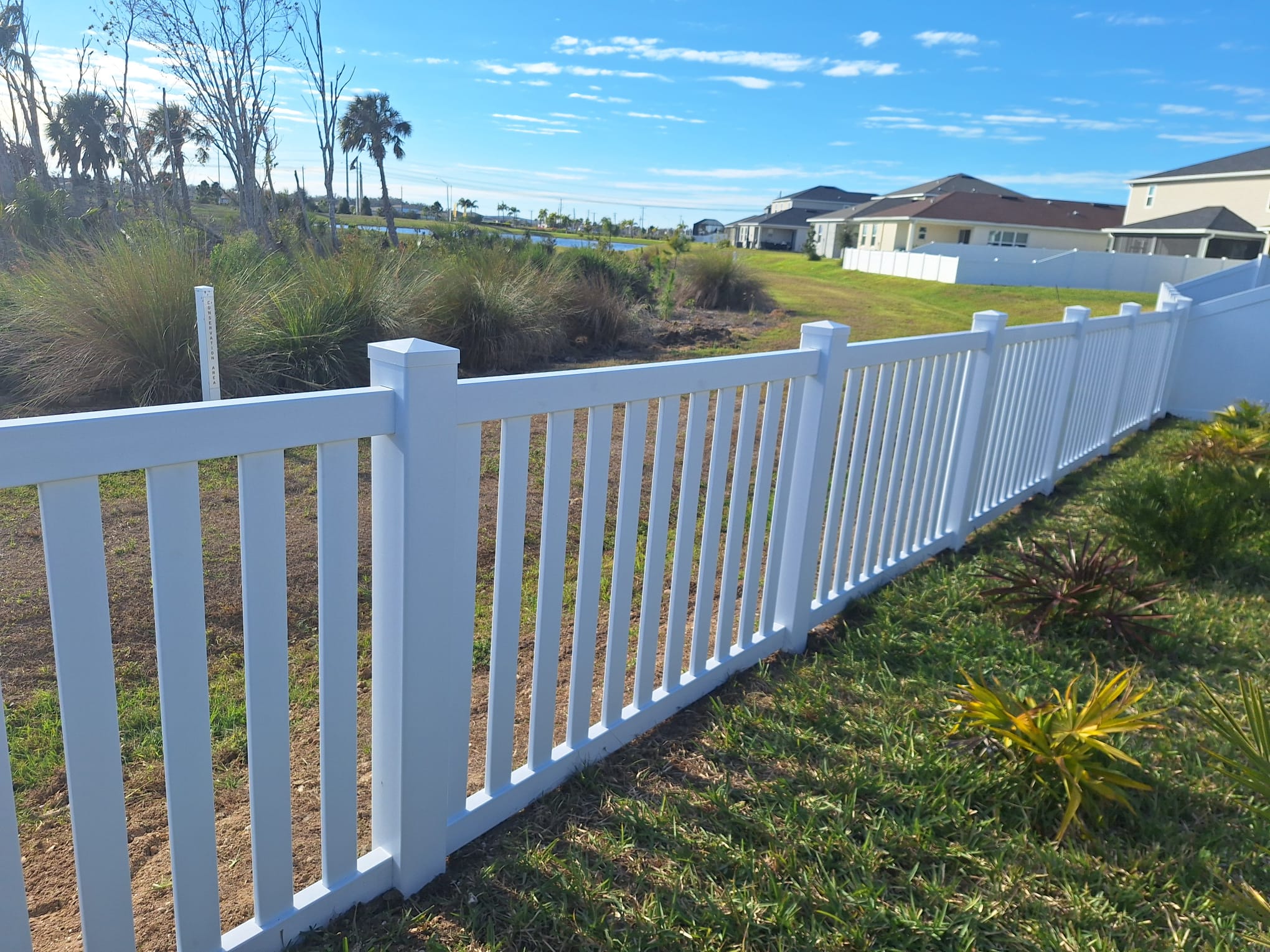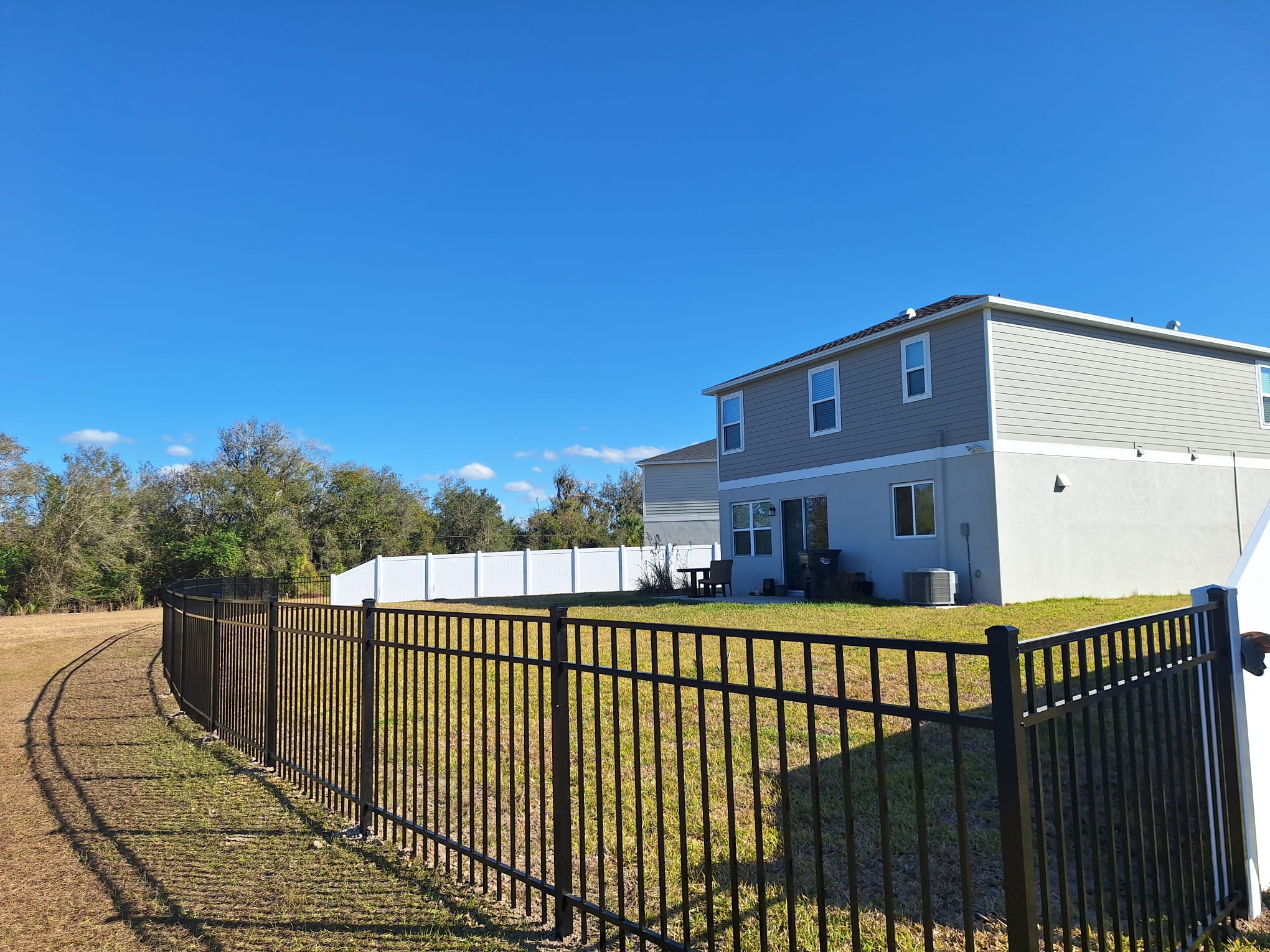
A fence should add privacy, security, and curb appeal—not create a growing list of repairs. Knowing the signs you need to replace your fence can help you act before a small issue turns into a safety concern, property damage, or an unnecessary expense. In Tampa Bay, intense sun, humidity, heavy rain, and storm-season winds can all shorten the life of fencing materials. A careful inspection of your fence can reveal whether a targeted repair is enough or whether replacement is the smarter long-term decision.
Your Fence Is Leaning or Posts Are Loose
A fence that leans is one of the clearest warning signs that its structure is failing. Sometimes the cause is a single loose post, shifting soil, or a small area of storm damage. In those cases, a professional may be able to reset or reinforce the affected section.
However, widespread leaning often means the posts have deteriorated below ground level or the footings are no longer holding securely. Wood posts may rot where they meet moist soil, while metal posts can corrode over time. If several posts are loose, the fence line is visibly uneven, or panels are beginning to pull apart, replacement may be more cost-effective than repeatedly correcting individual failures.
Rot, Decay, or Insect Damage Is Spreading
Wood fencing delivers a classic, natural look, but Florida moisture can be hard on it. Check the bottom of boards, posts, gates, and areas near sprinklers for soft spots, dark discoloration, crumbling wood, or fungus. Press gently on suspicious areas with a screwdriver; wood that gives easily may already have significant decay beneath the surface.
A small amount of surface damage can often be repaired. But when rot has reached multiple posts, rails, or pickets, the fence may no longer be structurally reliable. Termites and other wood-damaging insects can make the situation worse by weakening areas that appear sound from a distance. Replacing extensively damaged wood with a durable new fence can provide a safer result and reduce ongoing maintenance.
Repairs Are Becoming Frequent and Expensive
Every fence needs occasional attention. A broken picket, sagging gate latch, or loose cap does not automatically mean the entire fence is at the end of its life. The concern arises when repairs become routine.
Consider how often you have paid for replacement boards, hardware, posts, paint, staining, or panel repairs during the past few years. If the same problems keep returning in different sections, you may be spending money to prolong a fence that is already failing overall. A new installation has a higher initial cost, but it can be the more economical option when compared with continuous patchwork repairs.
Fence Panels Are Cracked, Warped, or Missing
Visible damage affects more than appearance. Cracked vinyl, bent aluminum, split wood rails, missing pickets, and warped panels can compromise the fence’s function. Gaps can reduce privacy, create escape routes for pets, and make the property less secure.
Weather exposure is a common culprit. High winds can loosen panels and rails, while prolonged sun can fade, dry out, or warp certain materials. If damage is concentrated in one small section and matching materials are still available, repair may be practical. If panels are failing throughout the property, or older materials cannot be matched, replacement will usually produce a stronger and more consistent finish.
The Gate No Longer Opens or Closes Properly
A gate is often the most-used part of a fence, so it can expose structural issues early. Gates that drag, sag, scrape the ground, will not latch, or need force to open may have worn hardware. In some cases, replacing hinges or adjusting the latch solves the problem.
But gate trouble can also point to deeper problems: posts may be shifting, the frame may be twisted, or the surrounding fence line may no longer be level. When a gate repeatedly goes out of alignment after repairs, inspect the entire supporting structure. A properly installed replacement fence uses sturdy gate posts and hardware designed for daily use.
Your Fence Is No Longer Providing Privacy or Security
A fence should meet your current needs, not just remain standing. If boards have large gaps, the height feels inadequate, or the design no longer keeps pets and children safely contained, a replacement may be the best solution. This is especially important if your household has changed, you have added a pool, adopted a dog, or want more separation from neighboring properties.
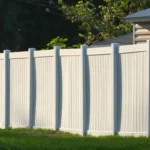
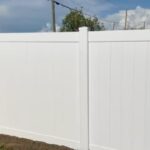
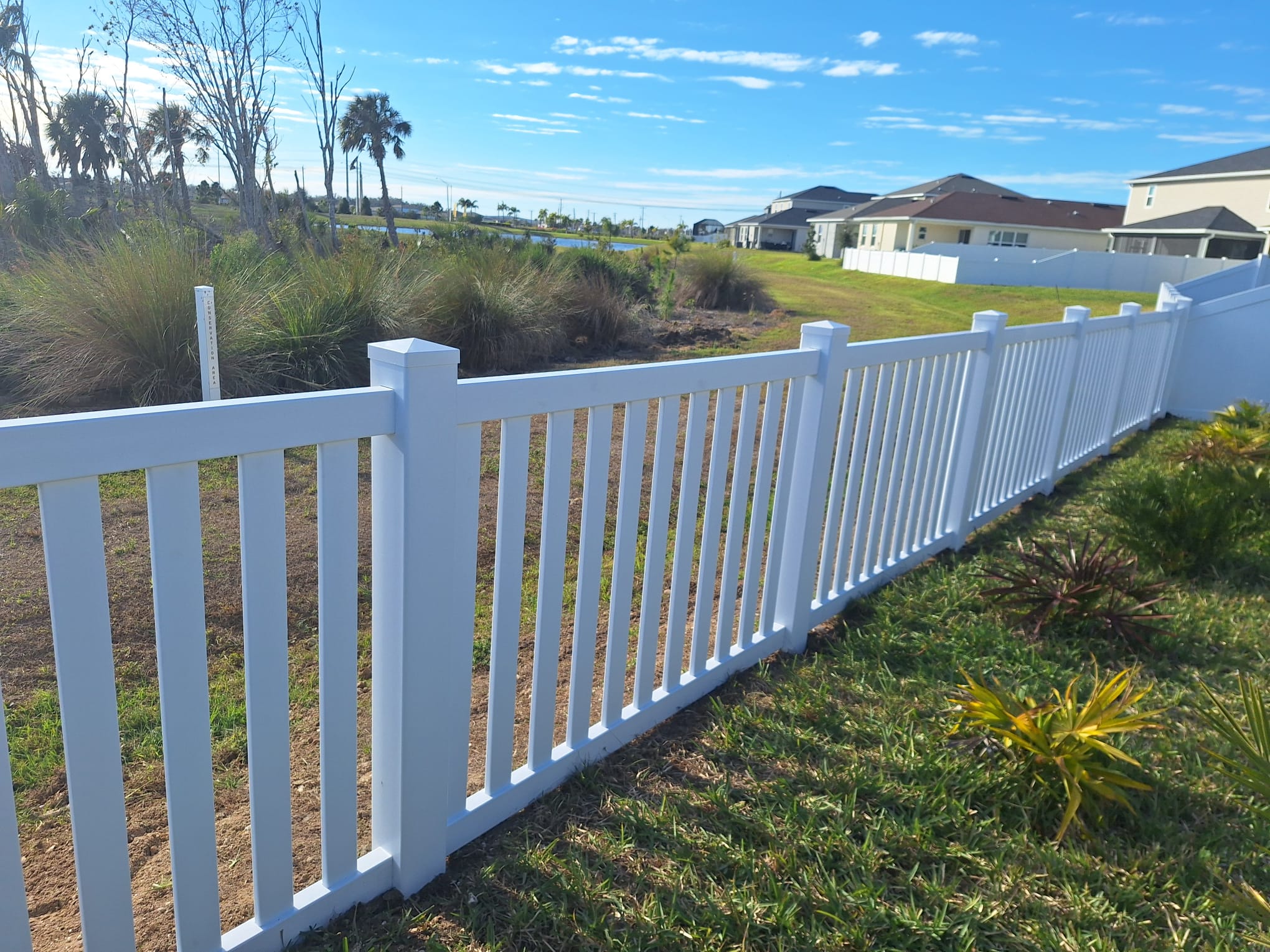
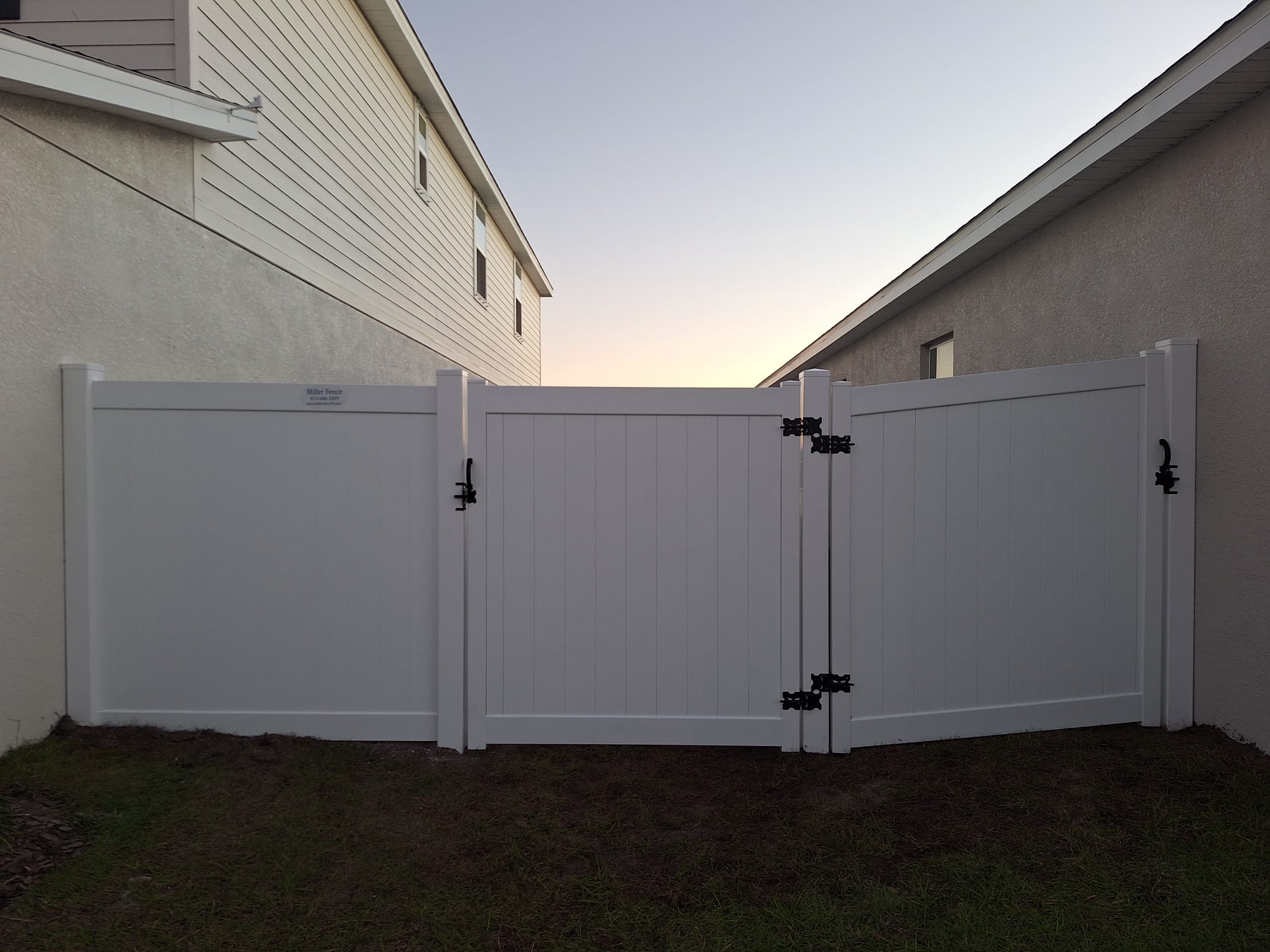
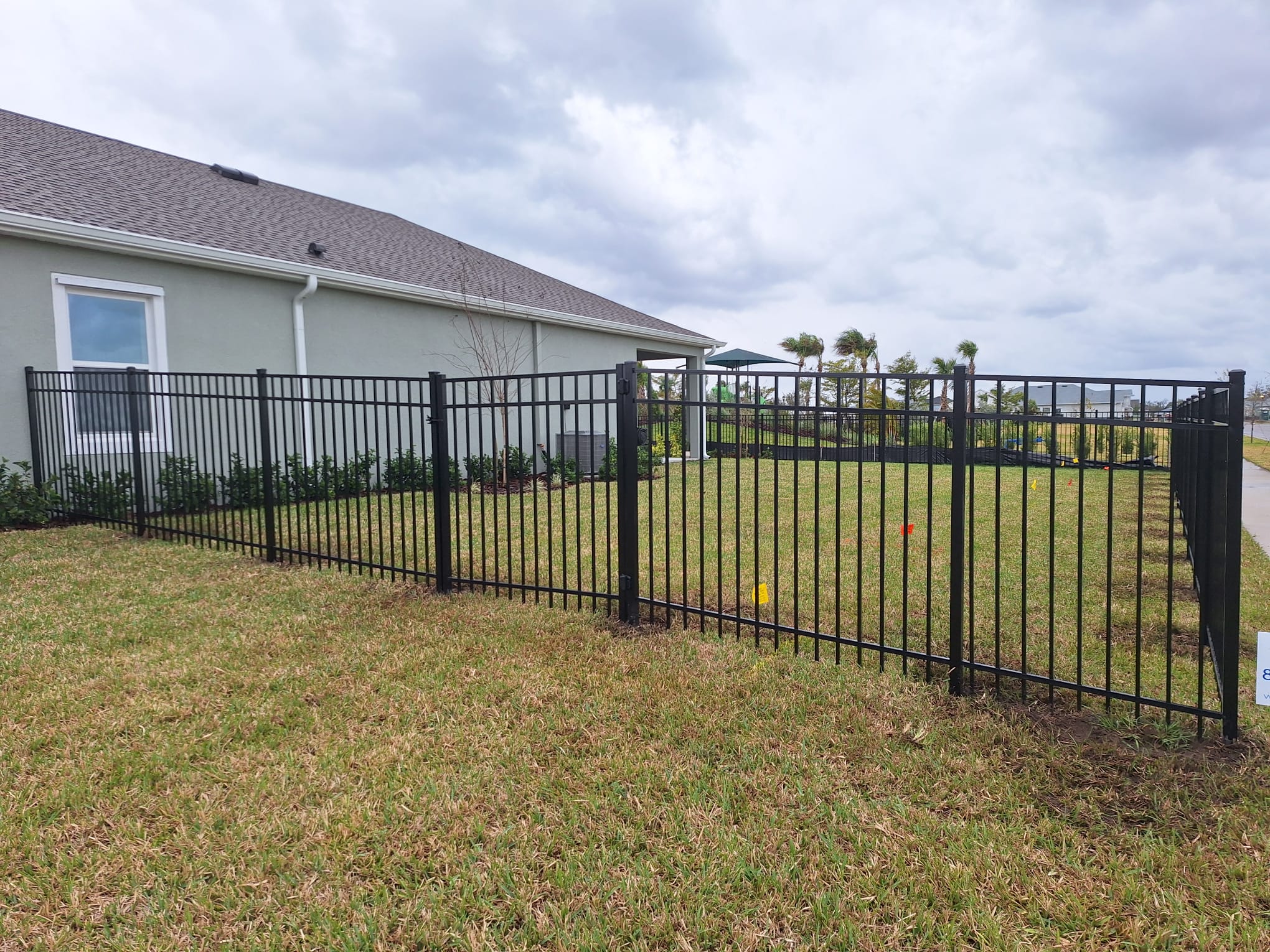
Replacement is also an opportunity to choose a material and design that better fits your goals. Vinyl can offer low-maintenance privacy. Aluminum can provide an open, elegant boundary with excellent visibility. Wood can create a warm, customizable enclosure. Chain link can be a practical choice for secure containment. The right option depends on your property, budget, maintenance preferences, and local requirements.
Storm Damage Has Compromised Multiple Sections
Tampa Bay weather can challenge even a well-built fence. After a major storm, inspect both sides of the fence for fallen branches, damaged panels, loose posts, cracked rails, and shifted gates. Do not assume a fence is secure simply because it is still upright; hidden post or footing damage may become apparent during the next storm.
When damage affects isolated components, timely repair can protect the rest of the fence. When a storm has compromised multiple sections, replacement may offer better value and reliability. A qualified contractor can assess whether the existing structure can be safely restored or whether rebuilding is advisable.
The Fence Looks Worn Out and Hurts Curb Appeal
Your fence is a prominent part of your property’s exterior. Peeling paint, persistent stains, rust, fading, or uneven sections can make an otherwise well-maintained home look neglected. Cosmetic concerns alone do not always require replacement, but they matter when cleaning, painting, or repairs no longer improve the appearance.
A new fence can refresh your backyard, define landscaping, and create a more polished first impression. It may also support resale appeal by showing buyers that the property boundary is functional and maintained. Before choosing a design, consider how it will complement your home’s style and how much maintenance you want over time.
Plan Your Replacement With Confidence
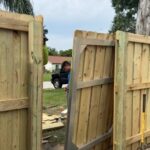
If you are seeing several of these warning signs, schedule a professional evaluation instead of waiting for a complete failure. A contractor can inspect posts, rails, gates, materials, and damage patterns, then recommend the best next step for your property. Planning ahead also lets you compare materials, coordinate permits or HOA requirements, and avoid a rushed decision after storm damage.
For a closer look at what the installation process involves, read our Tampa Bay Fence Installation Timeline. Knowing the expected stages—from consultation and material selection to installation and final walkthrough—makes it easier to plan a replacement that fits your needs.
Frequently Asked Questions
Fence lifespan depends on material quality, installation, maintenance, and weather exposure. Properly maintained wood fencing may last 10 to 20 years, while vinyl and aluminum can last considerably longer. Florida humidity, soil moisture, sun, and storms can shorten a fence’s usable life, so regular inspections are important.
Yes, if the rest of the fence is structurally sound and compatible replacement materials are available. Partial replacement works best for localized storm damage or an isolated failing section. If the fence has widespread rot, loose posts, fading, or recurring repairs, replacing the full fence often provides a more durable and visually consistent result.
A single leaning section may be repairable if the cause is one damaged post or a localized issue. If multiple posts are loose, the fence line is shifting, or the structure has repeated storm damage, replacement is usually the safer long-term choice. A professional inspection can determine whether the footings and posts remain secure.