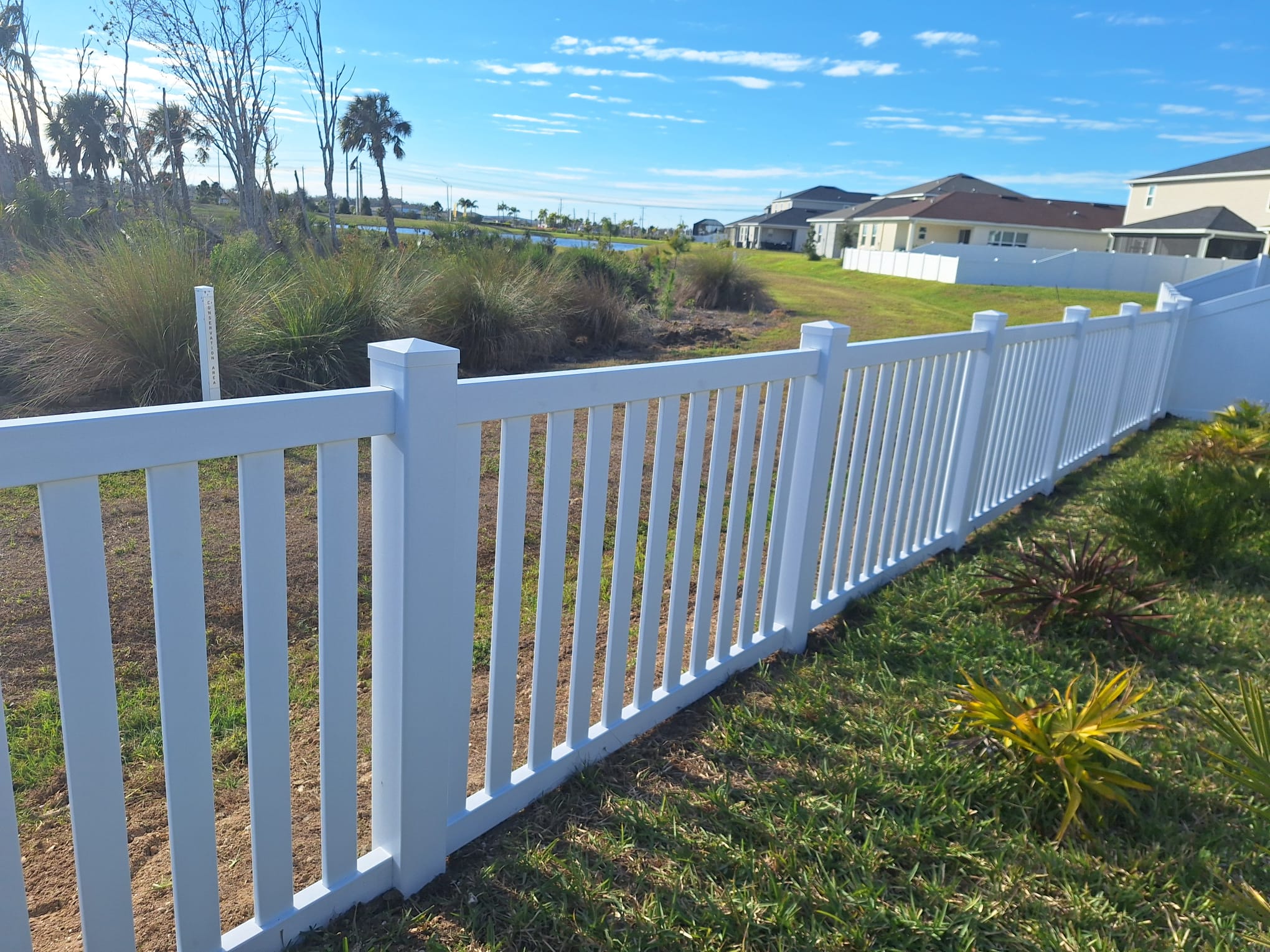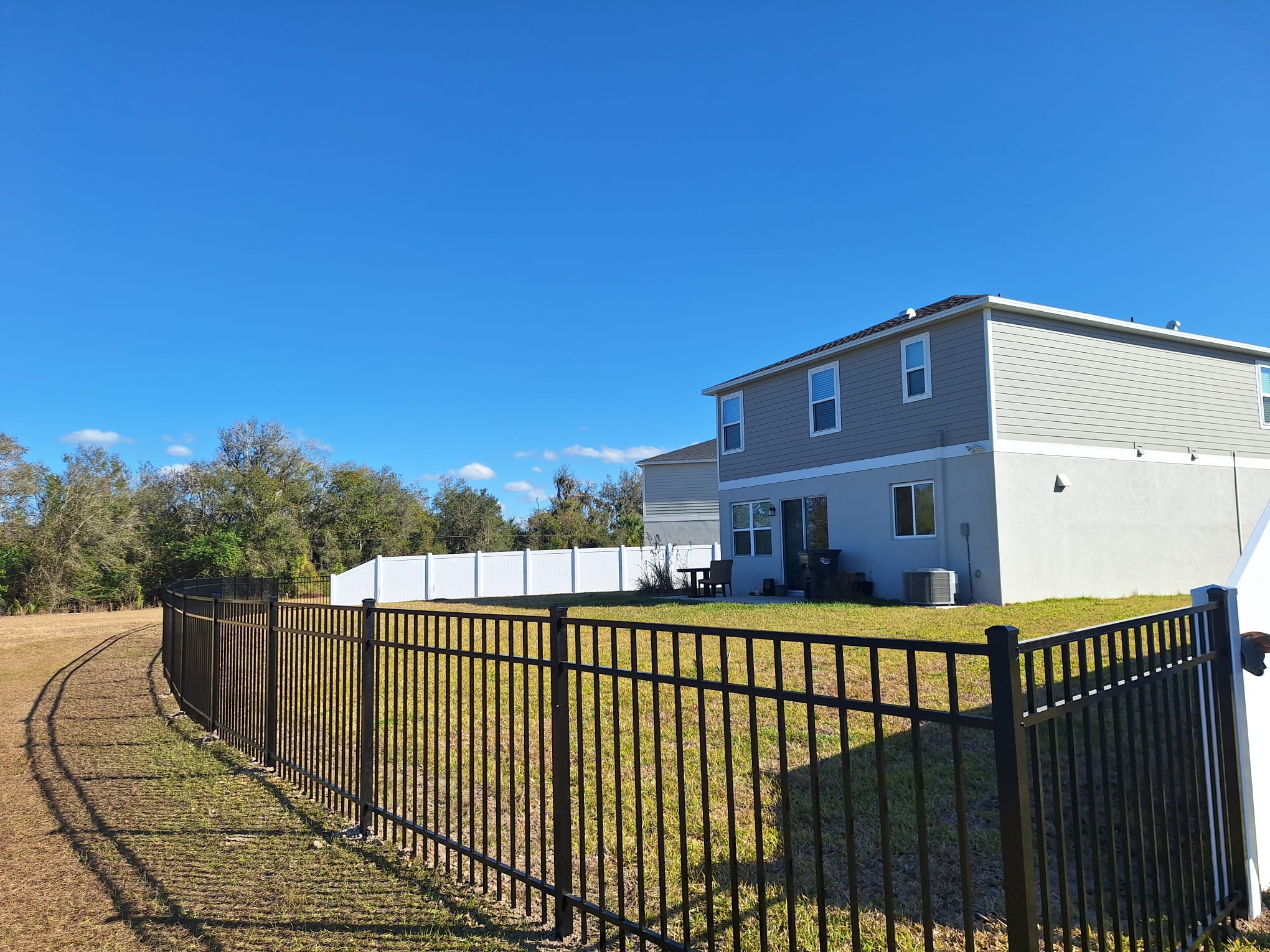
Knowing how to choose the right fence for your home can make a major difference in your property’s privacy, safety, curb appeal, and long-term value. A fence is more than a boundary line—it is an investment that should suit your lifestyle, your home’s architecture, and Florida’s demanding weather conditions. Before selecting a material or design, take time to identify what you need your new fence to accomplish.
Whether you want a private backyard retreat, a secure play area for children and pets, or a more polished appearance for your property, the right choice starts with a clear plan.
Start With Your Main Reason for Installing a Fence
Every homeowner has different priorities. Defining yours early will help narrow your choices and prevent you from paying for features you do not need.
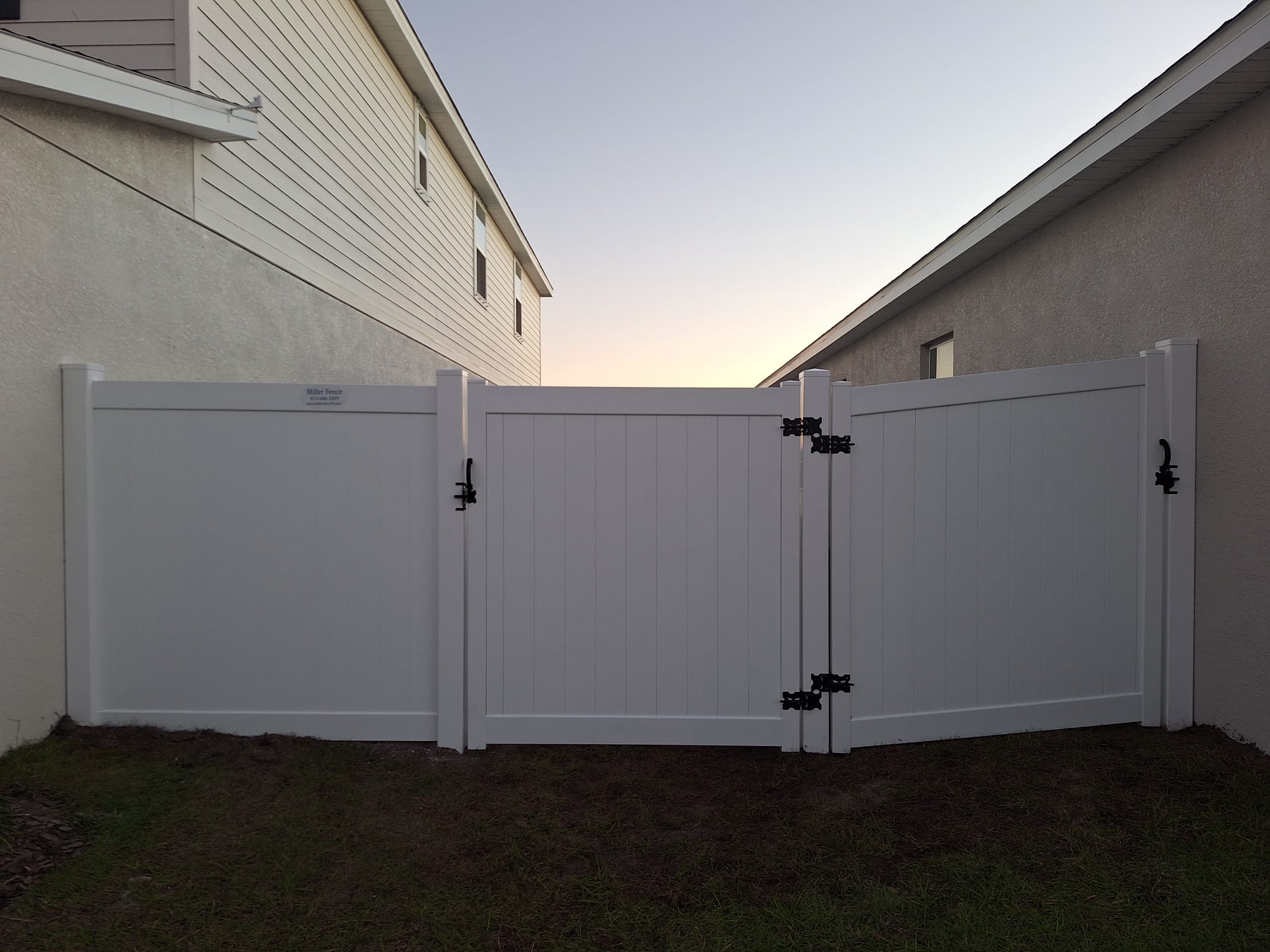
For privacy, solid-panel vinyl or wood fencing is often the best fit. These styles block views from neighboring homes, busy streets, and nearby walkways. Homeowners who want a secluded outdoor space frequently choose a six-foot privacy fence for backyards, patios, or pools.
If security is your primary concern, consider a durable fence with secure gates, strong posts, and a height appropriate for your property. Aluminum, chain link, and vinyl fencing can all add security, depending on the layout and design.
For pet containment, choose a fence that is tall enough to prevent jumping and installed low enough to prevent digging underneath. The spacing between pickets or rails also matters, especially for smaller dogs. If the goal is to protect a pool area, your fence must meet applicable safety regulations while remaining easy to operate and maintain.
Consider the Best Fence Material for Your Lifestyle
Fence materials differ significantly in appearance, upkeep, durability, and cost. Choosing the right one means balancing your desired look with the amount of maintenance you are willing to handle.
Vinyl Fencing
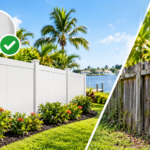
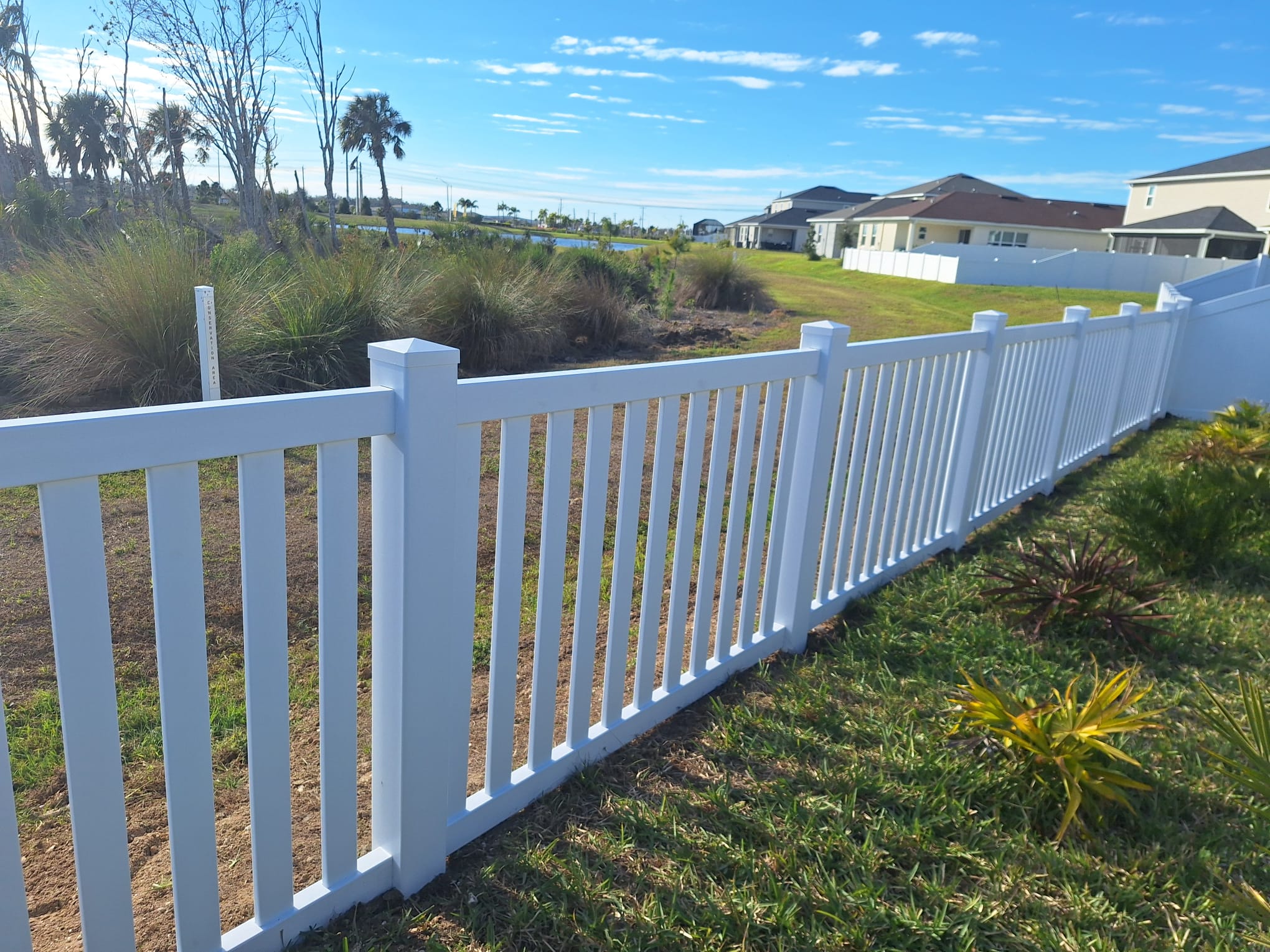
Vinyl is a popular option for homeowners who want clean lines, strong privacy, and minimal maintenance. It does not require painting, staining, or sealing, and it resists rot, insects, and moisture damage. This makes it especially practical in humid, rainy Florida conditions.
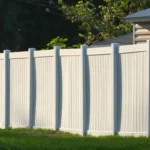
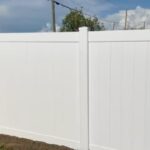
A Vinyl Privacy Fence Tampa installation can provide a sleek, enclosed look while reducing the ongoing care associated with traditional wood. Vinyl is available in several colors and styles, including solid privacy panels, decorative tops, and semi-private designs.
Wood Fencing
Wood fencing offers warmth, character, and versatility. It can be customized with various heights, picket styles, stains, and paint colors. Many homeowners choose wood because it complements traditional homes and natural landscapes.
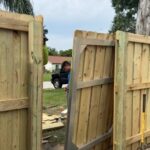
However, wood requires more maintenance than vinyl or aluminum. It may need regular sealing, staining, or painting to protect it from moisture, sun exposure, termites, and decay. If you enjoy the classic look of wood and are prepared to maintain it, it can still be a beautiful option.
Aluminum Fencing
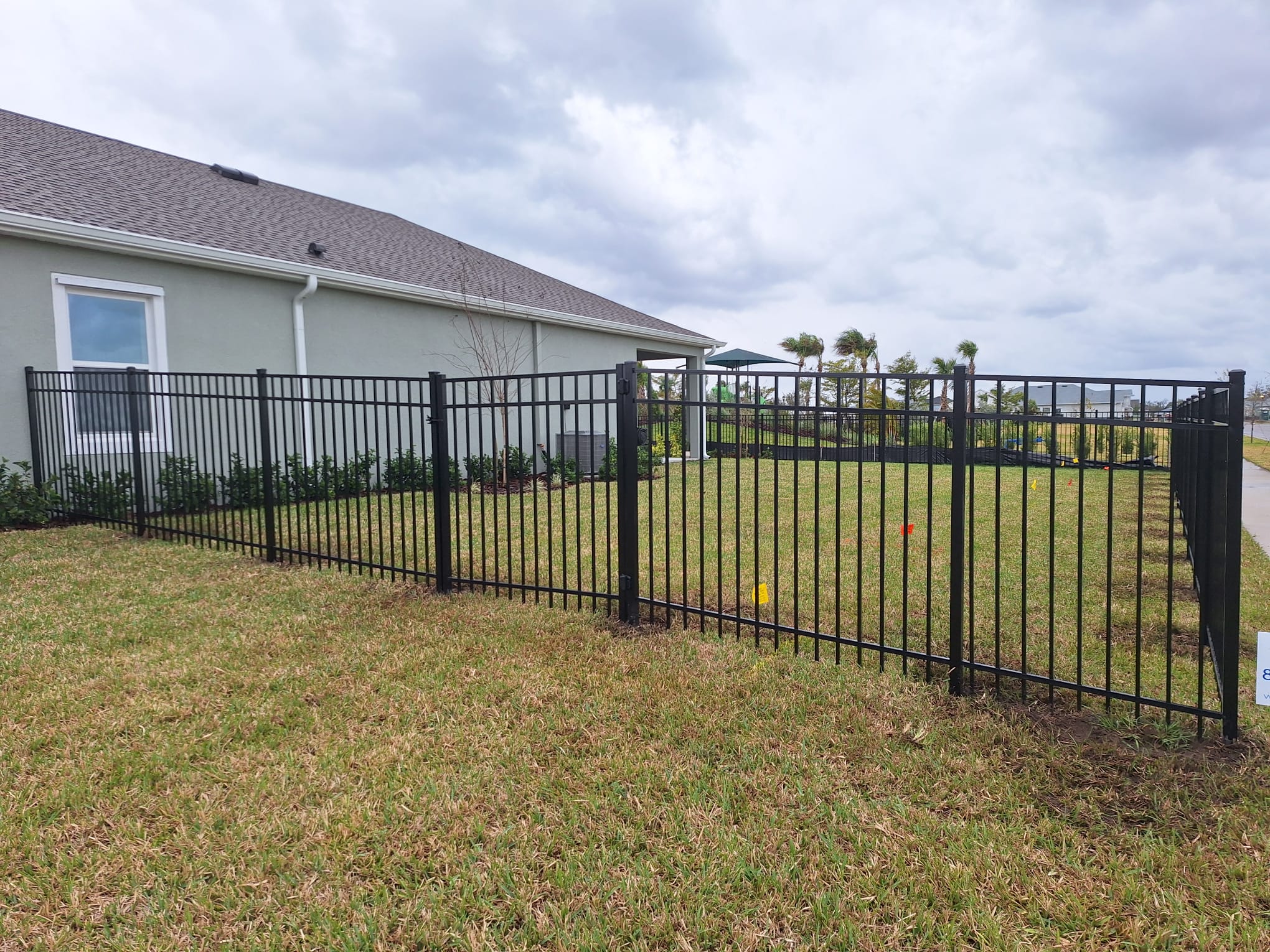
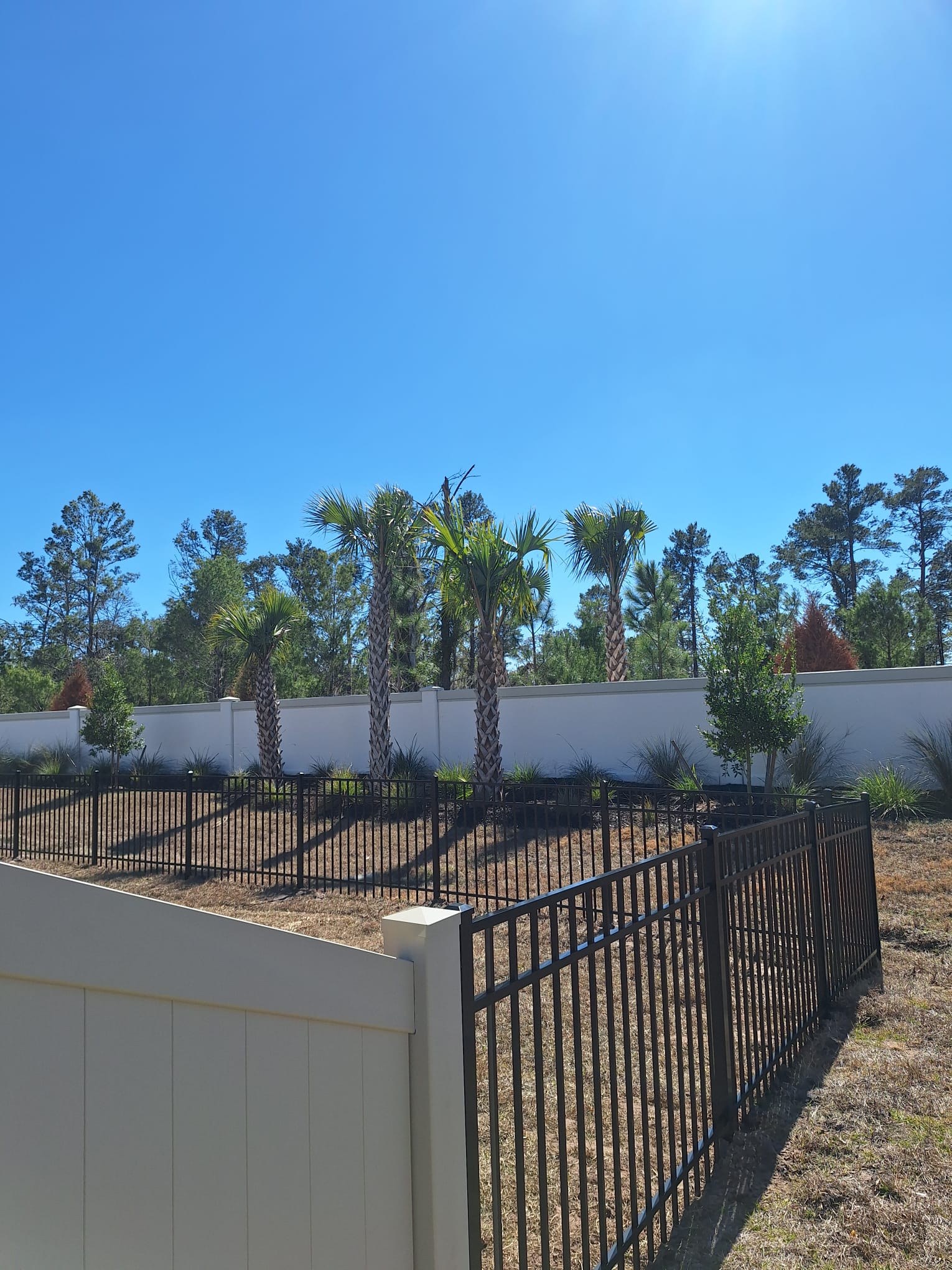
Aluminum fencing is ideal when visibility matters. It is commonly used around pools, front yards, gardens, and properties with attractive views. It offers a refined appearance without blocking sightlines and requires little upkeep.
Although aluminum is durable and resistant to rust, it does not provide the same level of privacy as solid vinyl or wood fencing. It is best suited for homeowners who prioritize elegance, security, or pool safety over full enclosure.
Chain Link Fencing
Chain link fencing is often one of the most affordable ways to secure a larger property. It is functional, durable, and a practical choice for pet areas, side yards, and commercial-style applications.
Modern chain link options can include black or green vinyl coatings for a more finished appearance. Privacy slats can also be added, though they do not create the same polished look as a dedicated vinyl privacy fence.
Match Fence Height and Style to Your Property
The right height depends on the fence’s purpose, local regulations, and where it will be installed. A shorter decorative fence may be ideal for a front yard, while a taller fence is typically better for backyard privacy or pet containment.
Before deciding, consider how the fence will look from inside and outside your property. A fence should enhance your home rather than overwhelm it. For example, a tall solid fence may be perfect along a busy road, but a more open design could feel more welcoming in a front-yard setting.
Also consider the style of your home. A traditional picket fence can complement a cottage-style property, while horizontal vinyl or wood panels may better match a modern exterior. Aluminum fencing often works well with upscale, Mediterranean, or contemporary homes.
Think About Florida Weather and Long-Term Maintenance
Florida homeowners should choose fencing materials that can withstand humidity, heavy rain, sun exposure, and wind. Low-maintenance materials often provide better long-term value, even if the upfront installation cost is higher.
Vinyl and aluminum are generally strong choices for homeowners who want to minimize maintenance. Wood can perform well, but it demands consistent care to remain attractive and structurally sound. Chain link offers durability and affordability, but may not deliver the visual appeal or privacy some homeowners want.
Ask yourself how much time and money you want to spend maintaining the fence over the next five to 10 years. A lower initial price may not always mean lower total ownership costs.
Set a Realistic Budget
Fence pricing is influenced by material, height, length, gates, terrain, removal of an existing fence, and customization. A simple chain link installation typically costs less than a custom vinyl privacy fence, while decorative aluminum may cost more depending on the design.
When comparing estimates, look beyond the total price. Confirm what is included: permits, materials, gate hardware, post depth, demolition, cleanup, and warranty coverage. A detailed proposal helps you compare companies fairly and avoid unexpected charges later.
It is also smart to prioritize quality installation. Even premium materials can fail early if posts are not installed correctly or gates are poorly aligned.
Check Local Rules Before Installation
Before moving forward, review city, county, neighborhood, and homeowners association requirements. These may regulate fence height, placement, materials, colors, and gate locations. Corner lots, pool enclosures, and properties near easements may have additional rules.
A professional fence contractor can help identify common permitting considerations, but homeowners should also verify requirements directly with the appropriate local authorities or HOA. Planning this step early can prevent delays, fines, or the cost of modifying a completed fence.
Choose an Experienced Fence Contractor
The final result depends heavily on the quality of the installation. Choose a contractor with proven experience in the material and style you want. Review examples of completed work, ask about warranties, and make sure the company is properly licensed and insured where required.
A reliable contractor should answer questions clearly, provide a written estimate, explain the installation timeline, and help you make practical decisions for your property. The best fence is one that meets your needs today and continues to perform for years to come.
FAQs
Vinyl is one of the best materials for privacy because solid panels create a full visual barrier and require very little maintenance. Wood is another strong privacy option, but it typically needs more ongoing care to protect it from weather and insects.
Most residential privacy fences are about six feet tall. However, allowable heights can vary based on local zoning rules, homeowners association guidelines, and whether the fence is in the front yard, backyard, or near a corner lot.
For many homeowners, vinyl fencing is worth the investment because it is durable, low-maintenance, and resistant to rot, insects, and moisture. While the upfront cost may be higher than some wood options, the reduced maintenance can provide long-term value.