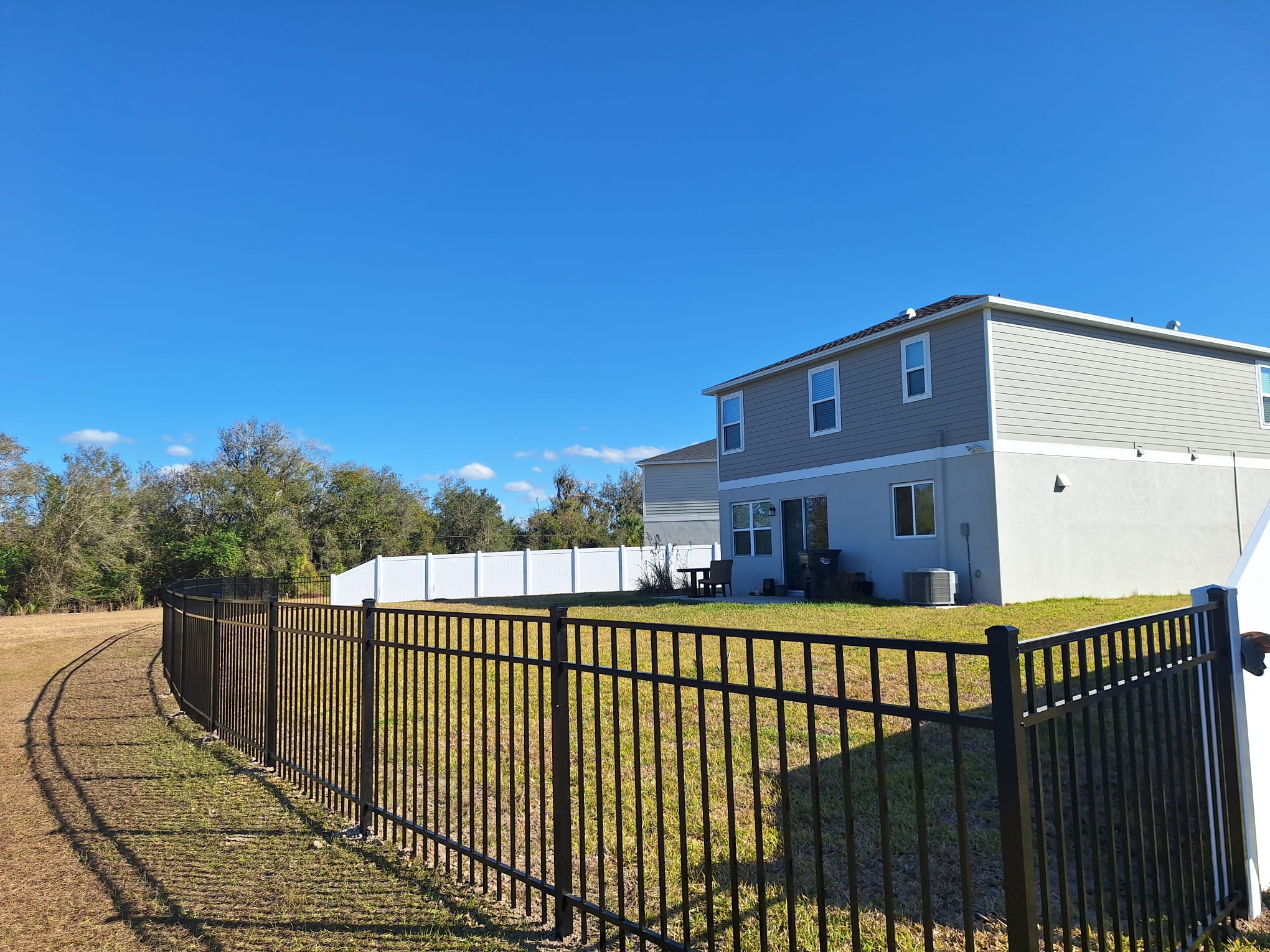
When comparing aluminum fence pros and cons in Florida, it helps to look beyond curb appeal. Florida homeowners need a fence that can handle intense sun, heavy rain, high humidity, salty coastal air, and the occasional hurricane-force wind. Aluminum fencing is a popular option because it delivers a clean, upscale appearance with less maintenance than many traditional materials. Still, it is not the right fit for every property or every goal.
This guide breaks down where aluminum fencing performs well, where it may fall short, and how to decide whether it suits your Florida home.
Why Aluminum Fencing Works Well in Florida
Florida’s climate is tough on exterior materials. Wood can absorb moisture, warp, rot, and attract pests. Untreated steel can rust, particularly near the coast. Aluminum is naturally resistant to corrosion, which makes it especially practical in humid and rainy conditions.
Most residential aluminum fences are finished with a durable powder coating. This coating helps protect the metal from moisture and everyday wear while providing a consistent color and finish. With proper installation and occasional cleaning, an aluminum fence can remain attractive for many years.
Aluminum is also a strong visual choice. It gives homes the refined look of ornamental wrought iron without the same weight, maintenance demands, or rust concerns. It works with a wide range of architectural styles, from newer suburban homes to waterfront properties and traditional Florida residences.
For a deeper look at the material’s strengths, see these Aluminum fence benefits for Florida homes.
The Main Pros of Aluminum Fencing
1. Corrosion and rust resistance
One of aluminum’s biggest advantages is its resistance to rust. This matters throughout Florida, but it is particularly valuable in coastal communities where salt air can quickly damage less suitable metals. While no exterior product is completely maintenance-free, aluminum avoids many of the corrosion problems associated with iron or standard steel fencing.
2. Low maintenance requirements
Aluminum fencing does not need regular painting, staining, or sealing. Homeowners can usually keep it looking good by rinsing away dirt, pollen, and sprinkler residue and using mild soap for tougher buildup. Inspecting the fence periodically for loose hardware, scratches, or shifting posts is still wise, but the routine is straightforward.
3. Attractive, open design
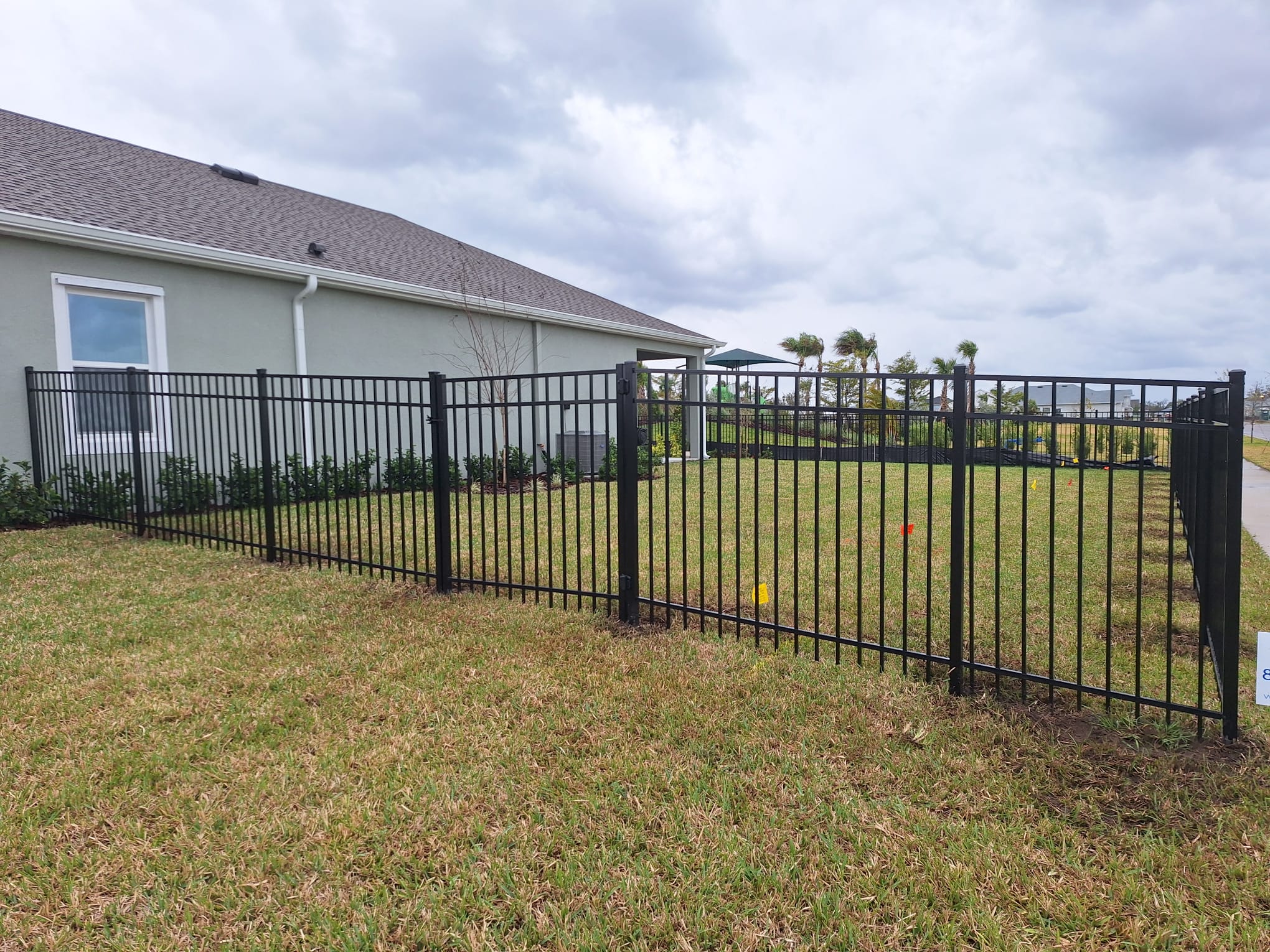
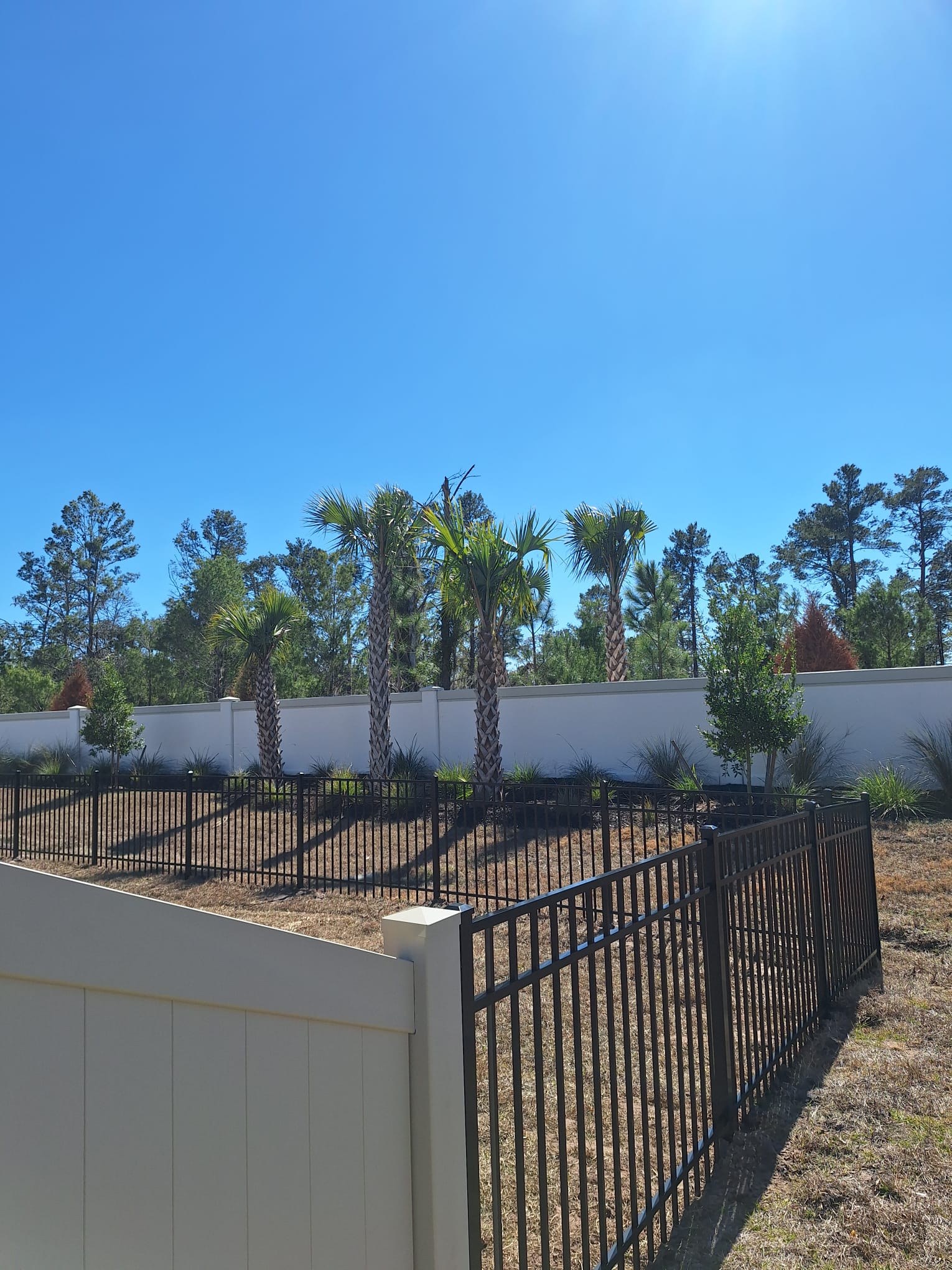
An aluminum fence creates a clear property boundary without making a yard feel closed in. Its open picket design preserves views of landscaping, pools, water features, and outdoor living spaces. That can be a major benefit for homeowners who want security and definition without a bulky visual barrier.
4. Useful for pools and pets
Many aluminum fence systems are designed to meet pool-barrier requirements when installed with the correct height, gate, latch, and spacing. They can also be effective for containing many dogs, especially when the fence height and picket spacing match the pet’s size and behavior. The material is difficult to climb compared with some horizontal fence styles.
5. Durable, lighter-weight construction
Aluminum is lighter than steel and wrought iron, which can simplify handling and installation. Quality systems are engineered to remain sturdy while resisting common weather-related deterioration. Because the fence does not absorb water, it will not rot or swell like wood.
The Potential Cons of Aluminum Fencing
1. It does not provide privacy
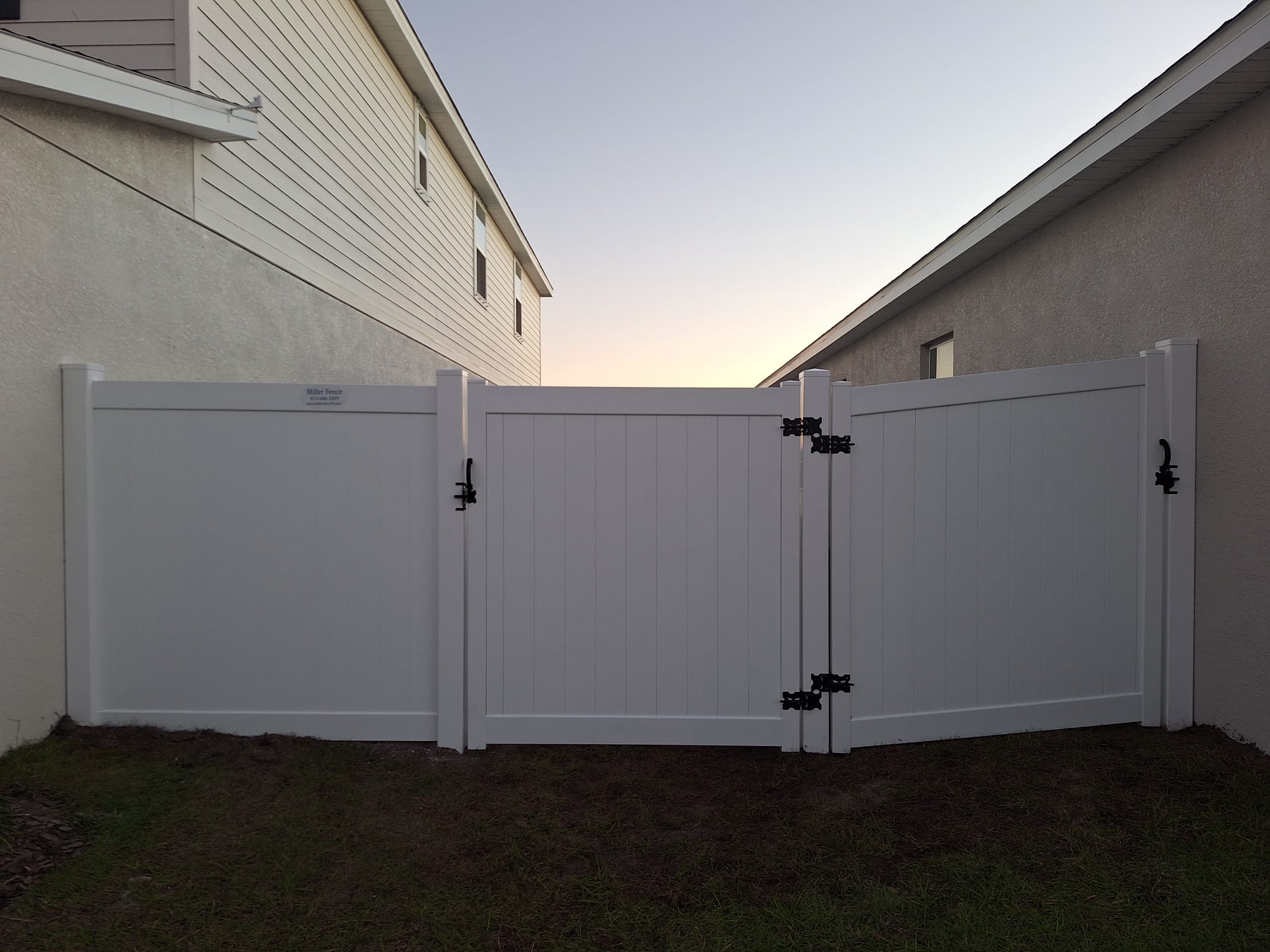
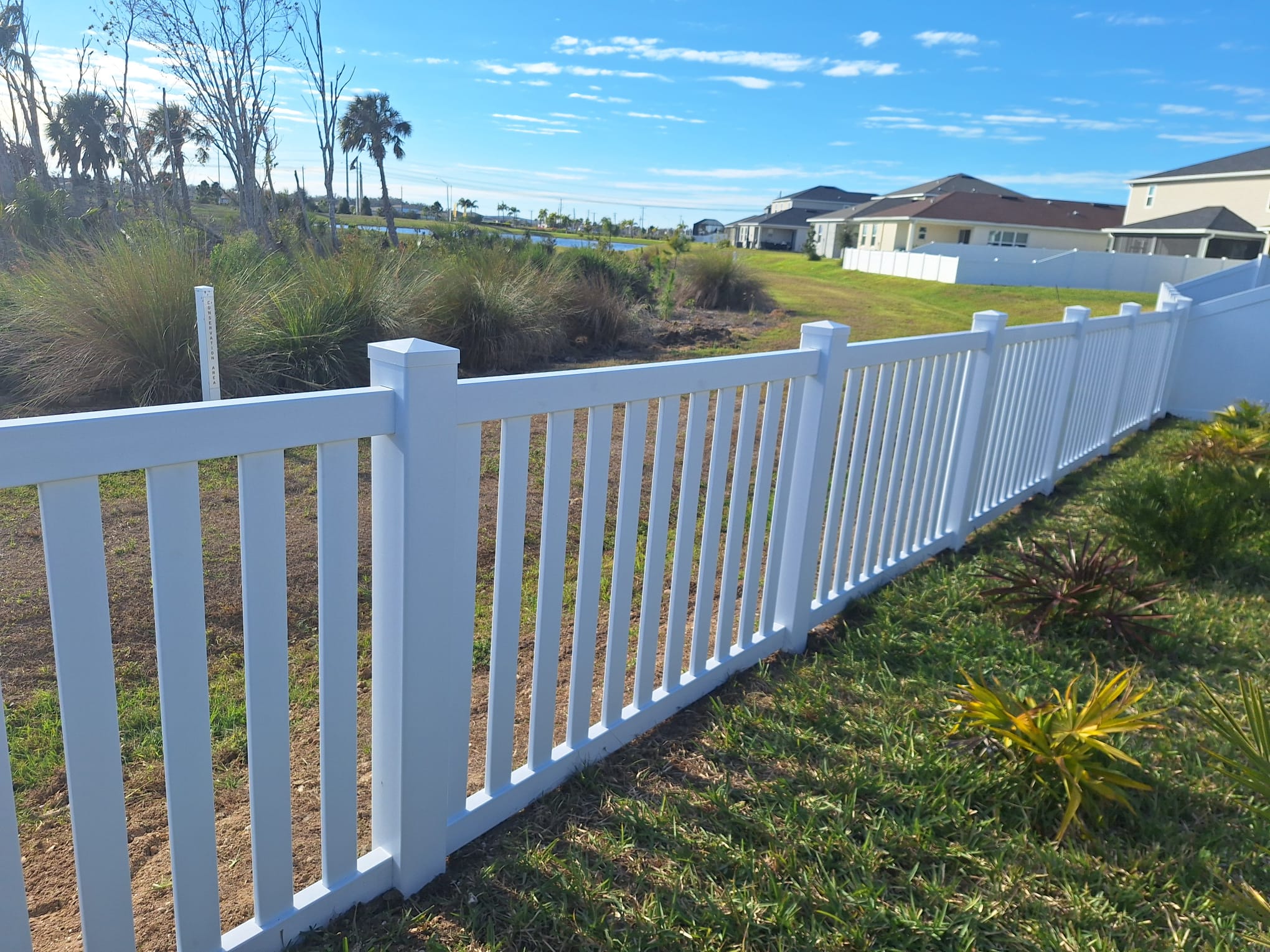
The same open design that preserves views also means aluminum fencing offers little to no visual privacy. If your priority is blocking a neighbor’s view, reducing street visibility, or creating a secluded backyard, a vinyl privacy fence, wood fence, composite fence, or carefully planned landscaping may be a better solution.
Some homeowners add hedges, shrubs, palms, or climbing plants around aluminum fencing. This can improve privacy over time, but it requires space, ongoing landscape care, and patience while plants mature.
2. Upfront cost can be higher
Aluminum fencing is often more expensive initially than basic chain link or entry-level wood fencing. Final cost depends on the fence height, style, terrain, gate count, line-post requirements, permit needs, and installation conditions. Decorative details and custom gates can also raise the investment.
However, comparing only the initial price can be misleading. A lower-cost wood fence may need staining, repairs, replacement boards, or earlier replacement due to Florida moisture and insects. Aluminum’s long-term maintenance savings can offset some of its higher purchase price.
3. It can dent under major impact
Aluminum is durable for everyday residential use, but it is not indestructible. A vehicle impact, falling tree limb, or forceful strike can bend pickets or damage a panel. Heavy steel fencing may tolerate certain impacts better, although it comes with added weight and greater rust-management needs.
If your property faces vehicle traffic, frequent equipment use, or other impact risks, talk with a fencing professional about reinforcement, post spacing, and placement.
4. It may not contain every type of pet
Aluminum fencing is not automatically the best choice for small pets, determined diggers, or animals that can slip through wider picket spacing. A small dog may need narrower spacing, a puppy panel, or a different fence style altogether. Dogs that dig may also need an underground barrier or additional landscape edging along the fence line.
Before choosing a design, consider your pet’s adult size, temperament, jumping ability, and digging habits—not just its current size.
5. Local rules can shape the final design
Florida communities often have municipal codes, pool-safety rules, and homeowners’ association standards that affect fence height, color, placement, and gate hardware. Waterfront, corner-lot, and coastal properties may also have added restrictions. Confirm requirements before ordering materials or scheduling installation.
Is Aluminum a Smart Choice for Your Florida Property?
Aluminum fencing is an excellent option if you value low maintenance, an elegant appearance, corrosion resistance, and an open view. It is particularly well suited for pool enclosures, front-yard boundaries, landscaped properties, and homes where security matters more than complete privacy.
It may be less suitable if you need a solid visual barrier, need to block wind or noise, or have a pet that requires a fully enclosed, tightly spaced fence. In those cases, a different material—or an aluminum fence paired with landscaping—may offer a better result.
A professional site evaluation is useful because the right solution depends on more than the material. Property slope, soil conditions, drainage, gate locations, local requirements, and intended use all affect long-term performance. Choosing the proper height, picket spacing, and gate configuration will help ensure your investment is both attractive and functional.
Frequently Asked Questions
Yes. Aluminum is well suited to Florida’s humidity and frequent rain because it does not rust like iron or untreated steel. A quality powder-coated finish adds another layer of protection and helps maintain the fence’s appearance.
Yes, provided the selected system and installation meet applicable pool-barrier requirements. Fence height, picket spacing, gate self-closing features, self-latching hardware, and local codes should all be verified before installation.
A professionally installed, quality aluminum fence can last for decades with basic care. Longevity depends on the product quality, coating condition, installation, exposure to salt air, storm damage, and how promptly any damage is repaired.