Planning a fence project for your property? Understanding residential fence installation costs is the first step toward making an informed decision. Whether you’re looking to enhance privacy, boost curb appeal, or create a secure boundary for your family, the investment in a new fence varies significantly based on materials, labor, and local factors. In this comprehensive guide, we’ll break down everything you need to know about fence installation pricing and help you budget effectively for your Kelowna home.
Factors That Influence Residential Fence Installation Costs
Several key factors determine how much you’ll pay for residential fence installation. Understanding these elements helps you anticipate expenses and make choices that align with your budget.
Material Selection
The type of fencing material you choose is one of the biggest drivers of residential fence installation costs. Each material offers different benefits and price points:
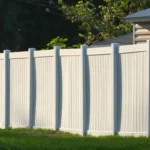
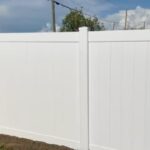
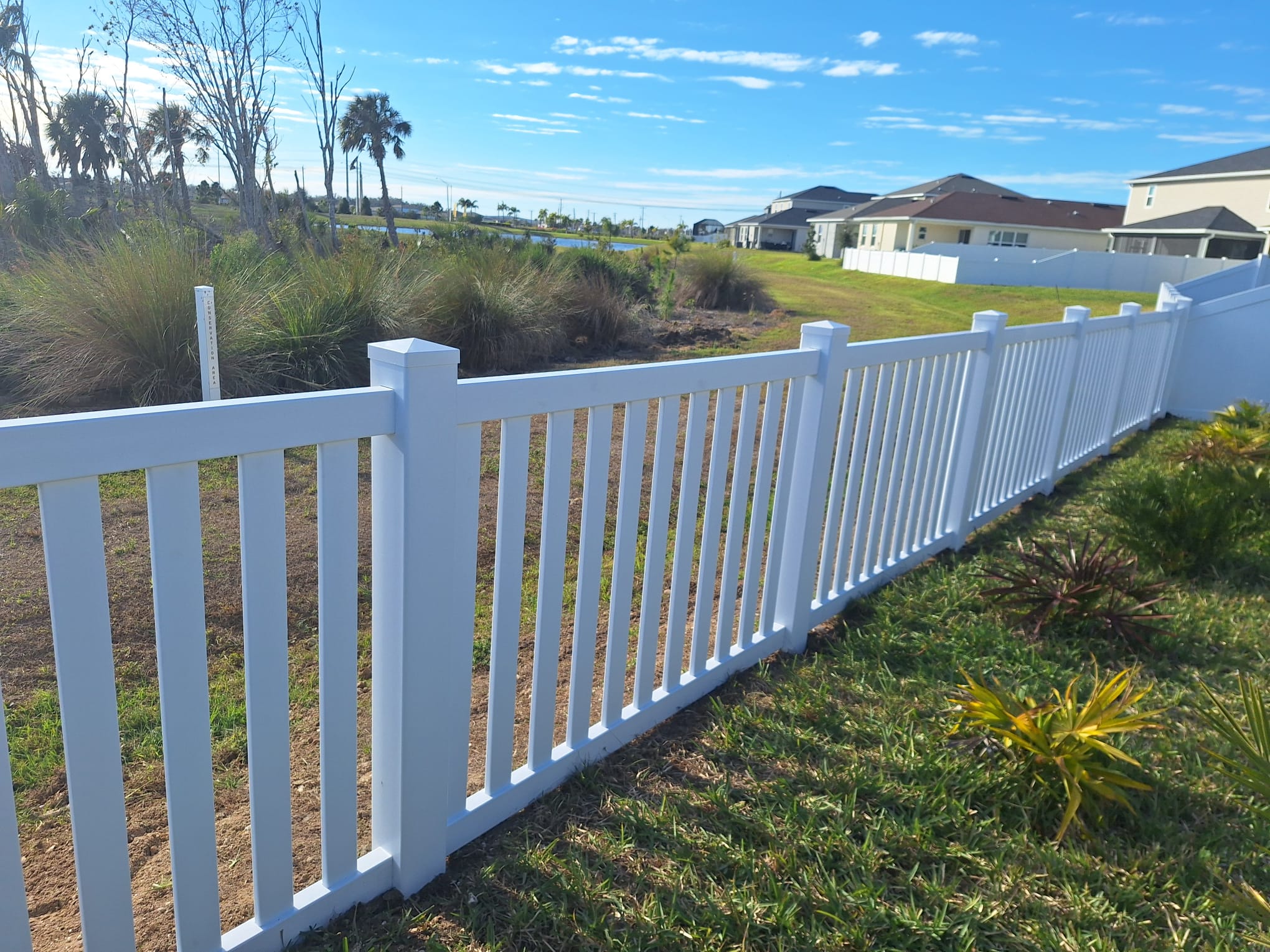
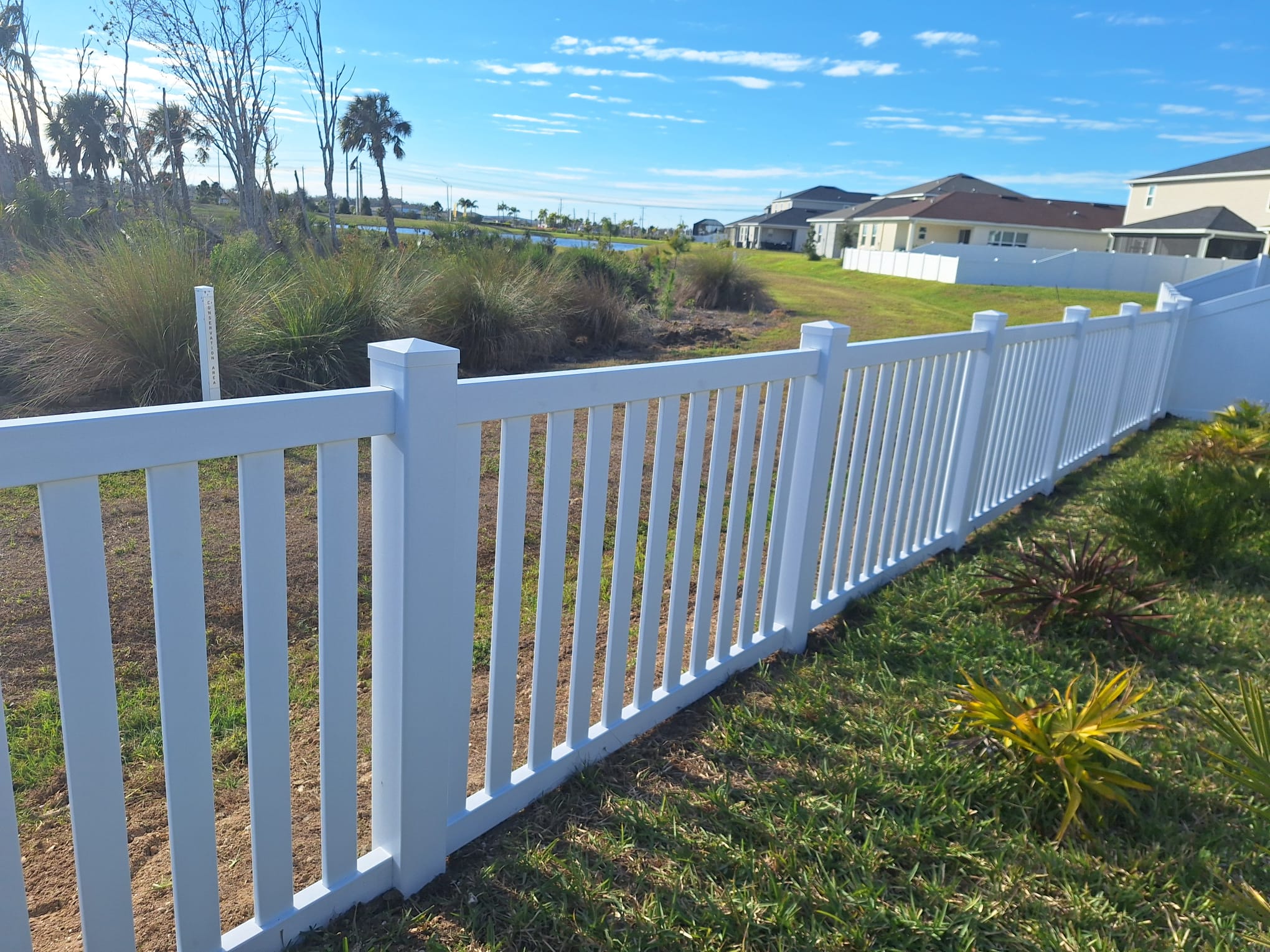
- Vinyl Fencing: Durable and low-maintenance, vinyl typically ranges from 20−20-20−40 per linear foot installed.
- Wood Fencing: Classic and attractive, wood fencing costs between 15−15-15−30 per linear foot, though maintenance is required.
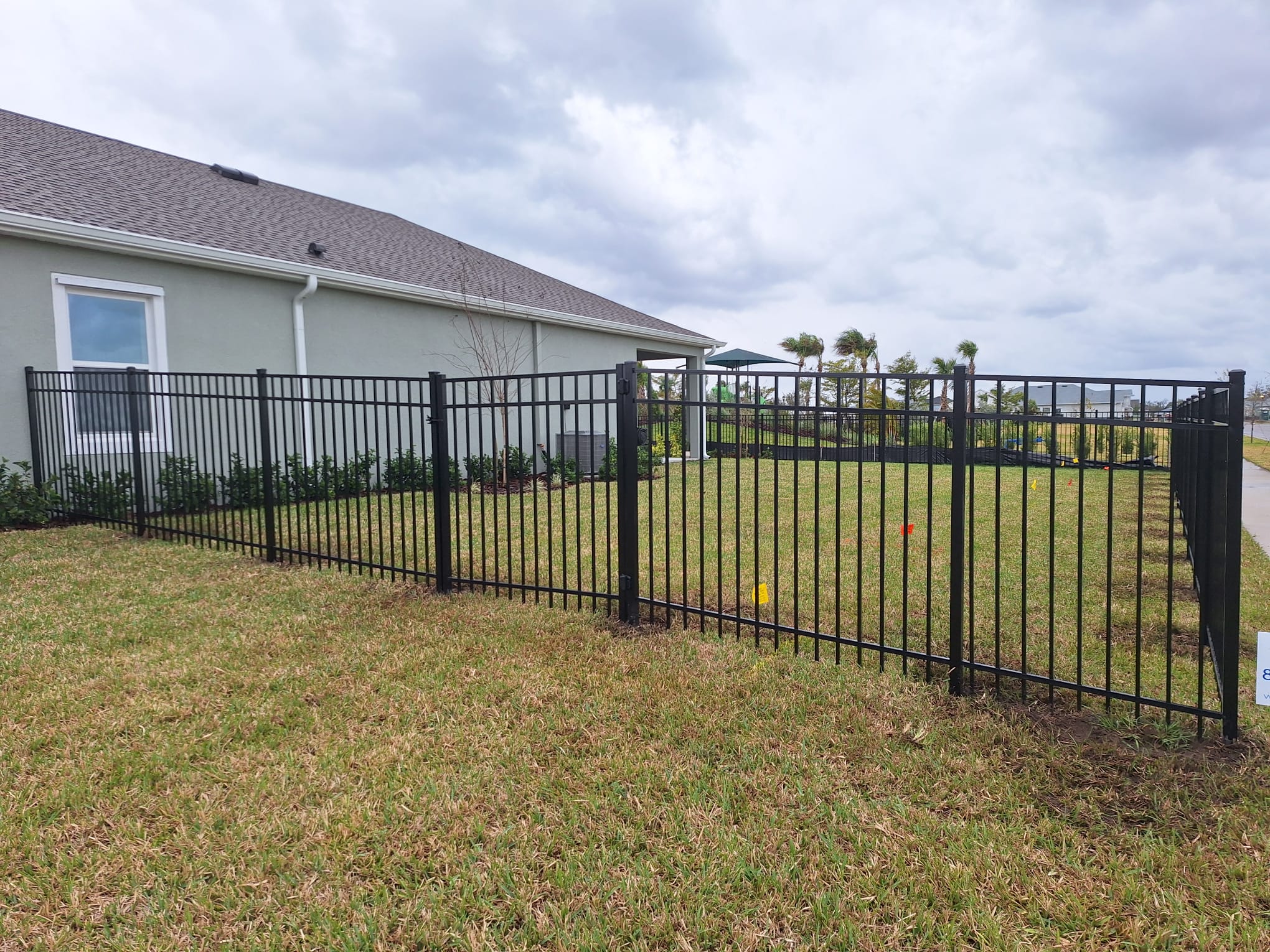
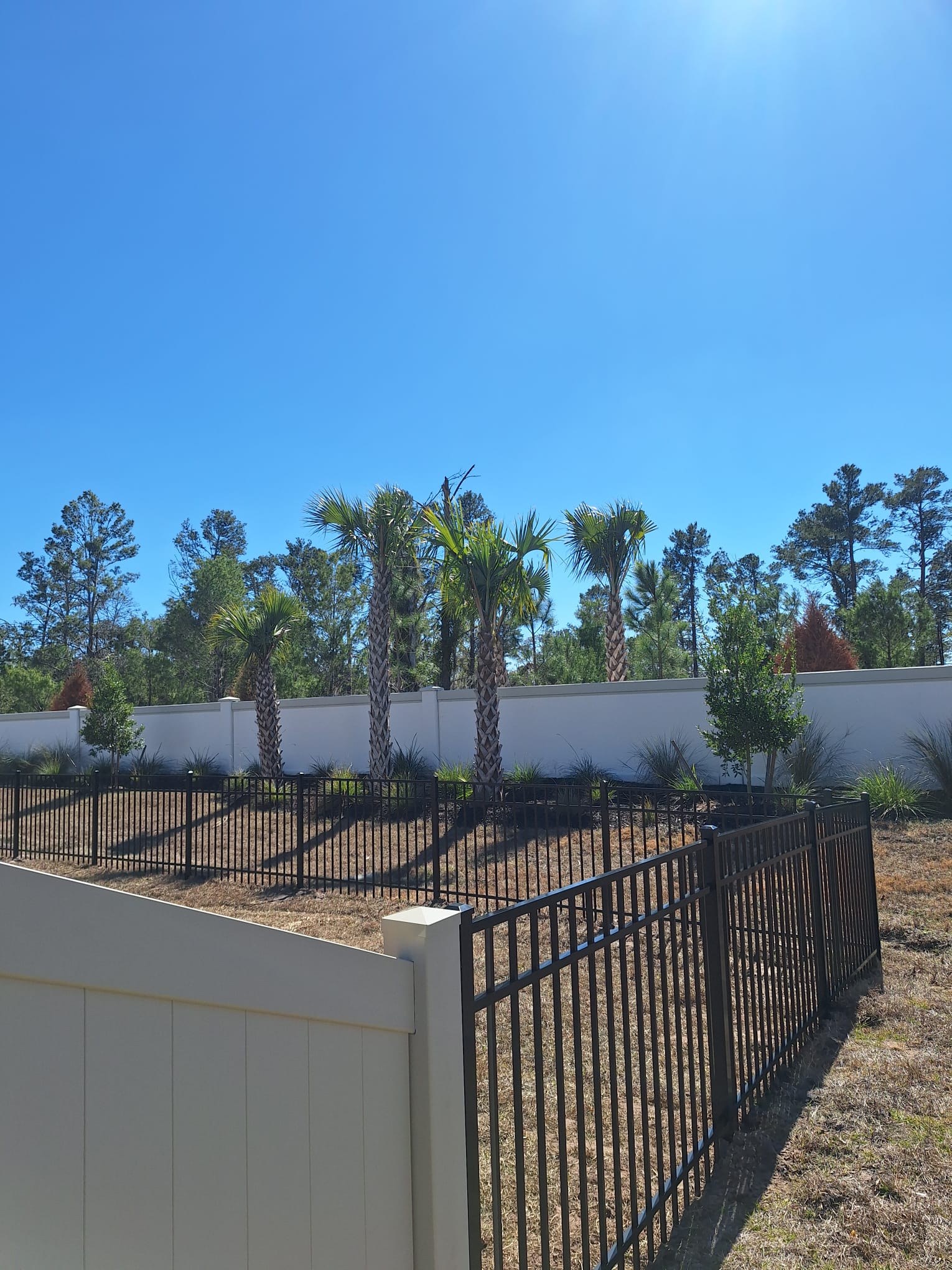
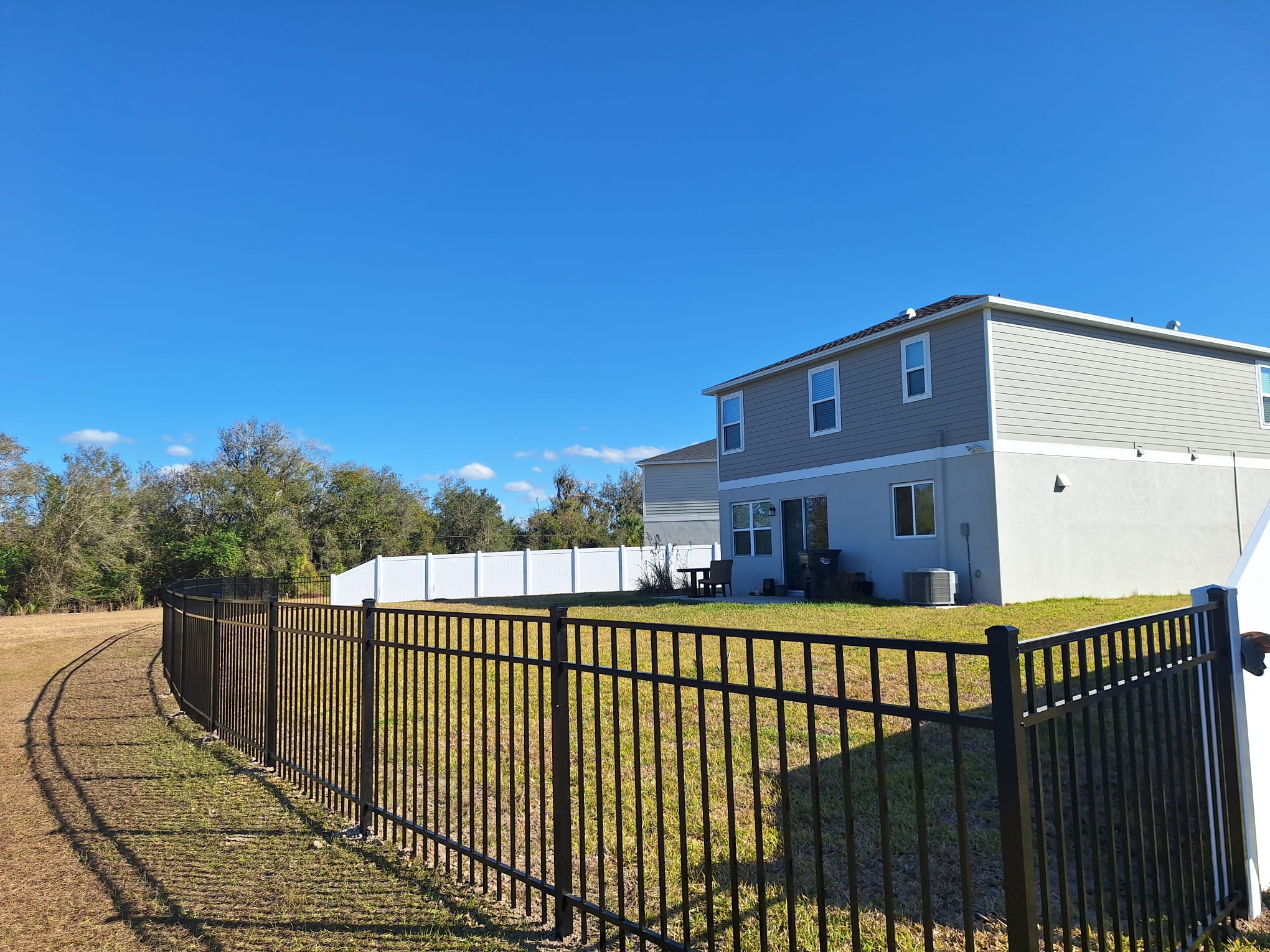
- Aluminum Fencing: Lightweight and elegant, aluminum installations run 15−15-15−30 per linear foot.
- Chain-Link Fencing: The most budget-friendly option at 8−8-8−15 per linear foot installed.
Labor and Installation
Professional installation labor typically accounts for 50-60% of your total residential fence installation costs. Experienced contractors handle site preparation, proper post setting, and quality finishing that ensures your fence stands the test of time. Labor rates vary based on the contractor’s experience, local market conditions, and project complexity.
Property Size and Fence Length
The linear footage of your fence directly impacts the overall cost. A small residential fence might be 50-100 feet, while larger properties could require 200+ feet. The longer the fence, the higher your residential fence installation costs will be.
Terrain and Site Conditions
Sloped or rocky terrain increases installation difficulty and labor time, raising residential fence installation costs. If your property requires grading, rock removal, or other site preparation, budget for additional expenses.
Average Residential Fence Installation Costs by Material
Let’s look at realistic pricing examples for a typical 100-linear-foot residential fence installation:
- Chain-Link Fence: 800−800-800−1,500 total cost
- Aluminum Fence: 1,500−1,500-1,500−3,000 total cost
- Wood Fence: 1,500−1,500-1,500−3,000 total cost
- Vinyl Fence: 2,000−2,000-2,000−4,000 total cost
These estimates include both materials and professional installation. Keep in mind that Kelowna’s local market, seasonal demand, and specific site conditions may adjust these figures.
Hidden Costs to Consider
When planning your residential fence installation costs, don’t overlook these often-missed expenses:
- Permits and Inspections: Most municipalities require fence permits, which can cost 50−50-50−300 depending on local regulations.
- Property Line Surveys: If boundaries are unclear, a survey (300−300-300−800) ensures your fence is installed legally.
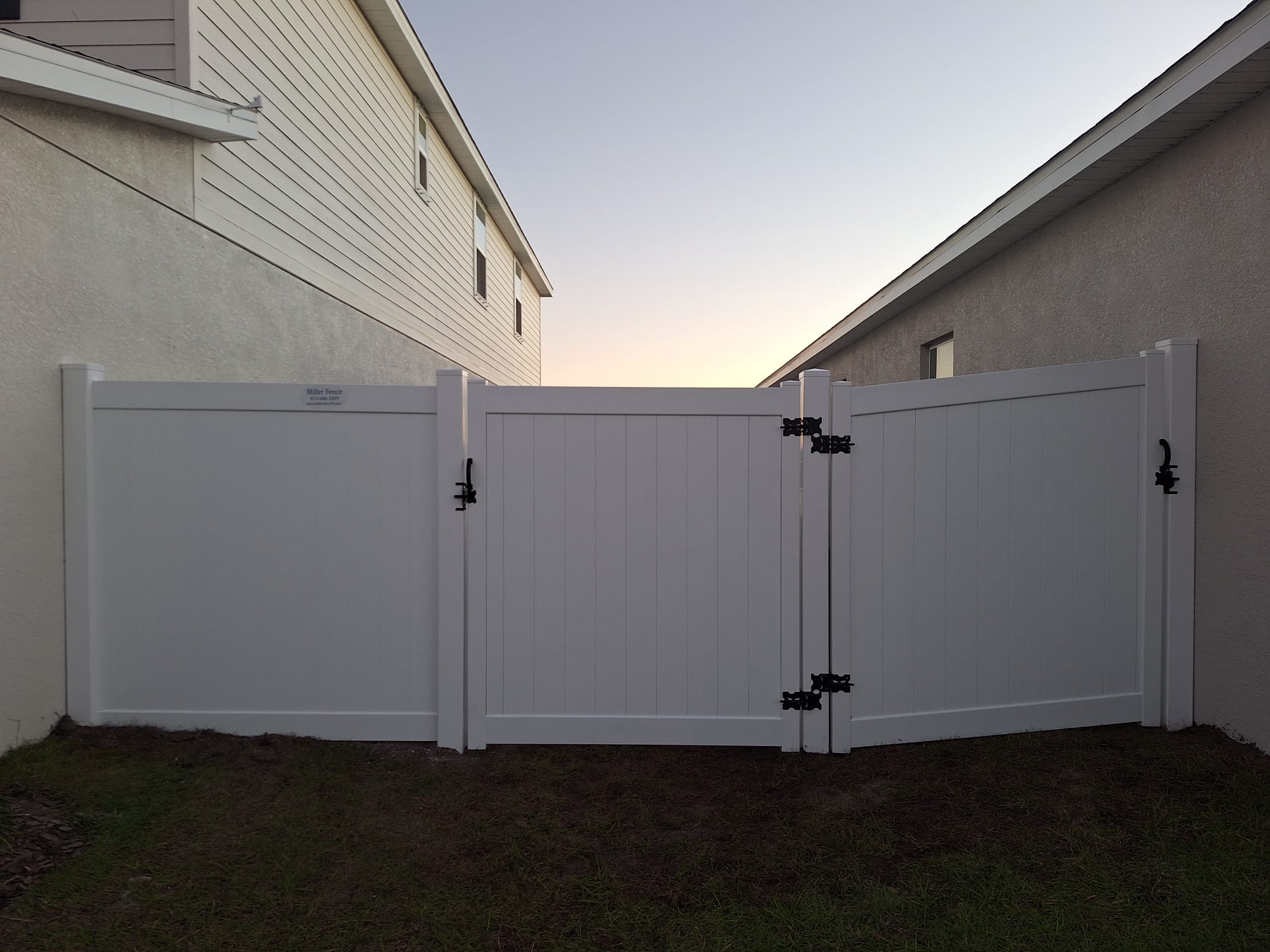
- Gate Installation: Adding gates to your fence can add 500−500-500−2,000 depending on materials and quantity.
- Removal of Old Fencing: Demolishing an existing fence adds 500−500-500−2,000 to residential fence installation costs.
- Special Features: Decorative caps, lattice tops, or custom designs increase pricing.
Ways to Reduce Your Residential Fence Installation Costs
If you’re looking to keep expenses down without sacrificing quality, consider these strategies:
Choose Budget-Friendly Materials
Chain-link and aluminum fences offer excellent value for homeowners prioritizing affordability. While they may not have the warmth of wood, they require minimal maintenance and deliver decades of service.
Simplify the Design
Straight lines and standard heights reduce installation complexity and labor time, directly lowering residential fence installation costs. Save decorative elements for gates or accent sections.
Get Multiple Quotes
Comparing estimates from three or more qualified contractors ensures you’re getting competitive pricing. However, don’t choose based on price alone—verify credentials, experience, and customer reviews.
Plan Off-Season Installation
Fence installation during slower seasons (fall or early spring) may result in lower rates as contractors work to maintain steady schedules.
Why Professional Installation Matters
While DIY fencing might seem like a way to cut residential fence installation costs, professional installation offers significant advantages:
- Proper post depth and concrete setting prevent leaning or collapsing fences
- Experienced crews complete projects faster and to code standards
- Licensed contractors carry insurance, protecting you from liability
- Warranty coverage provides peace of mind
- Knowledge of local building codes and permit requirements
A quality installation extends your fence’s lifespan by 10+ years, making professional work a worthwhile investment.
Protecting Your Entire Home Investment
While installing a new fence enhances your property’s appeal and value, don’t forget about protecting other important areas. For instance, maintaining your home’s drainage system is equally critical. If you’re in the Okanagan area, ensure your gutters are functioning properly. Consider scheduling Professional Gutter Cleaning Okanagan to complement your fence installation and maintain your property’s overall condition.
Getting Started with Your Fence Project
Ready to move forward with your residential fence installation? Follow these steps:
- Measure your property and determine fence length
- Choose your preferred material and style
- Research local permit requirements
- Request multiple quotes from licensed contractors
- Review contracts and timelines
- Schedule installation during favorable weather
Frequently Asked Questions About Residential Fence Installation Costs
A: The average cost for residential fence installation ranges from 15to15 to 15to40 per linear foot, depending on material choice and local labor rates. Budget-friendly chain-link options start around 8−8-8−15 per foot, while premium vinyl fencing can exceed $40 per foot. Your specific residential fence installation costs will depend on your chosen material, site conditions, and contractor rates in your area.
A: Yes, most jurisdictions require a fence permit before installation begins. Permit costs typically range from 50−50-50−300 and ensure your fence complies with local building codes and property line regulations. Skipping permits can result in fines or removal orders, making this an important step in your residential fence installation costs budget.
A: Most residential fence installations take 2-5 days, depending on fence length and complexity. A 100-linear-foot project usually takes 2-3 days for a professional crew. Weather conditions, site preparation needs, and material availability may extend the timeline. Your contractor will provide a specific estimate when discussing your residential fence installation costs and project timeline.