If you’re a homeowner in Tampa Bay looking to enhance your property’s curb appeal, privacy, and security, residential fence installation is one of the most impactful improvements you can make. Whether you’re building a new home or upgrading your existing property, understanding your fencing options and what to expect from the installation process is essential. This comprehensive guide will walk you through everything you need to know about residential fence installation in Tampa Bay.
Why Install a Fence on Your Tampa Bay Home?
The Florida lifestyle is all about enjoying your outdoor space, but that doesn’t mean you have to sacrifice privacy or security. A residential fence installation in Tampa Bay offers multiple benefits to homeowners:
- Enhanced Privacy: Keep prying eyes away from your backyard oasis and create a private retreat for your family.
- Increased Security: Protect your property and loved ones with a sturdy barrier that deters unwanted intrusions.
- Improved Property Value: A well-maintained fence adds significant value to your home and attracts potential buyers.
- Pet Safety: Safely contain your dogs and cats while they enjoy the outdoor space.
- Aesthetic Appeal: Add character and curb appeal to your property with an attractive fence design.
- Noise Reduction: Create a buffer from street noise and neighborhood activity.
Popular Fence Materials for Tampa Bay Homes
The Tampa Bay climate presents unique challenges for residential fences, with high humidity, salt air, intense sun, and occasional strong storms. Choosing the right material is crucial for longevity and maintenance. Here are the most popular options:
Vinyl Fencing
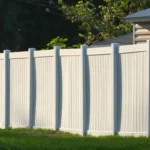
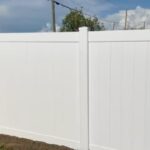
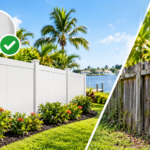
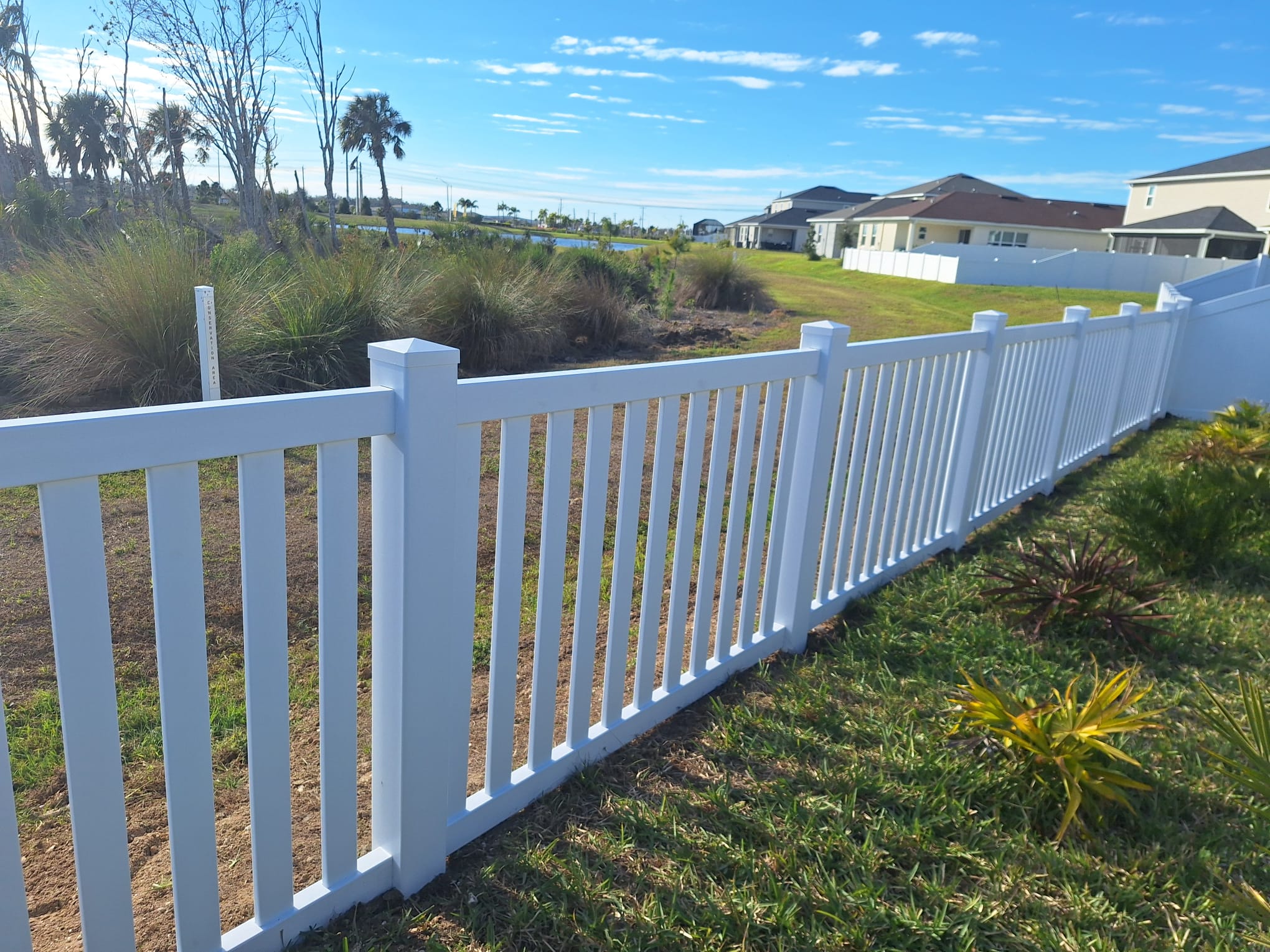
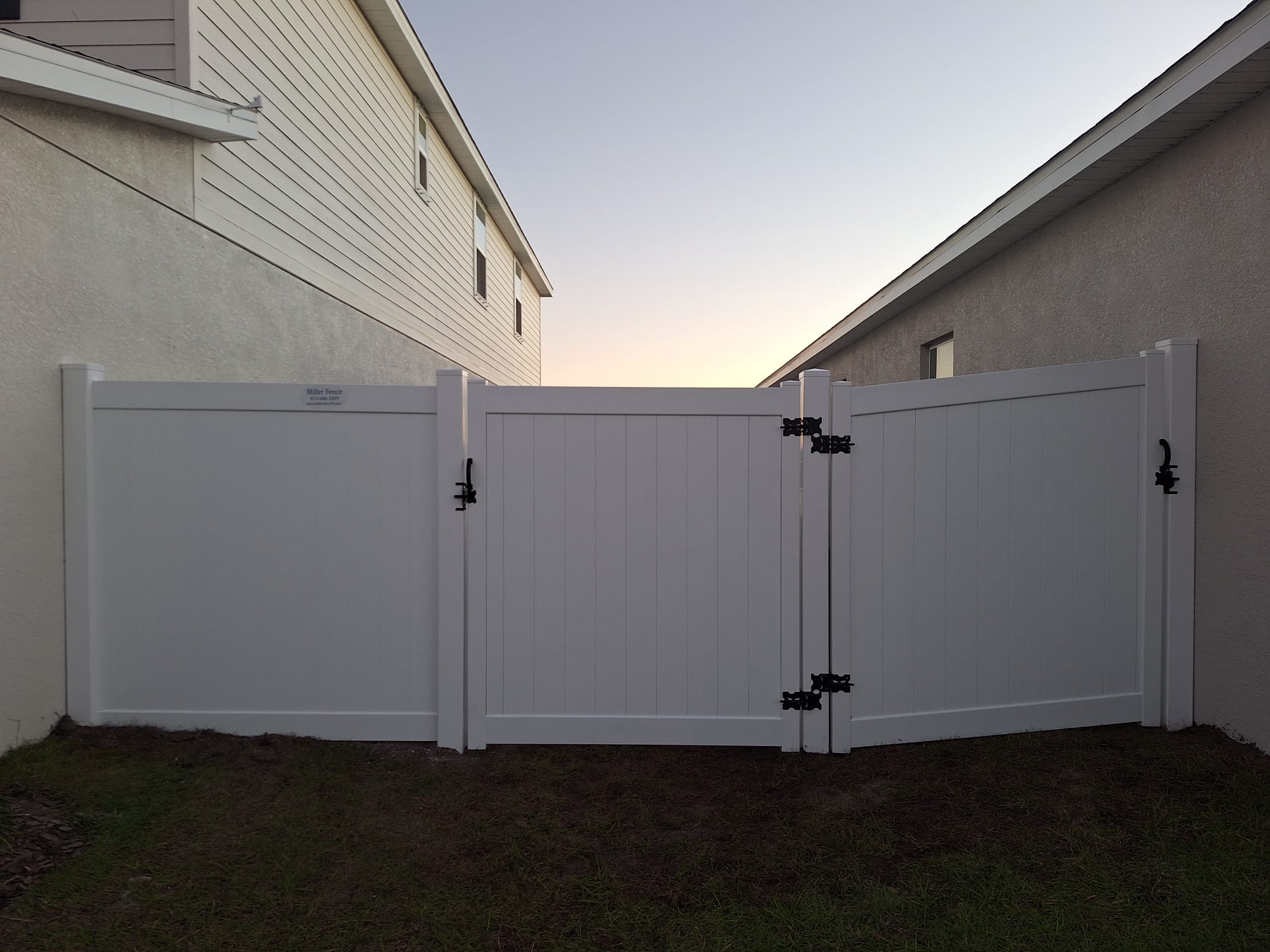
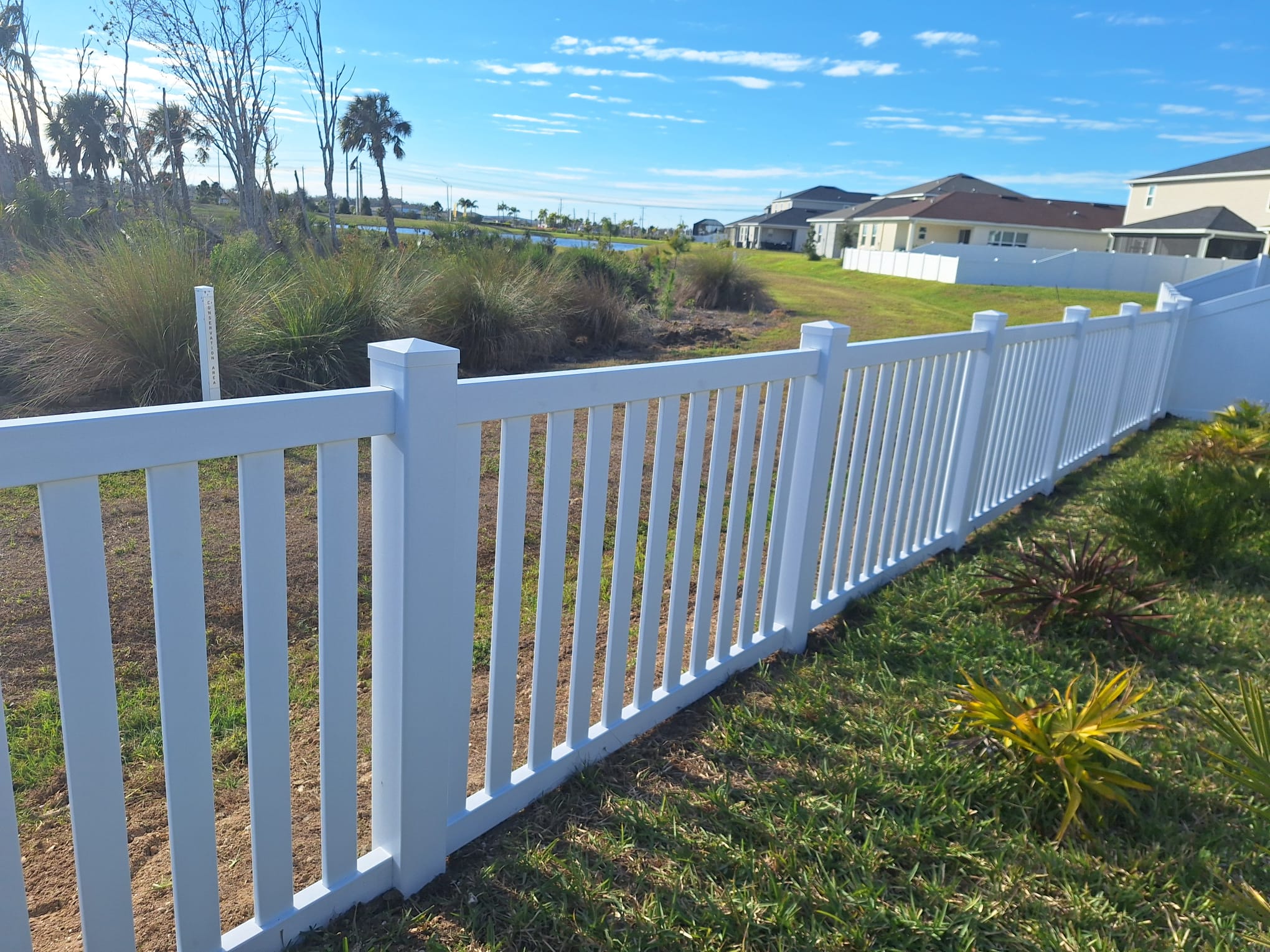
Vinyl is an increasingly popular choice for Tampa Bay homeowners. It’s resistant to rot, rust, and insect damage—all significant concerns in Florida’s humid climate. Vinyl fences require minimal maintenance, don’t need painting or staining, and come in various styles and colors. The initial investment is higher than wood, but the long-term savings on maintenance make it cost-effective.
Wood Fencing
Traditional wood fences offer natural beauty and charm. However, in Tampa Bay’s climate, wood requires regular maintenance including staining, sealing, and occasional repairs to combat rot, termites, and moisture damage. If you choose wood, invest in pressure-treated lumber and quality finishes to extend the lifespan of your fence.
Aluminum Fencing
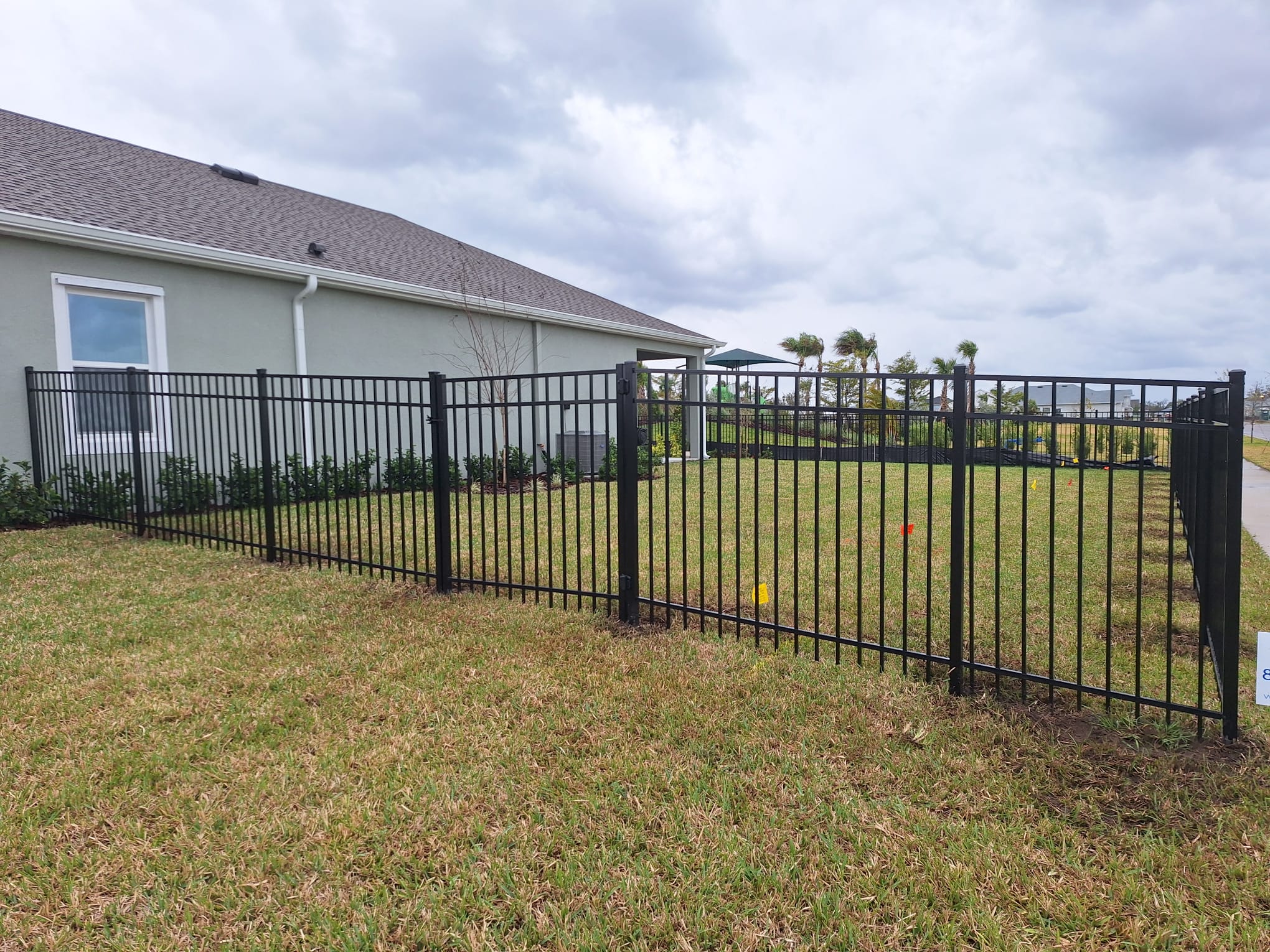
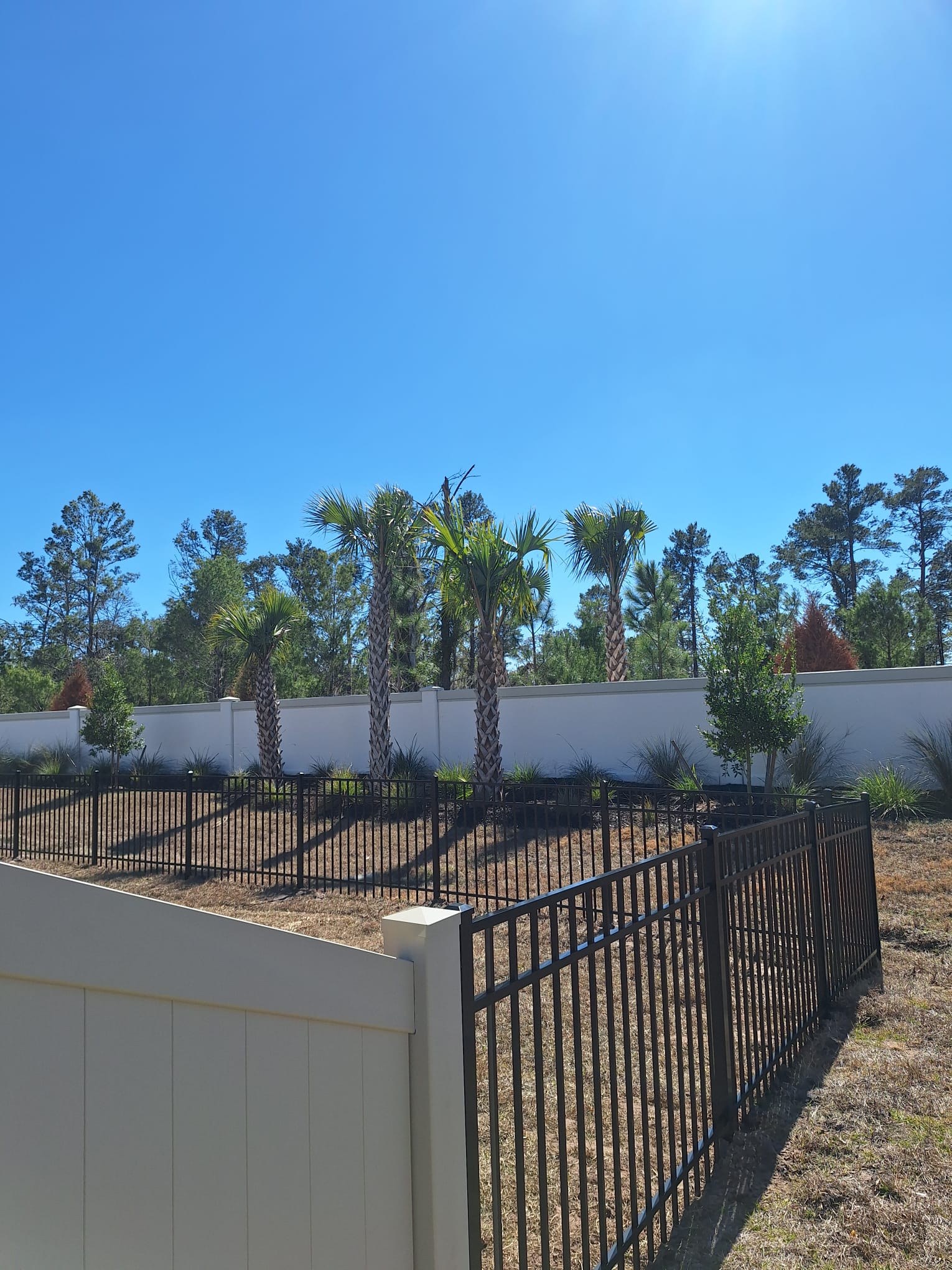
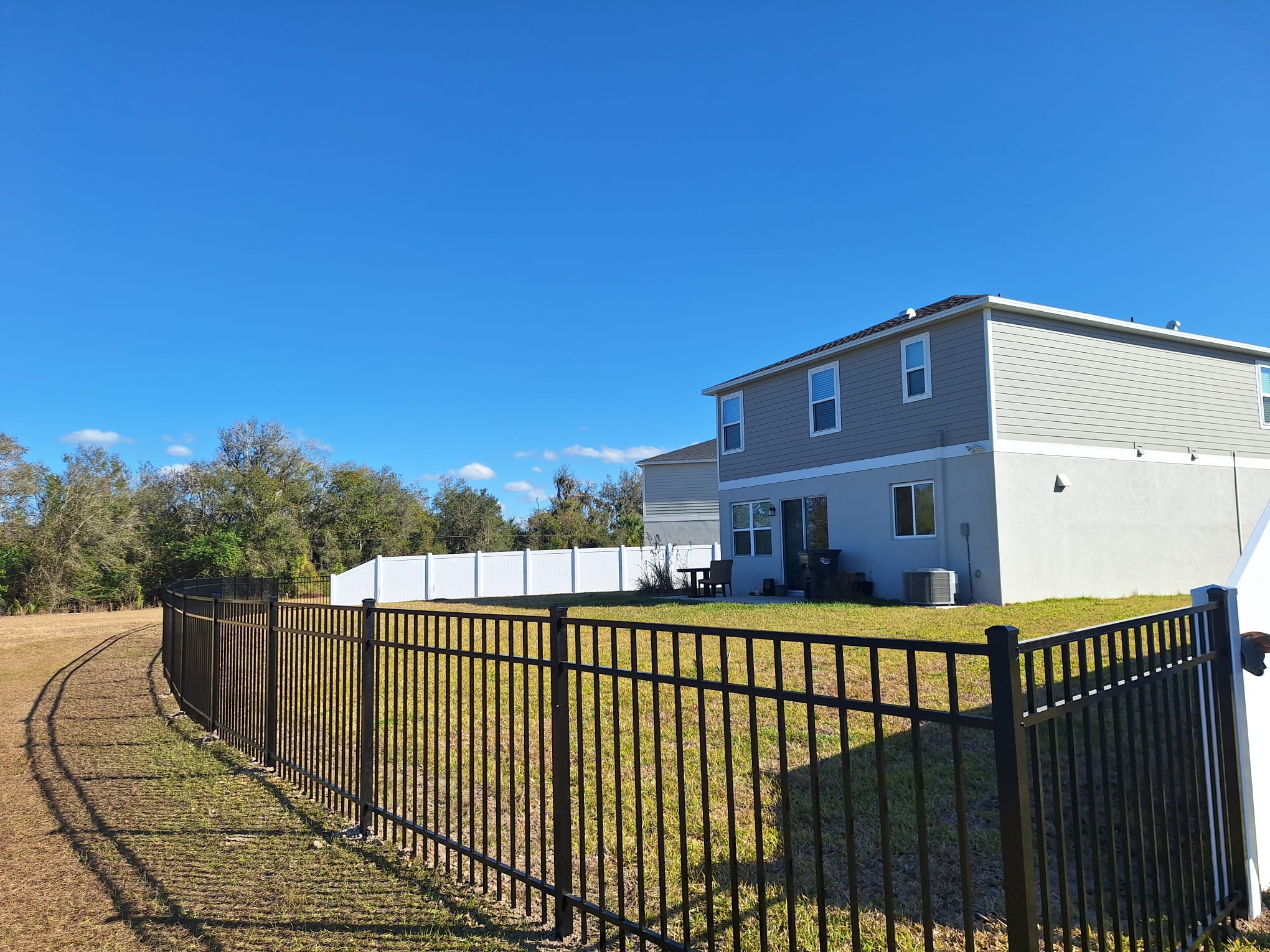
Lightweight aluminum fences are rust-proof and require minimal maintenance, making them ideal for Florida’s salty coastal air. They’re less sturdy than iron but offer a cleaner, more modern aesthetic. Aluminum is a great option for pool fencing and front-of-home installations.
Chain-Link Fencing
For a budget-friendly option, chain-link fencing is practical and durable. While not the most attractive option, it’s low-maintenance and effective for security and pet containment. Vinyl-coated chain-link provides better aesthetics while maintaining affordability.
Iron Fencing
Ornamental iron fences provide a luxurious, sophisticated look. They’re durable and strong but require periodic maintenance to prevent rust, especially important in Tampa Bay’s humid climate.
Understanding Local Regulations and Permits
Before you start your residential fence installation in Tampa Bay, it’s essential to understand local zoning laws and building codes. Tampa and surrounding areas have specific regulations regarding:
- Maximum fence heights (typically 6 feet in backyard, 4 feet in front yard)
- Setback requirements (distance from property lines)
- Materials restrictions in certain neighborhoods
- HOA guidelines if applicable
- Easement considerations for utility access
A professional fence installation Tampa Bay contractor will handle permit acquisition and ensure your fence meets all local requirements, saving you time and potential fines.
The Installation Process
Understanding what to expect during installation helps you plan accordingly. Here’s the typical timeline:
Site Assessment and Measurement
Professional installers conduct a thorough site inspection, measure your property accurately, and identify any underground utilities using locating services. This crucial step prevents costly mistakes.
Design Consultation
Discuss your goals, material preferences, and budget. A good contractor will provide visualization tools or samples to help you make informed decisions.
Permit and Preparation
All necessary permits are obtained, and your property is marked with the fence line. Underground utilities are identified and marked to prevent damage.
Post Installation
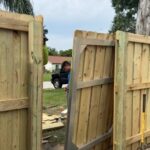
Fence posts are installed at proper intervals, set in concrete footings for stability. This is the foundation of a durable fence.
Panel Installation
Fence sections or panels are attached to the posts according to your chosen design and specifications.
Final Inspection
The fence is inspected for quality, proper installation, and code compliance. Any touch-ups or adjustments are made.
Cost Considerations for Tampa Bay Fencing
Residential fence installation costs vary based on several factors:
- Linear footage of the fence
- Material selection
- Terrain and soil conditions
- Labor costs in your area
- Additional features (gates, special designs)
- Permit and inspection fees
Budget Tip: Get multiple quotes from reputable contractors. Quality workmanship and material warranties are worth the investment in Tampa Bay’s challenging climate.
Choosing the Right Fence Installation Contractor
Selecting a qualified, experienced contractor is critical to your project’s success. Look for:
- Proper licensing and insurance coverage
- Local experience with Tampa Bay’s climate and regulations
- Strong references and customer reviews
- Detailed written estimates
- Warranty on materials and workmanship
- Clear communication and project timeline
Maintenance Tips for Long-Lasting Fences
Once your fence is installed, proper maintenance ensures longevity. Wood fences require annual sealing and staining. Vinyl fences need occasional cleaning with mild soap and water. Inspect your fence regularly for damage, especially after severe weather, and address repairs promptly.
Investing in a residential fence installation for your Tampa Bay home enhances privacy, security, and property value. With the right material selection, qualified contractor, and proper maintenance, your fence will protect and beautify your property for years to come. Whether you choose vinyl, wood, aluminum, or another material, ensure your installation meets local codes and your personal preferences. Start your fencing project today and transform your outdoor space into the retreat you’ve always wanted.
FAQs
Most residential fence installations in Tampa Bay take 3 to 7 business days to complete, depending on the fence length and material type. The entire process from consultation to completion typically takes 2-4 weeks when including permits and scheduling.
Costs vary by material. Chain-link ranges $8-12 per foot, vinyl $20-30 per foot, wood $15-25 per foot, and aluminum $18-28 per foot. For a 150-foot fence, expect to pay $1,200-$4,500 depending on material choice. Contact a fence installation Tampa Bay contractor for an exact quote.
Yes, you need a permit in Tampa Bay. Most areas require permits to ensure your fence meets height limits (6 feet in backyard, 4 feet in front yard) and setback requirements. A professional contractor will handle the permit process for you.