Picking the best fence material for your property isn’t just about looks—it’s a decision that affects your budget, maintenance time, and how long the fence will actually last. With so many options like wood, vinyl, aluminum, chain-link, and composite fencing, it’s easy to feel overwhelmed.
The truth is, there’s no single “best” fence material for everyone. The right choice depends on your climate, budget, privacy needs, and how much upkeep you’re willing to do. In this guide, we’ll break down the most popular fencing materials, compare their pros and cons, and help you figure out which one fits your home best.
What Makes a Fence Material “The Best”?
Before comparing options, it helps to know what factors actually matter when evaluating fence materials:
- Durability – How well does it hold up against weather, pests, and time?
- Maintenance – Does it need regular painting, staining, or sealing?
- Cost – What’s the upfront price versus long-term investment?
- Privacy and security – Does it block visibility and deter intruders?
- Aesthetics – Does it match your home’s style?
- Lifespan – How many years can you expect it to last?
Keeping these criteria in mind will make it much easier to compare materials fairly.
The Top Fence Materials Compared
1. Wood Fencing
Wood is the classic choice, and for good reason—it’s affordable, versatile, and gives your yard a warm, natural look.
Pros:
- Lower upfront cost compared to vinyl or aluminum
- Easy to customize with paint or stain
- Wide variety of styles (privacy, picket, split rail)
- Simple to repair in sections
Cons:
- Requires regular maintenance (staining or sealing every 2–3 years)
- Vulnerable to rot, warping, and termite damage
- Lifespan typically 15–20 years with proper care
Wood is a great fit if you want a budget-friendly, classic-looking fence and don’t mind occasional upkeep.
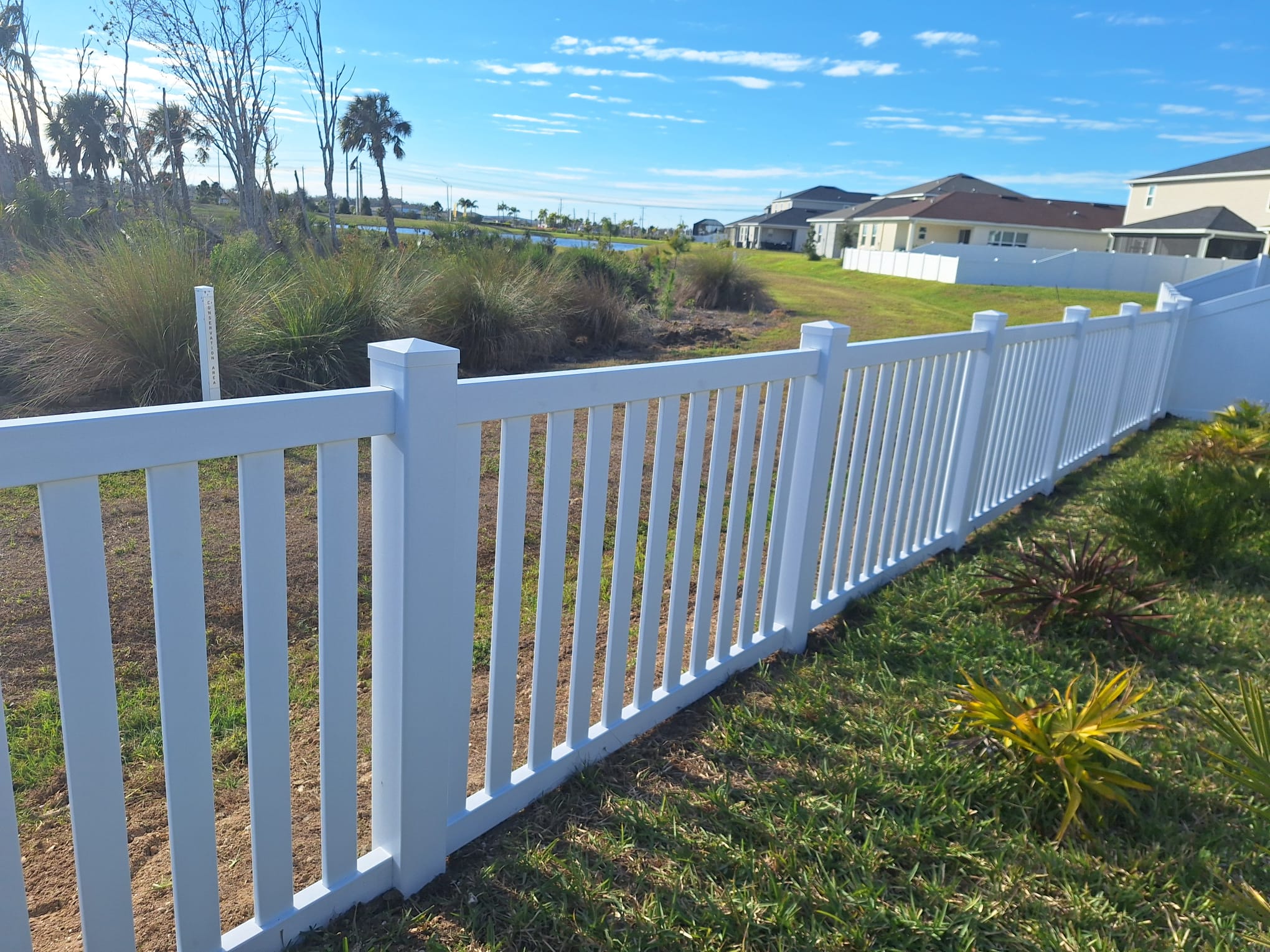
2. Vinyl Fencing
Vinyl (PVC) fencing has surged in popularity because it offers the look of wood without the maintenance headaches.
Pros:
- Virtually maintenance-free (no painting or staining)
- Resistant to rot, insects, and moisture
- Lasts 20–30 years or more
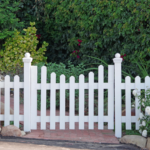
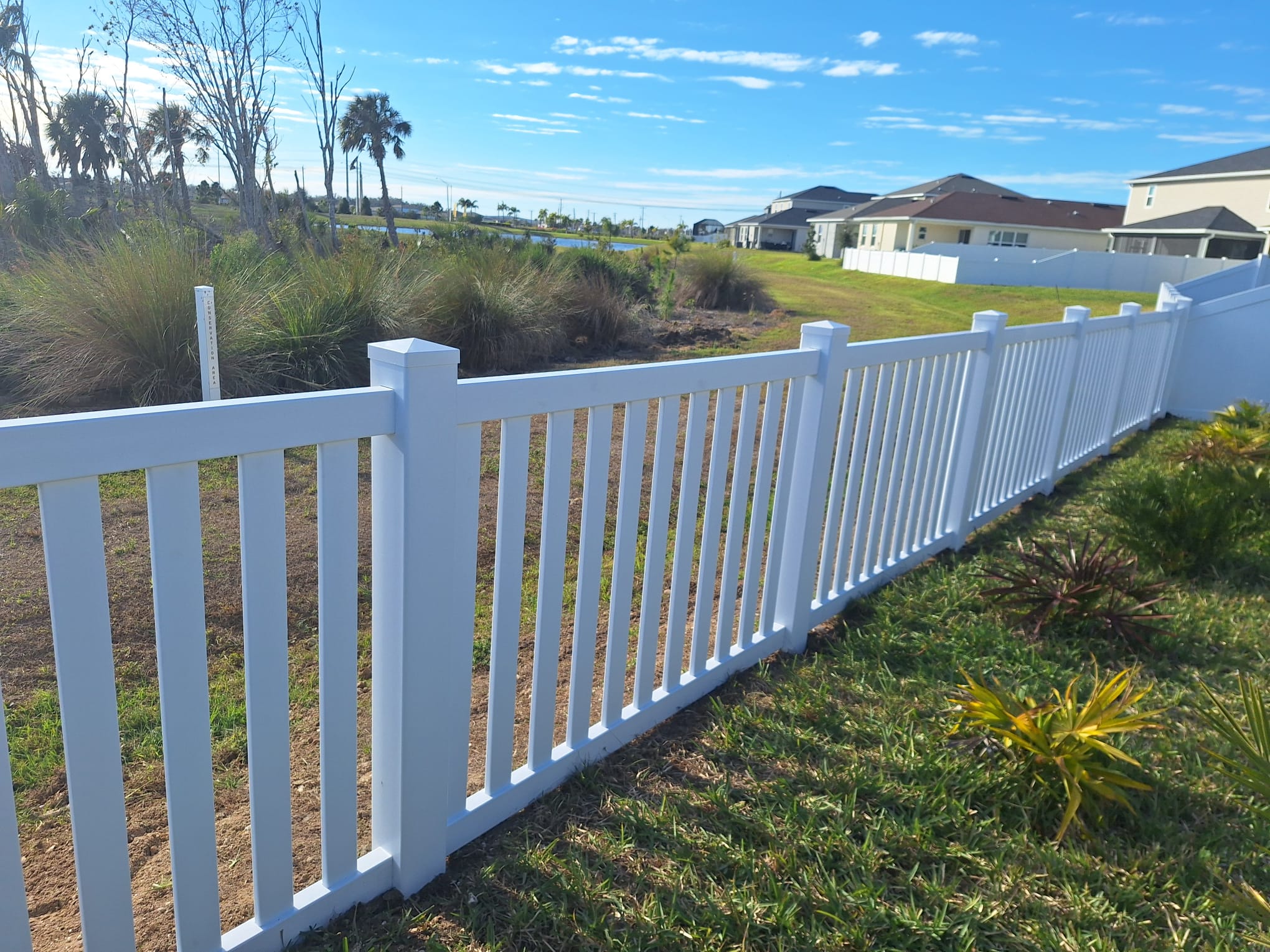
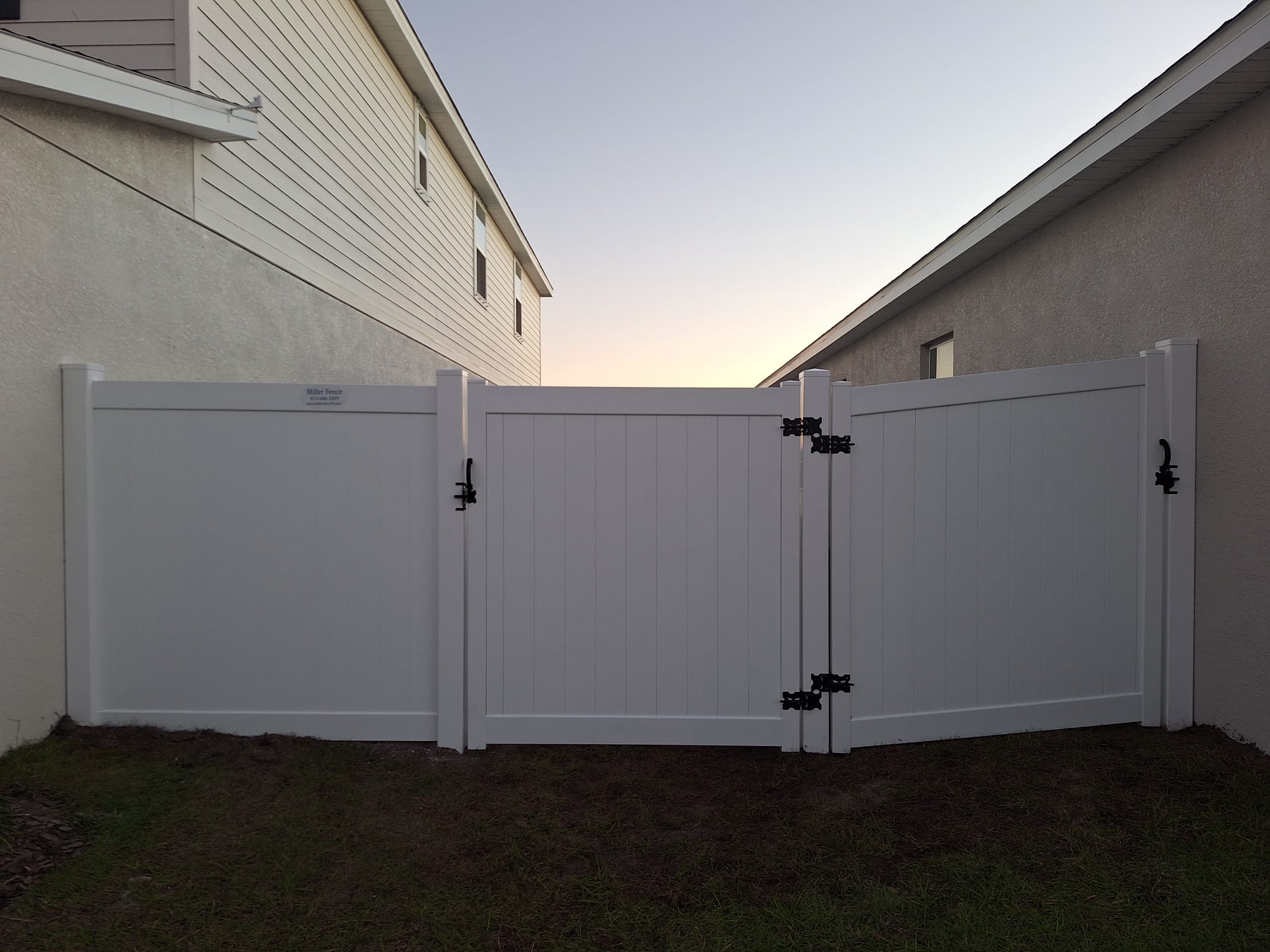
- Available in privacy, picket, and ranch-rail styles
Cons:
- Higher upfront cost than wood
- Can crack in extreme cold
- Limited color options once installed (can’t repaint)
If long-term value and low maintenance are priorities, vinyl is one of the best fence materials on the market today.
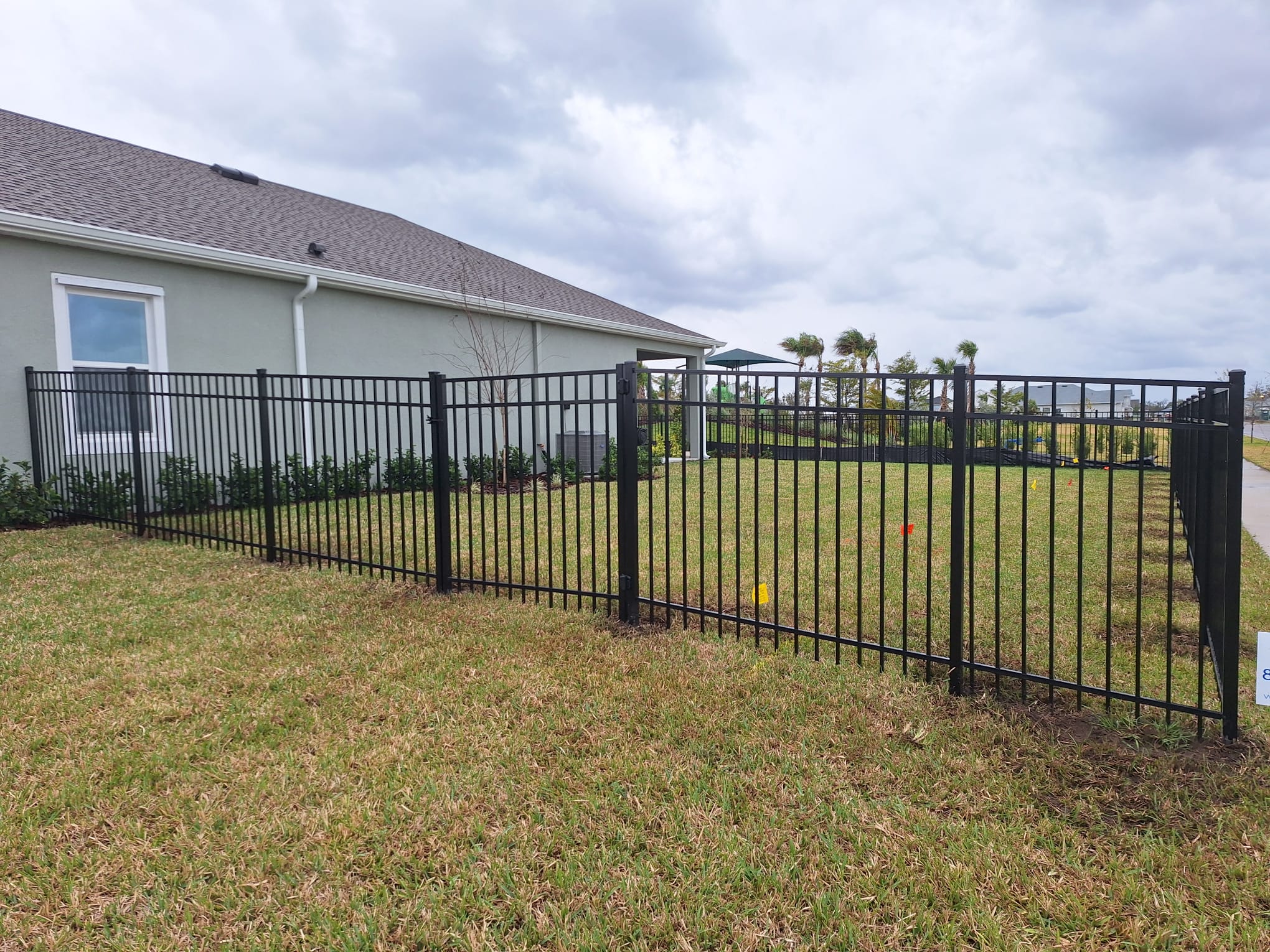
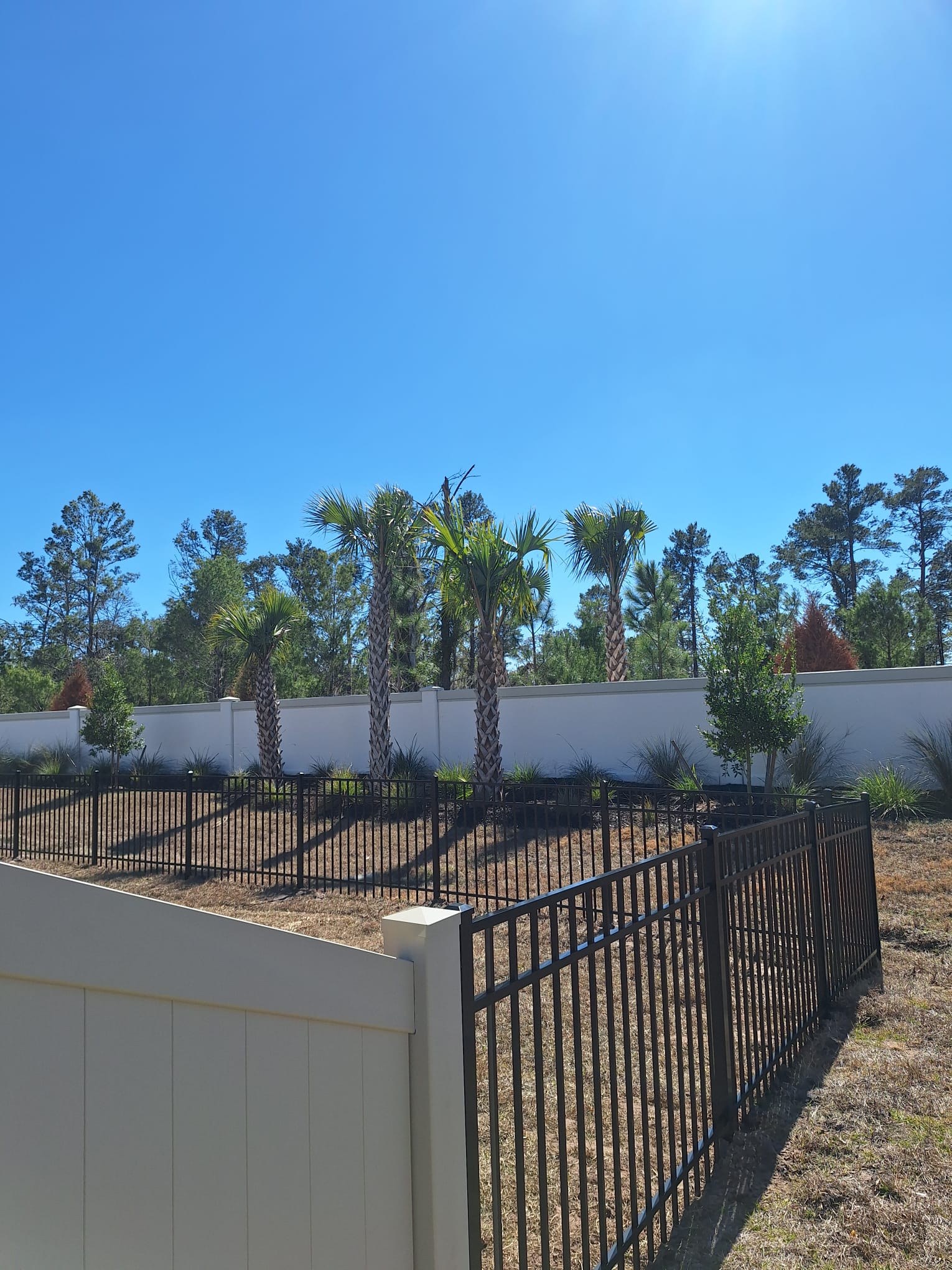
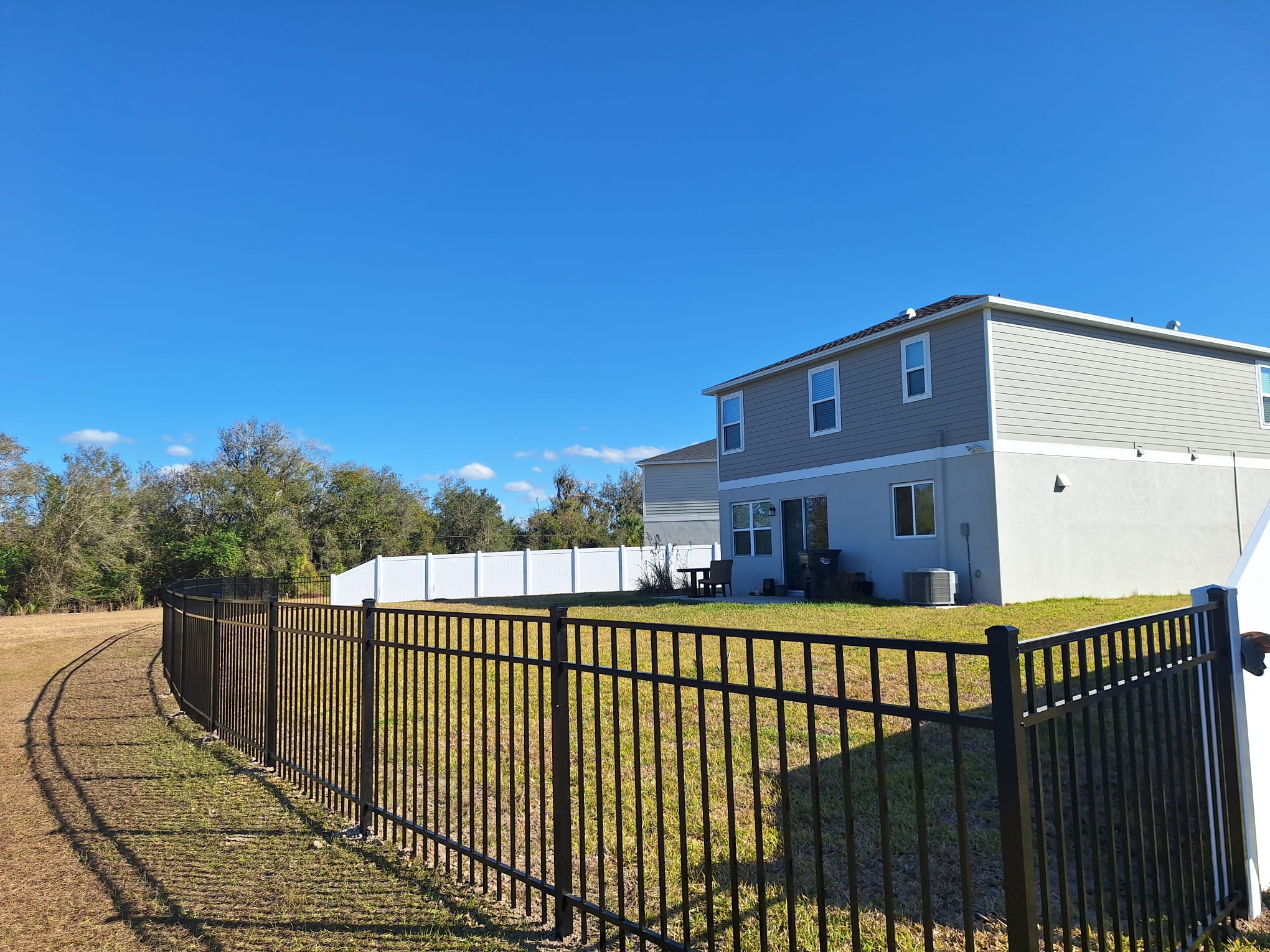
3. Aluminum Fencing
Aluminum fencing is a popular choice for pools, front yards, and properties where you want visibility without sacrificing security.
Pros:
- Rust-resistant and weatherproof
- Lightweight yet strong
- Minimal maintenance required
- Elegant, ornamental appearance
Cons:
- Not ideal for privacy (open design)
- Less impact-resistant than steel or wrought iron
- Higher cost than chain-link
Aluminum works especially well for decorative fencing, pool enclosures, and properties in coastal or humid climates.
4. Chain-Link Fencing
Chain-link is the go-to option when function matters more than style—especially for containing pets or securing large areas affordably.
Pros:
- Most budget-friendly option
- Extremely durable and low-maintenance
- Doesn’t block sunlight or airflow
- Quick to install
Cons:
- Minimal privacy
- Less visually appealing than other materials
- Can be reinforced with slats for added privacy
Chain-link is best for backyards, dog runs, or commercial properties where security and cost matter more than curb appeal.
5. Composite Fencing
Composite fencing blends wood fibers with recycled plastic, offering a middle ground between wood’s aesthetics and vinyl’s durability.
Pros:
- Resistant to rot, insects, and fading
- Low maintenance (no staining or sealing)
- Eco-friendly since it uses recycled materials
- Natural wood-like appearance
Cons:
- Higher price point than wood or vinyl
- Heavier, which can increase installation costs
Composite is ideal for homeowners who want the beauty of wood combined with long-term durability.
Which Fence Material Is Right for You?
Here’s a quick way to match your priorities to the best fencing option:
- Best for budget: Chain-link
- Best for privacy: Wood or vinyl privacy panels
- Best for low maintenance: Vinyl or composite
- Best for curb appeal: Wood, composite, or ornamental aluminum
- Best for pools and open views: Aluminum
- Best for longevity: Vinyl (20–30+ years)
Think about your top one or two priorities—whether that’s cost, privacy, or maintenance—and let that guide your final decision.
Factors to Consider Before You Buy
Climate and Weather
If you live somewhere with harsh winters or heavy rain, vinyl and aluminum tend to hold up better than wood, which is more prone to moisture damage.
Local Regulations and HOA Rules
Many neighborhoods have specific rules about fence height, style, and materials. Always check with your local zoning office or HOA before installing a new fence.
Long-Term Costs vs. Upfront Price
A cheaper material like wood may cost less initially but require more spending over time on maintenance and repairs. Vinyl and composite often pay off in the long run despite a higher initial investment.
Conclusion
There’s no one-size-fits-all answer to the “best fence material” question—it really comes down to your budget, maintenance preferences, and what you want the fence to accomplish. Wood offers classic charm at a lower price, vinyl and composite deliver long-lasting, low-maintenance performance, aluminum provides an elegant open design, and chain-link remains the most affordable functional option.
Take a moment to weigh your priorities—privacy, durability, style, or cost—and you’ll be able to confidently choose the fencing material that fits your home and lifestyle.
Ready to upgrade your yard? Reach out to a local fencing professional for a free quote and personalized recommendation based on your property’s specific needs.
Frequently Asked Questions
Vinyl and aluminum are among the most durable fence materials, often lasting 20–30 years with minimal maintenance. Composite fencing is also highly durable and resists rot, warping, and insect damage.
Chain-link fencing is typically the most affordable option upfront, making it a popular choice for large properties or homeowners on a tight budget. Wood is also budget-friendly, though it requires more long-term maintenance.
Vinyl fencing requires the least maintenance since it never needs painting, staining, or sealing—just occasional cleaning with soap and water. Aluminum and composite fencing are also low-maintenance alternatives.