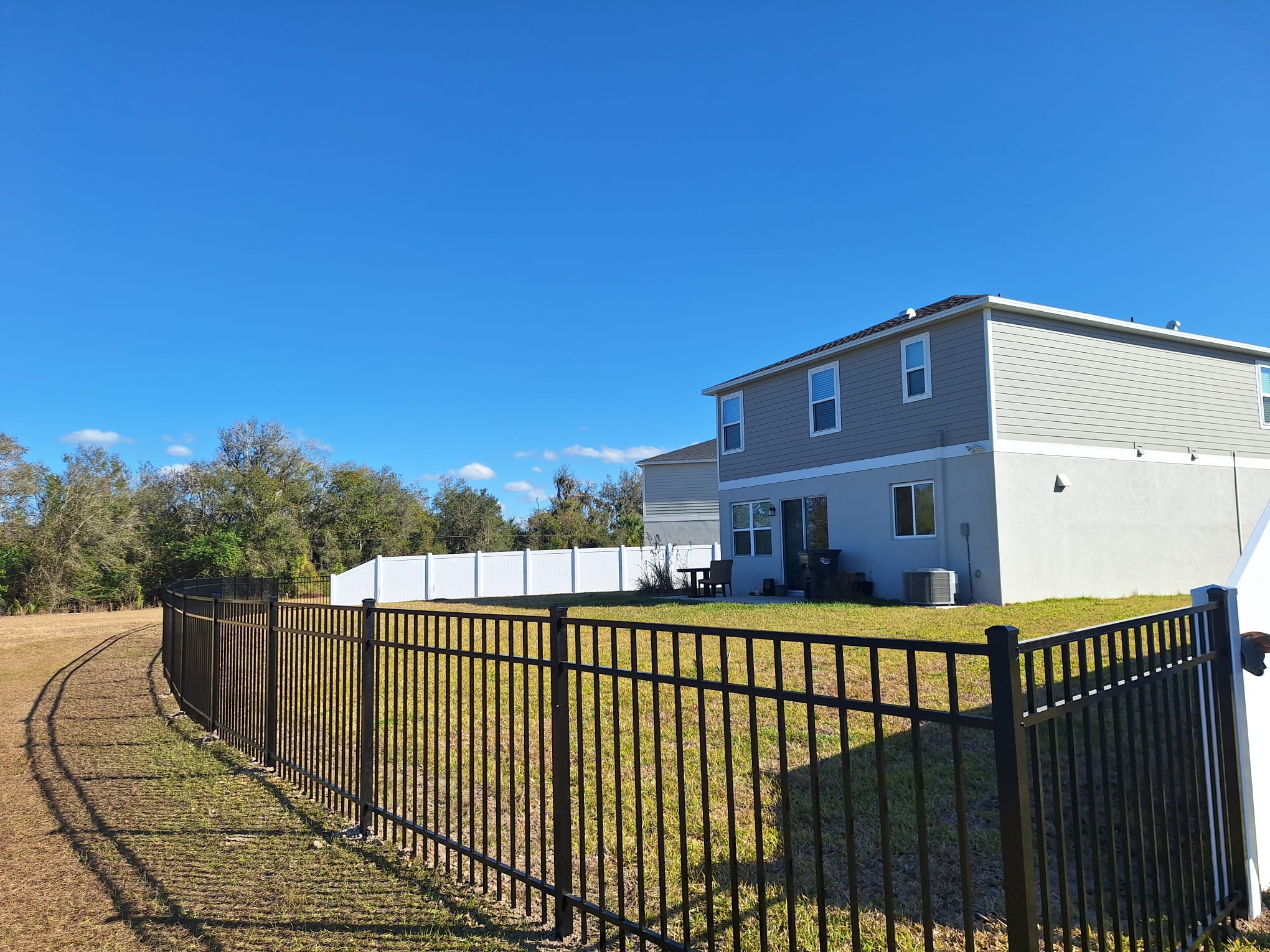
Finding the Best Fence for Florida Weather Doesn’t Have to Be Complicated
If you’ve lived in Florida for more than a summer, you already know the drill: blazing sun one minute, torrential downpours the next, and hurricane season looming from June through November. Your fence isn’t just a property line or a privacy screen — it’s a structure that has to survive brutal humidity, salty coastal air, relentless UV rays, and the occasional tropical storm.
Choosing the best fence for Florida weather means balancing durability, maintenance, and cost while accounting for the unique climate challenges the Sunshine State throws at homeowners. In this guide, we’ll break down the top fencing materials, what makes them hurricane-resistant, and how to pick the right option for your home.
Why Florida’s Climate Is So Tough on Fences
Before comparing materials, it helps to understand what you’re actually up against. Florida weather creates a perfect storm (literally) of conditions that can wreck a poorly chosen fence:
- High humidity that accelerates wood rot and metal corrosion
- Intense UV exposure that fades color and weakens materials over time
- Salt air near coastal areas, which speeds up rust and decay
- Heavy rainfall and flooding, which can undermine posts and foundations
- Hurricane-force winds, which put serious structural stress on any fence
A fence built for a mild, dry climate simply won’t hold up here. That’s why Florida homeowners need materials specifically suited to withstand tropical, storm-prone conditions.
Top Fence Materials for Florida’s Weather
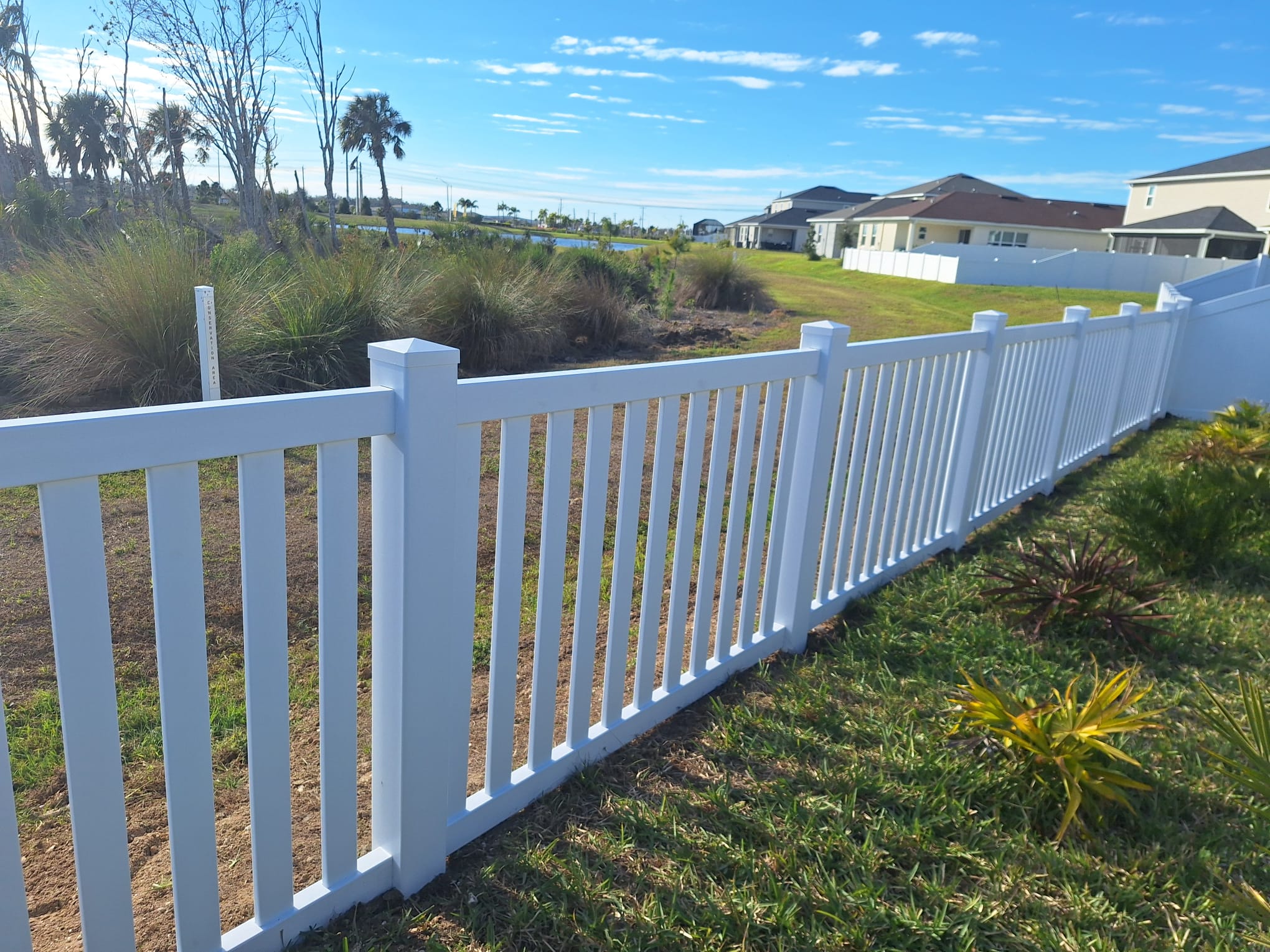
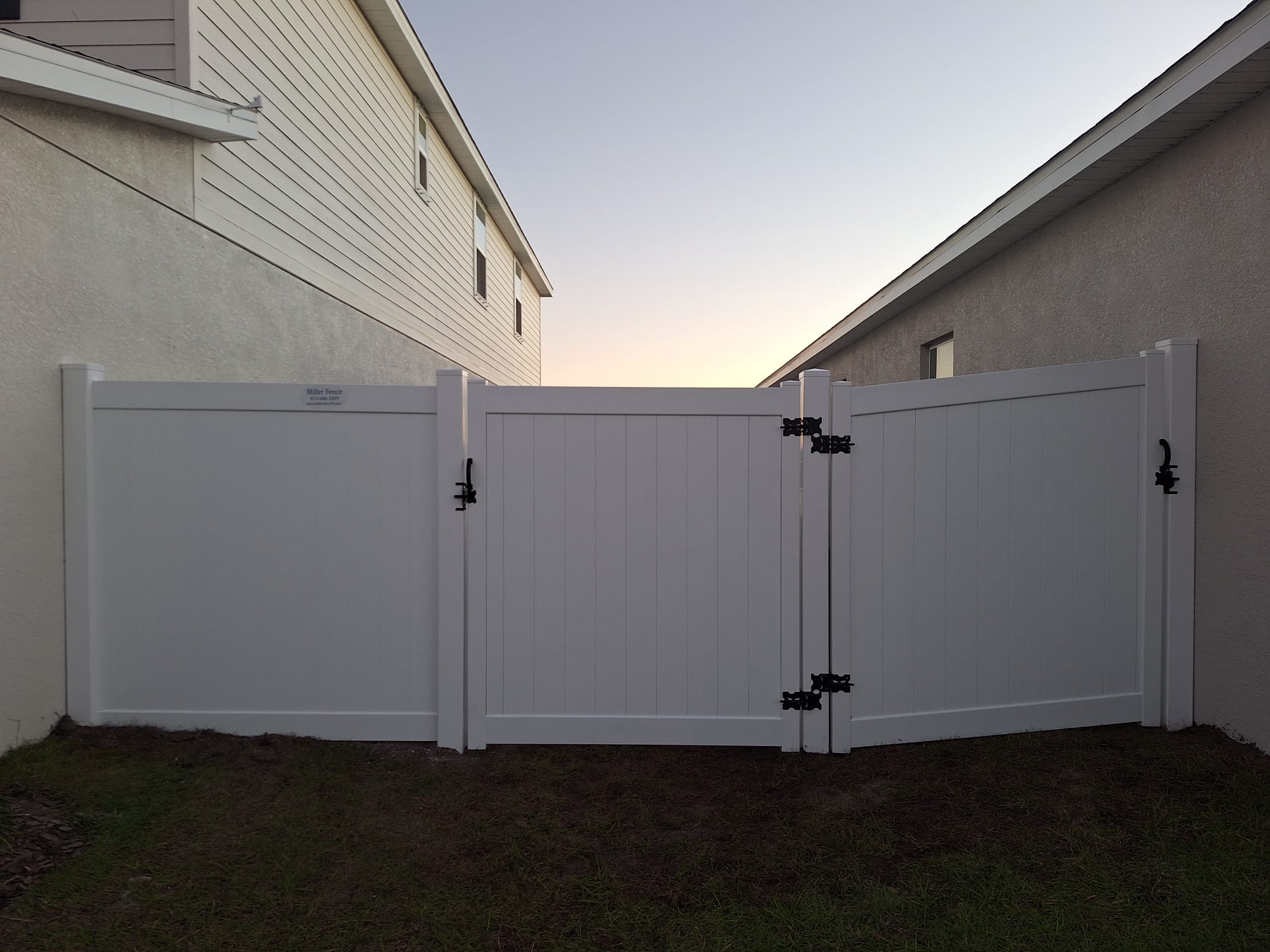
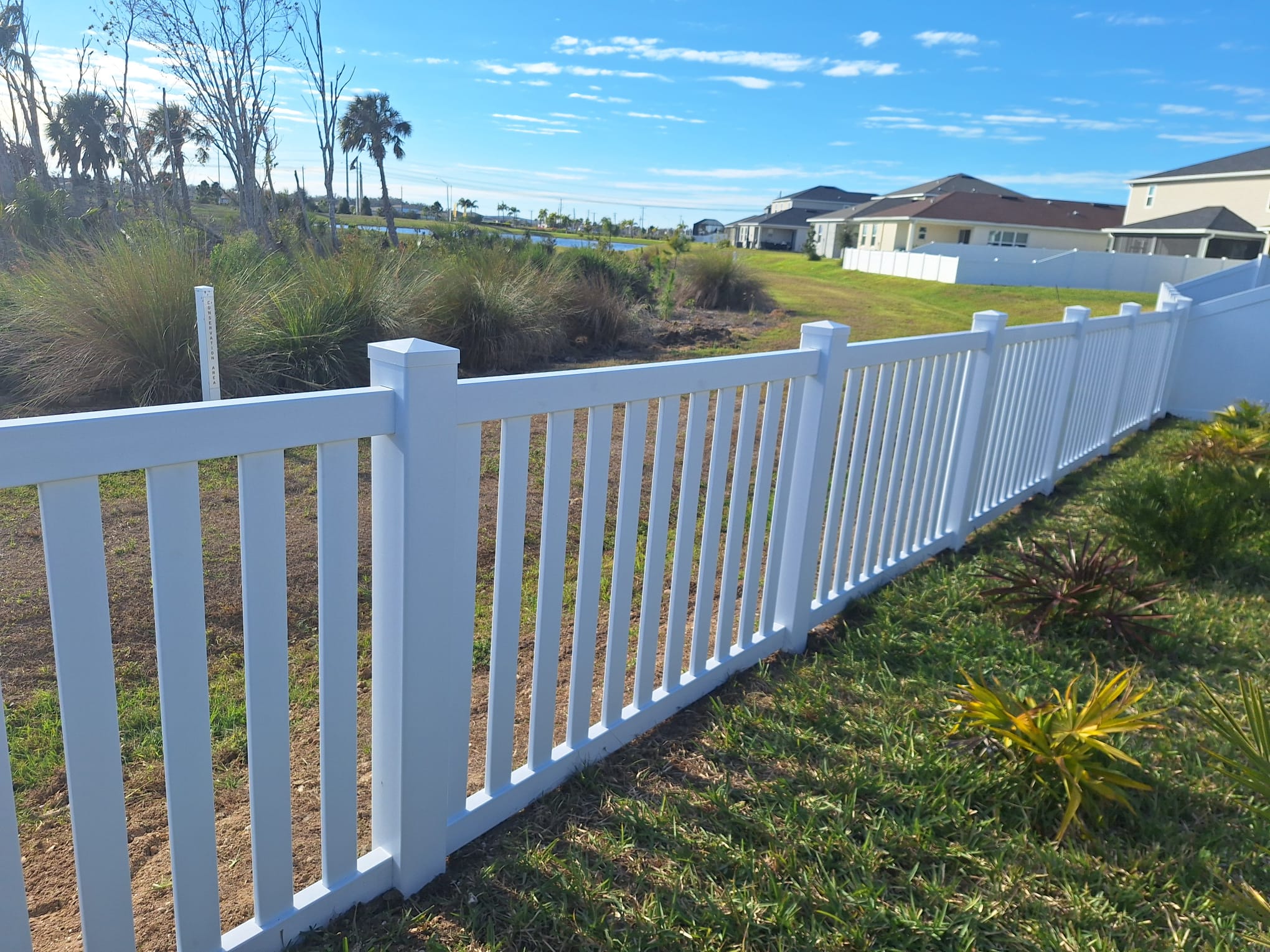
1. Vinyl (PVC) Fencing
Vinyl has become one of the most popular fencing choices in Florida, and for good reason. It’s essentially weatherproof.
Why it works:
- Resistant to rot, rust, and insect damage
- Doesn’t warp or crack under UV exposure (when it’s high-quality vinyl)
- Easy to clean — a quick hose-down keeps it looking new
- Available in hurricane-rated designs with reinforced posts
Watch for: Lower-grade vinyl can become brittle over time in extreme heat, so it’s worth investing in a UV-stabilized, thicker-gauge product.
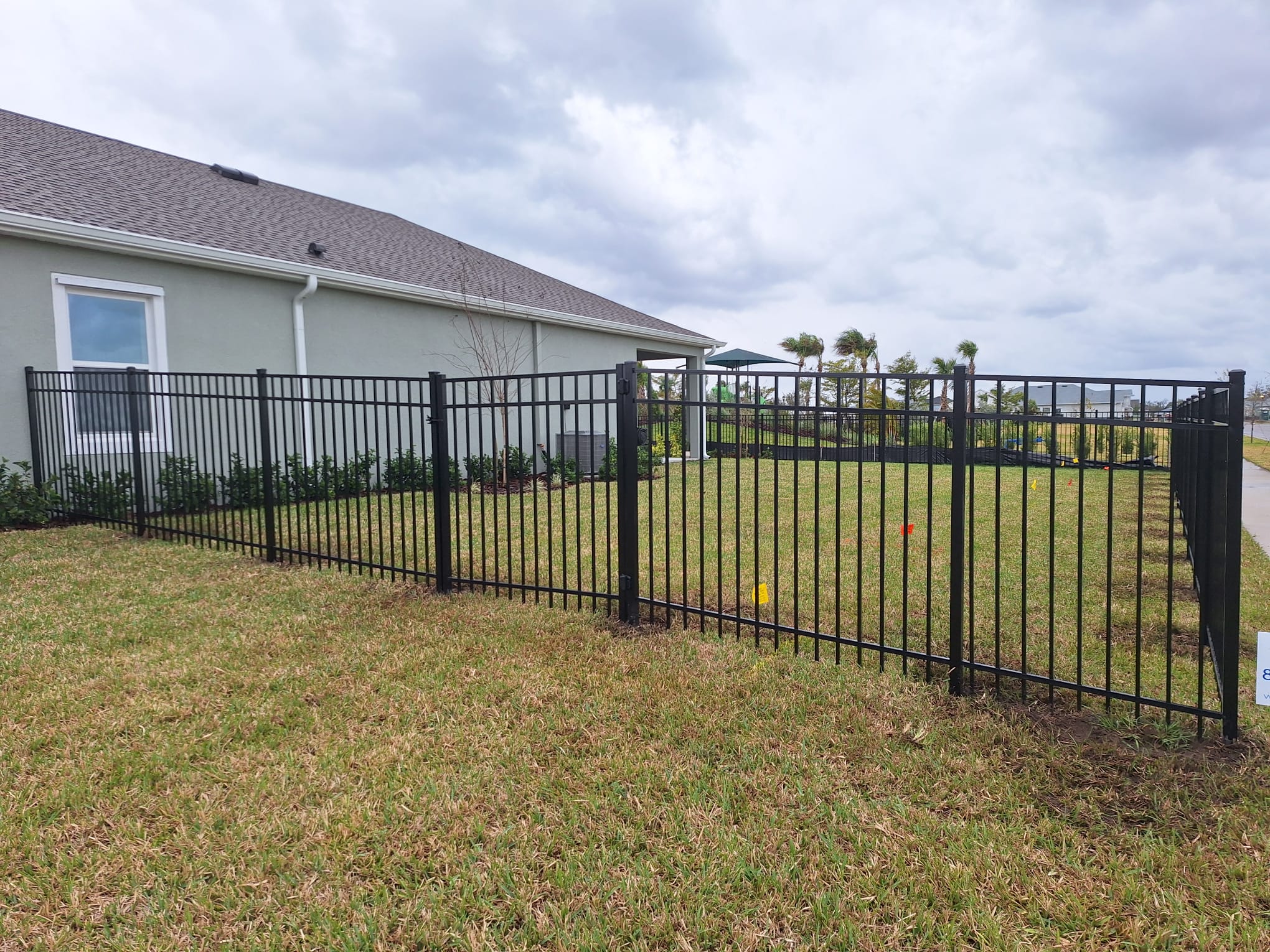
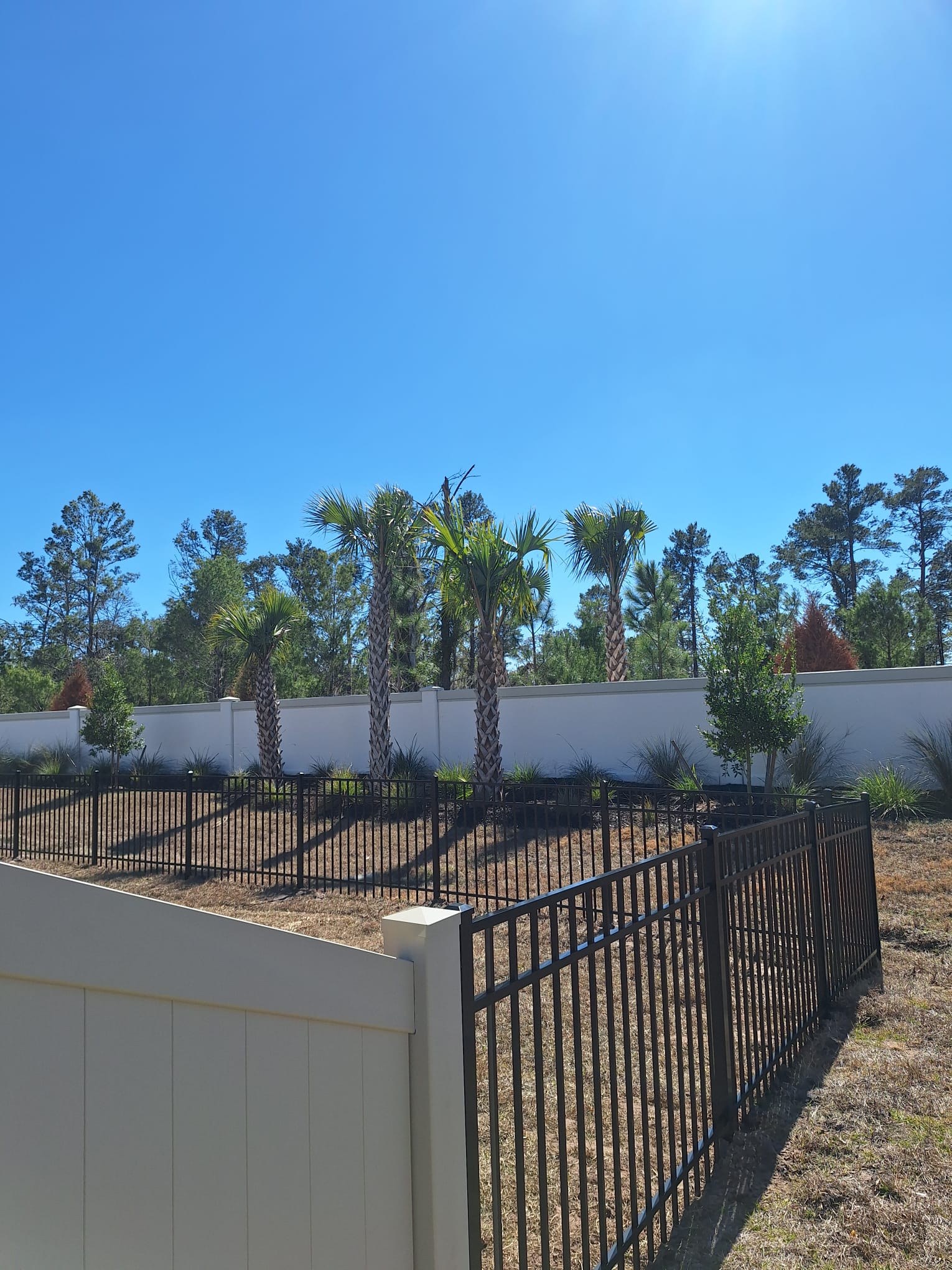
2. Aluminum Fencing
Aluminum is a favorite for pool enclosures and decorative perimeter fencing across Florida.
Why it works:
- Naturally rust-resistant, even in salty coastal air
- Lightweight yet strong, with good wind resistance when properly anchored
- Low maintenance — no repainting or sealing needed
- Meets Florida’s pool safety code requirements in many designs
Watch for: Aluminum can bend under extreme wind if it’s a lower-gauge product, so choose a heavier-duty option for hurricane-prone zones.
3. Composite Fencing
Composite fencing blends recycled wood fibers with plastic polymers, giving you the classic wood look without the classic wood problems.
Why it works:
- Resistant to moisture, rot, and termites — a huge win in Florida’s humid, bug-friendly climate
- Holds color well under intense sun
- Sturdy enough to handle tropical storms
- Minimal upkeep compared to traditional wood
Watch for: Composite fencing tends to cost more upfront, but the long-term durability often offsets the initial investment.
4. Concrete and Masonry Fencing (Block Walls)
For maximum storm resistance, many Florida homeowners — especially in hurricane-prone coastal regions — opt for concrete block walls.
Why it works:
- Extremely wind and impact resistant
- Doesn’t rot, rust, or degrade from humidity
- Offers excellent privacy and sound buffering
- Often required or preferred in HOA communities near the coast
Watch for: Higher installation cost and less flexibility in design compared to other materials.
5. Pressure-Treated Wood (With Caveats)
Wood fencing can still work in Florida, but it requires the right treatment and regular maintenance.
Why it can work:
- Pressure-treated lumber resists rot and termites better than untreated wood
- Offers a natural, classic aesthetic many homeowners love
- More budget-friendly upfront than vinyl or composite
Watch for: Wood needs regular sealing and staining to prevent warping, mold, and moisture damage — expect more maintenance than other materials on this list.
What Makes a Fence Truly Hurricane-Resistant?
Material matters, but so does construction. When evaluating fencing options, look for:
- Reinforced posts set in concrete footings below the frost line (or deep enough for Florida’s sandy soil)
- Wind-load ratings — many manufacturers now specify wind resistance up to 110-150 mph
- Proper spacing between pickets or panels to reduce wind resistance (solid panels catch more wind than semi-open designs)
- Quality hardware — stainless steel or galvanized fasteners resist rust far better than standard steel
Maintenance Tips to Extend Your Fence’s Life in Florida
Even the best fence for Florida weather benefits from a little TLC:
- Rinse off salt residue and pollen buildup every few months
- Inspect posts and hardware annually for rust or loosening
- Trim nearby vegetation to prevent moisture buildup against the fence
- Reseal wood fencing every 1–2 years
- Check for storm damage after major weather events and repair promptly
Choosing the Right Fence for Your Property
The best fence ultimately depends on your priorities:
- Want low maintenance and long-term durability? Vinyl or aluminum are excellent choices.
- Want a natural wood look without the upkeep? Composite fencing is your best bet.
- Living in a high-wind coastal zone? Concrete block walls offer unmatched storm protection.
- Working with a tighter budget? Pressure-treated wood can work with consistent maintenance.
Final Thoughts
There’s no one-size-fits-all answer to the best fence for Florida weather, but there is a best fence for your situation. Consider your budget, how much maintenance you’re willing to do, and how exposed your property is to storms and coastal air. Materials like vinyl, aluminum, composite, and concrete consistently outperform traditional wood in Florida’s demanding climate — but the right choice comes down to your home’s specific needs.
Ready to protect your property with a fence built for Florida’s toughest weather? Reach out to a local fencing contractor for a free consultation and quote tailored to your home and budget.
Frequently Asked Questions
Concrete block walls generally offer the strongest hurricane resistance due to their solid construction and high wind tolerance. Vinyl and aluminum fences with reinforced posts and proper wind-rated designs are also strong options for most residential needs.
It depends on the material. Wood fences typically need replacement or major repairs every 10–15 years, while vinyl, aluminum, and composite fences can last 20–30 years or more with proper installation and minimal maintenance.
For most homeowners, yes. Vinyl resists the humidity, UV exposure, and insect damage that cause wood to rot and warp over time. While wood has a lower upfront cost, vinyl often proves more cost-effective long-term due to reduced maintenance and replacement needs.