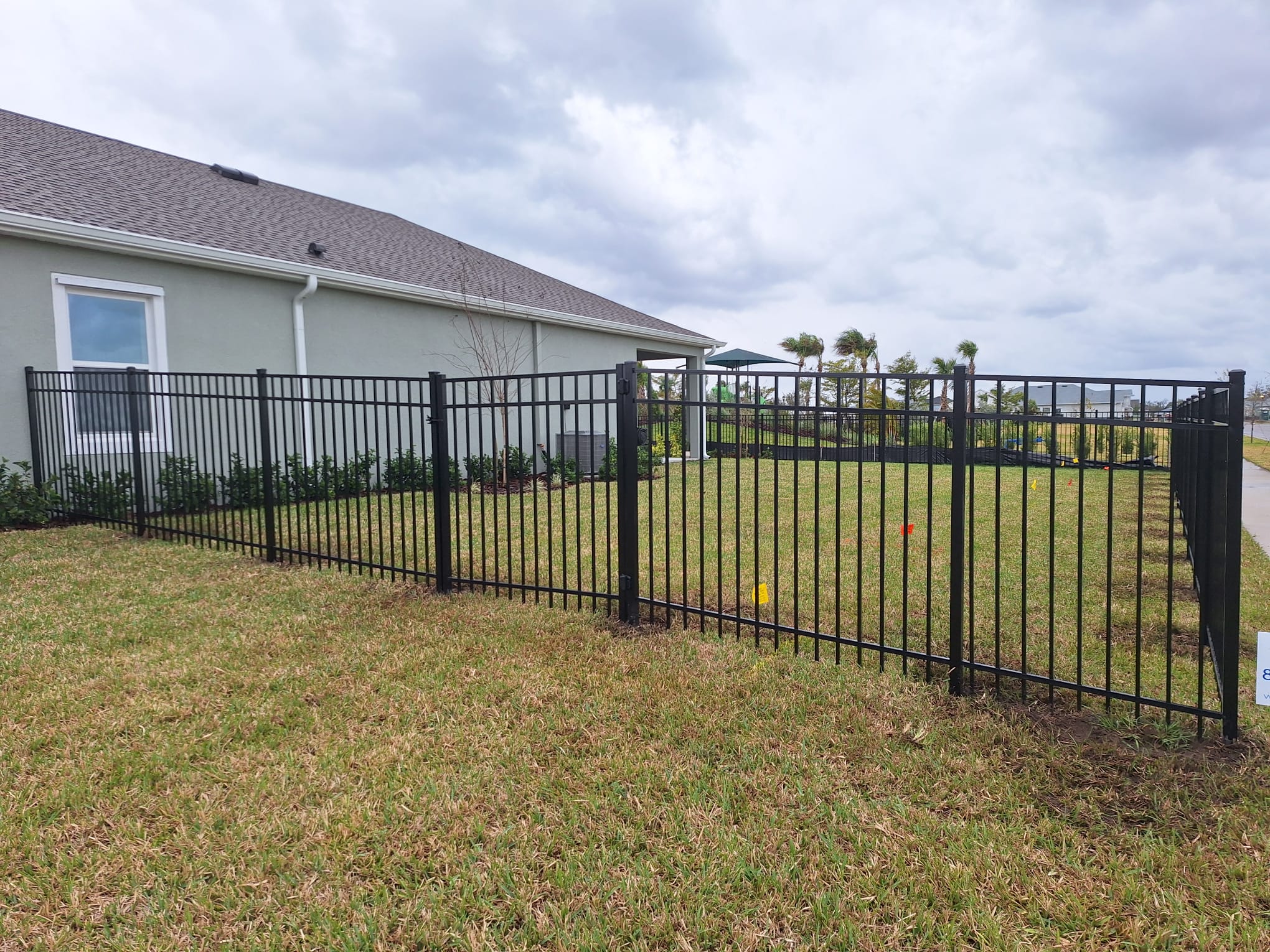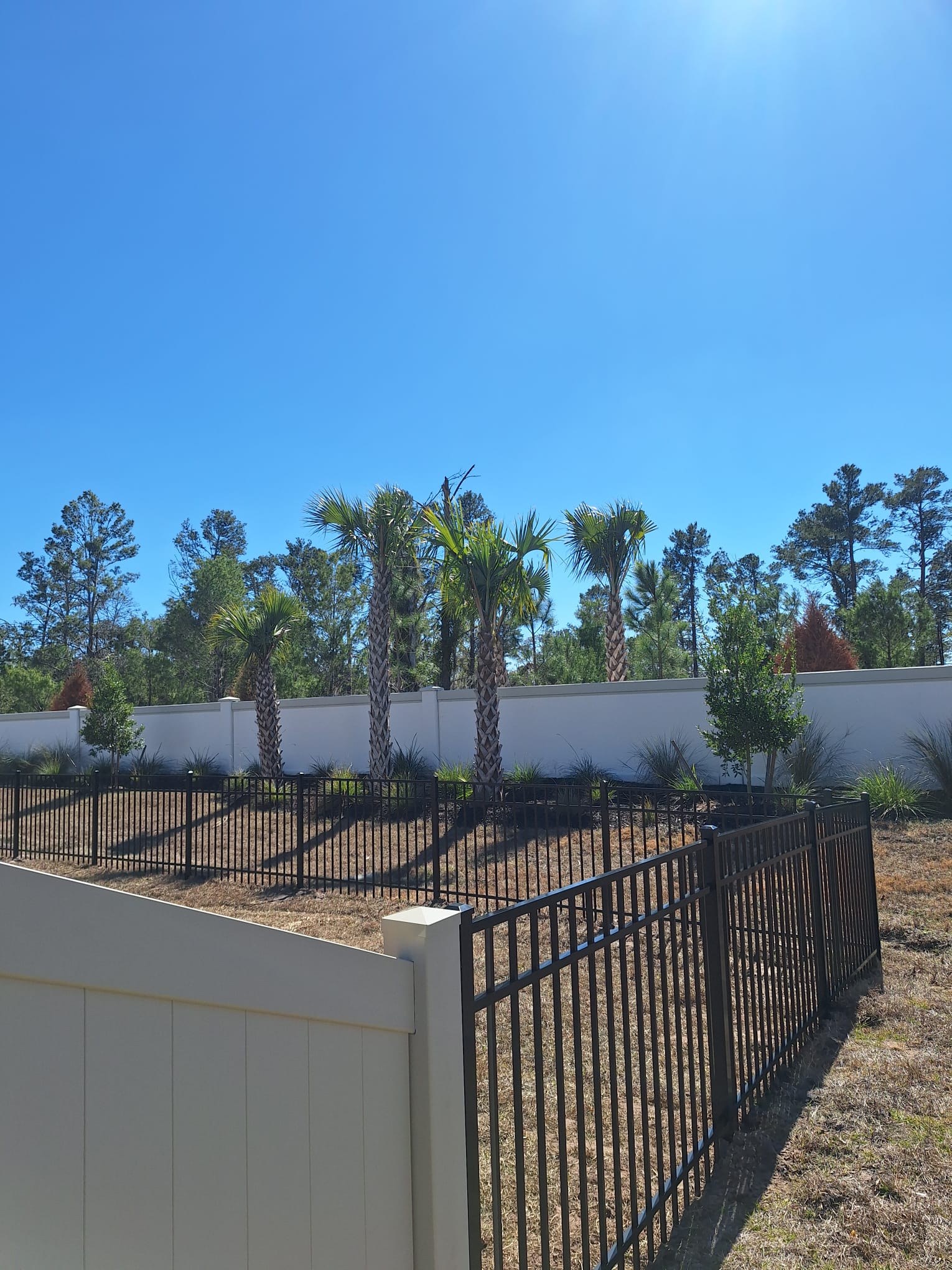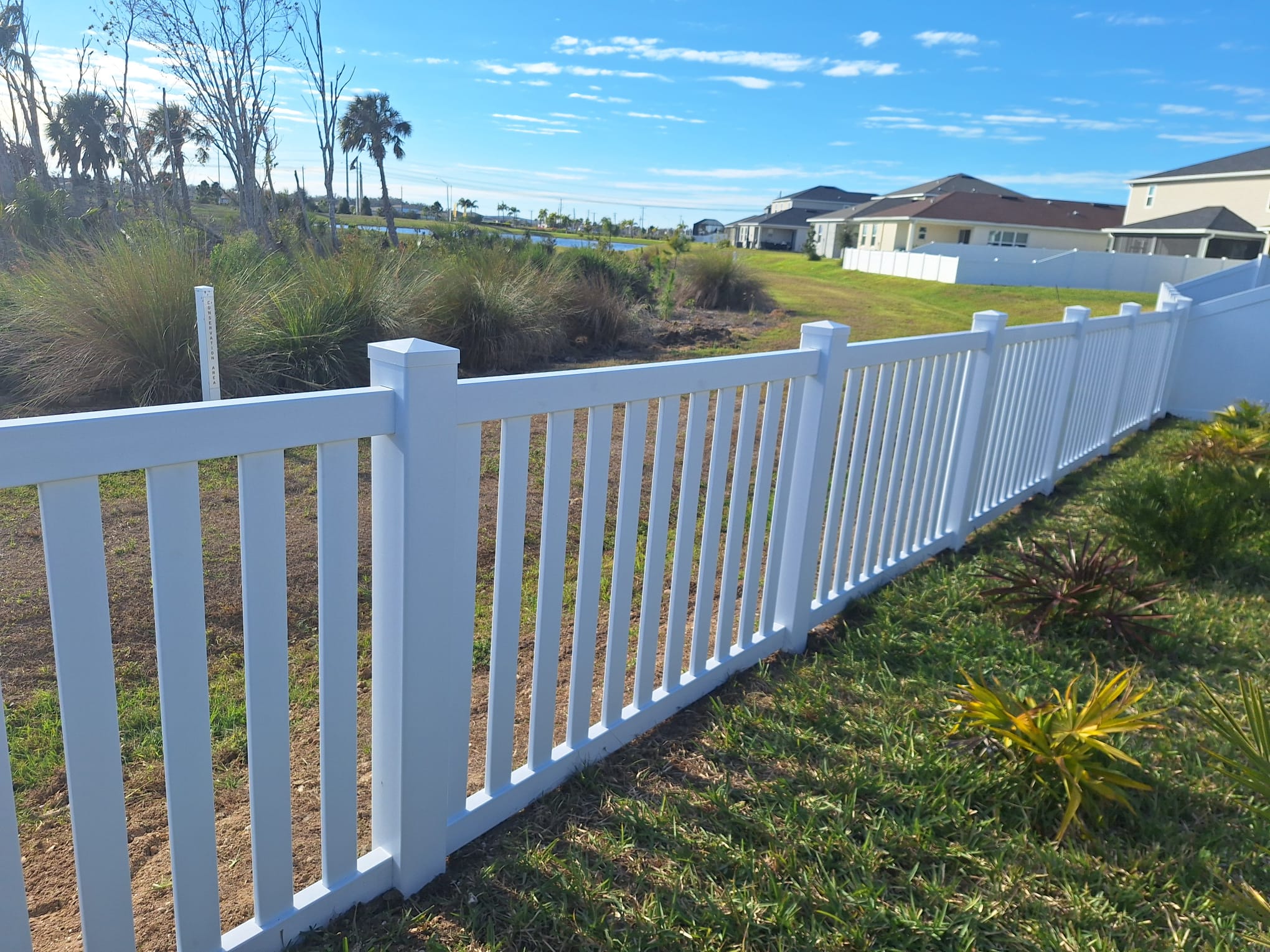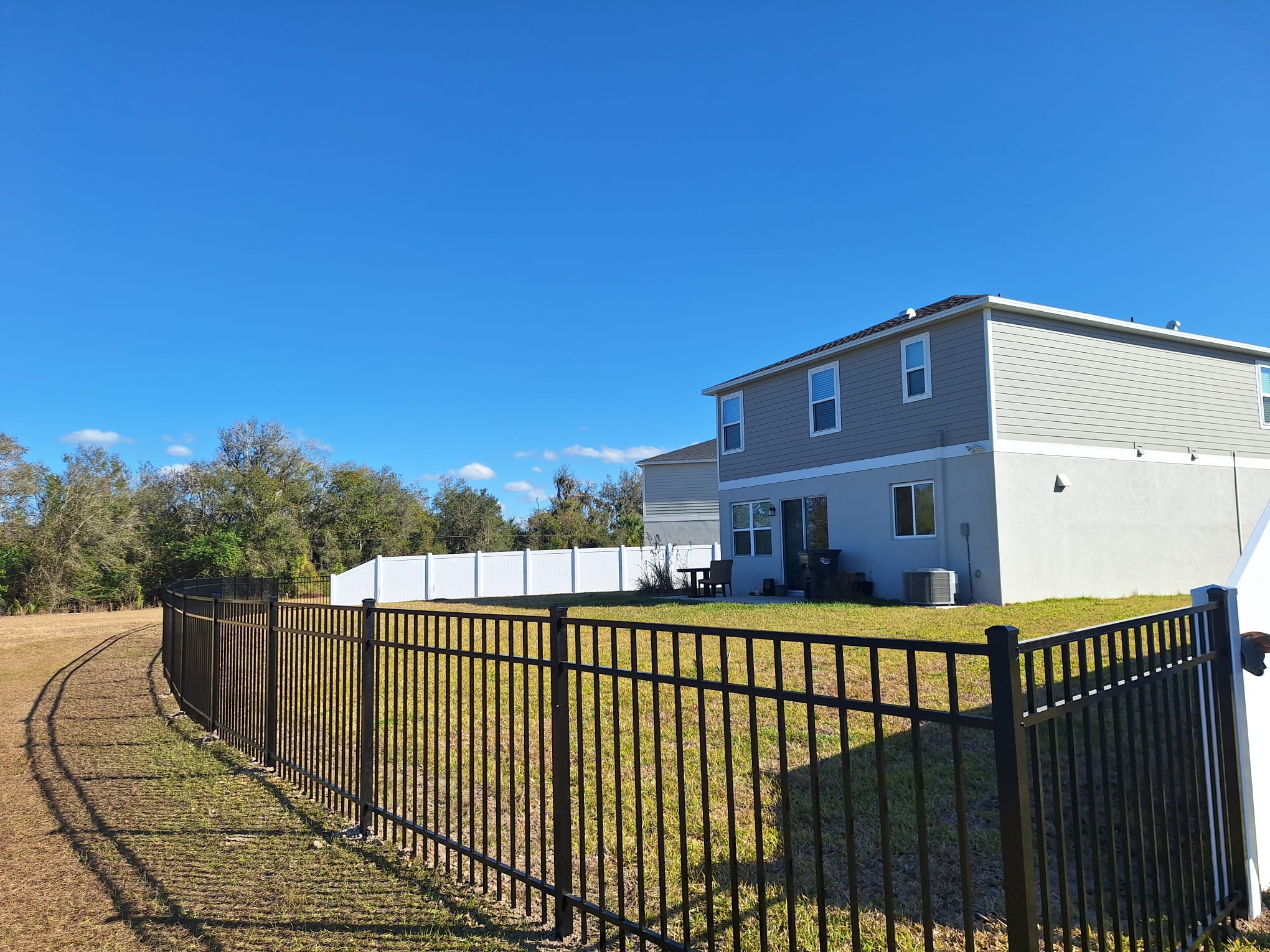
When comparing vinyl fence pros and cons in Florida, homeowners need to look beyond appearance. Florida’s intense sun, year-round humidity, heavy rain, salt air in coastal communities, and hurricane-season winds all affect how a fence performs over time. Vinyl fencing can be an attractive, low-maintenance choice, but it is not automatically the right fit for every property or budget.
A good fence should meet your privacy, security, style, and upkeep needs while holding up to the conditions around your home. Understanding the advantages and limitations of vinyl can help you make a confident investment rather than choosing based on curb appeal alone.
Why Vinyl Fencing Is Popular in Florida
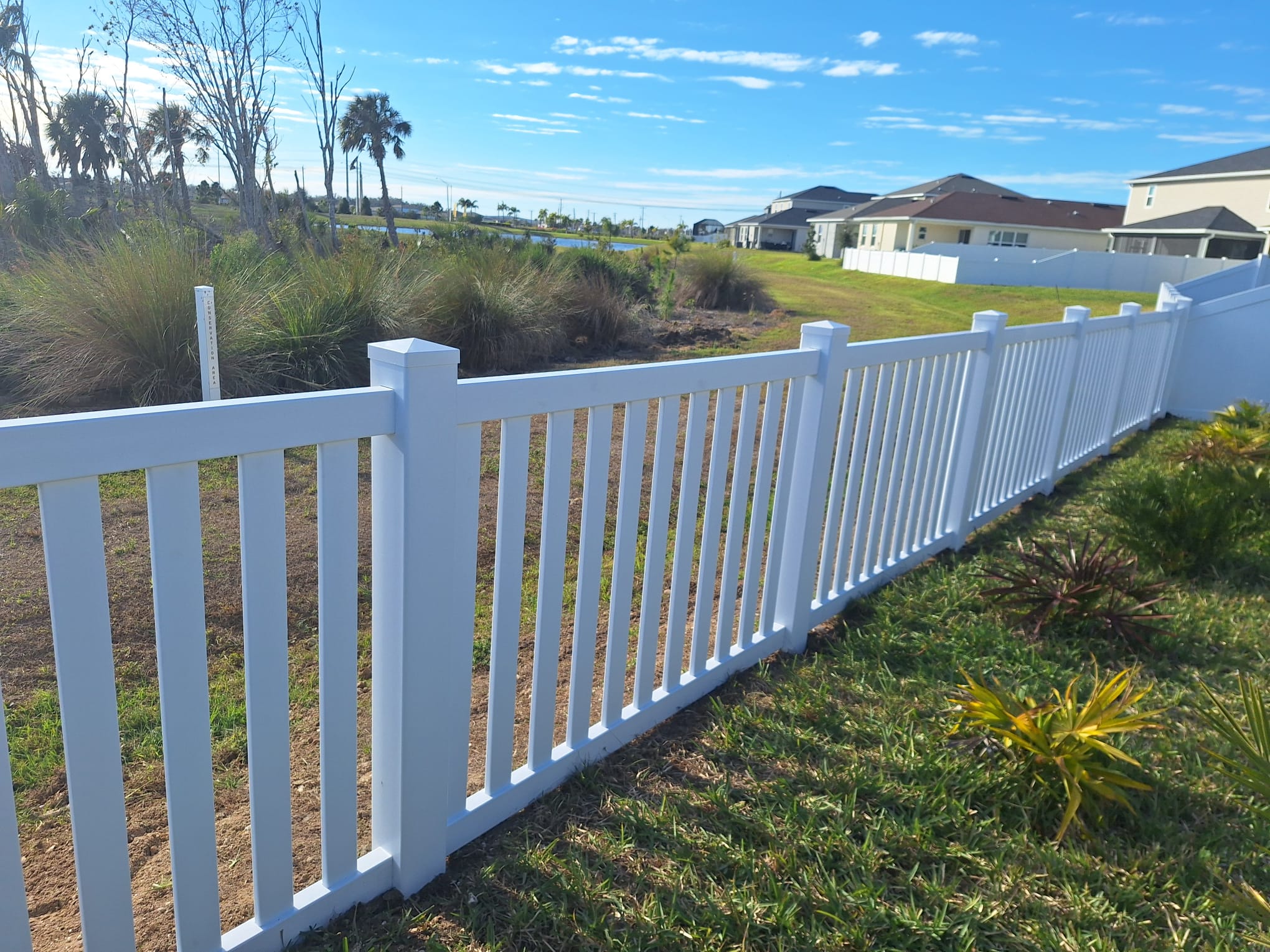
Vinyl fencing, often called PVC fencing, is made from durable plastic materials formed into panels, posts, rails, and pickets. It is available in privacy, picket, ranch rail, and semi-privacy designs. White is the classic option, though many manufacturers now offer tan, gray, and wood-look finishes.
Its clean appearance and minimal maintenance needs make vinyl especially appealing to busy homeowners, rental-property owners, and families who would rather spend weekends enjoying their yard than repainting or repairing a fence. It also provides a consistent look that works with many Florida home styles, from modern suburban properties to coastal homes.
The Pros of Vinyl Fencing in Florida
Low-maintenance ownership
One of vinyl’s strongest benefits is that it does not need routine painting, staining, or sealing. Unlike many other materials, it will not rot, splinter, or rust. In most cases, occasional rinsing with a garden hose and mild soap is enough to remove dirt, grass clippings, mildew, or sprinkler residue.
That reduced upkeep can be valuable in Florida, where moisture and vegetation can cause other fence materials to need regular attention. Homeowners can maintain a bright, finished appearance without scheduling frequent refinishing projects.
Resistance to humidity, moisture, and pests
Florida’s damp climate can be hard on materials that absorb water. Vinyl does not soak up moisture, so it is not susceptible to rot, warping caused by water absorption, or termite damage. This makes it a practical option for homes in humid neighborhoods, near lakes, and in areas with regular afternoon rain.
Because insects cannot eat vinyl, homeowners also avoid the pest-related structural damage that can occur with untreated or poorly maintained wood. That can make vinyl a predictable choice for long-term ownership.
Strong privacy and visual consistency
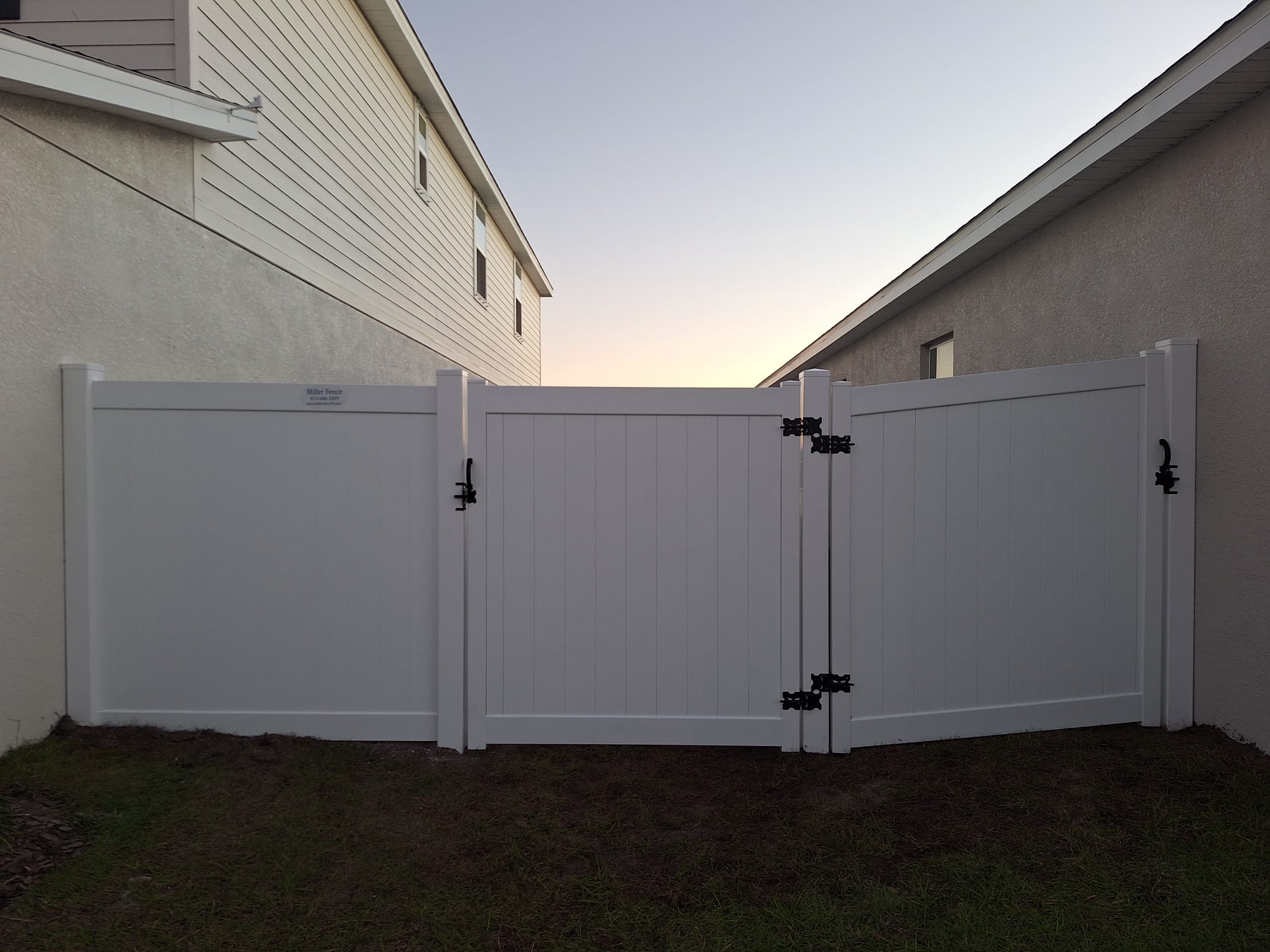
A full-height vinyl privacy fence creates a defined backyard boundary and can block views from nearby homes, streets, or shared outdoor spaces. Solid panels are useful for pools, patios, pets, and family gathering areas. Vinyl’s uniform boards and posts also create a polished finish on both sides of the fence, which is helpful where neighbors share a property line.
The material retains its shape and color more consistently than many traditional fence products. Quality vinyl fences are manufactured with UV inhibitors that help limit sun-related fading and discoloration.
A safer surface for families and pets
Vinyl has smooth surfaces with no exposed nails, rough grain, or splintering boards. For families with children and pets, that can reduce everyday worries around play areas and gates. A properly installed privacy fence can also give dogs a secure place to exercise while maintaining a clear boundary around the yard.
Good long-term value
Vinyl often costs more at installation than basic wood fencing, but the long-term math can be favorable. With no recurring stain, paint, sealant, or widespread rot repairs, maintenance costs are generally lower over the fence’s life. The right product and professional installation can make vinyl a value-focused option for homeowners planning to stay in their home for years.
The Cons of Vinyl Fencing in Florida
Higher upfront installation cost
The initial price is the most common drawback. Premium vinyl panels, reinforced posts, gates, and professional installation usually cost more than a standard wood fence. Prices also vary based on height, style, lot slope, gate count, removal of an existing fence, and local permitting requirements.
For homeowners working with a limited immediate budget, wood may be more accessible. If you are comparing materials, request estimates that cover the complete project, including demolition, disposal, posts, gates, hardware, and permit-related work.
Heat and sun exposure
Florida sunshine is relentless, and even quality vinyl can become hot to the touch during the afternoon. Darker colors may absorb more heat than white vinyl. Extreme heat can also cause lower-quality products to expand, contract, or become less rigid over time.
Selecting a reputable product designed for UV exposure matters. Proper spacing, reinforcement where needed, and installation methods suited to Florida conditions are also essential. A bargain product may look similar on day one but perform differently after years of sun exposure.
Repairs can be less straightforward
Vinyl is durable, but it is not indestructible. A falling branch, vehicle impact, severe storm debris, or a forceful hit can crack a panel or post. When damage occurs, the affected section may need to be replaced rather than patched. Matching an older fence can also be difficult if the manufacturer has changed a color, profile, or product line.
Keeping documentation on your fence brand, style, and color can make future repairs easier. Ask your installer whether replacement parts are readily available locally.
Storm performance depends on installation
No fence is completely hurricane-proof. Vinyl panels can catch wind like sails, particularly on tall privacy installations. A fence’s performance depends heavily on post depth, concrete footings, reinforcement, panel design, soil conditions, and whether the installation follows local code requirements.
Homeowners should not assume any material will withstand every storm. Discuss wind considerations with an experienced local installer, especially if your property is exposed, coastal, or located in a high-wind area.
Limited customization after installation
Vinyl provides a tidy, consistent appearance, but it offers less flexibility than wood. You cannot easily repaint it to refresh the color or change the look years later. Decorative modifications may also be more limited. If you want a highly custom fence design, a natural texture, or the ability to alter colors over time, wood may better suit your goals.
For homeowners who prefer warmth, customization, and a more traditional look, a tampa fl wood fence may be worth comparing alongside vinyl. The best decision comes down to your preferred style, maintenance tolerance, budget, and site conditions.
How to Decide Whether Vinyl Is Right for Your Property
Start with the job your fence needs to do. A privacy fence around a pool or backyard may call for a solid vinyl design, while a front-yard border may only need a lower picket style. Next, consider your neighborhood requirements, HOA rules, property-line layout, gate needs, and local permitting expectations.
Then think about ownership over time. If you want a clean, low-maintenance material and can accommodate a higher initial investment, vinyl may be a strong fit. If budget flexibility, custom finishes, or easy spot repairs are more important, wood may be the better choice. A professional site evaluation can identify drainage, wind exposure, grade changes, and access issues before installation begins.
Frequently Asked Questions
Yes, quality vinyl fencing can perform well in Florida because it resists moisture, rot, termites, and rust. Choose a UV-resistant product and make sure it is professionally installed with the appropriate post depth and reinforcement for local wind conditions.
High-quality vinyl products with UV inhibitors are designed to resist yellowing and fading. However, lower-quality materials, poor cleaning habits, environmental buildup, and years of intense sun can affect appearance. Regular washing helps keep the fence looking bright.
Neither material is always stronger in every situation. Vinyl resists rot, pests, and moisture, while a well-built wood fence can be sturdy and easier to customize or repair. Product quality, fence design, and installation quality have a major impact on performance for both materials.