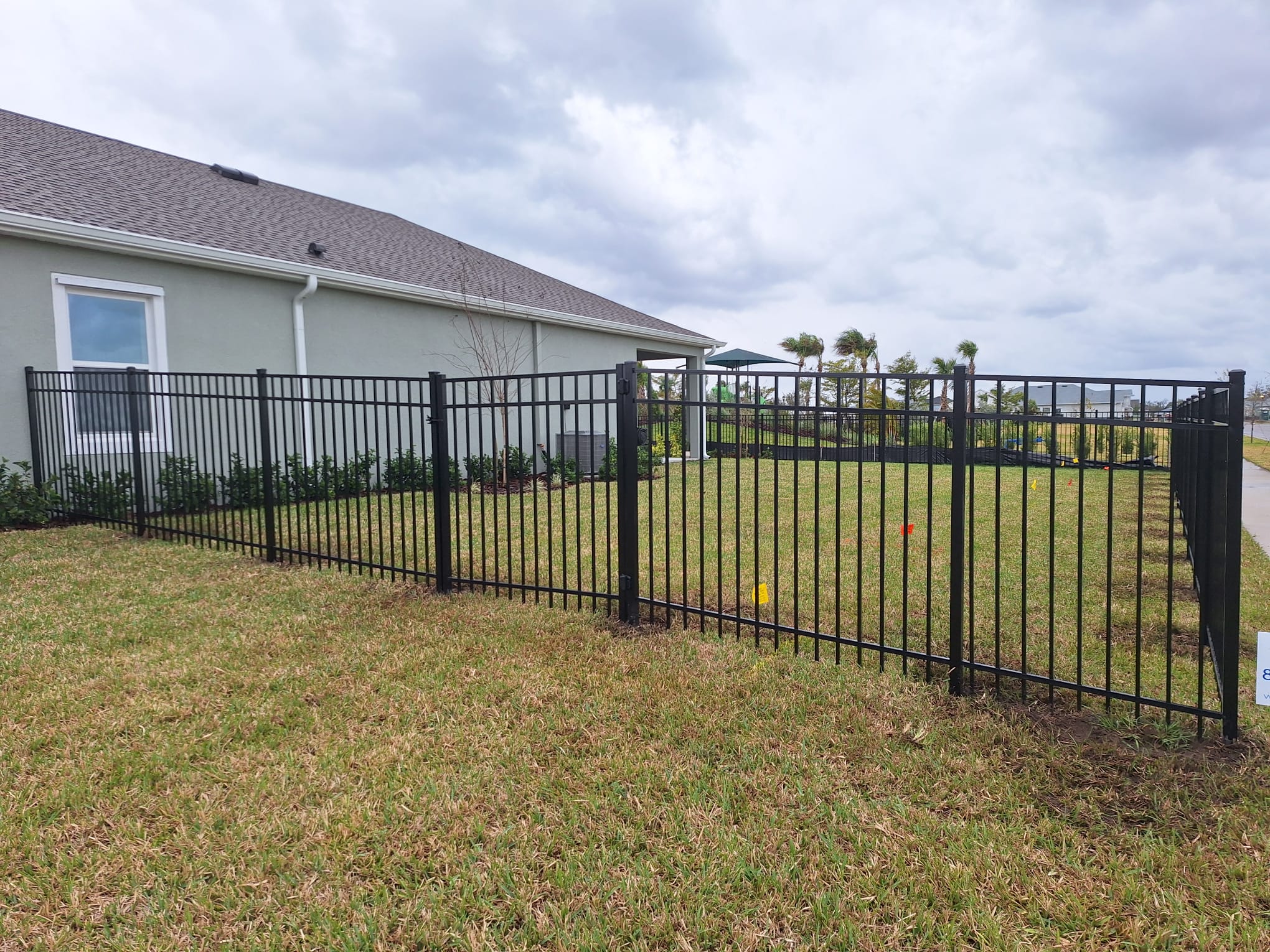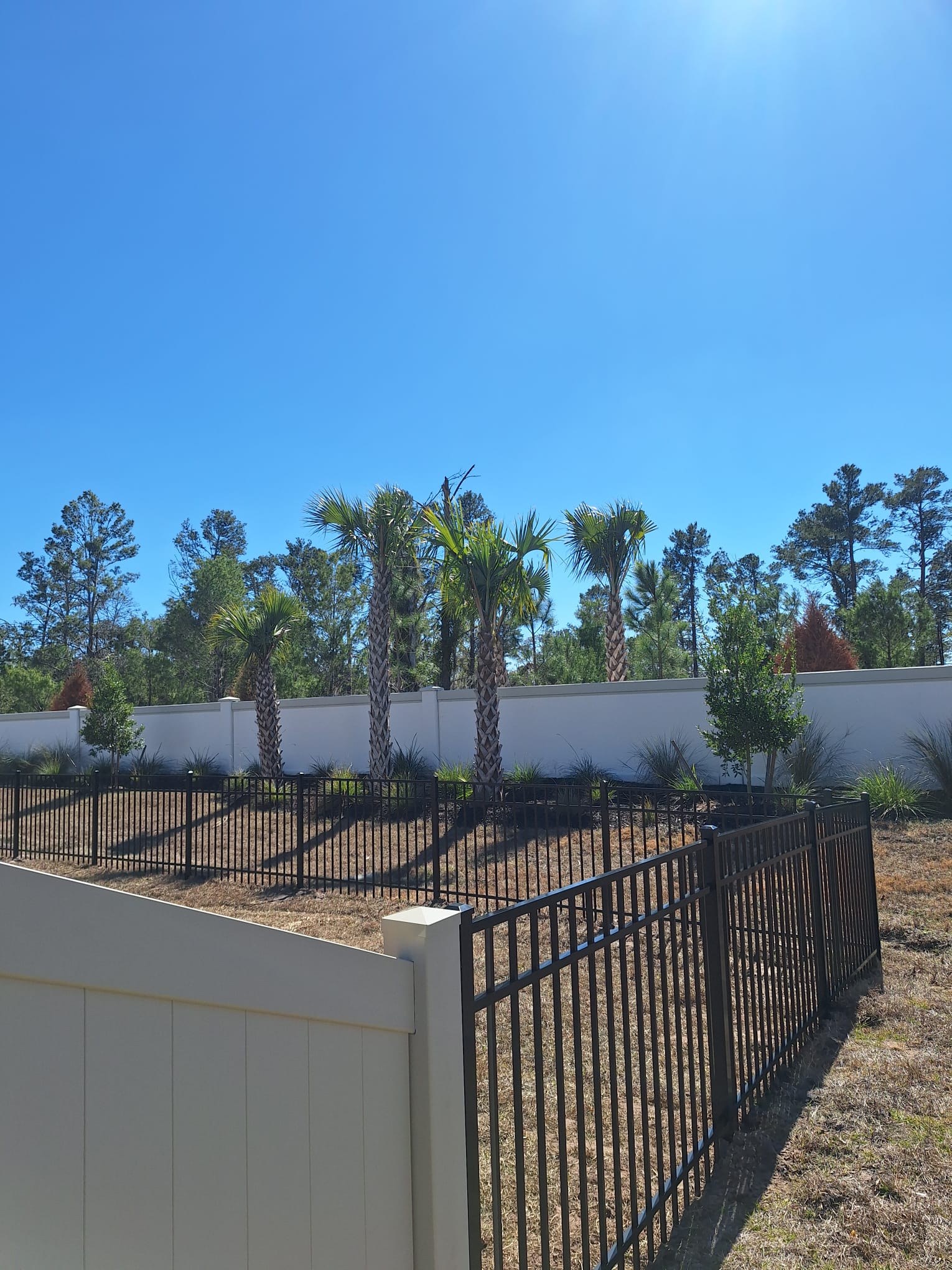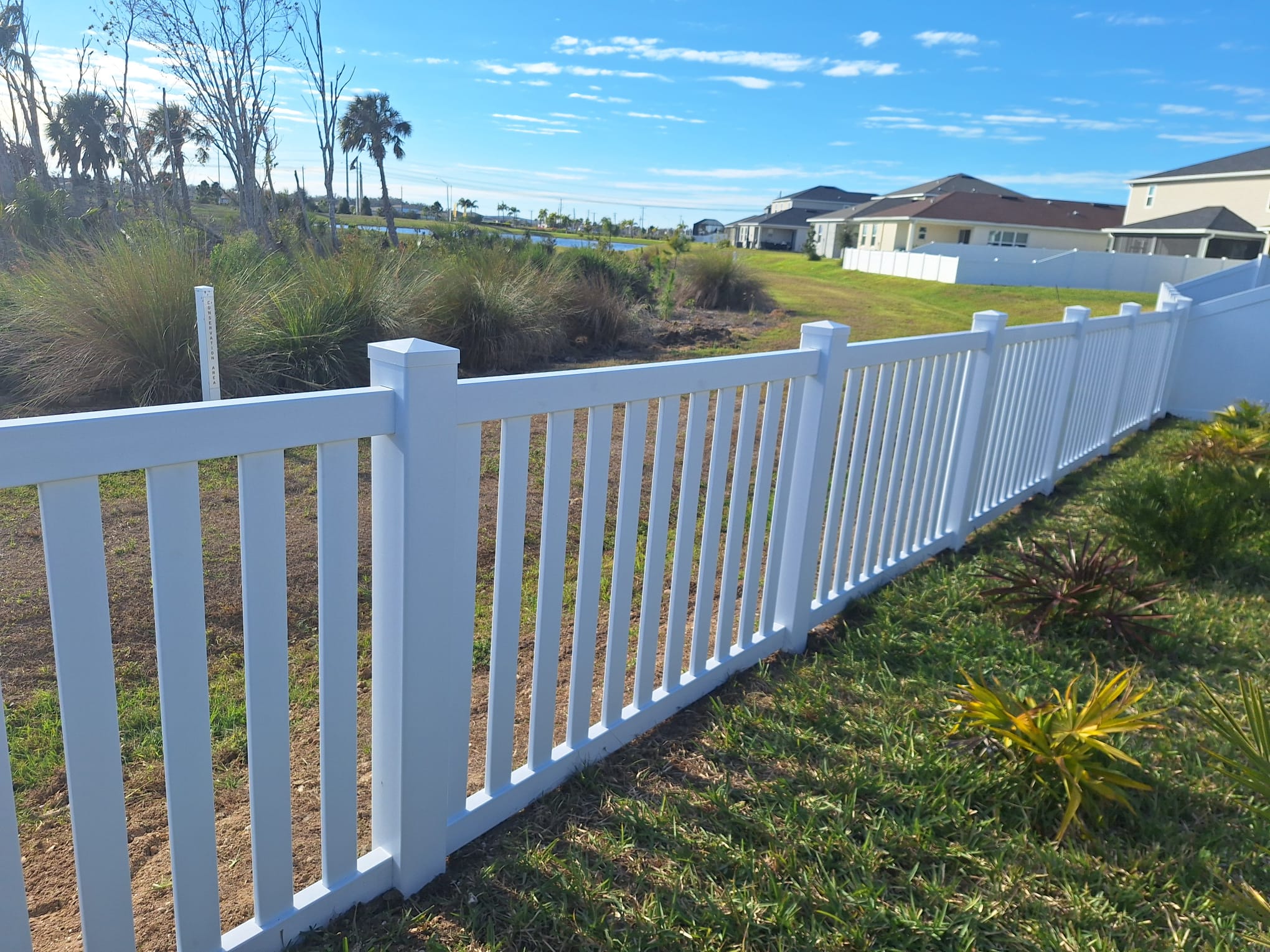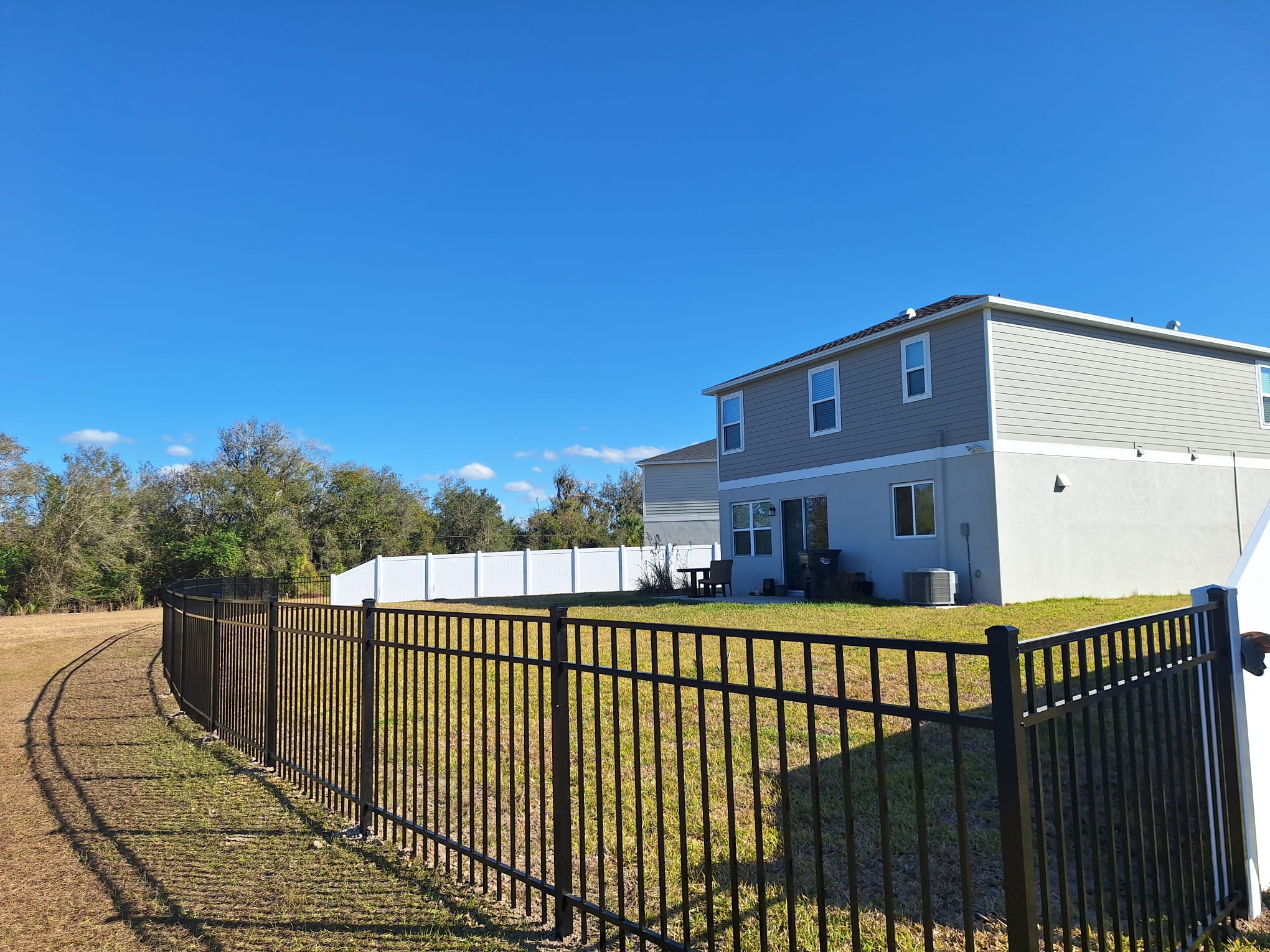
If you’ve ever received a violation letter about your fence height, material, or placement, you already know how stressful HOA fence dispute resolution Florida homeowners deal with can be. Florida’s homeowners associations enforce strict community standards, and fences are one of the most common sources of conflict between residents and their boards. Whether the disagreement is about a fence that blocks a neighbor’s view, doesn’t match approved colors, or was installed without prior authorization, understanding your rights and the proper resolution process can save you time, money, and unnecessary stress.
This guide walks through why fence disputes happen, the steps to resolve them, and what to do if informal conversations don’t work.
Why Fence Disputes Happen in Florida HOAs
Florida communities often have detailed covenants, conditions, and restrictions (CC&Rs) that govern nearly every visible aspect of a property, including fencing. Disputes typically arise from a handful of recurring issues:
- Unapproved installations – Homeowners install a fence without submitting an architectural request first.
- Height or material violations – A fence exceeds the maximum allowed height or uses materials not listed in the community guidelines.
- Boundary line disagreements – Neighbors disagree about where the property line actually falls.
- Maintenance complaints – A fence has fallen into disrepair and neighbors or the HOA want it fixed or replaced.
- Aesthetic inconsistency – The board feels the fence doesn’t match the community’s approved look.
Because HOAs in Florida have significant enforcement power under Florida Statutes Chapter 720, even a well-intentioned fence project can quickly turn into a formal dispute if the proper approval process wasn’t followed.
Step 1: Review Your HOA’s Governing Documents
Before doing anything else, pull out your community’s CC&Rs, bylaws, and architectural review guidelines. These documents outline:
- Approved fence styles, heights, and materials
- The application and approval process for new installations
- Timelines for HOA review and response
- Any grandfather clauses for older fences installed before current rules took effect
Many disputes are resolved simply by identifying whether the HOA followed its own documented procedures. If the board never sent a proper violation notice, or skipped a required review step, that can significantly strengthen a homeowner’s position.
Step 2: Communicate in Writing
Once you understand the governing rules, respond to the HOA in writing rather than relying on verbal conversations. A written record protects both sides and creates a paper trail if the dispute escalates. Include:
- A clear description of the issue
- References to the specific covenant sections involved
- Photos of the fence and surrounding property, if relevant
- A proposed resolution or timeline
Keep the tone professional and factual. Emotional or accusatory language rarely speeds up resolution and can make boards more defensive.
Step 3: Request Mediation
Florida law actually requires certain HOA disputes to go through mandatory pre-suit mediation or arbitration before a lawsuit can be filed. Under Florida Statutes Section 720.311, disputes involving the use of, or changes to, common areas or the enforcement of rules — including fence-related covenant enforcement — often qualify for this process.
Mediation offers several advantages over litigation:
- It’s faster and significantly less expensive than court proceedings.
- A neutral third-party mediator helps both sides reach a mutually acceptable agreement.
- It preserves the working relationship between the homeowner and the HOA board.
Many Florida HOA fence disputes are resolved successfully at this stage, avoiding the need for further legal action.
Step 4: Consider the Division of Florida Condominiums, Timeshares, and Mobile Homes
For certain community disputes, homeowners can also file a complaint with Florida’s Department of Business and Professional Regulation (DBPR), specifically through the Division of Florida Condominiums, Timeshares, and Mobile Homes. While this division primarily handles condo and cooperative issues, some homeowner association matters — particularly those involving records access or election disputes tied to enforcement actions — may fall under its jurisdiction. It’s worth checking whether your specific complaint qualifies.
Step 5: Legal Action as a Last Resort
If mediation fails or the HOA continues to act outside its authority, homeowners may need to pursue formal legal action. An attorney experienced in Florida HOA law can help determine whether:
- The HOA’s rule enforcement was applied consistently and fairly to all homeowners
- The board followed proper notice and hearing procedures before issuing fines
- The homeowner has grounds to challenge a fine or lien placed on the property
Legal action should generally be the final step, reserved for situations where informal negotiation, written correspondence, and mediation have all been exhausted.
Preventing Future Disputes
The best way to avoid an HOA fence dispute in the first place is prevention:
- Always submit an architectural review application before installing or replacing a fence
- Keep copies of all HOA correspondence and approvals
- Perform regular maintenance to avoid disrepair-related complaints
- Communicate proactively with neighbors about shared boundary lines
Fences aren’t the only exterior feature that can trigger HOA scrutiny or neighbor complaints — gutters are another common area where poor installation leads to drainage disputes, water damage claims, and property line disagreements. If you’re planning exterior upgrades alongside your fence project, working with a trusted, experienced provider like Armstrong Gutter Installation helps ensure your property stays compliant and problem-free from every angle.
Final Thoughts
HOA fence dispute resolution Florida cases don’t have to end in costly litigation. By reviewing your governing documents, communicating clearly in writing, pursuing mandatory mediation, and only escalating to legal action when necessary, most homeowners can reach a fair resolution while maintaining a positive relationship with their community association.
FAQs
Yes. Under Florida Statutes Section 720.311, most HOA disputes involving covenant enforcement, including fence-related violations, require mandatory pre-suit mediation or arbitration before either party can file a lawsuit in court.
It depends on whether the fence was installed without proper approval and whether it violates the community’s recorded CC&Rs. If the HOA followed its enforcement procedures correctly and the fence genuinely violates the rules, the association can typically require removal or modification, subject to your right to dispute the decision.
Start by requesting a formal hearing with the HOA board, as required under Florida law before fines can be enforced. If the fine still stands after the hearing, pursue mandatory mediation, and consult an HOA attorney if the dispute remains unresolved.