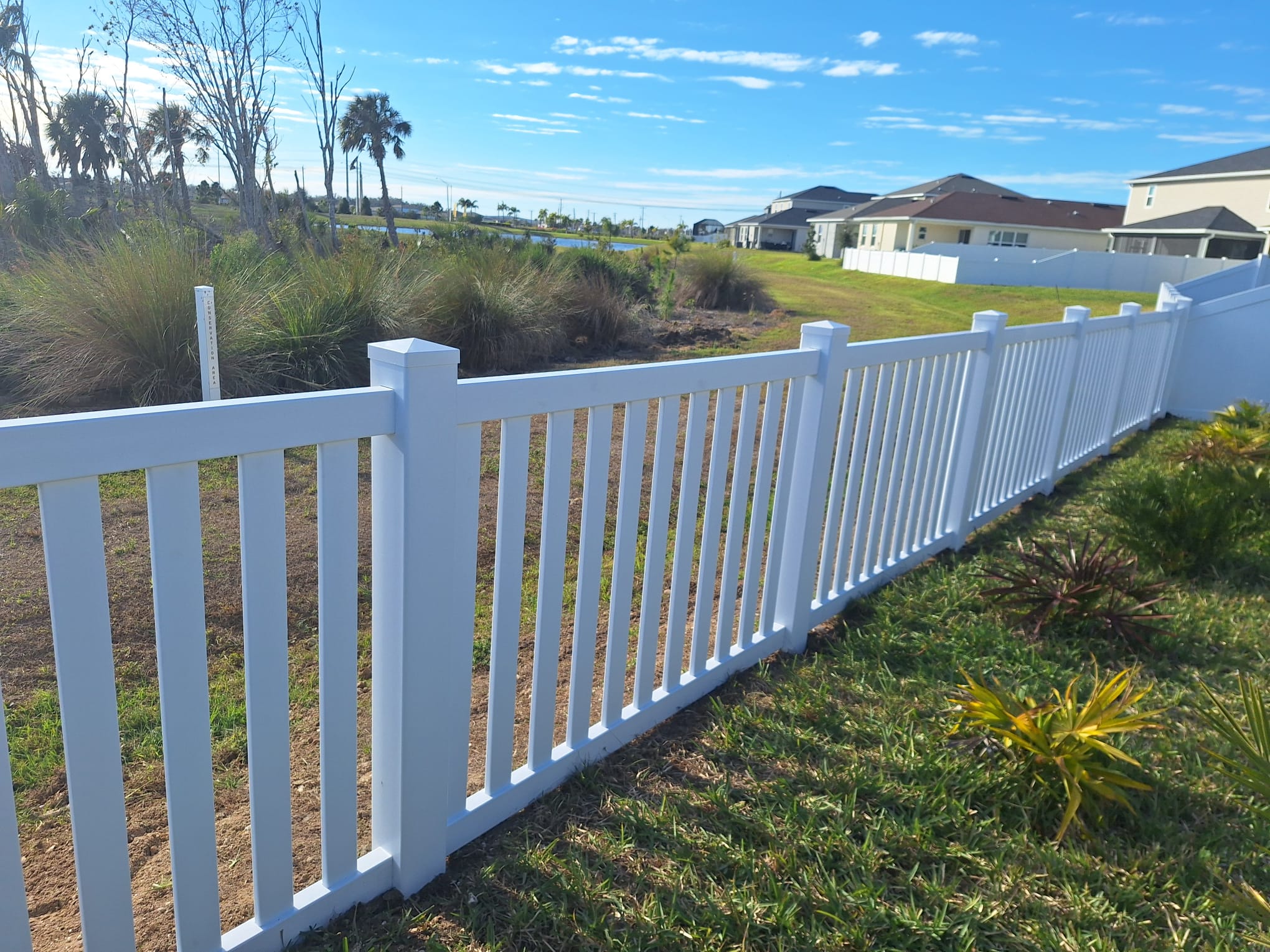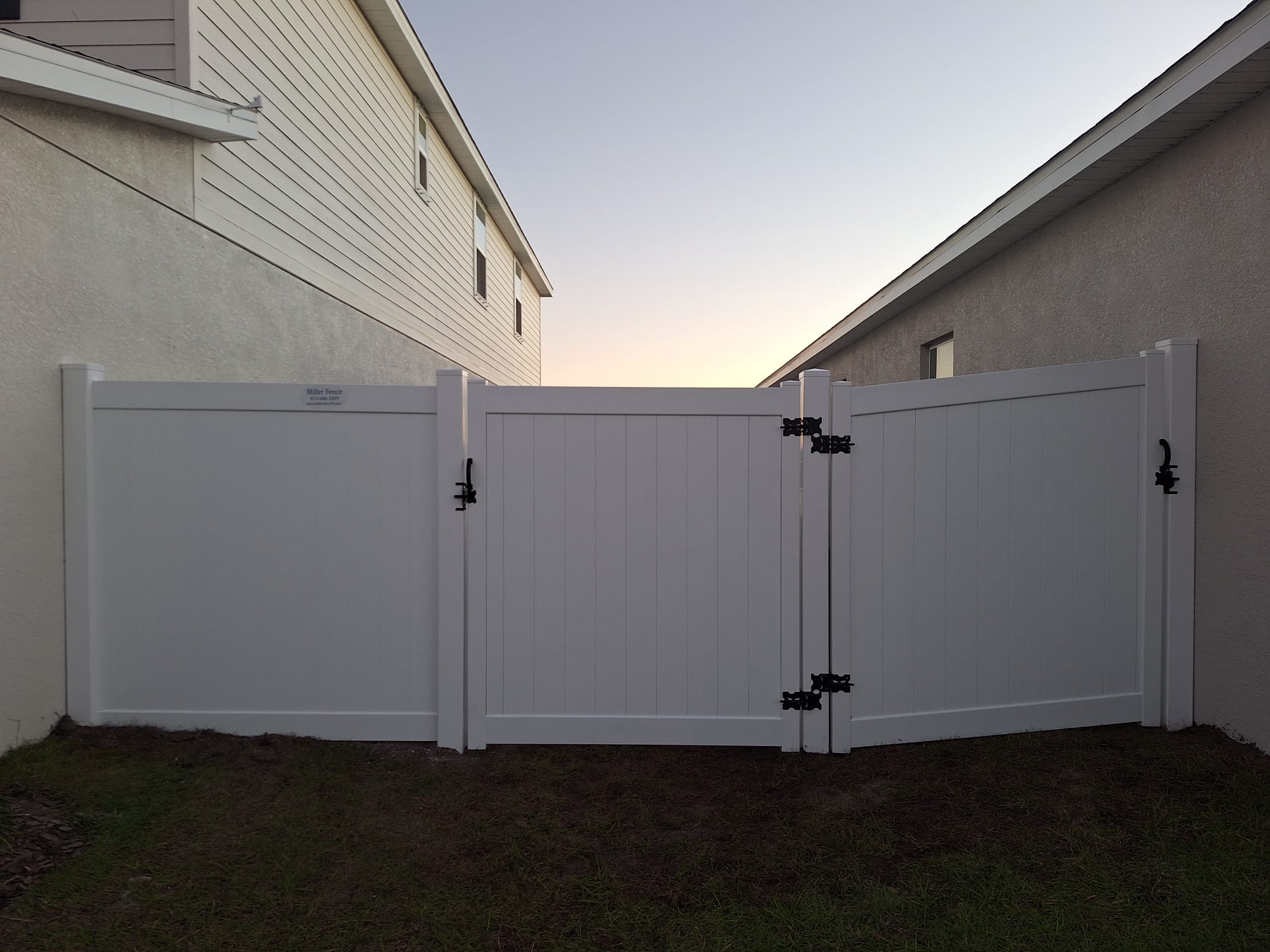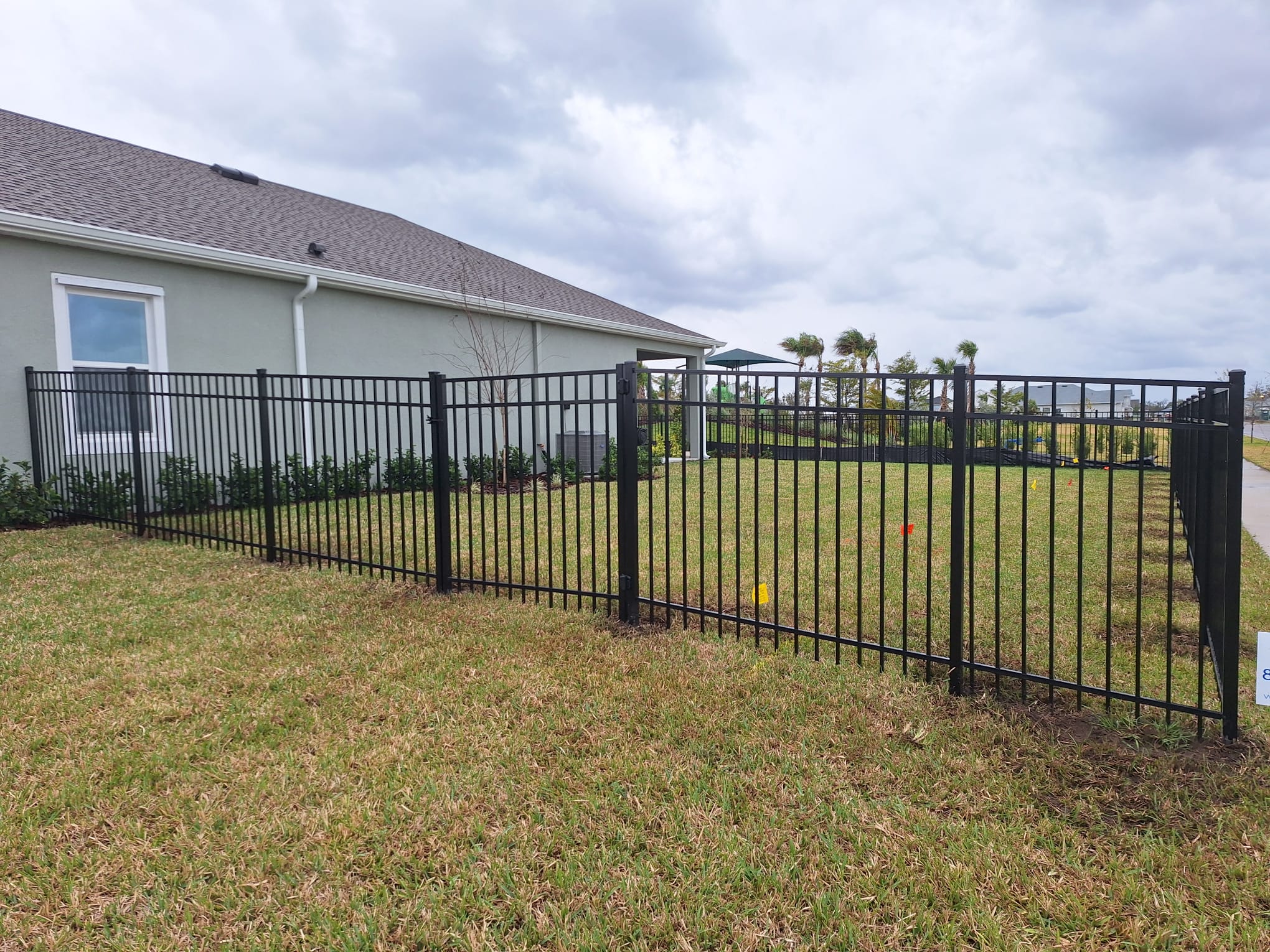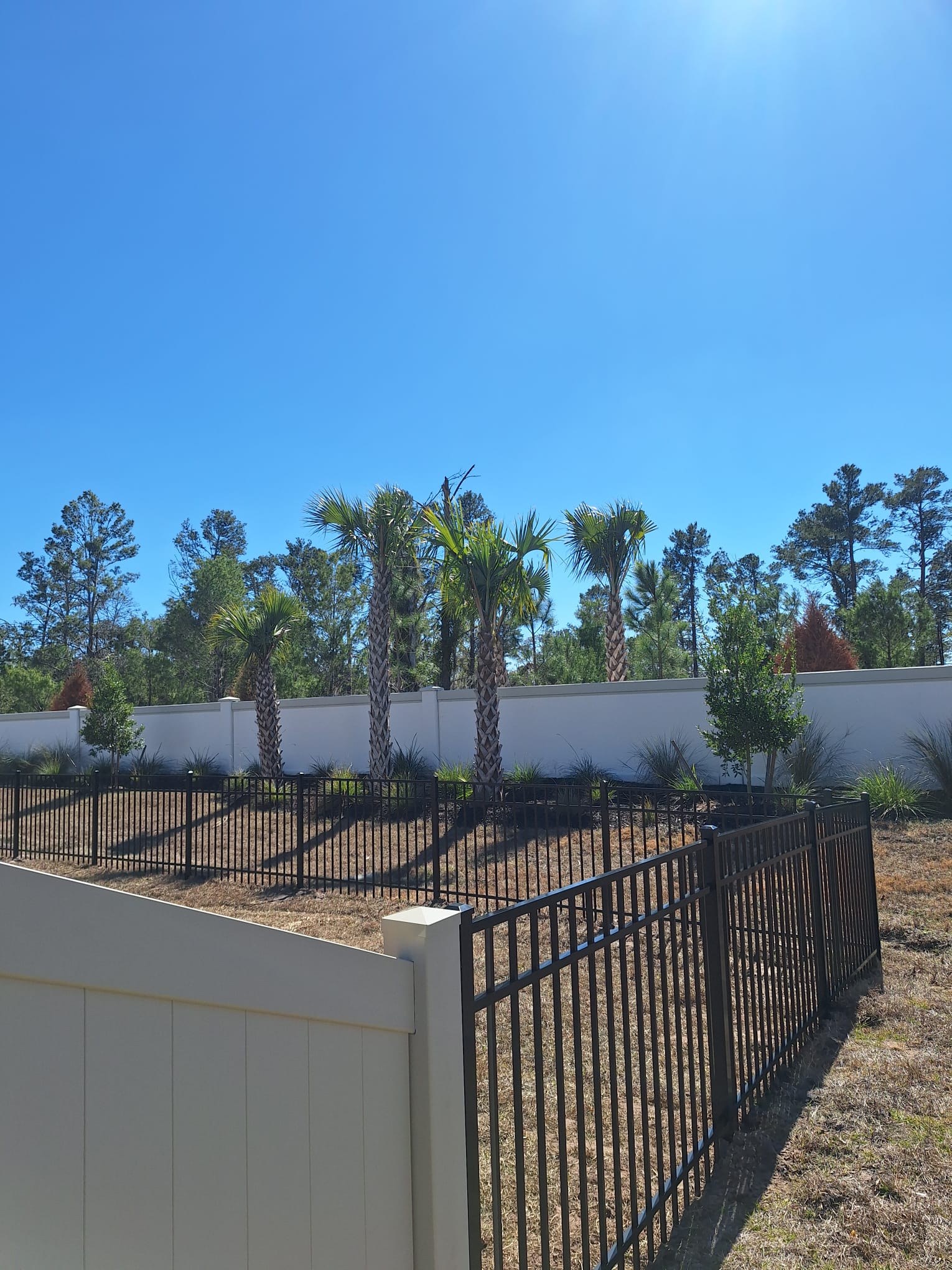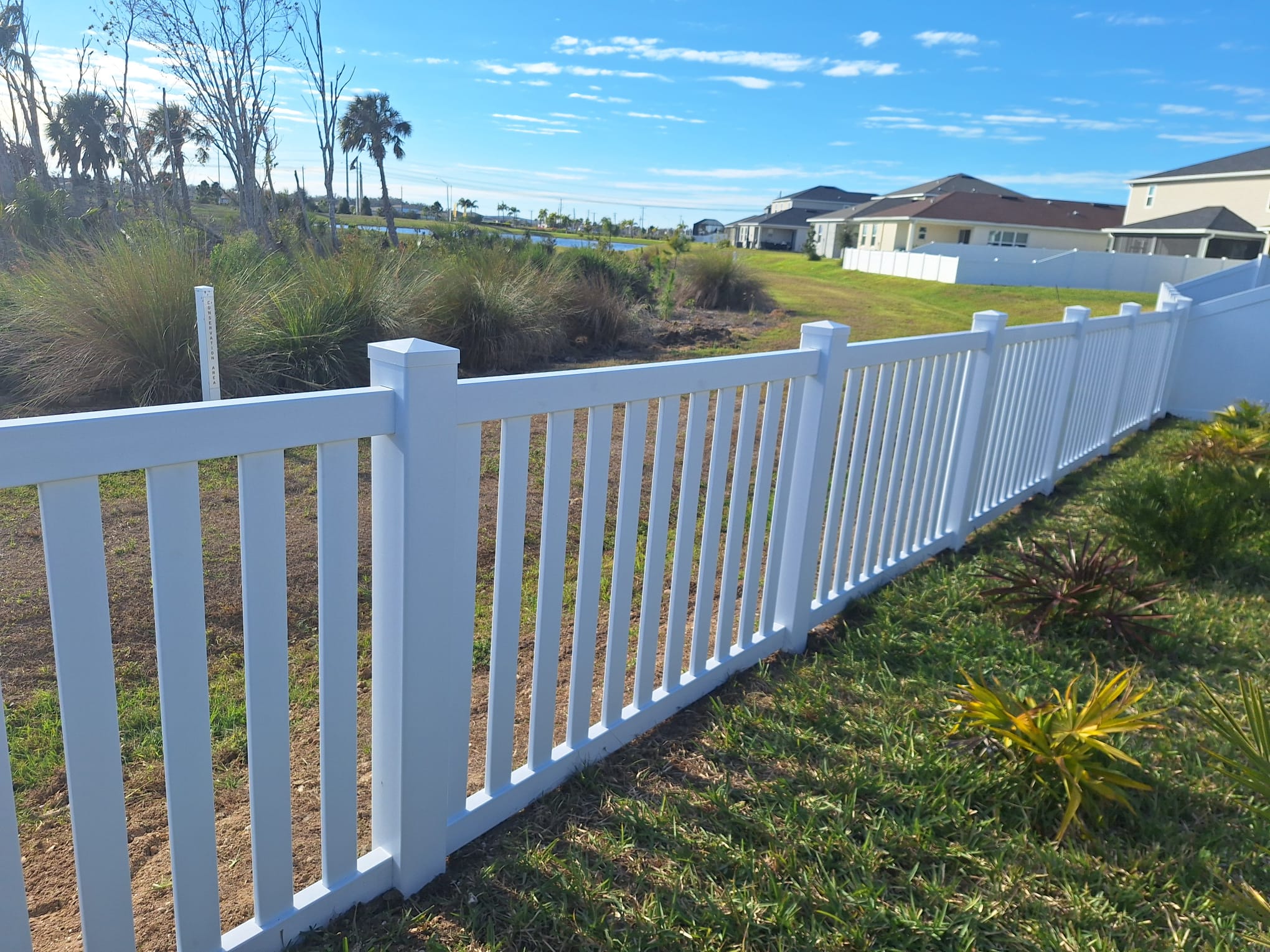
Vinyl vs Wood Fence: Which is Better for Tampa Homes? When it comes time to install a new fence in Tampa, homeowners face a critical decision: vinyl or wood? Both materials have devoted followers, but in Florida’s unique climate—with intense humidity, salt air, hurricane winds, and UV exposure—the right choice can mean the difference between a fence that lasts 30 years and one that deteriorates in a decade.
At Miller Fence, we’ve installed thousands of fences across Tampa Bay, and we know the pros and cons of each material intimately. Let’s break down the comparison so you can make the best decision for your home.
The Appeal of Wood Fences in Tampa
Wood fences have timeless charm. There’s something about natural wood that brings warmth and classic elegance to a property. Many Tampa homeowners are drawn to wood for its aesthetic versatility—you can stain it virtually any color, and it blends beautifully with traditional and modern landscapes alike.
Upfront Cost: Wood fences are typically less expensive to install than vinyl. If budget is your primary concern, wood is the more affordable entry point.
Customization: Want a specific stain color or wood grain appearance? Wood offers unlimited aesthetic options that vinyl can’t match.
Natural Appeal: For homeowners who value natural materials, wood feels authentic and warm in ways vinyl can’t replicate.
However—and this is important—Tampa’s climate presents significant challenges for wood fences.
Why Wood Struggles in Tampa’s Climate
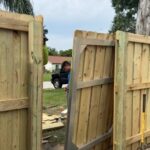
Humidity and Rot: Tampa’s humidity is relentless. Wood absorbs moisture, and combined with Florida’s warm temperatures, this creates an ideal environment for rot, mold, and mildew. Within just a few years, a wood fence can develop soft spots, discoloration, and structural weakness.
Maintenance Demands: To protect wood in Tampa, you need to commit to regular maintenance:
- Annual staining or sealing (every 12-18 months)
- Regular inspections for rot and pest damage
- Cleaning to prevent mold and algae growth
- Repair costs add up quickly—especially when rot compromises structural integrity
UV Damage and Fading: Florida’s intense sun fades wood rapidly. Even treated wood loses its color and protective finish within 2-3 years without re-staining.
Hurricane Season Vulnerability: While properly installed wood can withstand storms, rotted or weakened wood is significantly more vulnerable to hurricane-force winds.
Lifespan Reality: In Tampa’s climate, a wood fence typically lasts 12-18 years before major repairs or replacement becomes necessary. In drier climates, wood lasts 15-20 years or longer.
The Case for Vinyl Fences in Tampa
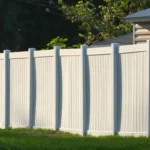
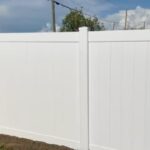
Vinyl (PVC) fencing has become increasingly popular in Florida for one simple reason: it’s engineered specifically for our climate.
Zero Maintenance: Vinyl requires no staining, sealing, painting, or treatment. Occasional washing with a hose keeps it looking new. That’s it.
Durability in Florida’s Climate:
- Resists rot, mold, and mildew completely
- Won’t warp or twist from humidity
- UV-stabilized formulations resist fading (quality vinyl stays vibrant for decades)
- Salt air doesn’t corrode it (unlike metal)
Lifespan: A quality vinyl fence in Tampa lasts 25-30+ years, making it a long-term investment with minimal upkeep.
Hurricane Performance: Vinyl fences are tested to withstand significant wind loads. Modern vinyl is engineered to flex slightly during storms rather than snap—a critical advantage in Tampa Bay.
Upfront Cost vs. Long-Term Savings: While vinyl costs more initially (typically 20-40% more than wood), the math changes when you factor in maintenance. A wood fence costs $25-35 per linear foot to install, with $200-500 in annual maintenance and a 12-18 year lifespan. Over 30 years, you’re looking at $5,000-$8,000 in total costs. Vinyl, on the other hand, costs $35-55 per linear foot upfront but requires virtually no maintenance ($0-50 annually) and lasts 25-30+ years. Over the same 30-year period, vinyl typically costs just $3,500-$5,500—often making it the more affordable long-term investment despite higher upfront costs.
Which Should You Choose?
Choose Wood if:
- Budget is your absolute priority
- You plan to sell within 8-10 years
- You don’t mind annual maintenance
- You want the warmth and natural appearance of wood
- You’re willing to accept shorter lifespan
Choose Vinyl if:
- You want a long-term investment (15+ years)
- You want minimal maintenance and hassle-free living
- You live in an HOA community (vinyl is typically more HOA-friendly)
- You want superior durability in Florida’s harsh climate
- You value your time over upfront savings
- You want maximum hurricane resistance
The Miller Fence Recommendation
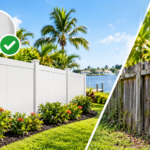
For most Tampa Bay homeowners, vinyl wins. The combination of zero maintenance, superior durability, hurricane resistance, and long-term cost savings makes vinyl the smarter investment in our climate.
However, if aesthetics and natural appearance are non-negotiable to you, wood can work—just commit to the maintenance schedule and budget for repairs.
Ready to Make Your Decision?
Whether you choose vinyl or wood, Miller Fence delivers precision craftsmanship, transparent pricing, and hassle-free HOA coordination. We’ve been serving Tampa Bay for years, and we know exactly which fence solutions thrive in our climate.
Get your free, no-obligation estimate today. Call us or fill out our online form—we’ll visit your property, discuss your needs, and recommend the best material for your home.
FAQ’s
Vinyl fences come in limited color options (typically tan, gray, white, brown), though wood-grain textures on brown and gray options look quite realistic. If custom staining is essential to your vision, wood is the better choice. Otherwise, vinyl’s wood-grain options satisfy most homeowners while delivering superior durability.
A well-installed vinyl fence from a quality manufacturer can last 25-30 years, and many last even longer. In fact, most Tampa homeowners keep the same vinyl fence for their entire time in the home. You’d replace it only if you wanted a different style or color, not because it failed. That’s a major advantage over wood, which requires replacement every 12-18 years.
Vinyl is typically preferred by Tampa HOAs because it maintains a consistent, neat appearance without the weathering and maintenance issues of wood. Most HOAs explicitly approve vinyl. That said, always check your specific HOA documentation or contact your HOA board. Miller Fence handles all HOA coordination and permitting—we’ll confirm approval before you commit to anything, so there’s zero guesswork.