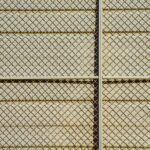
Every hurricane season, Florida homeowners and business owners find themselves asking the same question: is chain-link fencing hurricane-resistant in Florida? With high winds, driving rain, and flying debris being an annual reality for much of the state, choosing a fence material that can withstand severe weather isn’t just about aesthetics — it’s about protecting your property and avoiding costly post-storm repairs. Chain-link fencing has a reputation for durability, but how it actually performs during hurricane-force winds depends on several important factors.
This guide breaks down how chain-link fencing holds up during Florida storms, what makes it more or less resilient, and how to reinforce your fence before hurricane season arrives.
How Chain-Link Fencing Performs in High Winds
Compared to solid fence materials like wood or vinyl privacy panels, chain-link fencing has a significant structural advantage during hurricanes: wind permeability. Because the mesh design allows air to pass through rather than acting as a solid barrier, chain-link experiences far less wind load pressure than solid fencing.
Solid fences act like sails during a storm — wind pushes directly against the surface, straining posts, footings, and connectors until something gives way. Chain-link’s open design reduces this force dramatically, which is why it’s often one of the more resilient fencing options in hurricane-prone regions like Tampa Bay.
That said, “more resilient” doesn’t mean “storm-proof.” Several factors still determine how well a chain-link fence holds up during a hurricane.
Key Factors That Affect Hurricane Performance
1. Post Depth and Concrete Footings
The single biggest factor in whether a chain-link fence survives a hurricane isn’t the mesh — it’s the posts. Properly installed posts should be set in concrete footings at a depth appropriate for Florida’s soil conditions and local building codes, typically at least 24 to 36 inches deep depending on fence height and soil type.
Shallow or improperly set posts are the most common failure point during high-wind events, regardless of how strong the mesh itself is.
2. Gauge and Quality of the Mesh
Chain-link fencing comes in various wire gauges, with lower gauge numbers indicating thicker, stronger wire. Residential-grade chain-link (often 11.5 gauge) is lighter and more prone to bending or sagging under storm stress compared to commercial-grade chain-link (9 gauge or heavier), which is built to withstand more force.
For hurricane-prone properties, upgrading to a heavier gauge mesh is a smart investment that significantly improves storm performance.
3. Tension and Installation Quality
A properly tensioned chain-link fence distributes wind stress evenly across the entire fence line. Loose or improperly stretched mesh is far more likely to billow, tear, or pull away from posts during high winds. This is why hiring an experienced, licensed fence contractor matters — proper installation technique directly impacts hurricane performance.
4. Gate Hardware and Reinforcement
Gates are often the weakest point in any fence system, chain-link included. Wind can catch an unsecured or poorly reinforced gate and use it as leverage against the entire fence structure. Reinforced gate frames, quality hinges, and secure latching mechanisms all contribute to better overall hurricane resistance.
Chain-Link vs. Other Fencing Materials in Hurricanes
To put chain-link’s hurricane performance in context, here’s how it generally compares to other common Florida fencing materials:
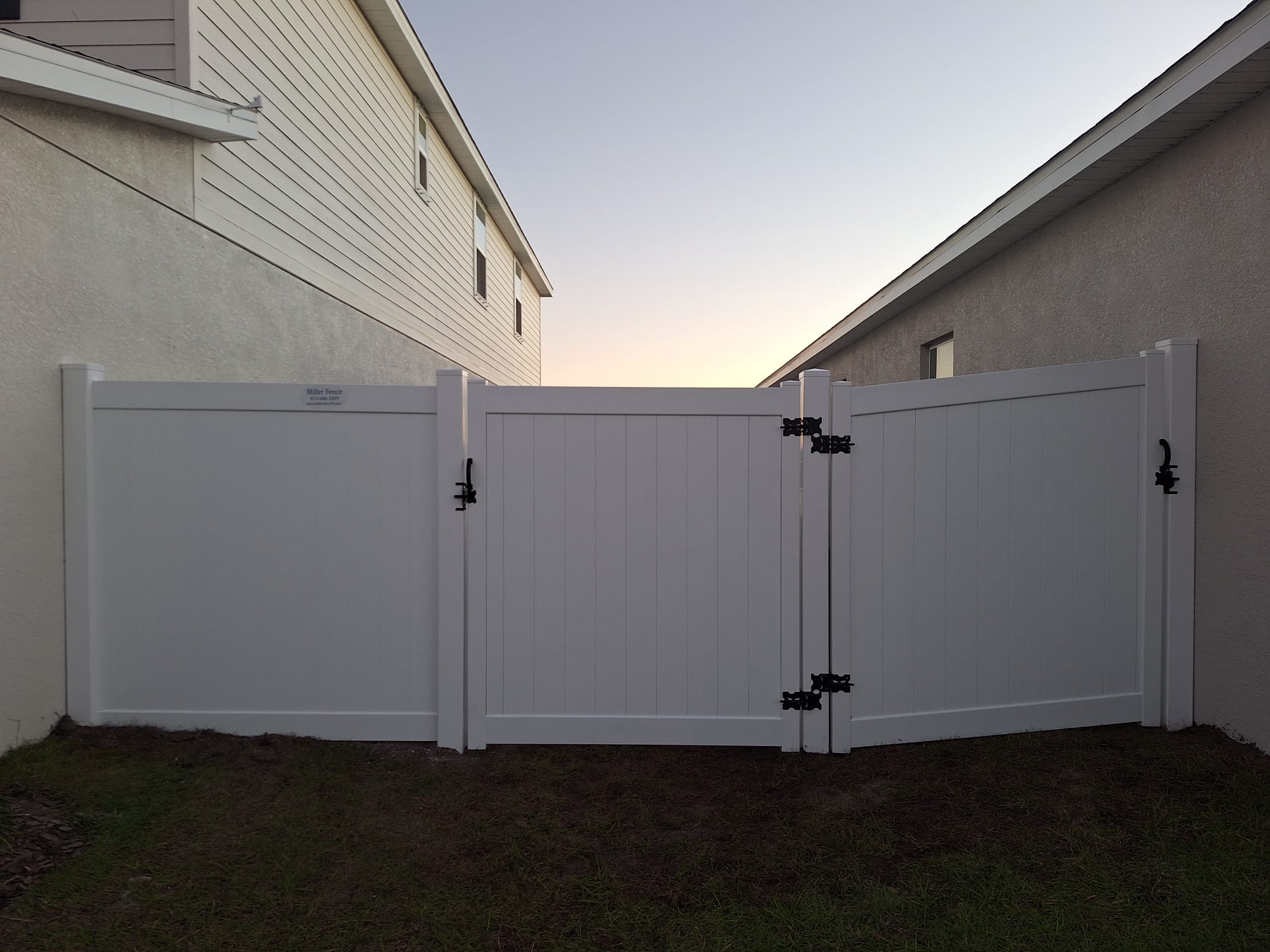
- Wood fencing: Solid panels catch wind like sails, making wood one of the most vulnerable materials during hurricanes. Panels frequently blow out, and posts can snap under pressure.
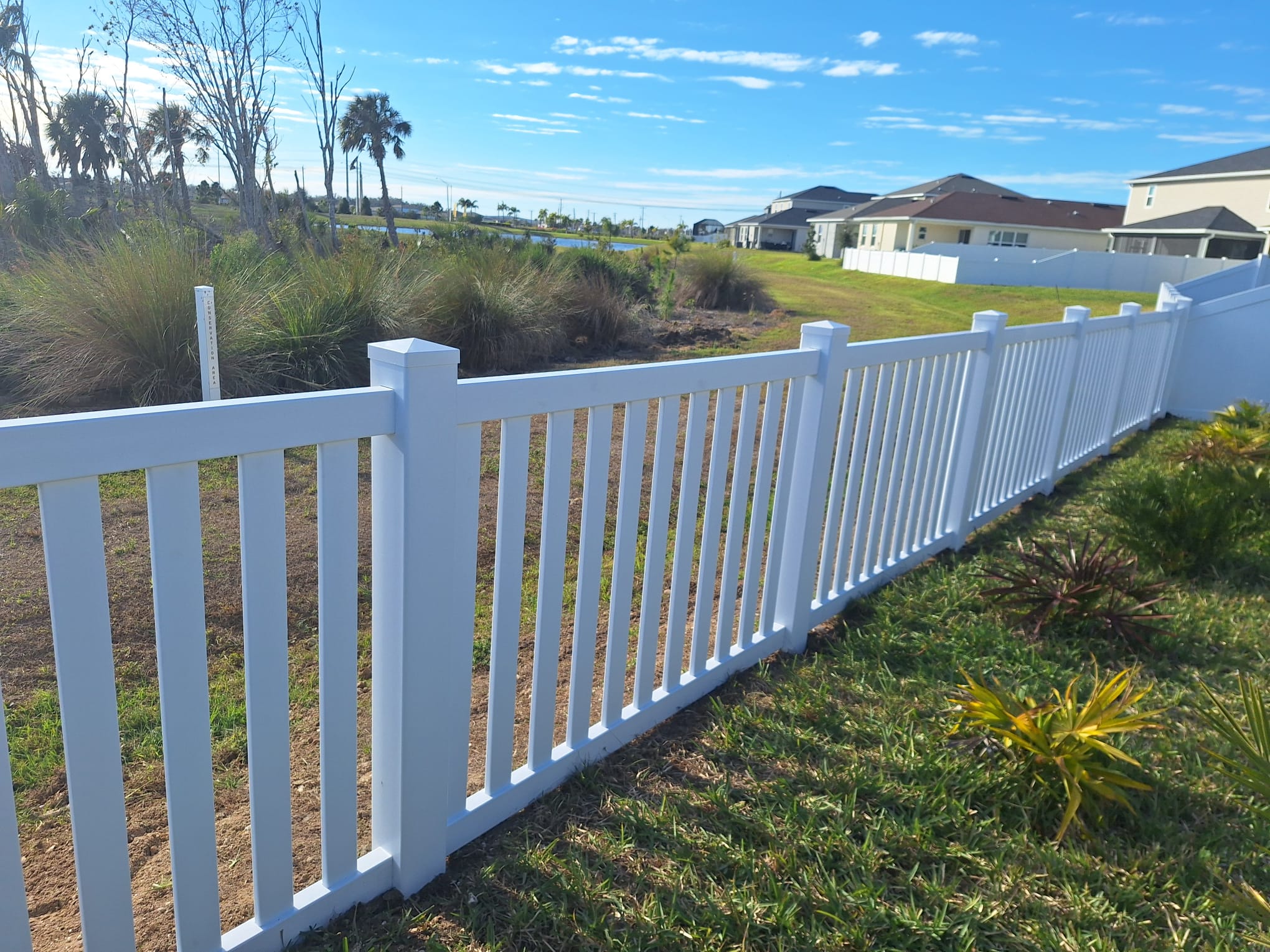
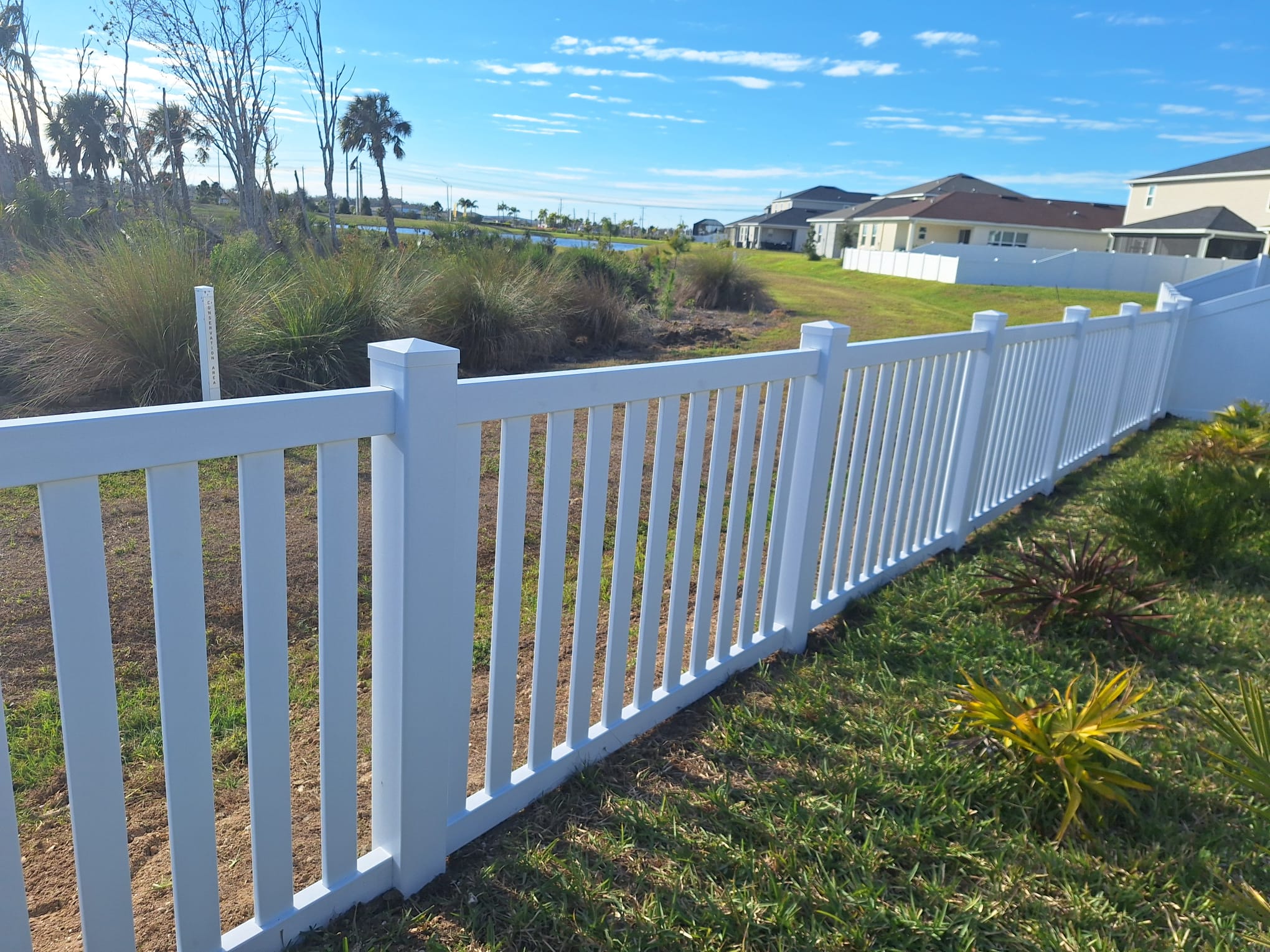
- Vinyl/PVC fencing: Similar vulnerability to wood due to solid panel design, though vinyl is more prone to cracking in extreme wind rather than snapping.
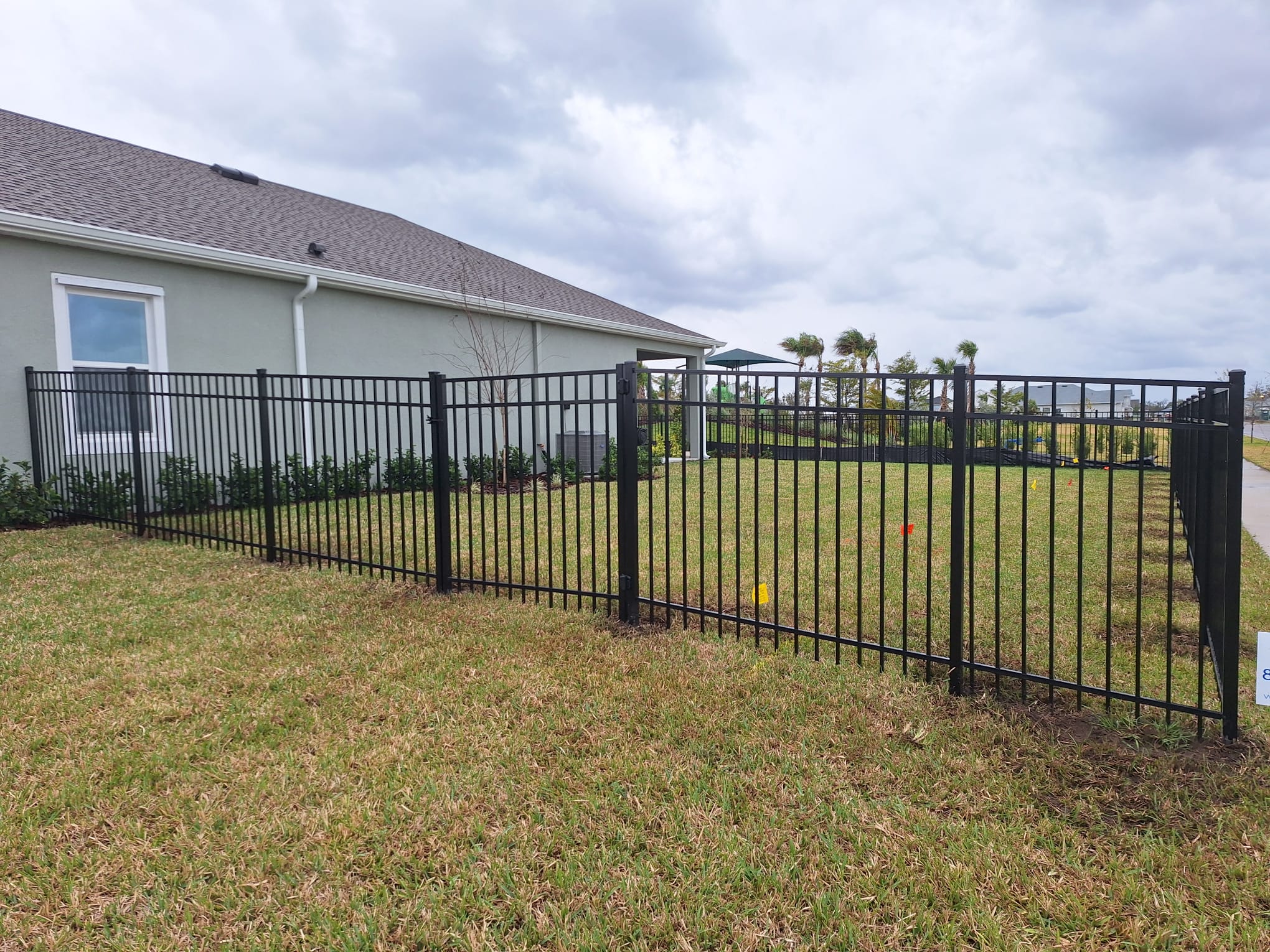
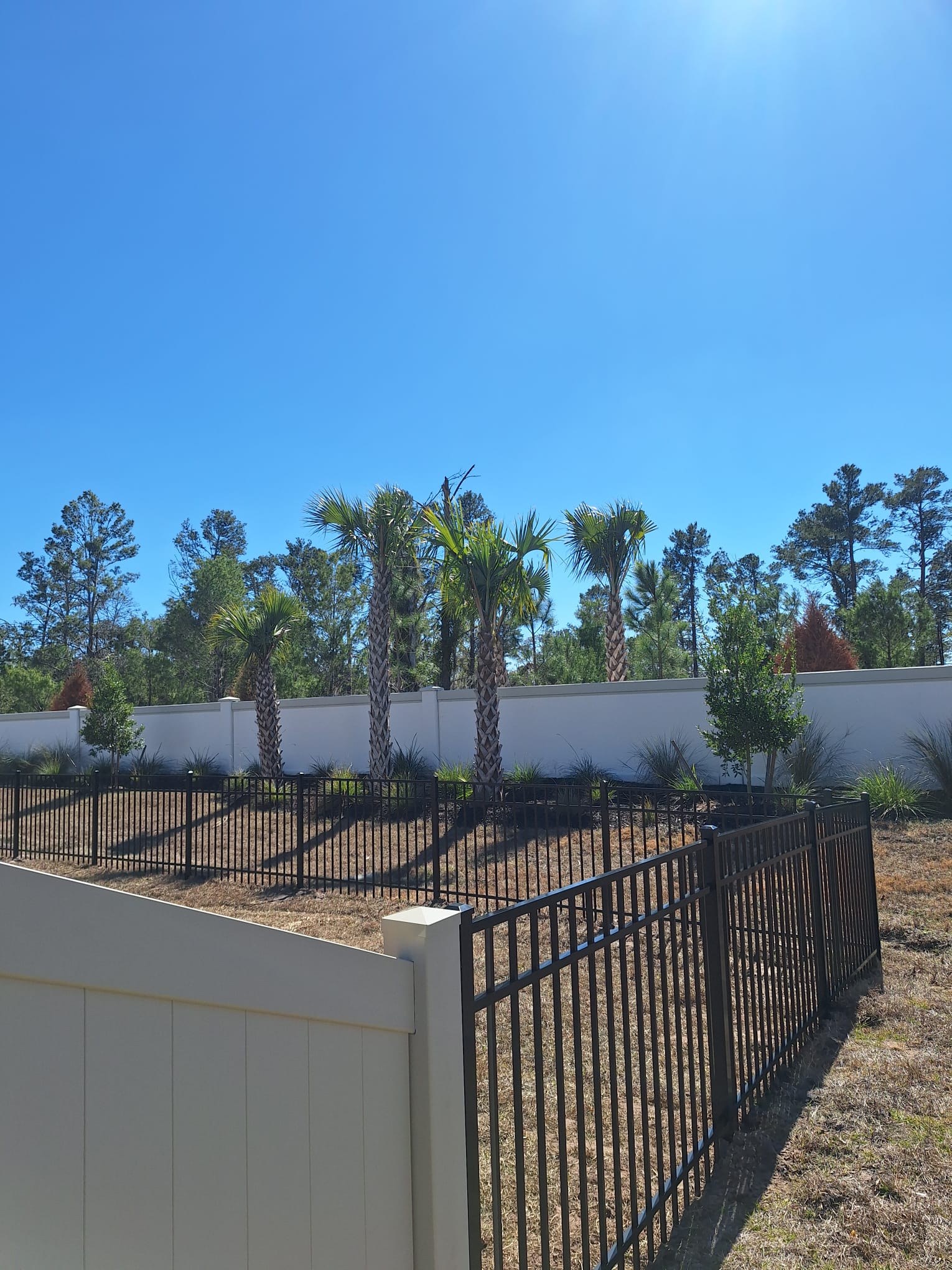
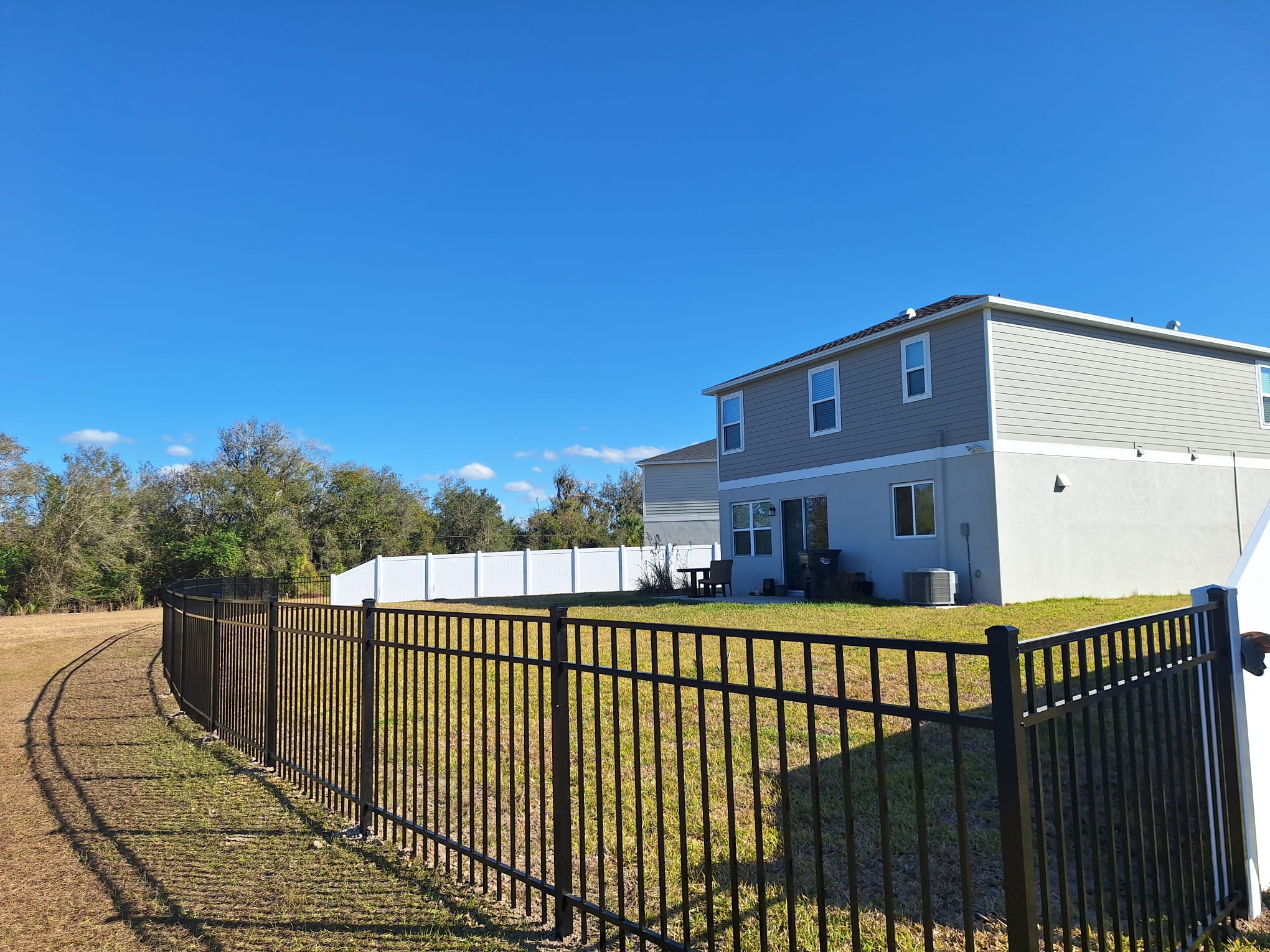
- Aluminum fencing: Performs reasonably well due to its lighter weight and open picket design, though thinner aluminum can bend under debris impact.
- Chain-link fencing: Generally the most wind-resistant due to its open mesh design, provided posts and mesh gauge are appropriately rated.
While no fence is completely hurricane-proof, chain-link consistently ranks among the more resilient options for Florida properties facing regular tropical storm and hurricane activity.
How to Prepare Your Chain-Link Fence for Hurricane Season
Florida property owners can take several proactive steps to maximize their chain-link fence’s storm resistance:
- Inspect posts and footings annually for signs of loosening, rust, or shifting soil around the base
- Check tension throughout the fence line and re-stretch mesh if it has become slack over time
- Reinforce or replace weak gate hardware before storm season begins
- Trim overhanging trees and branches near the fence line to reduce debris impact risk
- Consider upgrading to a heavier gauge mesh if your current fence uses lightweight residential-grade wire
Taking these steps well before hurricane season arrives — ideally each spring — helps ensure your fence is ready when severe weather hits.
Protecting Your Whole Property, Not Just the Fence Line
A resilient fence is just one piece of hurricane preparedness for Florida properties. Proper drainage and water management around your home or business are equally critical, since poor drainage can undermine fence post footings, erode soil, and cause standing water that weakens structural elements over time. Homeowners preparing for hurricane season should also have their gutter systems inspected and reinforced to handle heavy rainfall.
So, is chain-link fencing hurricane-resistant in Florida? The answer is a qualified yes — chain-link’s open mesh design gives it a real structural advantage over solid fencing materials during high winds, but its true hurricane performance depends heavily on proper post depth, mesh gauge, installation quality, and gate reinforcement. Florida homeowners who invest in quality installation and routine maintenance can expect their chain-link fence to hold up significantly better than most alternatives when storm season arrives.
FAQs
Generally, no. Because of its wind-permeable design, chain-link fencing is one of the few fence types that typically doesn’t need to be removed before a storm, unlike temporary privacy screens or mesh windscreens, which should always be taken down.
For maximum storm resistance, commercial-grade 9-gauge chain-link mesh is recommended over standard residential 11.5-gauge wire, as the heavier gauge better withstands high wind stress and flying debris.
Posts should generally be set in concrete footings at least 24 to 36 inches deep, depending on fence height and local soil conditions, to provide adequate resistance against hurricane-force winds.