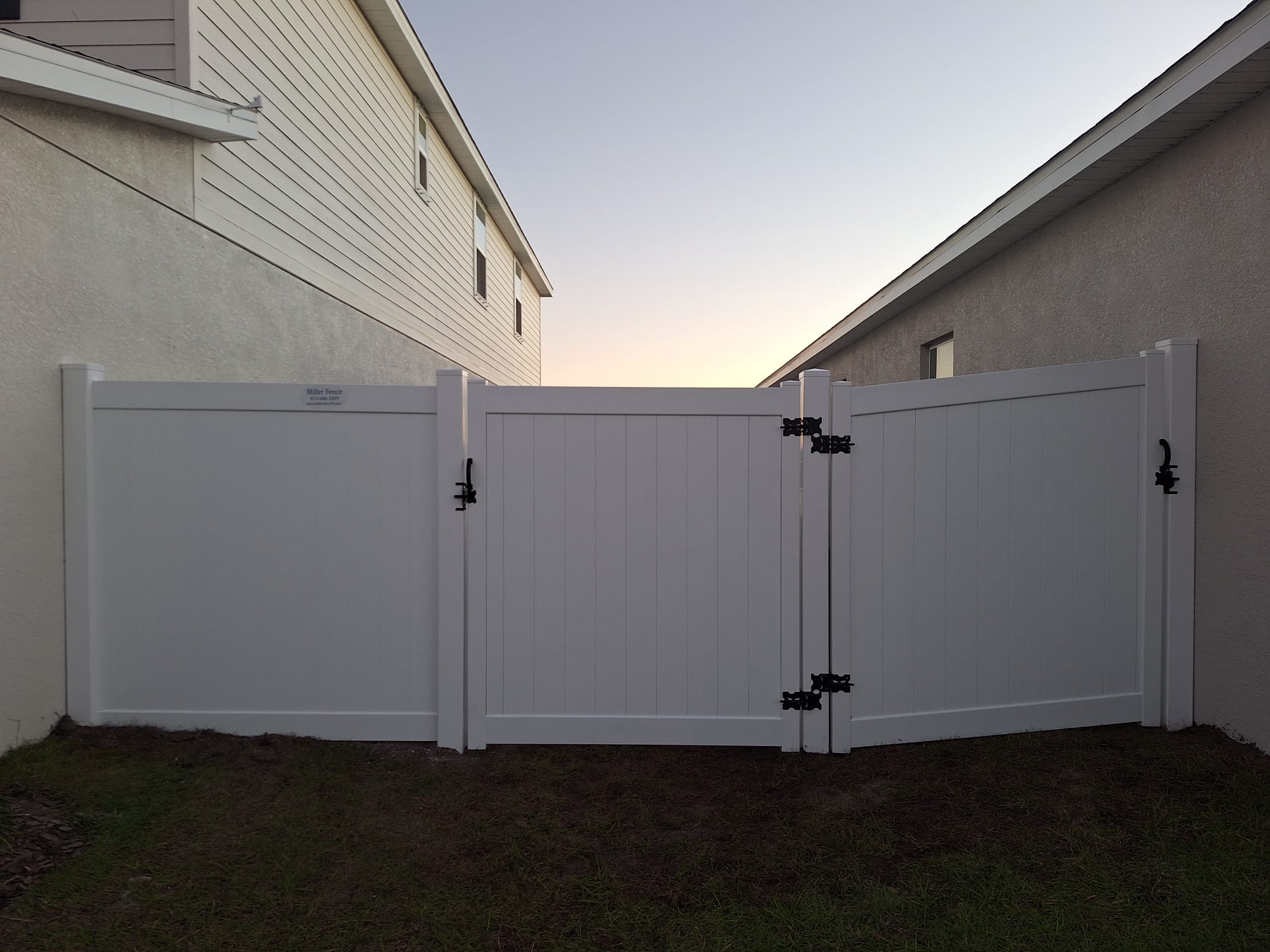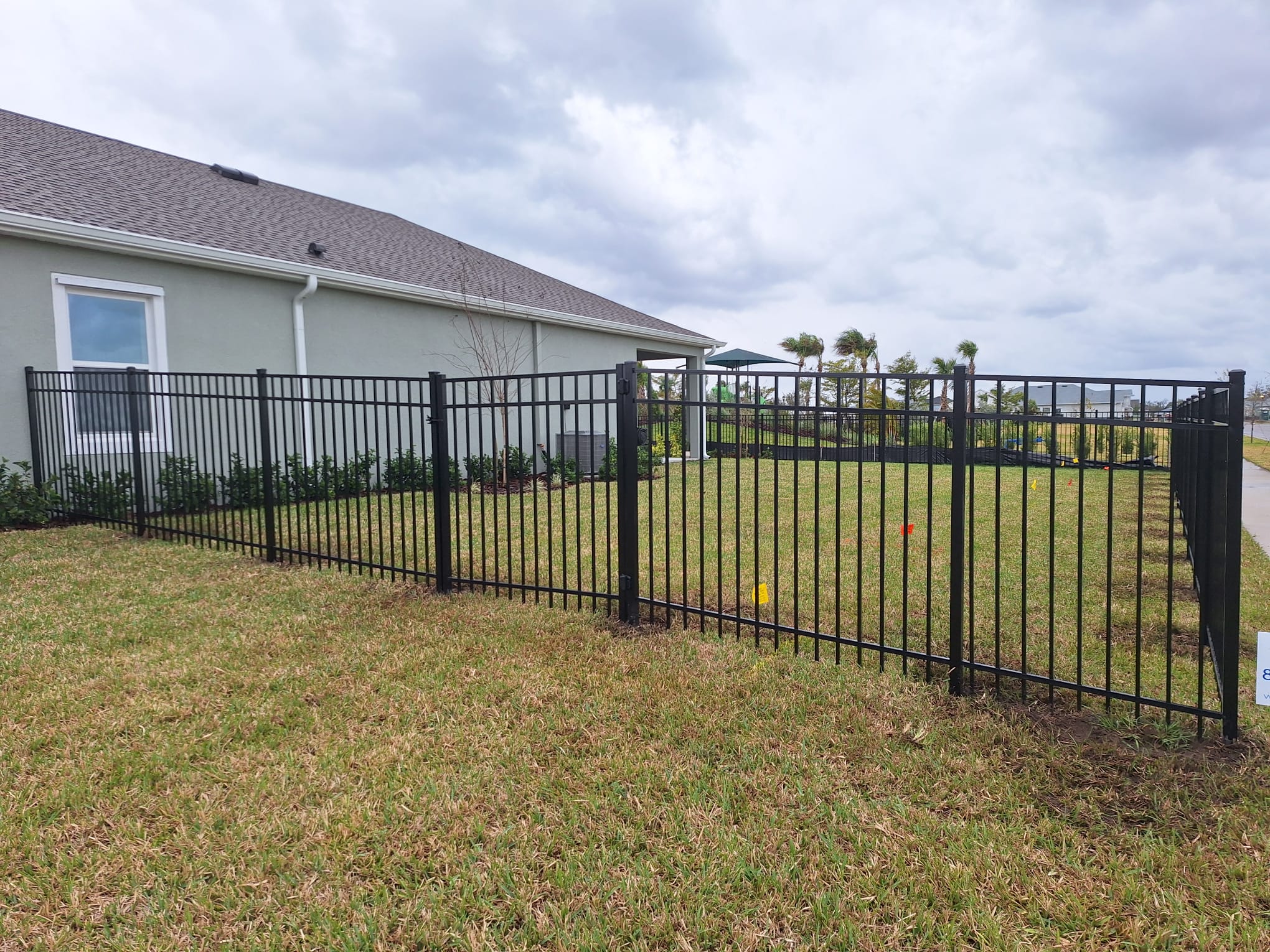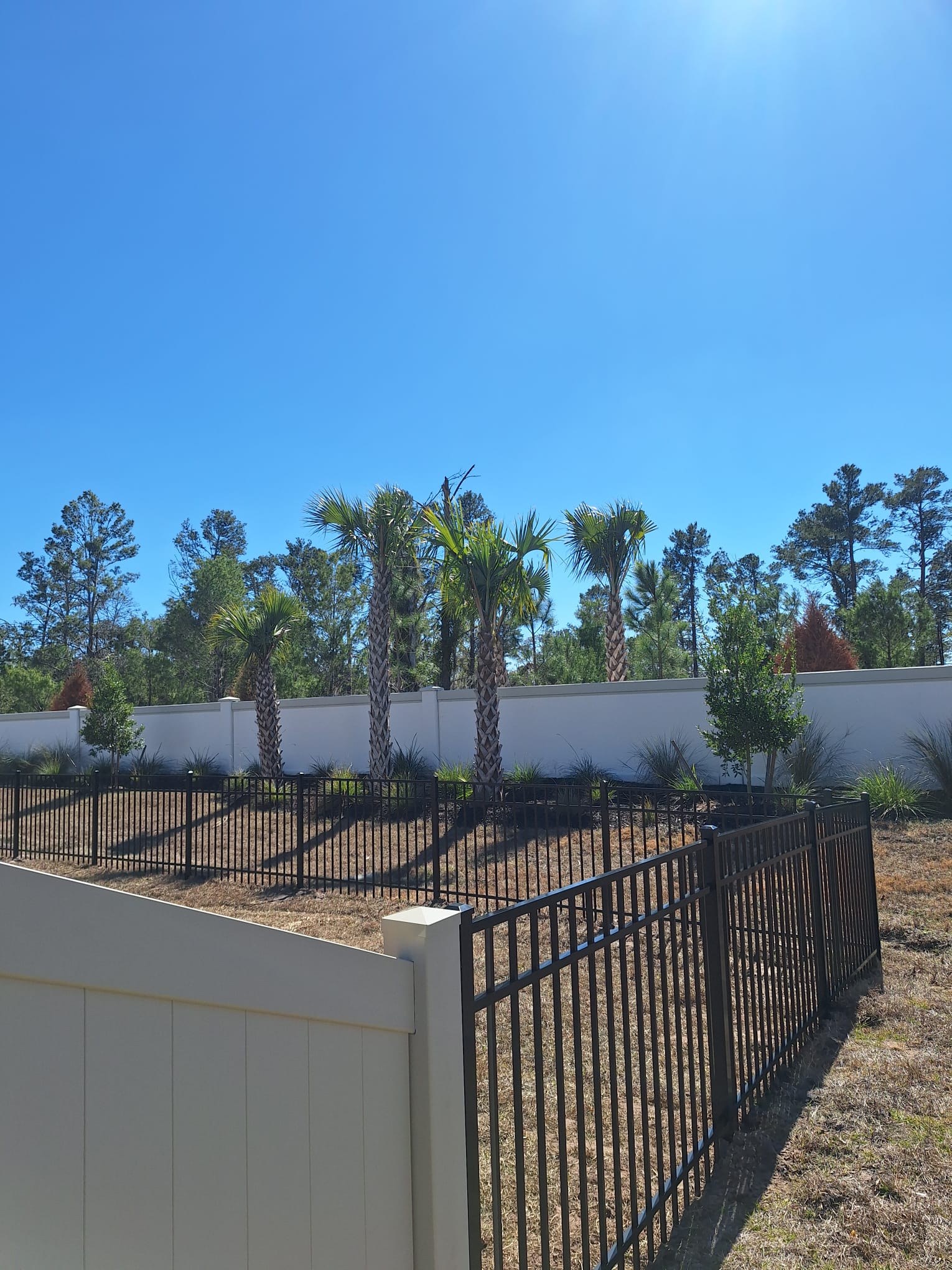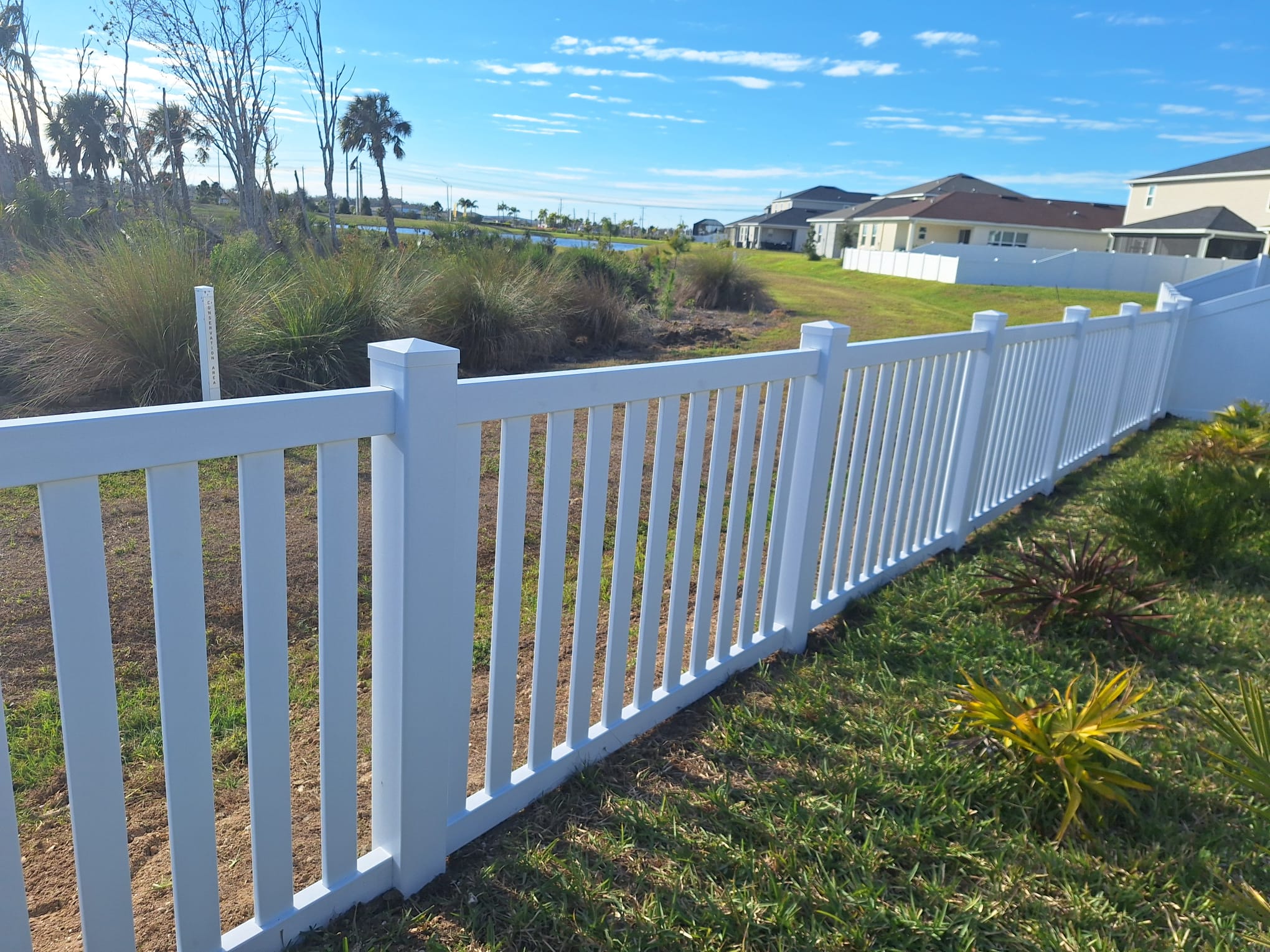
If you’re a homeowner in Tampa considering adding a wood fence to your property, you may be wondering: do I need HOA approval for a wood fence in Tampa? The answer largely depends on whether your home is part of a homeowners association and what their specific covenant restrictions entail. Understanding these requirements before you invest in a new fence can save you time, money, and frustration down the road. This comprehensive guide walks you through everything you need to know about securing HOA approval for your wooden fence project in Tampa.
Understanding HOA Restrictions and Covenants
Homeowners associations exist in many Tampa neighborhoods, and they maintain specific rules and regulations designed to protect property values and community aesthetics. These guidelines, documented in the property’s Covenants, Conditions, and Restrictions (CC&Rs), often contain detailed specifications about exterior modifications, including fences.
When you purchase a property in an HOA-governed community, you’re legally bound to comply with these rules. The HOA board has the authority to enforce these restrictions and can impose fines or legal action if homeowners violate them. Before you purchase wood or install anything, review your community’s governing documents to understand what’s permitted.
Common HOA Restrictions on Wood Fences
Most HOAs in Tampa impose specific restrictions on wooden fences. These typically include:
Height Limitations: Many HOAs restrict fence height to 4-6 feet in backyards and even lower in front yards (often 3-4 feet). These regulations are in place to maintain sight lines and neighborhood consistency.
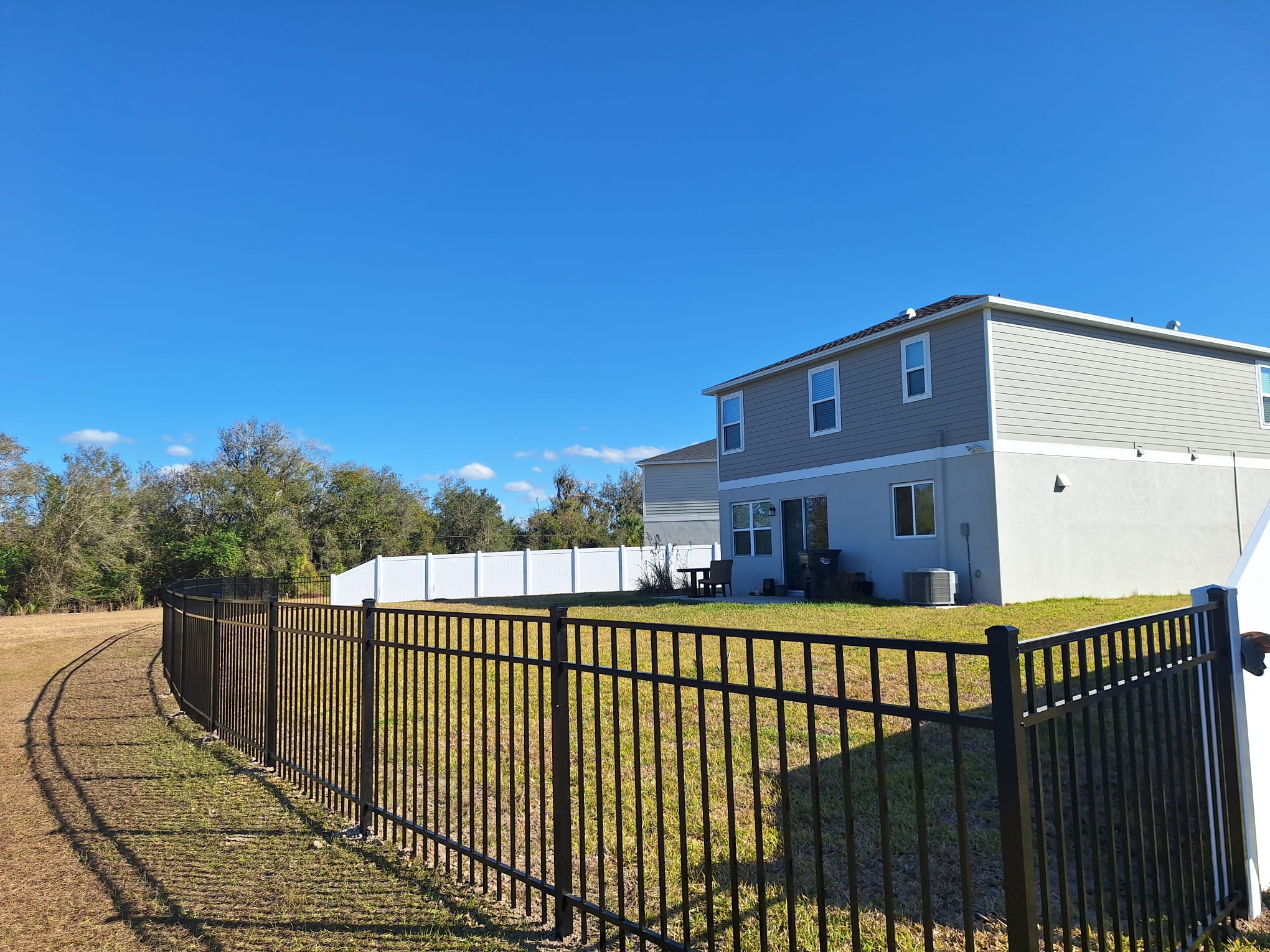
Material Requirements: Some associations only permit specific materials, such as vinyl or aluminum, rather than wood. If your HOA is one of these, you might want to explore alternatives with professional aluminum fence installers near me who can provide quality options that comply with your community guidelines.
Color and Finish Standards: Wood fences must often be maintained in natural wood tones or specific approved colors. Some HOAs prohibit staining and require regular maintenance to prevent weathering and deterioration.
Placement and Setback Requirements: Most communities specify how far back a fence must be from property lines, sidewalks, and streets. Common setback requirements range from 5-10 feet from the street.
Design Approval: Many HOAs require homeowners to submit detailed plans for approval before installation, including materials, dimensions, color, and placement specifications.
Steps to Get HOA Approval for Your Wood Fence
Step 1: Review Your HOA Documents
Start by carefully reading your community’s CC&Rs and any amendments. These documents outline all requirements and restrictions. If you don’t have a copy, contact your HOA office or property management company.
Step 2: Contact Your HOA Board or Management Company
Reach out to your HOA’s architectural review committee or management office and ask about the wood fence approval process. They’ll provide guidance on specific requirements and can answer questions about your project.
Step 3: Prepare Detailed Plans
Create or have a contractor prepare detailed plans that include:
- Fence height and length measurements
- Materials and specifications
- Color and finish details
- Placement and setback information
- Site plan showing fence location on your property
- Photos of similar approved fences in your community
Step 4: Submit Your Application
Submit your architectural review application along with your plans. Most HOAs charge a small fee (25−25-25−100) for this review. Keep copies of everything you submit.
Step 5: Wait for Approval
Review timelines vary, but most HOAs respond within 14-30 days. They may approve your request, request modifications, or deny it entirely. If denied, ask for specific reasons and whether you can resubmit with changes.
Step 6: Install Your Fence
Once approved, obtain any necessary city permits (Tampa does require permits for fence installation) and hire a reputable contractor to install your fence according to approved specifications.
What Happens if You Don’t Get HOA Approval?
Installing a fence without HOA approval can result in serious consequences:
- Violation Notices: The HOA will likely issue a formal violation notice requiring removal or modification.
- Fines: Monthly fines can accumulate quickly—sometimes 50−50-50−200 per day until the violation is corrected.
- Legal Action: If violations persist, the HOA can file a lien against your property or pursue legal action to force compliance.
- Property Sales Issues: An outstanding HOA violation can complicate future property sales and refinancing.
Tampa Building Code Requirements
Beyond HOA restrictions, Tampa also has building codes governing fence installation. The city requires:
- Permits before installation
- Compliance with setback and height requirements
- Regular inspections
- Adherence to safety standards
Always check with Tampa’s building department and obtain necessary permits alongside your HOA approval.
Alternatives to Wood Fences
If your HOA doesn’t approve wood fences, consider these alternatives:
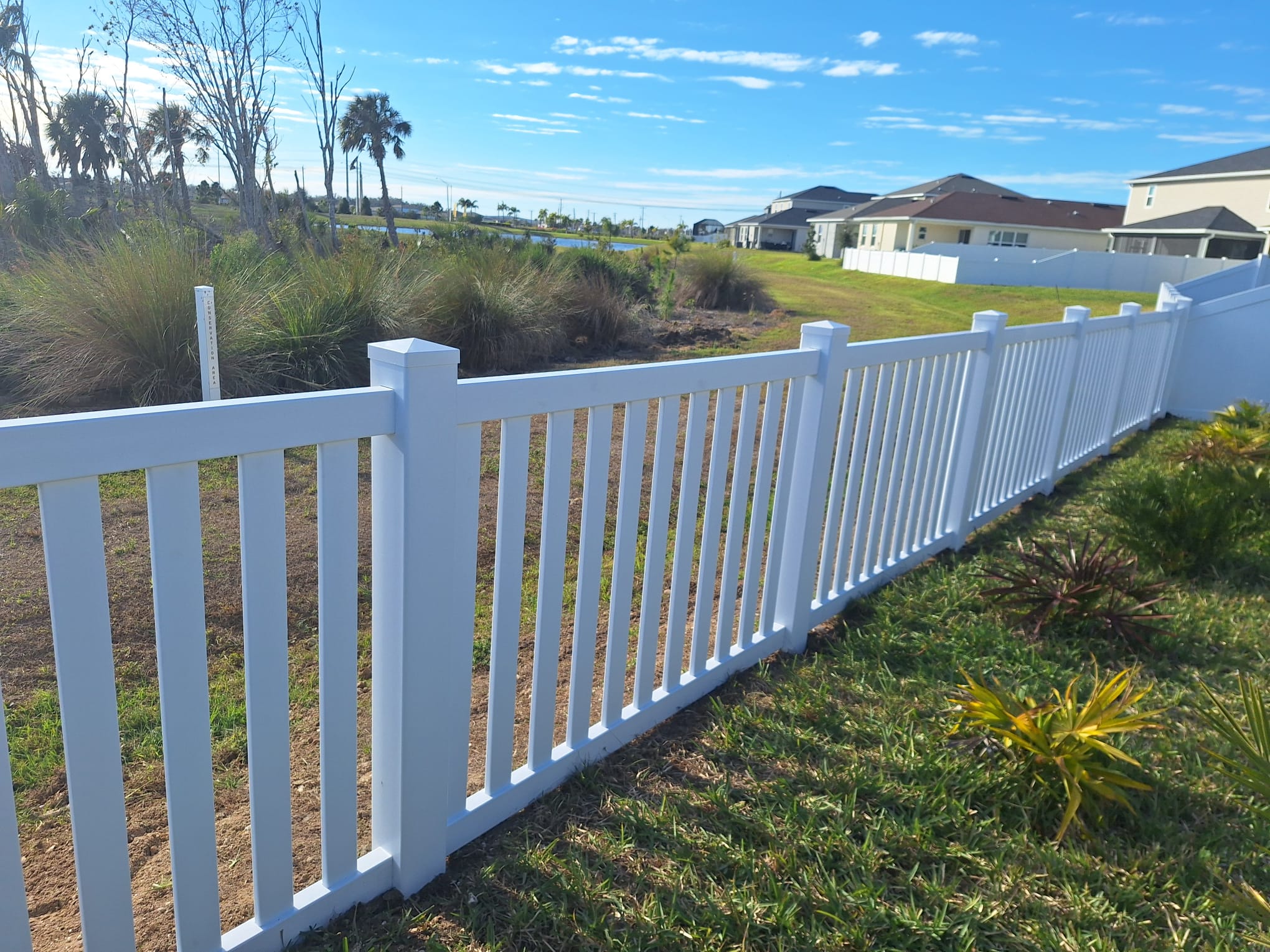
Vinyl Fencing: Low-maintenance, durable, and available in wood-grain finishes that mimic traditional wood.
Aluminum Fencing: Lightweight, elegant, and often explicitly permitted by HOAs. If you need professional installation, many aluminum fence installers near me can provide quality options that meet your community’s standards.
Composite Fencing: Combines wood fibers and plastic for durability without extensive maintenance.
Living Fences: Hedge rows or landscaping barriers that may be permitted when traditional fences aren’t.
Timeline and Cost Considerations
Expect the HOA approval process to take 4-6 weeks from submission to completion. Factor in:
- HOA application fee: 25−25-25−100
- Professional plan preparation: 200−200-200−500
- Tampa building permit: 200−200-200−400
- Fence installation: 1,500−1,500-1,500−5,000+ depending on size and materials
Planning ahead ensures your project stays on schedule and within budget.
Tips for Getting Approval Quickly
- Submit complete, professional applications with clear plans
- Follow existing architectural standards in your community
- Choose materials and colors that match approved fences nearby
- Communicate proactively with your HOA throughout the process
- Consider hiring a contractor experienced with HOA projects
Frequently Asked Questions
: Most HOA boards review applications within 14-30 days. However, if they request modifications or additional information, the process can extend to 6-8 weeks. Submitting a complete, well-prepared application helps expedite the timeline.
A: Yes, if your HOA’s CC&Rs prohibit wooden fences or fences altogether, they can deny your request. You can appeal the decision or explore approved alternatives like vinyl or aluminum fencing that comply with community guidelines.
A: Yes. Tampa requires building permits for all fence installations regardless of HOA approval. You must obtain both your HOA’s architectural approval and a city permit before installation begins. Your contractor can typically handle permit applications for you.