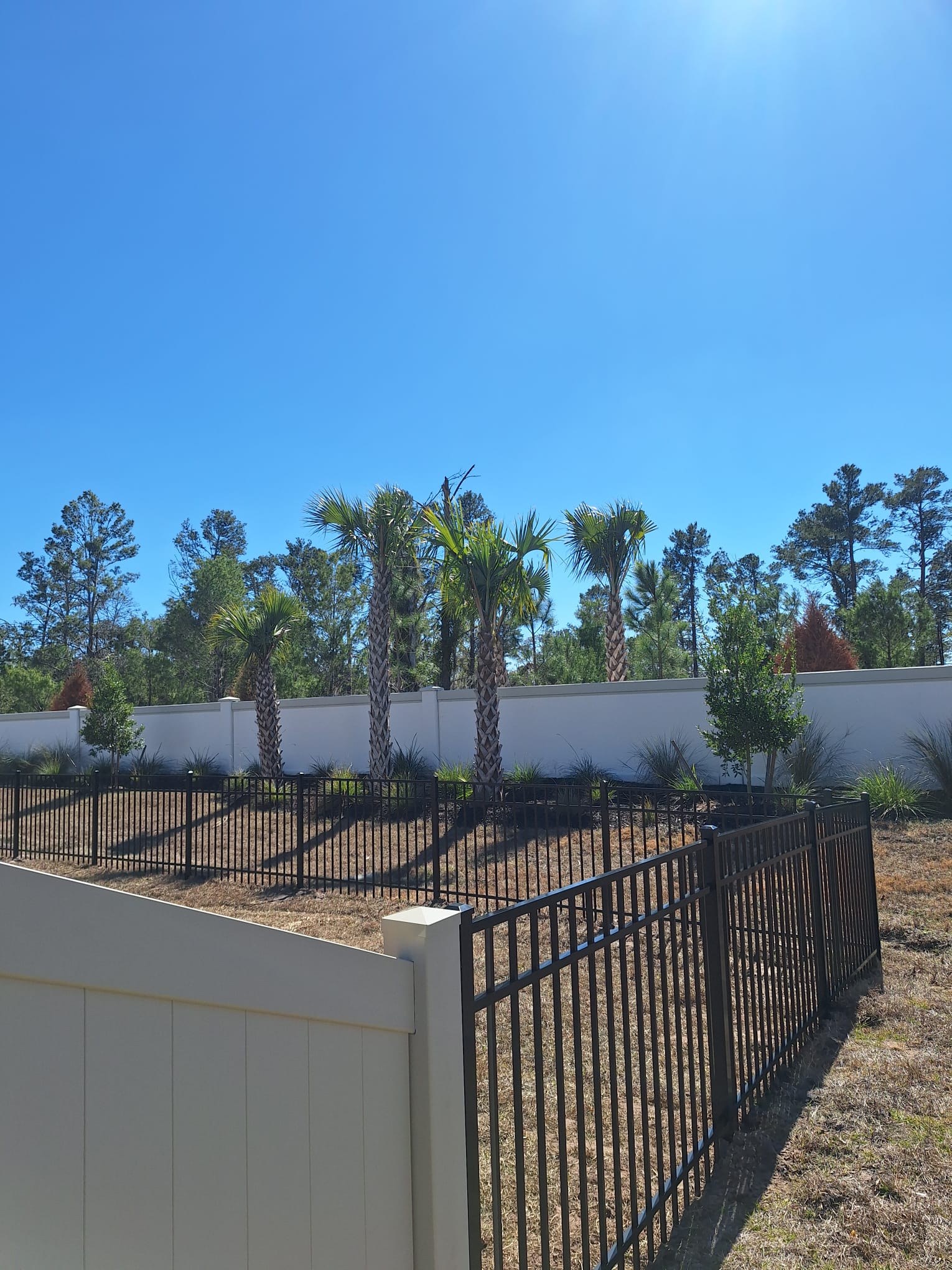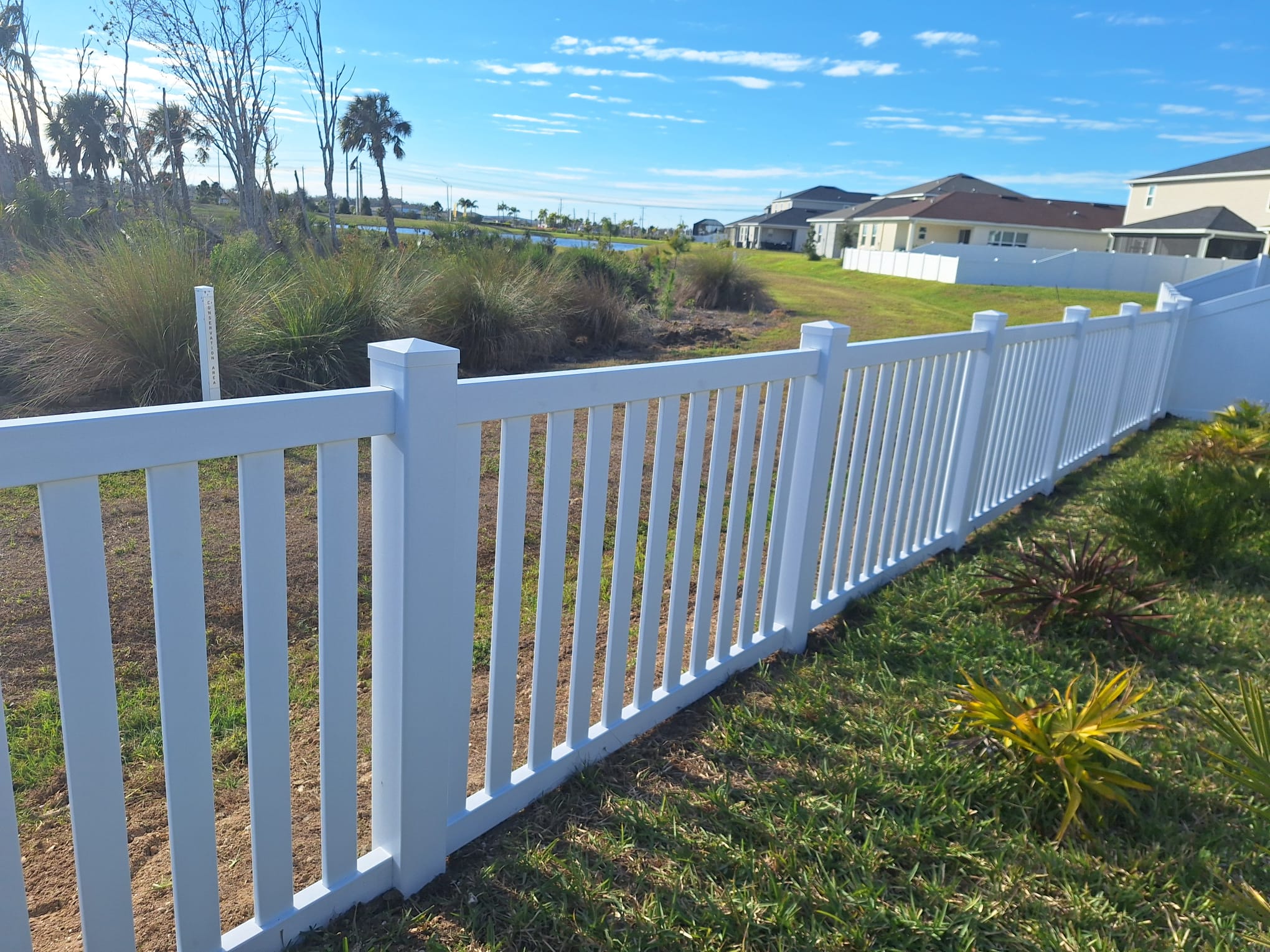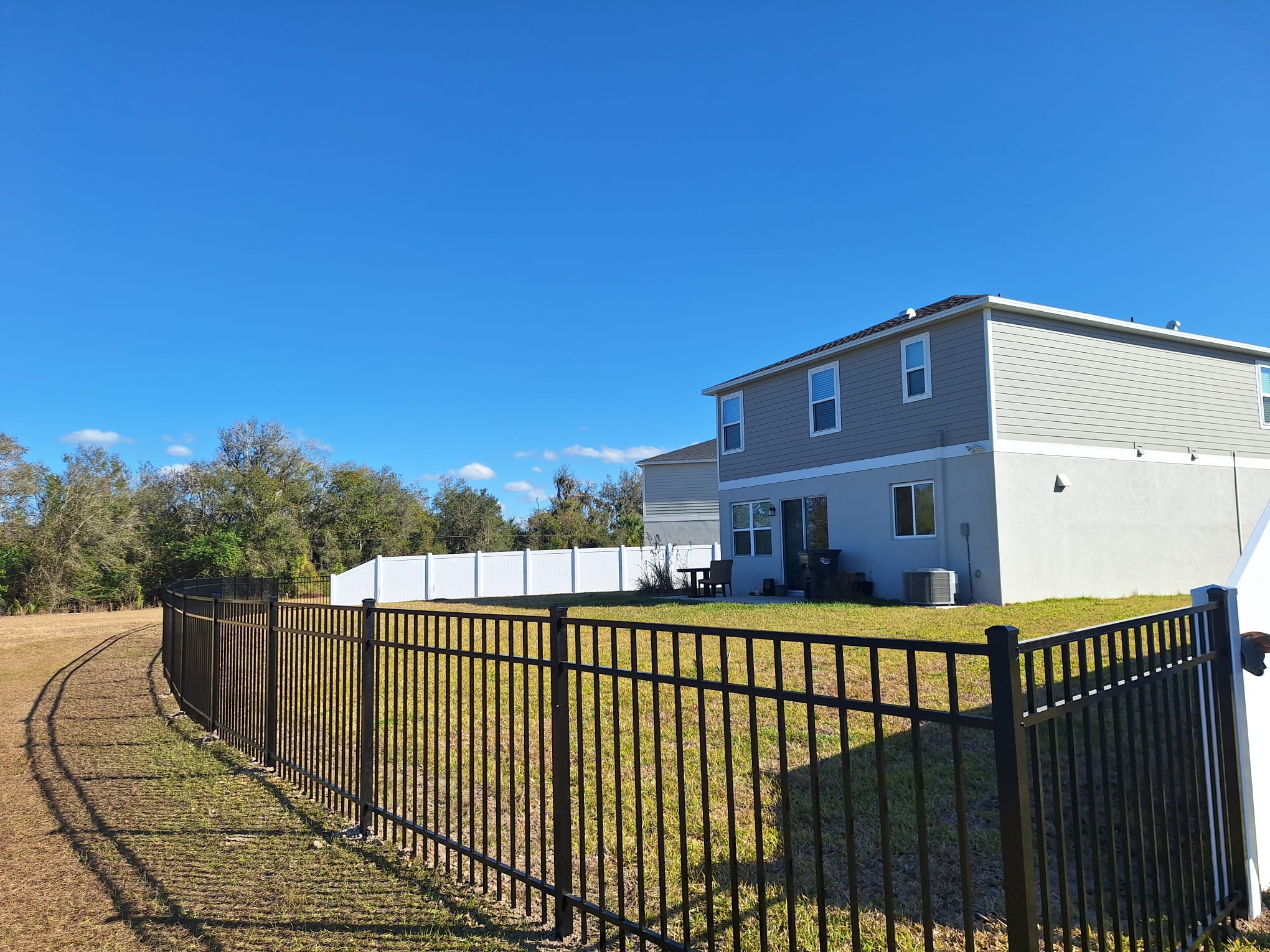
If you’re a homeowner in a managed community searching for affordable HOA fence installation near me, you already know the process involves more than just picking a style you like. Between architectural review boards, material restrictions, height limits, and approval timelines, HOA fence projects come with an extra layer of complexity that standard fence installations don’t have. The good news is that finding a budget-friendly fence that still meets your association’s requirements is entirely possible — you just need to know what to look for and how to plan the project the right way.
This guide covers how to find affordable, HOA-compliant fence installation options, what drives cost up or down, and how to avoid delays or rejected applications.
Why HOA Fence Projects Cost More Than Expected
Many homeowners are surprised when their fence project costs more than a standard installation quoted online. This usually comes down to a few HOA-specific factors:
- Material restrictions – Many HOAs only approve specific materials (like vinyl, wood, or aluminum), which may be pricier than chain-link or basic alternatives.
- Design uniformity requirements – Some communities require matching an existing fence style throughout the neighborhood, limiting your ability to shop for the cheapest option.
- Permit and application fees – Beyond the installation cost, there may be HOA application fees, county permit fees, or survey costs.
- Setback and height rules – Adjustments to meet exact placement requirements can add labor time and cost.
Understanding these factors upfront helps you search more effectively for contractors who specialize in HOA-compliant fencing rather than general fence installers who may not be familiar with your community’s rules.
Step 1: Check Your HOA’s Approved Materials List First
Before requesting quotes, pull your community’s architectural guidelines and identify exactly which fence materials, colors, and heights are pre-approved. This single step can save you significant time and money because:
- You avoid getting quotes for materials that will be rejected
- You can request pricing specifically for approved options, allowing for accurate comparisons
- Contractors familiar with your HOA’s requirements can often move faster through the approval process
Many local fencing companies keep records of previously approved installations in specific communities, which can speed up your application significantly.
Step 2: Get Multiple Quotes from Local, HOA-Experienced Contractors
When searching for affordable HOA fence installation near me, it pays to prioritize local contractors with direct experience working within HOA communities. These companies typically:
- Understand the required documentation for submission (site plans, material samples, contractor licensing)
- Know which HOAs in the area have stricter or more lenient review processes
- Can provide accurate, itemized quotes that separate material costs, labor, and any HOA-related add-ons
Request at least three quotes, and ask each contractor directly whether they’ve completed installations in HOA-governed communities before. This experience often translates into fewer delays and fewer costly mistakes.
Step 3: Compare Material Costs Realistically
Not all HOA-approved materials are equally priced. Here’s a general breakdown of typical costs per linear foot, which can help you budget realistically:
- Chain-link (if approved): Most affordable option, though less common in HOA-approved lists due to aesthetic restrictions
- Wood: Moderate cost, classic look, but requires more long-term maintenance
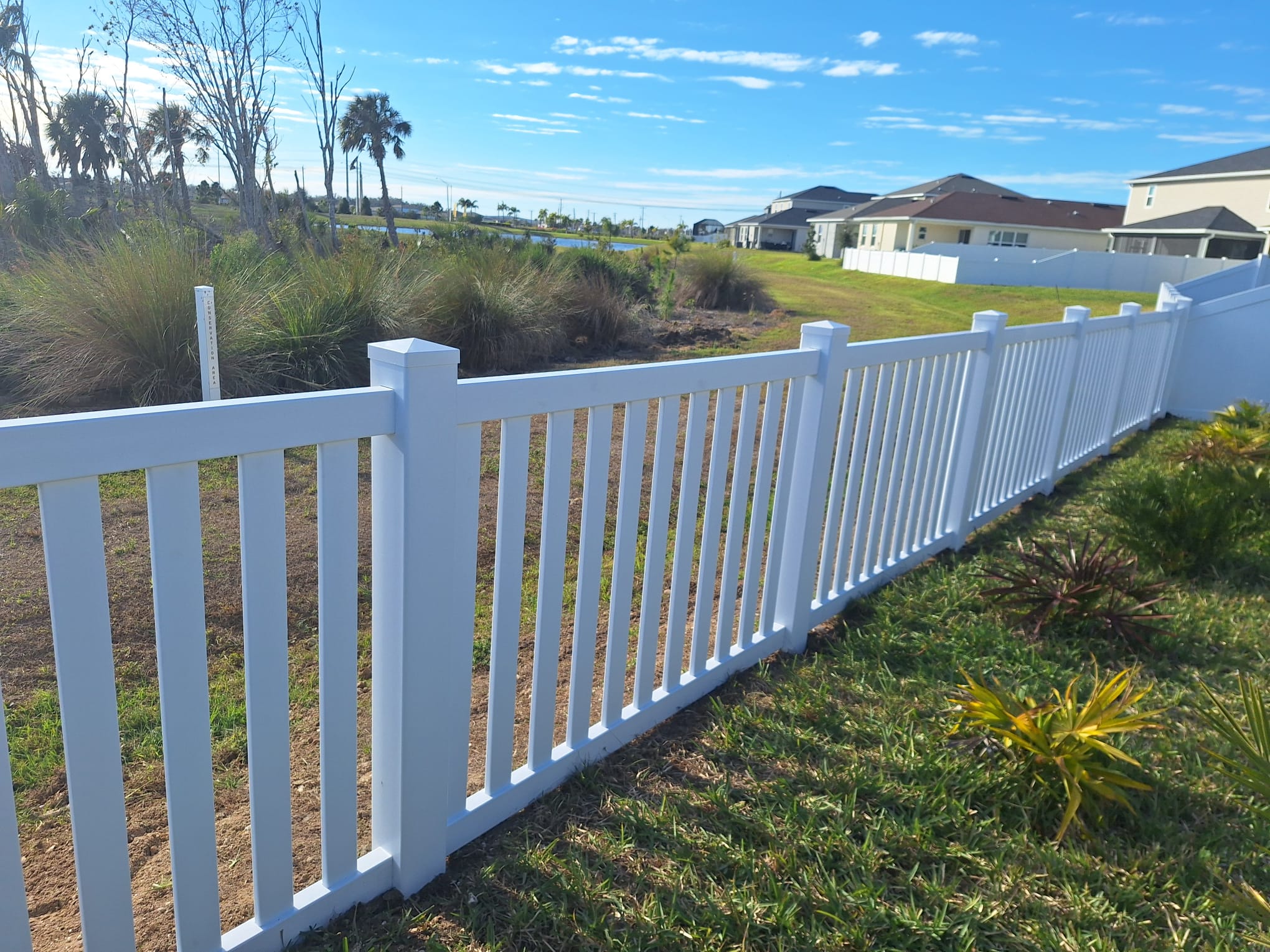
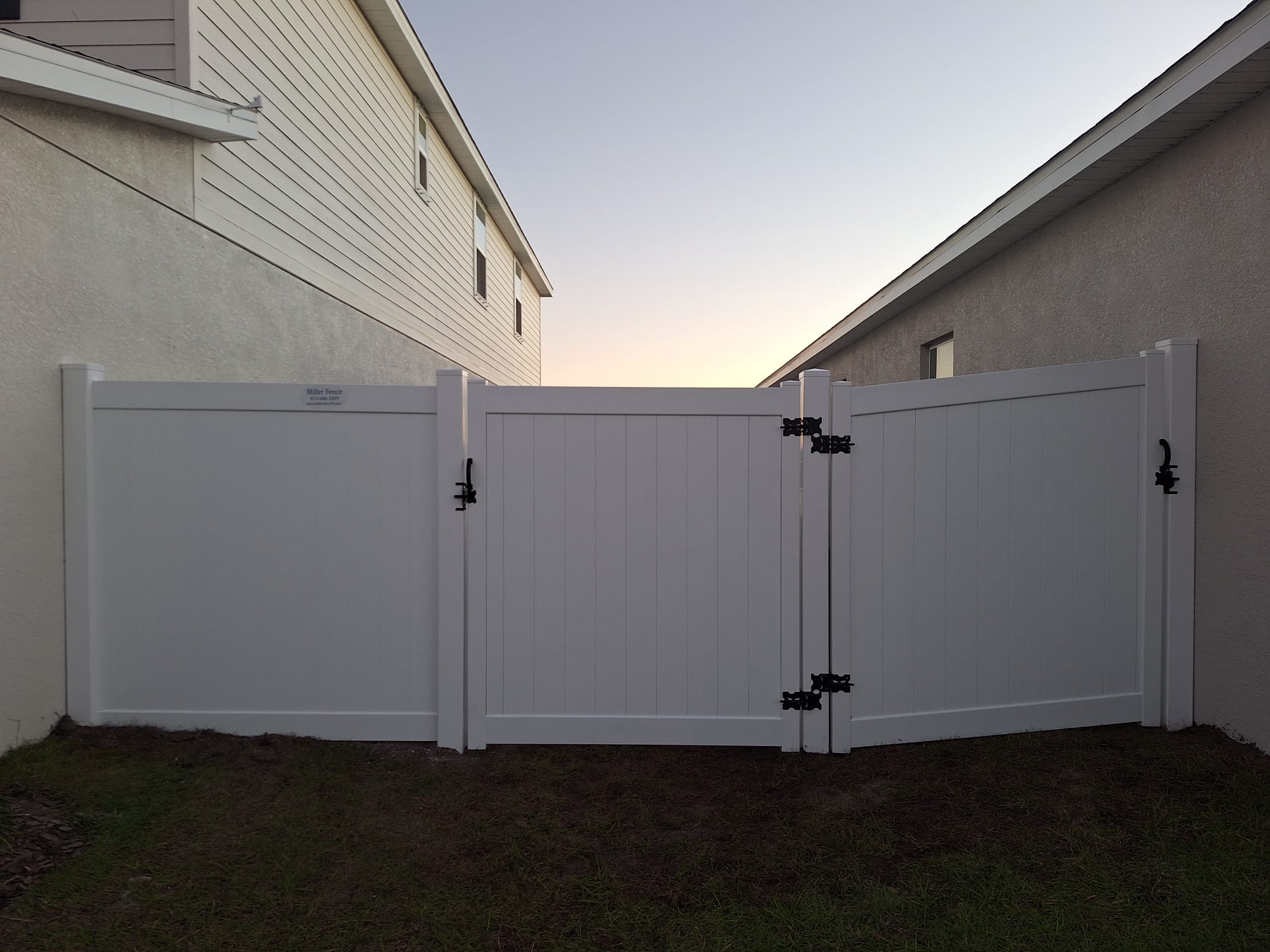
- Vinyl/PVC: Slightly higher upfront cost but minimal maintenance and long lifespan
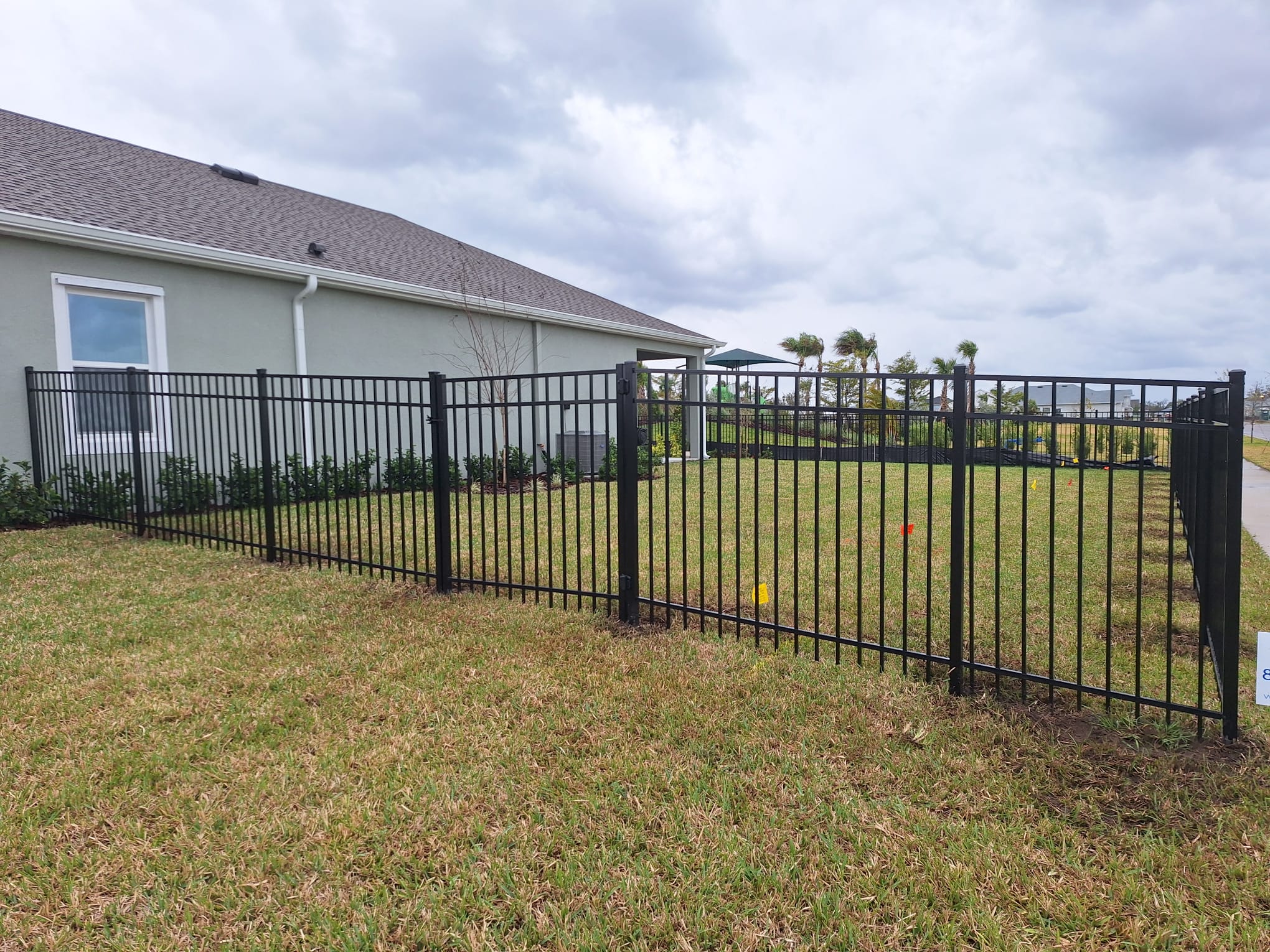
- Aluminum: Often required for HOA communities wanting an upscale, uniform appearance; typically the higher end of the budget range
If your HOA allows more than one approved material, comparing quotes across each option can help you find the most affordable path that still satisfies community standards.
Step 4: Ask About Bundled or Off-Season Pricing
Many fencing companies offer reduced pricing during slower seasons or for larger community-wide projects. If several neighbors in your HOA are considering fence replacements around the same time, some contractors offer discounted rates for coordinated installations along shared property lines or within the same subdivision.
It’s also worth asking about financing options, which many local fencing companies now offer, making a higher-quality, longer-lasting material more accessible without a large upfront cost.
Step 5: Factor in the Full Scope — Not Just the Fence
Affordability isn’t only about the fence itself. A well-planned exterior project often considers surrounding elements that protect your investment. For instance, poor drainage near a new fence line can lead to erosion, standing water, or damage to fence posts over time. Homeowners tackling exterior upgrades should also evaluate their property’s drainage systems to avoid costly repairs down the road.
Step 6: Submit a Complete, Accurate HOA Application
One of the most common reasons for delays — and unexpected added costs — is an incomplete or inaccurate architectural review application. To avoid back-and-forth submissions:
- Include a detailed site plan showing exact fence placement
- Attach material samples or manufacturer specification sheets
- Confirm your contractor’s licensing and insurance information is included
- Double-check height and setback measurements against your HOA’s written guidelines
A complete application the first time avoids costly delays, re-inspection fees, and the frustration of restarting the approval process.
Finding affordable HOA fence installation near me doesn’t mean sacrificing quality or risking rejection from your association. By reviewing your HOA’s approved materials list, gathering multiple quotes from experienced local contractors, comparing realistic material costs, and submitting a complete application, homeowners can secure a fence that fits both their budget and their community’s standards — without unnecessary delays or added expenses.
FAQs
Costs vary widely depending on material and length, but homeowners can generally expect to pay anywhere from $15 to $40 per linear foot for HOA-approved materials like wood, vinyl, or aluminum, plus any applicable permit or application fees.
No. Installing any fence material not on your HOA’s approved list — even temporarily — can result in fines or a forced removal order. Always confirm approval in writing before installation begins.
Approval timelines vary by community but generally range from one to six weeks. Submitting a complete, accurate application with all required documentation upfront is the best way to avoid unnecessary delays.