Homeowners associations play a crucial role in maintaining property values and community aesthetics. One of the most important aspects of HOA management is selecting the right fencing solution that meets both regulatory standards and resident preferences. Understanding the best fencing materials for HOA communities is essential for making decisions that will serve your neighborhood for years to come. Whether you’re replacing existing fencing or installing new boundaries, choosing the right material involves evaluating durability, maintenance requirements, cost-effectiveness, and visual appeal.
Why Fence Material Selection Matters for HOA Communities
The choice of fencing material directly impacts your community’s curb appeal, property values, and long-term maintenance costs. Different materials offer varying levels of durability, weather resistance, and aesthetic versatility. In Florida’s subtropical climate, factors like humidity, salt air, and intense sun exposure make material selection particularly critical. A well-chosen fence not only provides security and privacy but also serves as a statement about your community’s commitment to quality and maintenance standards.
Top Fencing Materials for HOA Communities
Vinyl Fencing
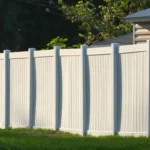
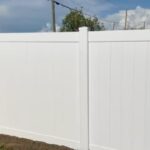
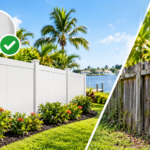
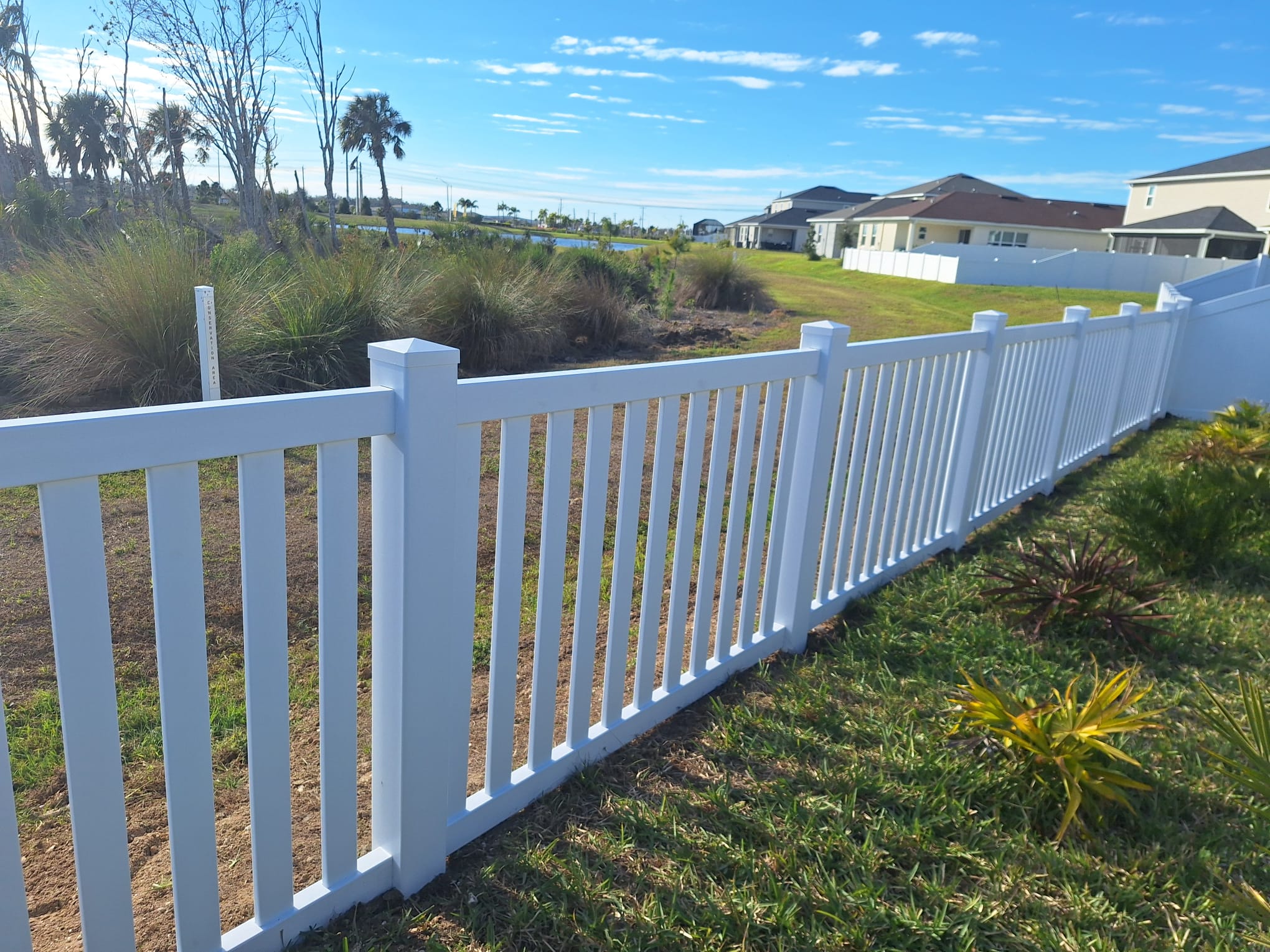
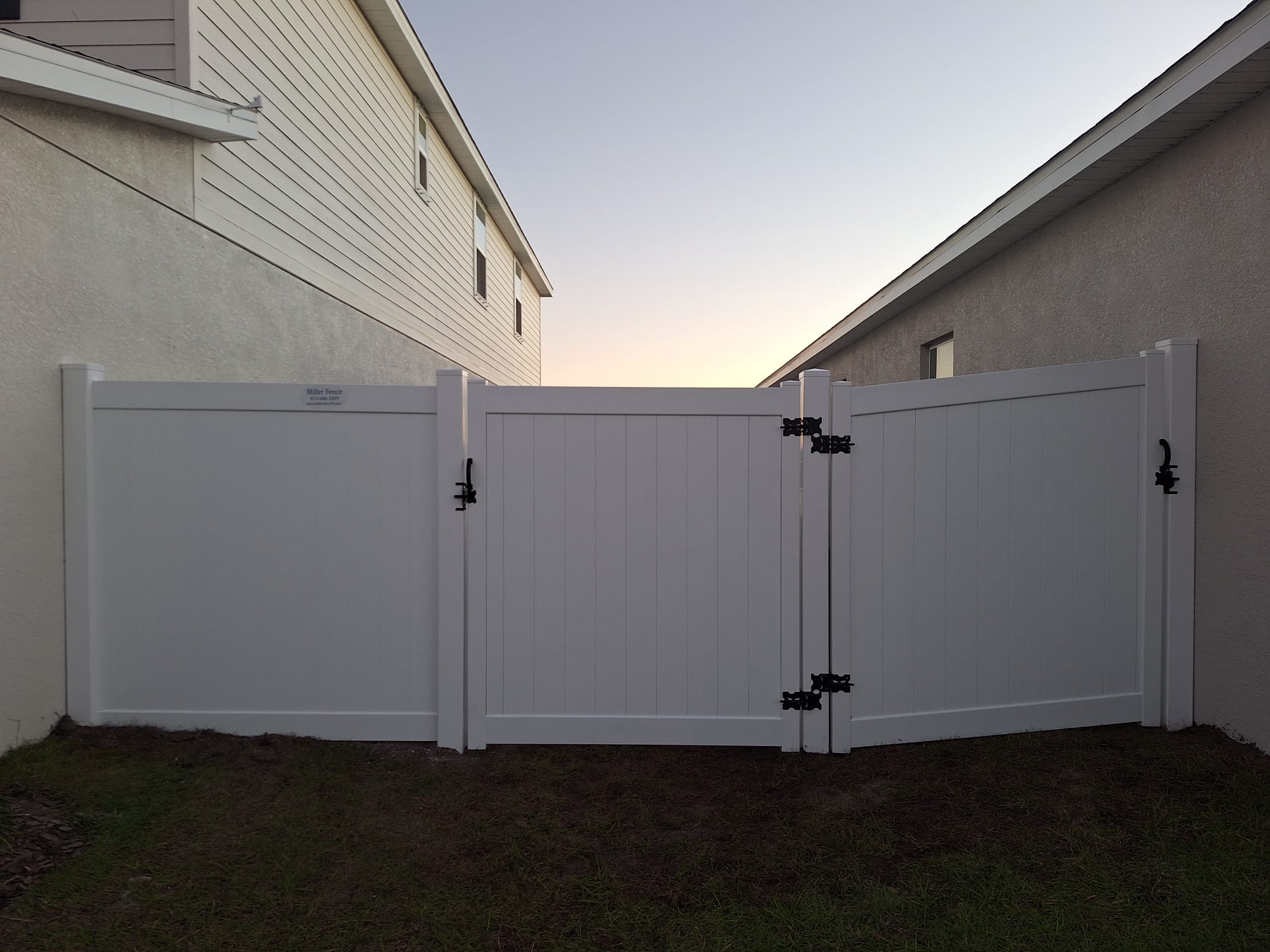
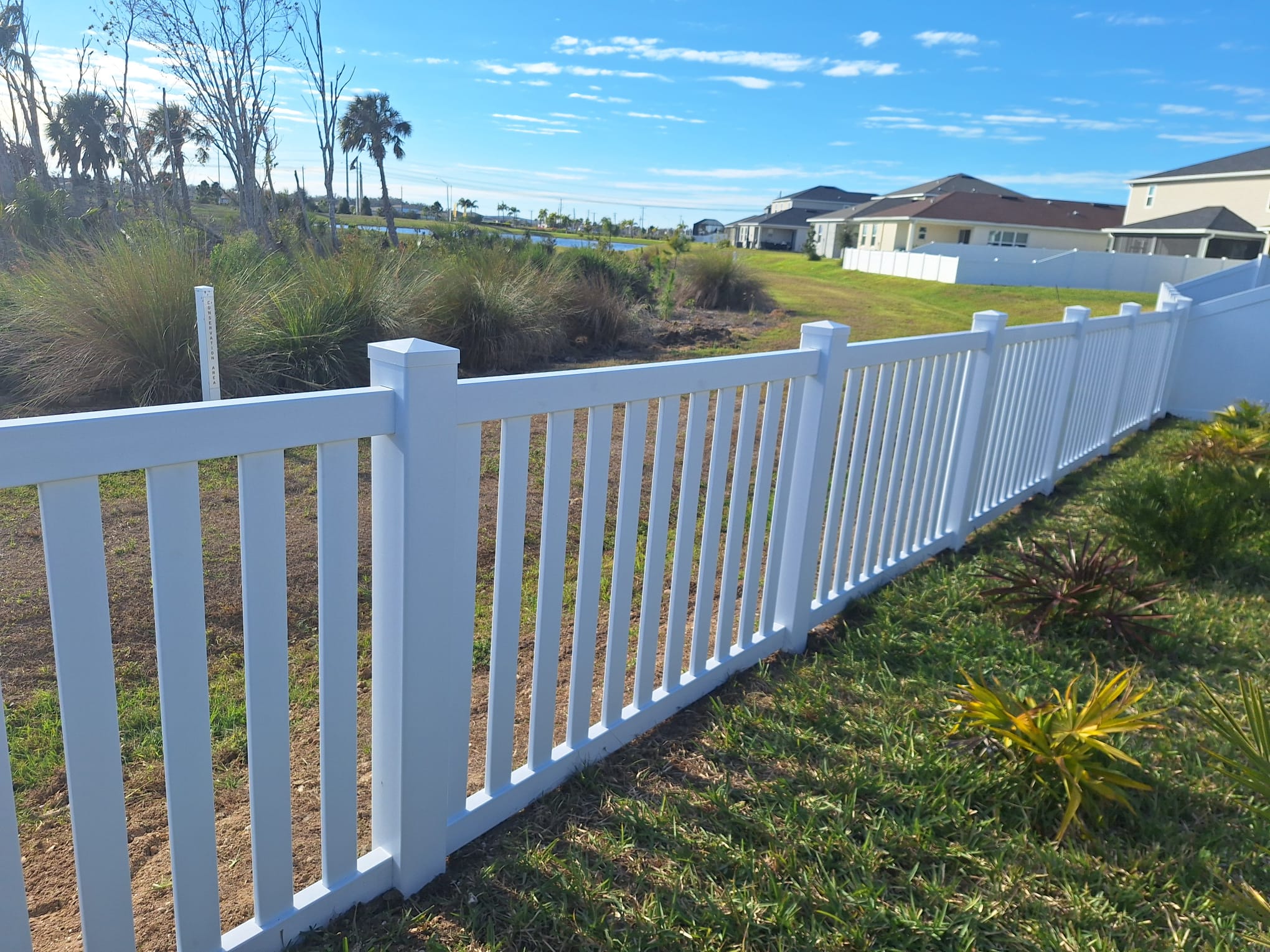
Vinyl has become increasingly popular for HOA communities due to its exceptional durability and minimal maintenance requirements. Unlike wood, vinyl doesn’t require painting, staining, or sealing. It resists rot, insects, and moisture damage—critical advantages in humid climates. Vinyl fences come in various styles and colors that mimic wood grain appearance while offering superior longevity. The initial investment is higher than wood, but homeowners appreciate the long-term savings on maintenance. Vinyl typically lasts 20-30 years with proper care, and it remains one of the most aesthetically pleasing options available.
Aluminum Fencing
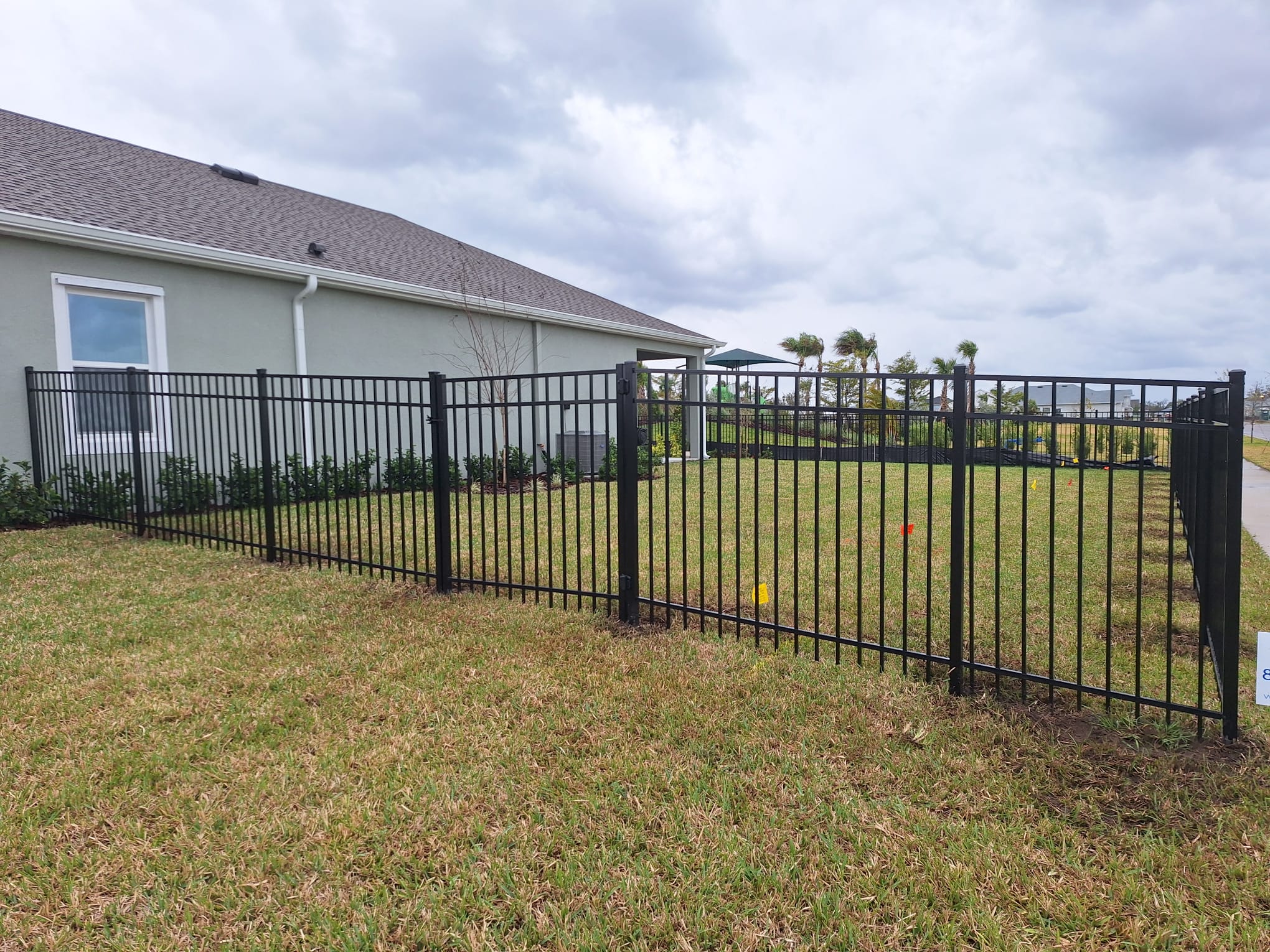
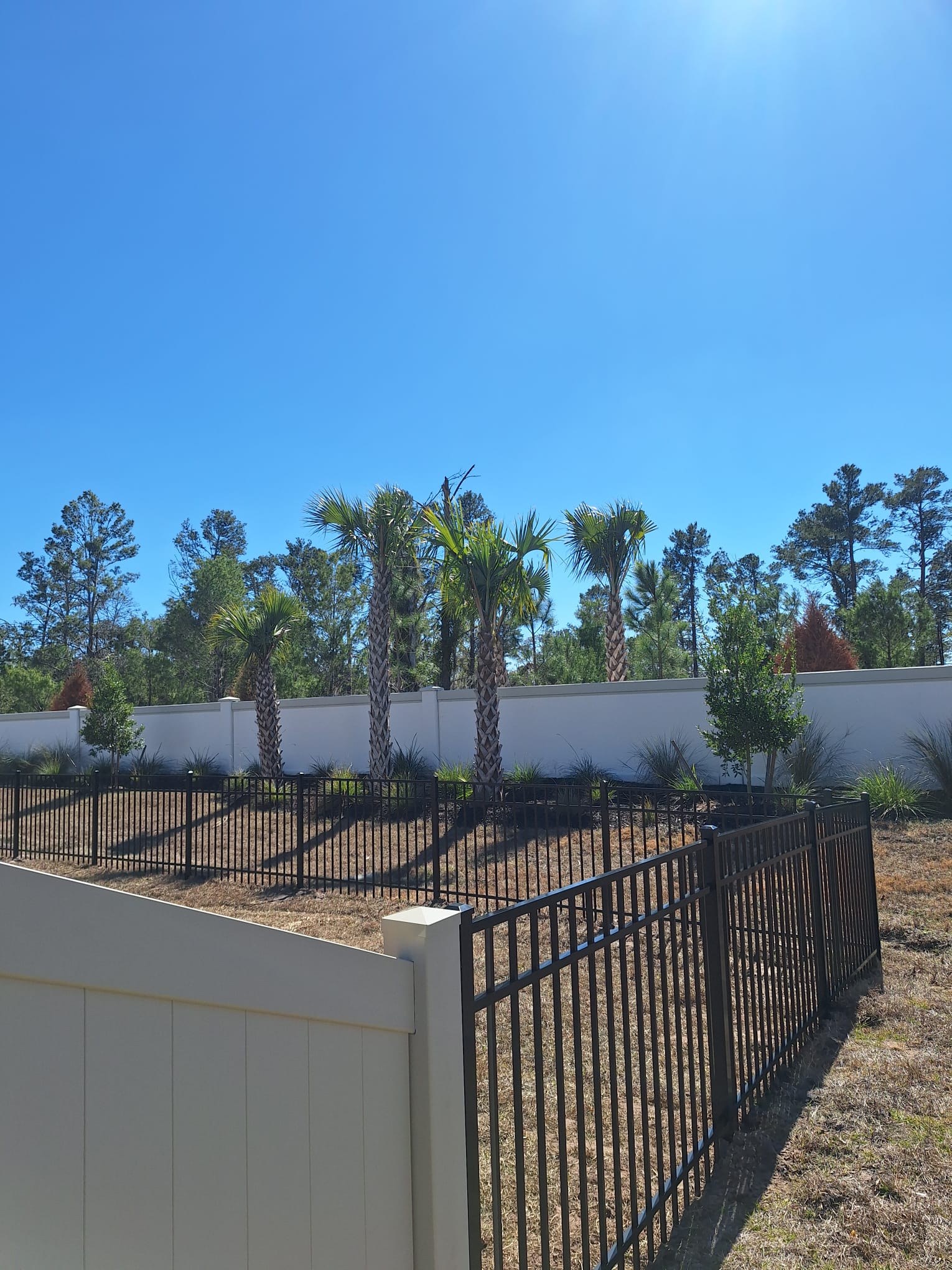
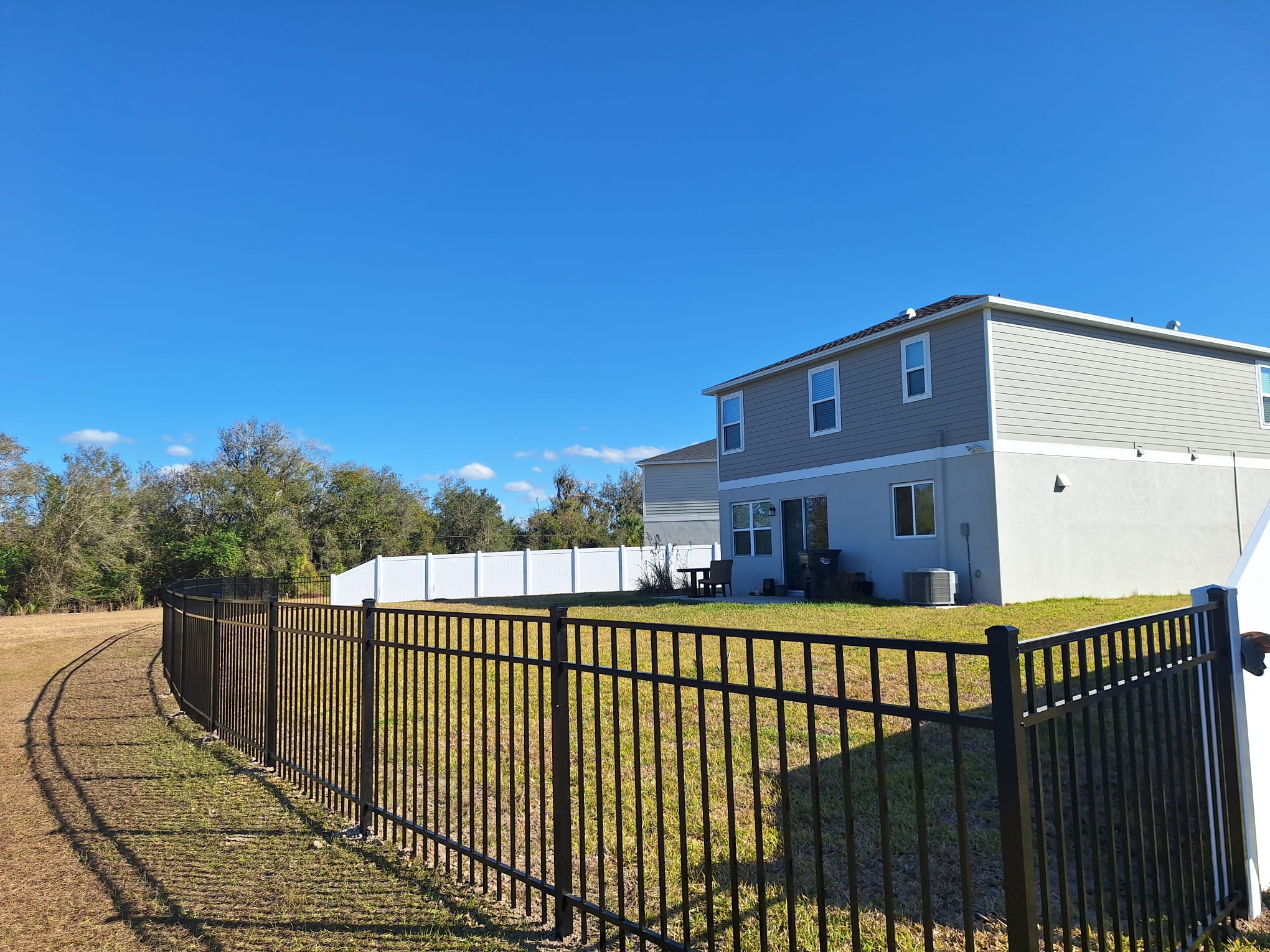
Aluminum presents an excellent choice for HOA communities seeking a balance between aesthetics and functionality. This lightweight material is weather-resistant, doesn’t rust, and requires minimal maintenance. Aluminum fences work particularly well for decorative boundary markers and front-yard installations. They’re available in various styles and finishes, allowing communities to maintain a cohesive appearance. If you’re looking for professional installation, consider hiring aluminum fence installers near me to ensure quality workmanship. Aluminum fences typically last 20-25 years and represent a cost-effective middle ground between budget options and premium materials.
Wood Fencing
Traditional wood fencing remains popular in many HOA communities for its natural beauty and warm aesthetic. However, wood requires regular maintenance including staining, sealing, and occasional repairs to combat rot and insect damage. In humid climates, wood is susceptible to warping and moisture-related issues. While the initial cost is moderate, ongoing maintenance expenses can accumulate over time. Wood is ideal for communities that prioritize natural aesthetics and are willing to invest in regular upkeep. Most quality wood fences last 10-15 years before significant maintenance becomes necessary.
Composite Fencing
Composite materials combine wood fibers with plastic polymers to create a hybrid product offering benefits of both materials. These fences resist rot, insects, and weathering while maintaining a wood-like appearance. They require less maintenance than wood but can be more expensive upfront. Composite fences are an excellent choice for environmentally-conscious communities and those seeking durability without constant upkeep. They typically last 15-20 years and represent a sustainable option for forward-thinking HOAs.
Metal Chain-Link Fencing
While often considered purely functional, galvanized chain-link fencing offers practical benefits for HOA communities. It’s affordable, durable, and requires minimal maintenance. Modern vinyl-coated versions come in various colors and can be more visually appealing than traditional silver options. Chain-link works well for utility areas, dog parks, and sports facilities. Though it may not suit front-yard applications in upscale communities, it provides excellent security and longevity at a reasonable cost.
Evaluating Your HOA Fencing Options
Climate Considerations
Florida’s subtropical climate demands materials that withstand high humidity, intense sun, and occasional hurricane-force winds. Vinyl and aluminum excel in these conditions, while wood requires more frequent maintenance. Consider how climate factors will affect your chosen material over its expected lifespan.
Budget Analysis
Evaluate both initial installation costs and long-term maintenance expenses. While wood may have lower upfront costs, ongoing maintenance can exceed the initial savings. Vinyl requires higher initial investment but minimal future expenses, making it economical over 20+ years.
Aesthetic Goals
Your community’s architectural style should guide material selection. Traditional neighborhoods might prefer wood, while contemporary developments may favor vinyl or aluminum. Ensure your choice complements existing structures and maintains community cohesion.
Maintenance Capabilities
Consider your HOA’s ability and willingness to maintain fencing regularly. Communities with robust maintenance budgets can handle wood, while those preferring minimal upkeep should prioritize vinyl or composite materials.
Installation and Professional Guidance
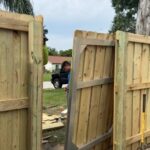
Proper installation is critical regardless of material choice. Hiring experienced professionals ensures your fence meets HOA specifications, local building codes, and manufacturer standards. Professional installers can identify site-specific challenges and implement solutions that maximize longevity and performance.
Selecting the best fencing materials for HOA communities requires balancing aesthetics, durability, maintenance, and budget considerations. Vinyl and aluminum emerge as top choices for most communities due to their durability and minimal maintenance requirements. However, the ideal choice depends on your specific community needs, climate conditions, and aesthetic preferences. Take time to evaluate options, gather quotes from qualified installers, and make informed decisions that will benefit your community for decades to come.
Frequently Asked Questions
Vinyl and aluminum are generally considered the most durable materials for HOA communities. Vinyl typically lasts 20-30 years with minimal maintenance, while aluminum lasts 20-25 years. Both materials resist weather damage, rot, and insects, making them ideal for long-term HOA applications. Unlike wood, which may require replacement or significant repairs within 10-15 years, these synthetic materials maintain their integrity with basic upkeep, making them excellent investments for communities seeking durability without constant maintenance.
Fencing costs vary significantly based on material choice, linear footage, and local labor rates. Chain-link fencing typically costs 8−15perlinearfootinstalled,whilevinylrangesfrom8-15 per linear foot installed, while vinyl ranges from 8−15perlinearfootinstalled,whilevinylrangesfrom20-40 per linear foot. Aluminum installation usually falls between 15−30perlinearfoot.Forastandard150−footperimeter,expectvinylcostsrangingfrom15-30 per linear foot. For a standard 150-foot perimeter, expect vinyl costs ranging from 15−30perlinearfoot.Forastandard150−footperimeter,expectvinylcostsrangingfrom3,000-6,000 installed, aluminum from 2,250−4,500,andwoodfrom2,250-4,500, and wood from 2,250−4,500,andwoodfrom1,500-3,000. These prices include materials and professional installation. Consulting multiple contractors ensures competitive quotes and transparent pricing for your community project.
Vinyl and aluminum require the least maintenance among popular fencing materials. Vinyl fences need only occasional cleaning with mild soap and water, requiring no painting, staining, or sealing. Aluminum similarly requires minimal upkeep—typically just rinses with clean water to remove dirt and debris. Both materials resist rot, insect damage, and weathering without requiring special treatments. Composite materials also offer low maintenance, though they may accumulate algae in shaded areas requiring occasional cleaning. In contrast, wood requires annual staining or sealing and periodic repairs, making it significantly more labor-intensive for HOA communities.