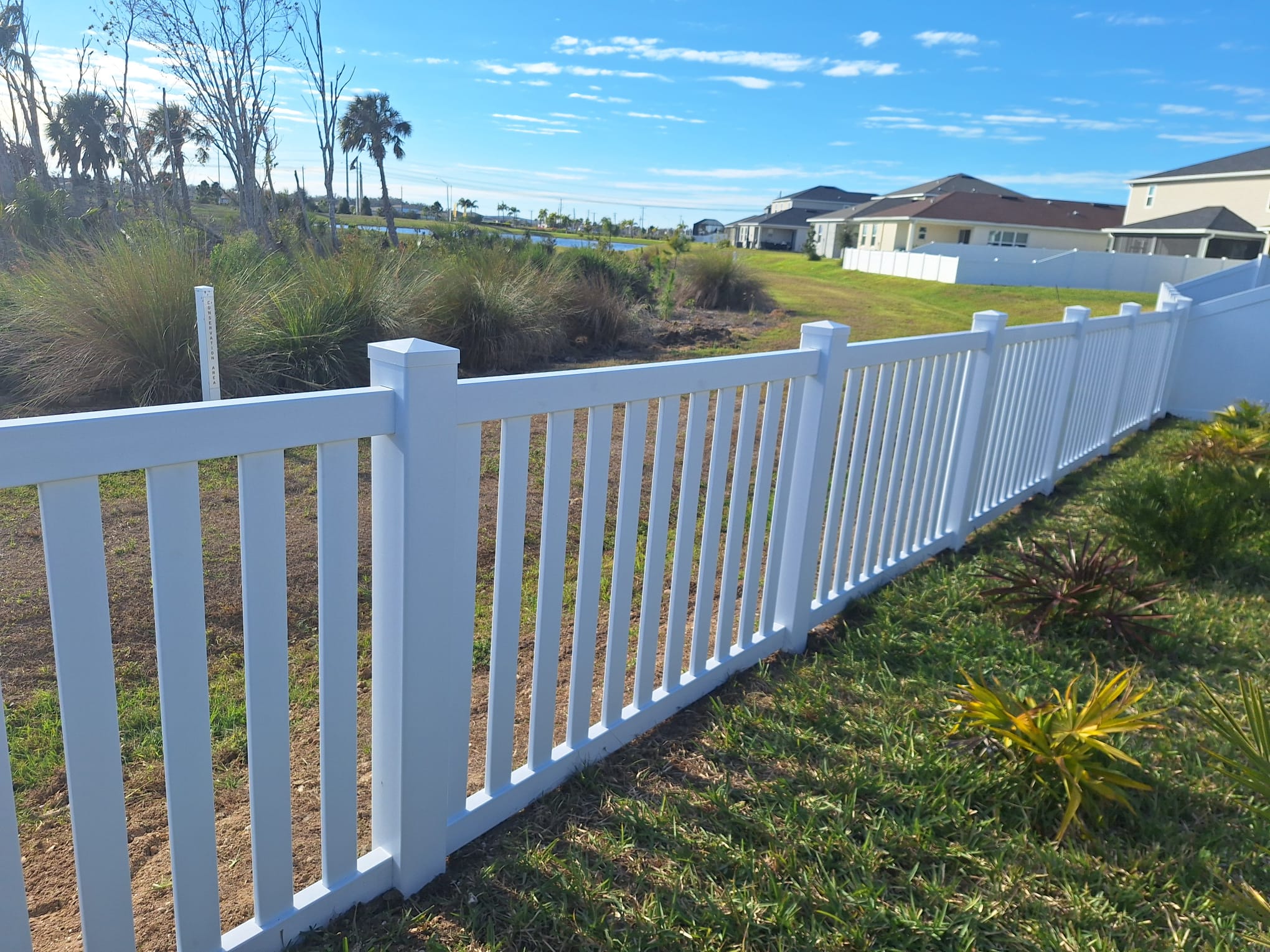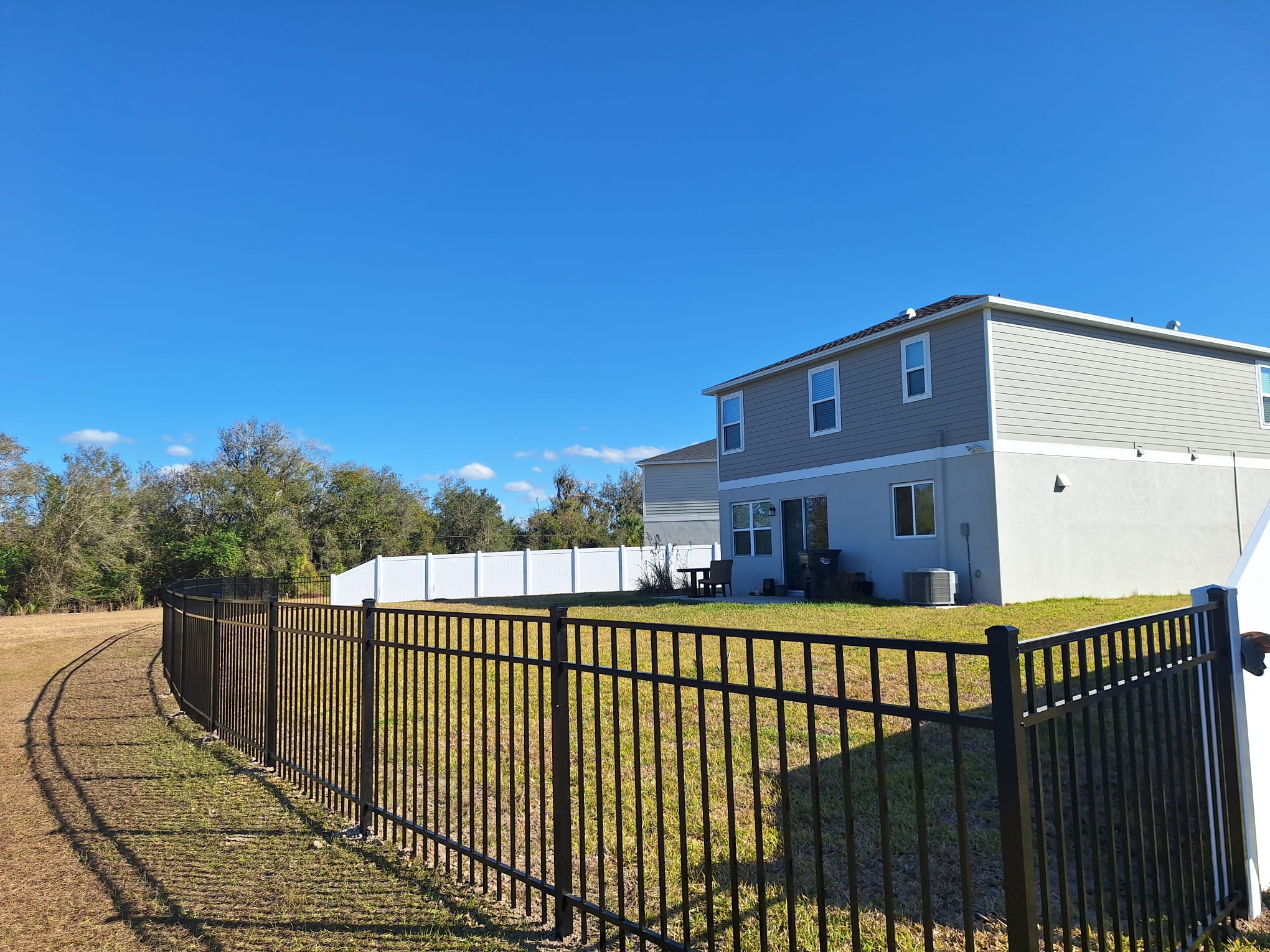
When it comes to securing your property in Florida, chain-link fence durability Florida climate is a critical consideration. The Sunshine State’s unique environmental challenges—from intense UV exposure to salt spray and hurricane-force winds—can significantly impact the lifespan and integrity of your fencing. Understanding how chain-link fences perform in these conditions and what you can do to maximize their durability is essential for any Florida homeowner or business owner.
Why Florida’s Climate Poses Special Challenges for Fencing
Florida’s subtropical and tropical climate creates a perfect storm of conditions that can deteriorate fencing materials quickly. The state experiences intense sun exposure, high humidity levels, saltwater spray (particularly near coastal areas), and severe weather events including hurricanes and tropical storms. These factors combine to create an environment where standard fencing materials can degrade faster than in other regions.
The constant moisture and heat accelerate oxidation processes in metal fencing, while the salt air corrodes exposed metal surfaces. Additionally, Florida’s rainy season and occasional flooding can compromise fence foundations and cause structural shifting. For property owners considering chain-link fencing, understanding these challenges is the first step toward making an informed decision about durability and longevity.
Understanding Chain-Link Fence Construction
Chain-link fences consist of interlocking steel wires formed in a diamond pattern, supported by metal posts typically made from steel or aluminum. The durability of your fence depends largely on the materials used and the quality of installation. Standard galvanized steel chain-link fencing offers a protective zinc coating that provides some corrosion resistance, but this coating can be compromised in Florida’s harsh environment.
For enhanced durability in Florida’s climate, many homeowners opt for vinyl-coated or aluminum chain-link fencing. Vinyl coating adds an extra layer of protection against moisture and UV rays, while aluminum naturally resists corrosion better than steel. These upgraded options cost more initially but can significantly extend your fence’s lifespan by 10-15 years compared to standard galvanized steel.
Vinyl-Coated Chain-Link Fencing: The Florida-Friendly Option
Vinyl-coated chain-link fencing has become increasingly popular among Florida property owners, and for good reason. The vinyl coating serves as a barrier against moisture, salt spray, and UV radiation—three of the primary culprits in fence degradation. This coating comes in various colors, allowing homeowners to customize their fence appearance while gaining superior protection.
The vinyl coating typically lasts 15-20 years in Florida’s climate, compared to just 8-12 years for standard galvanized steel. However, the vinyl itself requires maintenance. Inspect your vinyl-coated fence quarterly for cracks, peeling, or separation from the underlying metal. Early intervention can prevent water from penetrating to the steel beneath, which would lead to rapid rust development and structural compromise.
Galvanized Steel vs. Aluminum Chain-Link Fencing
Traditional galvanized steel chain-link fencing remains a popular choice due to its affordability and strength. The galvanizing process applies a protective zinc coating that naturally resists corrosion. However, in Florida’s aggressive saltwater and humid environment, this protection has a limited lifespan—typically 8-12 years before rust begins forming.
Aluminum chain-link fencing offers superior corrosion resistance without the weight of steel. Aluminum doesn’t rust and requires less maintenance, making it an excellent long-term investment for Florida properties. If you’re looking for professional installation of premium aluminum options, consider contacting aluminum fence installers near me to explore high-quality solutions tailored to Florida’s demanding climate.
Aluminum fencing typically lasts 20-25 years or more in Florida conditions, making it the most durable choice despite its higher initial investment.
Maintenance Strategies for Maximum Durability
Regardless of which chain-link fencing material you choose, proper maintenance is crucial for extending durability in Florida’s climate. Here are essential maintenance practices:
Regular Cleaning: Rinse your fence quarterly with fresh water to remove salt spray, dirt, and debris. This is especially important for coastal properties. Use a soft brush to gently clean vinyl-coated fencing without damaging the coating.
Inspect for Damage: Walk your fence line monthly, looking for rust spots, cracks in vinyl coating, bent posts, or sagging sections. Early detection prevents small problems from becoming expensive repairs.
Address Rust Immediately: If you notice rust forming on galvanized or vinyl-coated steel fencing, sand the affected area and apply a rust converter followed by a rust-preventative paint.
Maintain Proper Drainage: Ensure the ground around your fence drains properly and doesn’t retain standing water. Poor drainage can compromise fence posts and accelerate rust development.
Trim Vegetation: Keep plants and vines trimmed away from your fence. Moisture trapped between vegetation and fencing accelerates decay and rust.
Hurricane Preparedness and Weather Resilience
Florida hurricanes pose a particular challenge to fencing durability. Chain-link fencing, while providing security, can act like a sail in high winds, putting tremendous stress on posts and fasteners. To improve your fence’s hurricane resilience:
- Ensure posts are securely anchored in concrete, with posts at least 24 inches deep
- Use hurricane-rated fasteners and hardware
- Consider adding tension cables for additional wind resistance
- Inspect and reinforce your fence before hurricane season
- Clear debris and trim branches that could fall on your fence during storms
Proper installation is critical for withstanding Florida’s severe weather. A poorly installed fence may fail even in moderate storms, while a well-installed chain-link fence can withstand significant wind loads when maintained properly.
Cost Considerations for Durability
While vinyl-coated and aluminum chain-link fencing cost more upfront—typically 30-50% more than standard galvanized steel—the investment pays dividends through extended lifespan and reduced maintenance costs. Calculate the total cost of ownership over 20 years, including maintenance, repairs, and eventual replacement, and premium materials often prove more economical.
Standard galvanized steel: 8-12 year lifespan Vinyl-coated steel: 15-20 year lifespan Aluminum chain-link: 20-25+ year lifespan
Conclusion
Chain-link fence durability in Florida’s climate depends on material selection, installation quality, and consistent maintenance. While standard galvanized steel offers an affordable entry point, vinyl-coated and aluminum options provide significantly better performance in Florida’s harsh environmental conditions. By understanding the unique challenges posed by Florida’s climate and implementing a proactive maintenance strategy, you can maximize your fence investment and enjoy years of reliable security and property definition.
Frequently Asked Questions
A standard galvanized steel chain-link fence typically lasts 8-12 years in Florida’s climate. Vinyl-coated versions extend this to 15-20 years, while aluminum chain-link fencing can last 20-25 years or longer with proper maintenance. The difference depends on material quality, installation standards, and how consistently you maintain your fence.
Salt spray accelerates corrosion in steel fencing by breaking down protective coatings and initiating rust formation. While it won’t cause permanent damage to aluminum or properly maintained vinyl-coated fences, it can quickly compromise standard galvanized steel. Regular rinsing with fresh water after salt spray exposure and prompt attention to any rust spots can prevent permanent damage.
Yes, aluminum chain-link fencing is generally worth the investment for Florida properties. Although it costs 30-50% more initially, its superior corrosion resistance means fewer repairs, less maintenance, and a lifespan 10-15 years longer than galvanized steel. When calculated over 20 years, the total cost of ownership is often comparable or less than cheaper steel options that require frequent repairs and earlier replacement.