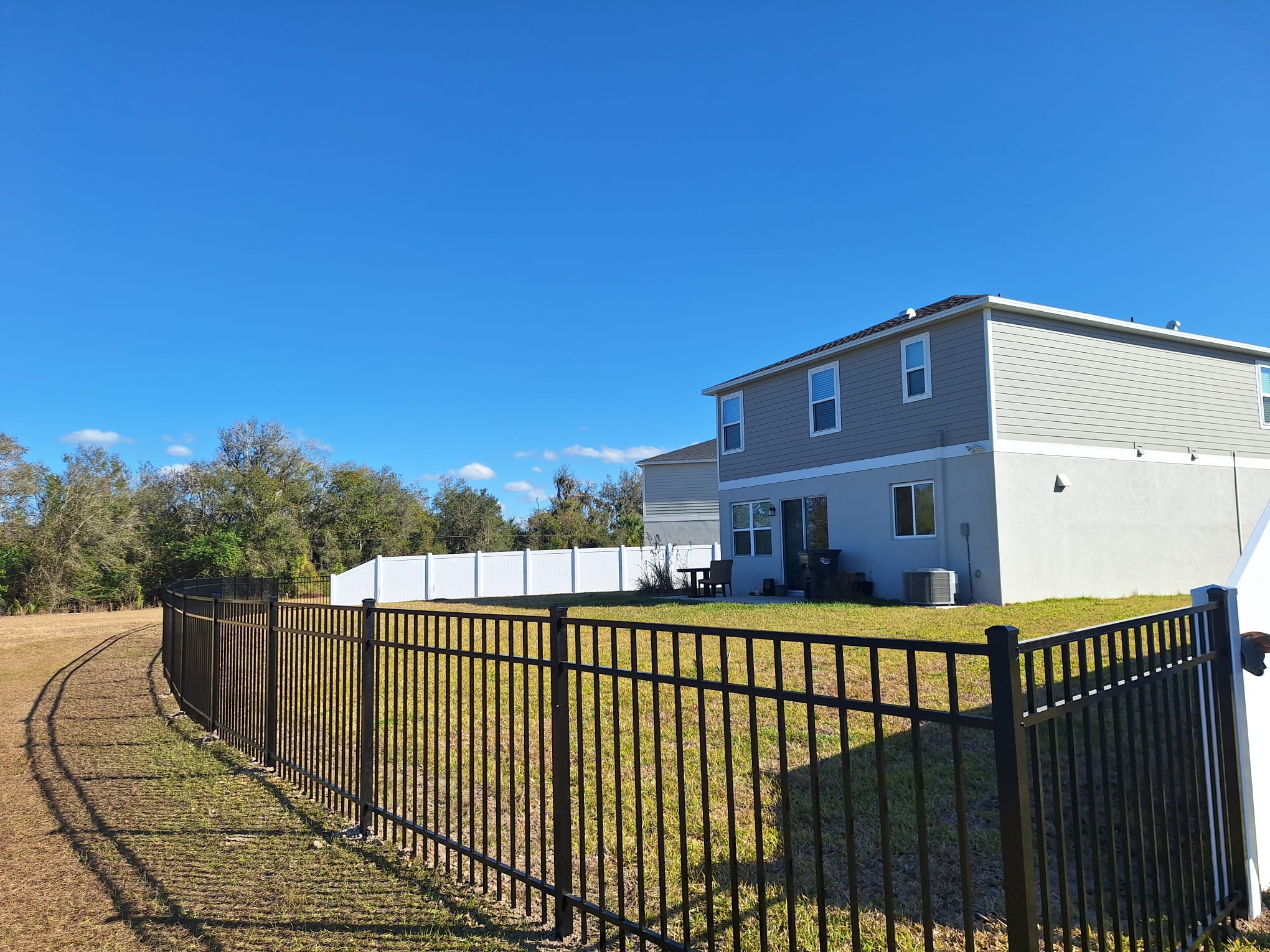
Choosing the right fencing material for your home is one of the most important decisions you’ll make as a homeowner. Your fence not only defines your property’s boundaries but also enhances curb appeal, provides privacy, and increases security. With so many options available, understanding the pros and cons of each material is essential to making an informed decision that you’ll be happy with for years to come.
Whether you’re looking for durability, affordability, aesthetics, or low maintenance, this comprehensive guide will help you navigate through the various residential fencing materials available today.
Wood Fencing: The Classic Choice
Wood has been the traditional choice for residential fencing for centuries, and for good reason. It offers a warm, natural aesthetic that complements almost any home style and landscape design.
Advantages of wood fencing include:
- Classic, timeless appearance
- Customizable designs and heights
- Relatively affordable upfront cost
- Easy to repair individual sections
- Natural insulation properties
However, wood requires significant maintenance. You’ll need to regularly stain, seal, or paint your fence to protect it from rot, insects, and weather damage. In humid or wet climates, wood is particularly susceptible to warping and decay. Additionally, wood fences typically last 15-20 years before requiring replacement.
Vinyl Fencing: Low Maintenance Appeal
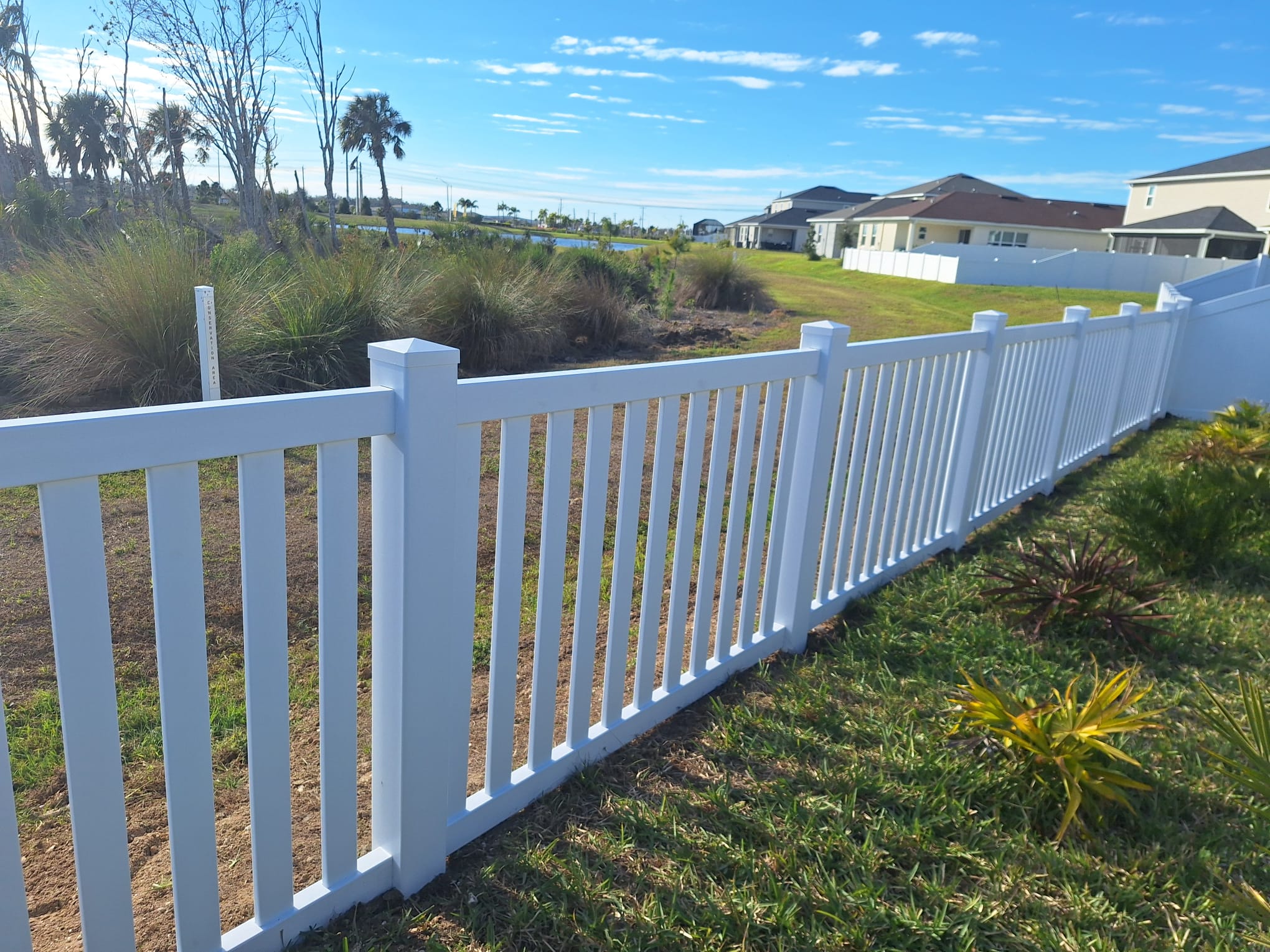
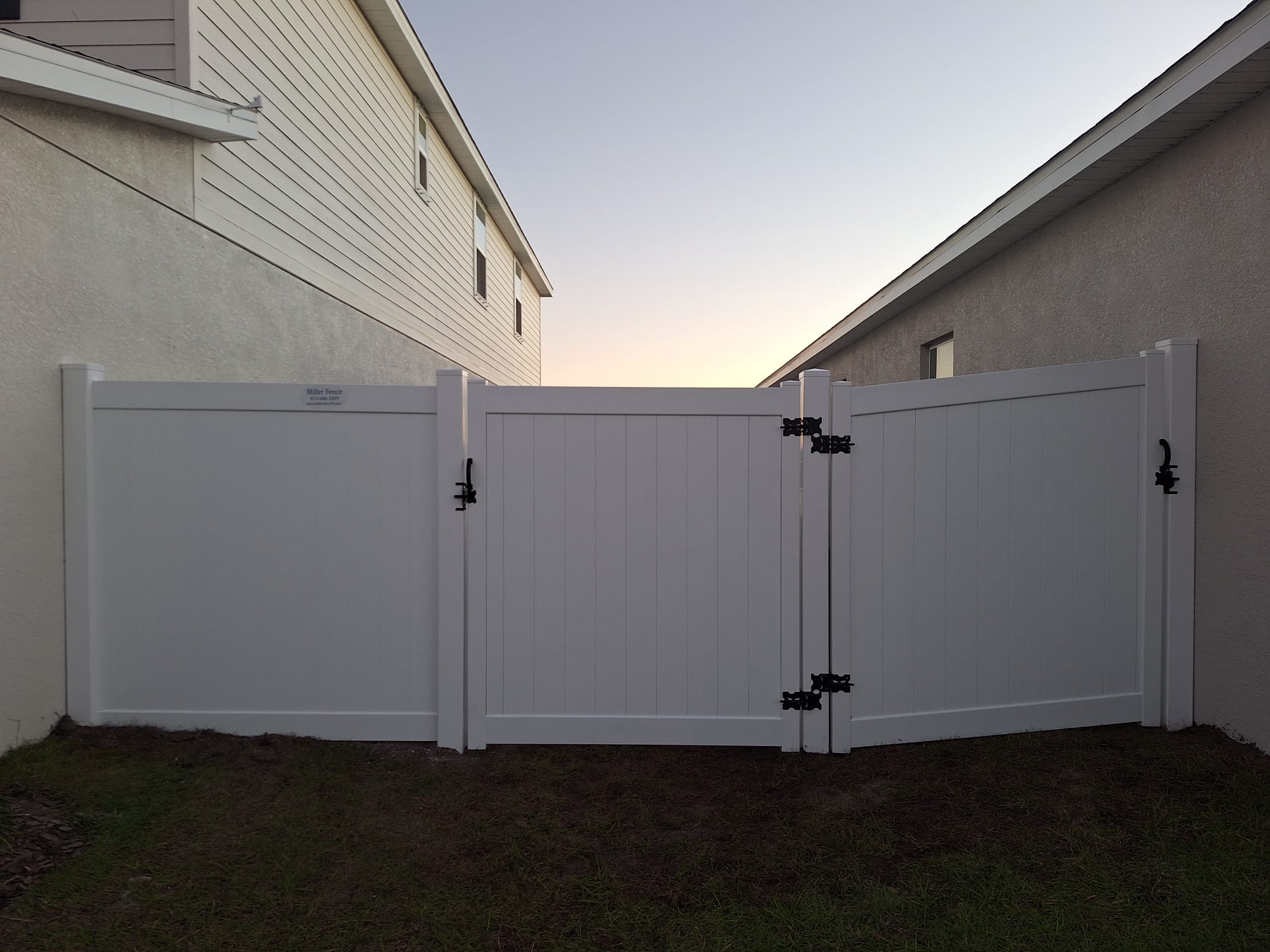
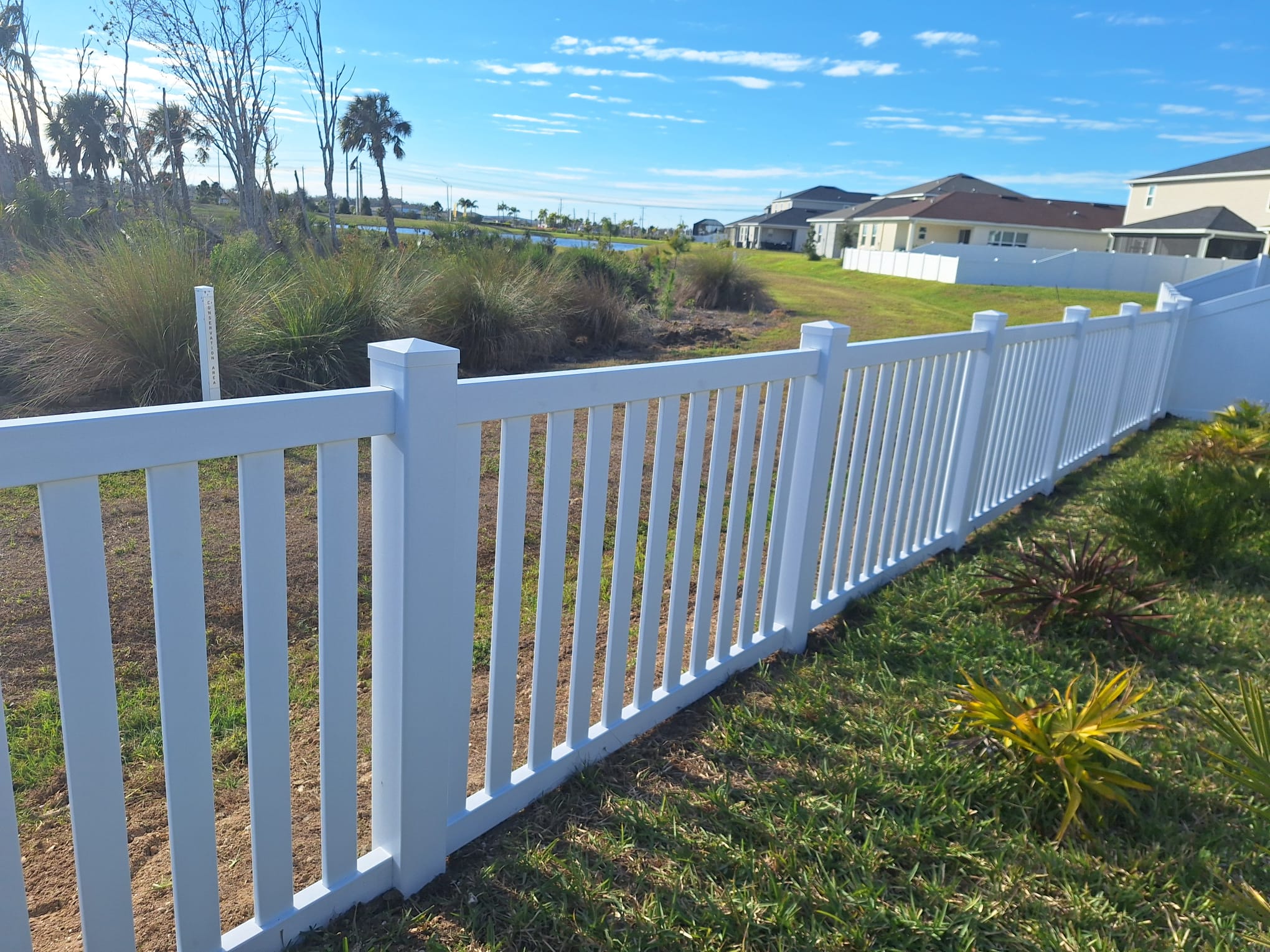
Vinyl has become increasingly popular over the past two decades, and it’s easy to see why. This synthetic material offers the appearance of wood without the extensive maintenance requirements.
Vinyl fencing is virtually maintenance-free. You’ll never need to paint, stain, or seal it. Simply hose it down occasionally to keep it looking fresh. The material resists fading, rotting, and insect damage, making it ideal for homeowners who want durability without the upkeep.
The main drawback is the higher initial cost compared to wood. Additionally, while vinyl is durable, it can be prone to damage in extremely cold climates where it may become brittle. Repairs can also be more complicated than with wood, sometimes requiring entire sections to be replaced rather than just fixing the damaged area.
Aluminum Fencing: Modern Versatility
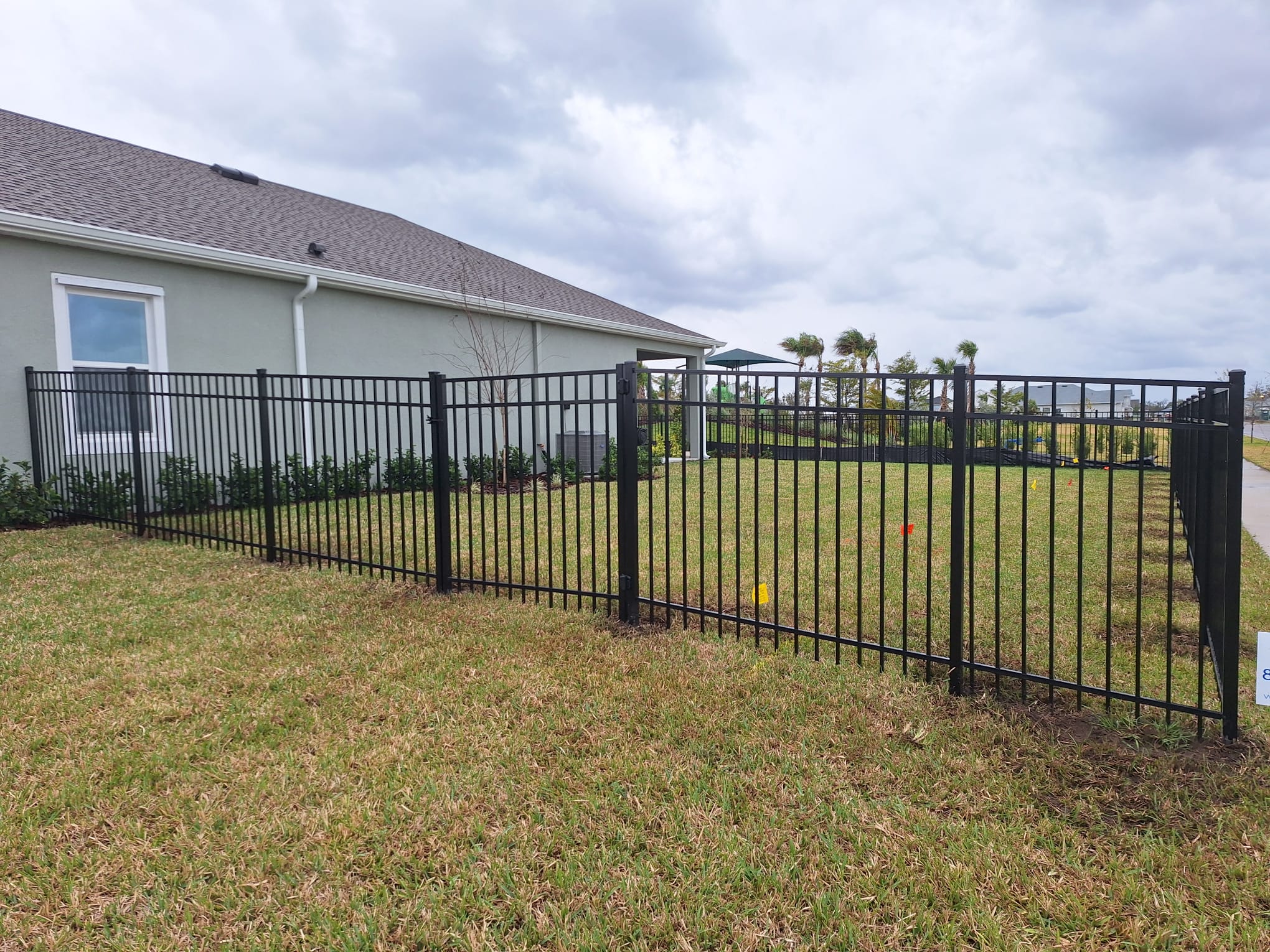
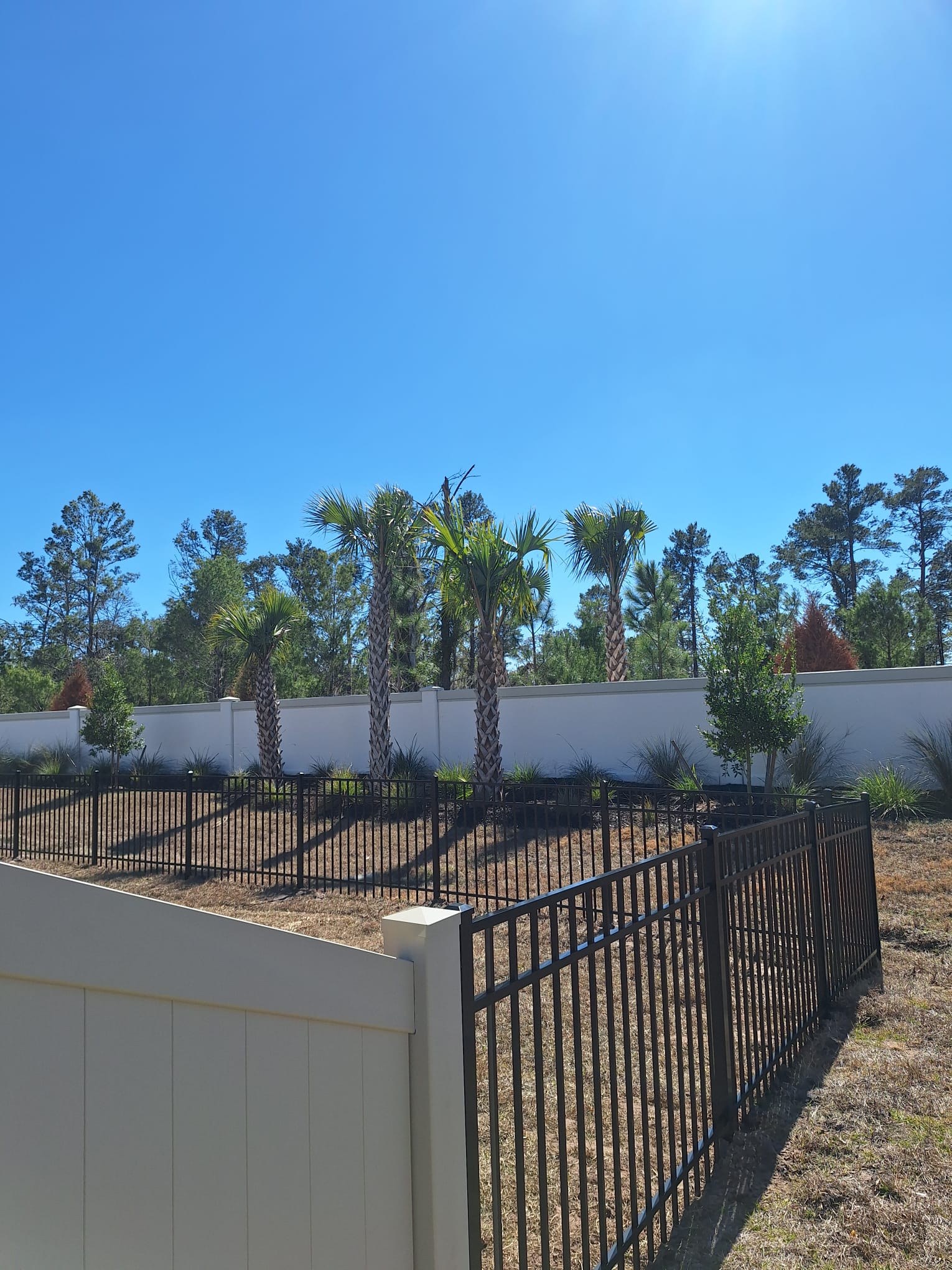
Aluminum has emerged as an excellent middle-ground option between wood and vinyl, offering numerous benefits for modern homeowners. If you’re in Florida, a tampa fl aluminum fence is an ideal choice due to its corrosion resistance in coastal environments.
Aluminum fencing is lightweight, durable, and requires minimal maintenance. Unlike wood, it won’t rot or splinter. Unlike vinyl, it won’t become brittle in cold weather. Aluminum fences can last 20-30 years or more with proper care, and they’re naturally rust-resistant, making them perfect for areas with high humidity or salt air exposure.
Key benefits of aluminum include:
- Lightweight and easy to install
- Highly durable and long-lasting
- Rust-resistant (especially important in Florida)
- Low maintenance requirements
- Available in various styles and colors
- Excellent visibility (great for front yards)
- Environmentally friendly and recyclable
The primary disadvantage is that aluminum isn’t ideal for privacy fencing since it has a more open design. Additionally, while impact-resistant, aluminum can bend if subjected to significant force.
Chain Link Fencing: Budget-Friendly Option
Chain link remains one of the most economical fencing options available. It’s practical, durable, and requires minimal maintenance. Chain link fencing is perfect for securing large areas, keeping pets contained, or creating temporary boundaries.
The main limitation is its lack of privacy and aesthetic appeal. However, it’s an excellent choice if budget is your primary concern and functionality is your main goal.
Composite Fencing: The Hybrid Solution
Composite fencing combines wood fibers with plastic polymers, offering a middle ground between wood and vinyl. It provides the natural look of wood with enhanced durability and lower maintenance requirements than traditional wood.
Composite fencing is resistant to rot, insects, and fading, and it won’t splinter. However, it’s more expensive than both wood and vinyl, and it’s less common, which can make finding installers more difficult.
Key Factors to Consider
When selecting your fencing material, consider these important factors:
Climate and Weather: In humid, wet, or coastal environments like Tampa, aluminum or vinyl are better choices than wood. Consider how extreme weather conditions in your area might affect each material.
Maintenance Requirements: Be realistic about how much time and money you’re willing to spend on upkeep. If you prefer low-maintenance options, avoid wood.
Budget: Consider both initial installation costs and long-term maintenance expenses. The cheapest option upfront may cost more over time.
Aesthetics: Think about your home’s architecture and landscaping. What style of fence will enhance your property’s curb appeal?
Privacy Needs: Some materials offer better privacy than others. Solid vinyl and wood fences provide more privacy than aluminum or chain link.
Local Regulations: Check with your local homeowners’ association and city codes for any restrictions on fencing materials, heights, or styles.
Choosing the right residential fencing material requires careful consideration of your specific needs, budget, climate, and aesthetic preferences. Wood offers classic beauty but requires maintenance. Vinyl provides low-maintenance durability at a higher cost. Aluminum delivers versatility and corrosion resistance, especially valuable in coastal areas. Chain link offers affordability, while composite provides a balanced hybrid approach.
Take time to evaluate your priorities and consult with local fencing professionals who understand your area’s specific requirements. With the right choice, your fence will provide security, privacy, and beauty for decades to come.
A: The lifespan of a residential fence depends on the material. Wood fences generally last 15-20 years with proper maintenance. Vinyl fences can last 20-30+ years with minimal care. Aluminum fences are among the longest-lasting, with a potential lifespan of 25-35 years or more. Chain link fences typically last 15-25 years. The actual lifespan also depends on climate, maintenance, installation quality, and local weather conditions.
A: Chain link fencing is the most affordable upfront option, making it popular for budget-conscious homeowners. However, when considering total cost of ownership (including maintenance), vinyl and aluminum may be more cost-effective long-term because they require minimal upkeep. Wood falls in the middle range for initial cost but can become expensive when factoring in regular maintenance, staining, and sealing requirements.
A: For coastal regions with salt air and humidity, aluminum is the best choice. Aluminum naturally resists corrosion and won’t rust like steel, making it ideal for Tampa’s climate. Vinyl is also a good option as it’s resistant to moisture and salt damage. Avoid standard wood in coastal areas unless it’s specially treated, as salt air accelerates rot and deterioration significantly.