Understanding Florida Residential Fencing Regulations and Permits
When you’re ready to install a fence on your residential property in Florida, understanding Florida residential fencing regulations and permits is essential. Whether you’re planning to add privacy, enhance curb appeal, or create a safe enclosure for your family, navigating local codes and obtaining the necessary permits protects your investment and ensures compliance with state and local requirements. This comprehensive guide will walk you through everything you need to know about fencing regulations in Florida.
Why Permits Matter for Your Fence Project
Before breaking ground on any fence installation, homeowners must understand that Florida requires permits for most residential fencing projects. A permit isn’t just bureaucratic red tape—it’s a crucial step that ensures your fence meets safety standards, respects property boundaries, and complies with local zoning laws. When you obtain a permit, a local inspector will review your plans and verify that your fence design adheres to all applicable regulations.
Skipping the permit process might seem like a shortcut, but it can lead to serious consequences. If your unpermitted fence violates local codes, you may be forced to remove it entirely, resulting in wasted time and money. Additionally, unpermitted structures can create issues when selling your home, as title companies often require documentation that major improvements were properly permitted and inspected.
Florida State-Level Fencing Requirements
While much of fence regulation occurs at the county and municipal level, Florida does have state-level guidelines that apply across the board. These regulations focus on safety, visibility, and property rights. Understanding these baseline requirements helps homeowners navigate the permit process more effectively.
Florida law prohibits fences that obstruct traffic visibility at intersections. Fences in corner lots or near driveways must maintain clear sight lines to prevent accidents. Additionally, fence materials must be safe and appropriate for residential areas. Barbed wire, electric fences, and other potentially dangerous materials are heavily restricted or prohibited in residential zones.
Property line disputes are another critical consideration. Your fence must be built entirely on your property. If there’s any question about where the property line is located, consider hiring a surveyor before construction begins. This protects you from costly disputes with neighbors and ensures your fence won’t need to be relocated.
Common Setback Requirements Across Florida
Setback requirements dictate how far from the property line your fence must be placed. These requirements vary by county and municipality but generally follow similar patterns across Florida. Most residential areas require fences to be set back a certain distance from the front property line—commonly 15 to 30 feet from the street edge.
Side and rear yard setbacks are usually more lenient than front yard setbacks. Many municipalities allow fences to be placed directly on side and rear property lines, though some require a small setback—typically one to five feet. Check with your local code enforcement office to confirm the specific setback requirements for your property.
Corner lot properties often have more restrictive setback requirements because they have multiple “front yards.” Homeowners with corner properties should pay special attention to these regulations, as violations are common and can result in citations.
Height Restrictions and Material Guidelines
Florida generally restricts residential fence heights to between four and six feet, though front yard fences are often limited to three or four feet. These height limitations exist to maintain neighborhood aesthetics, prevent privacy screening that’s considered excessive, and preserve sight lines for traffic safety.
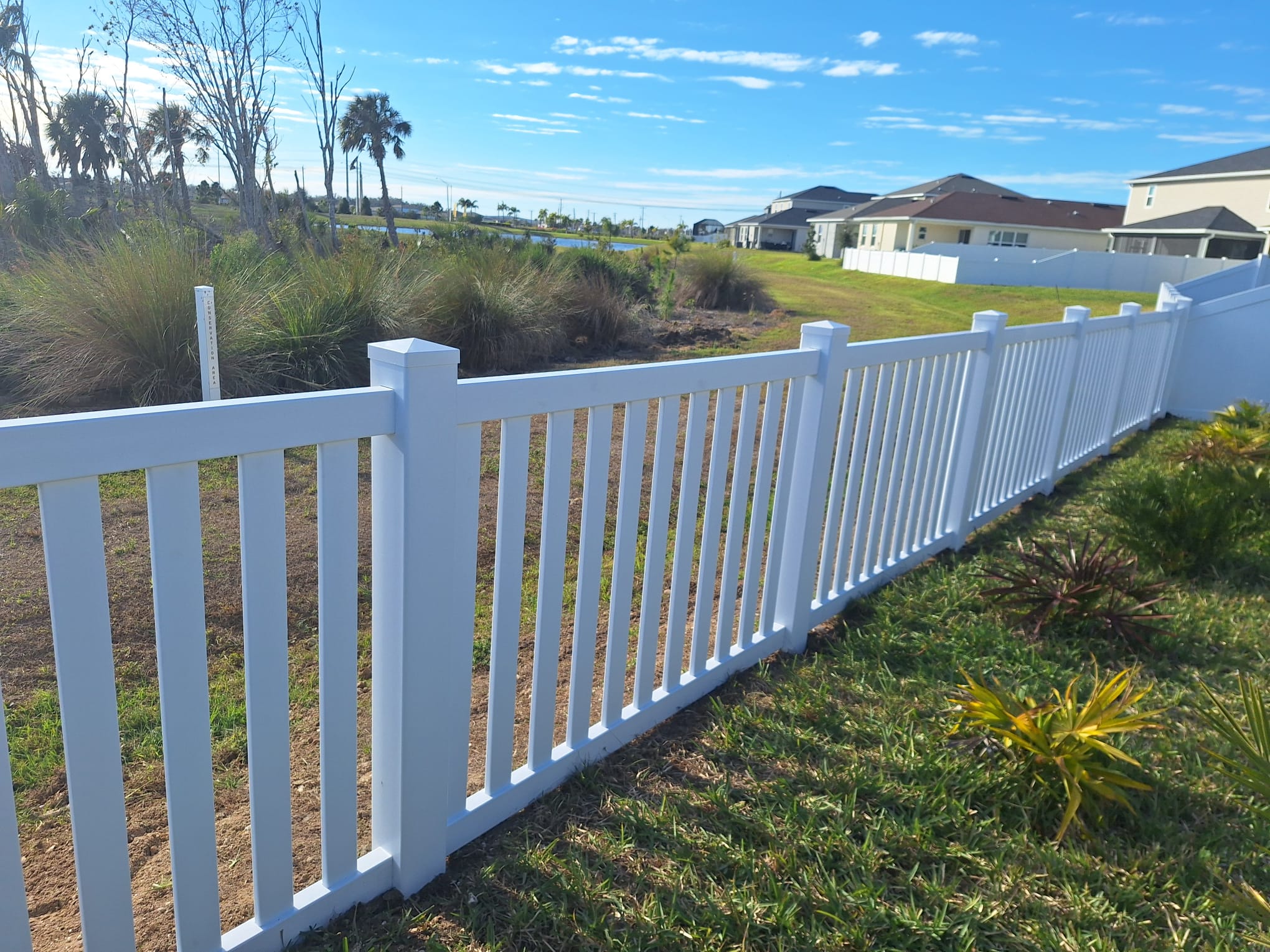
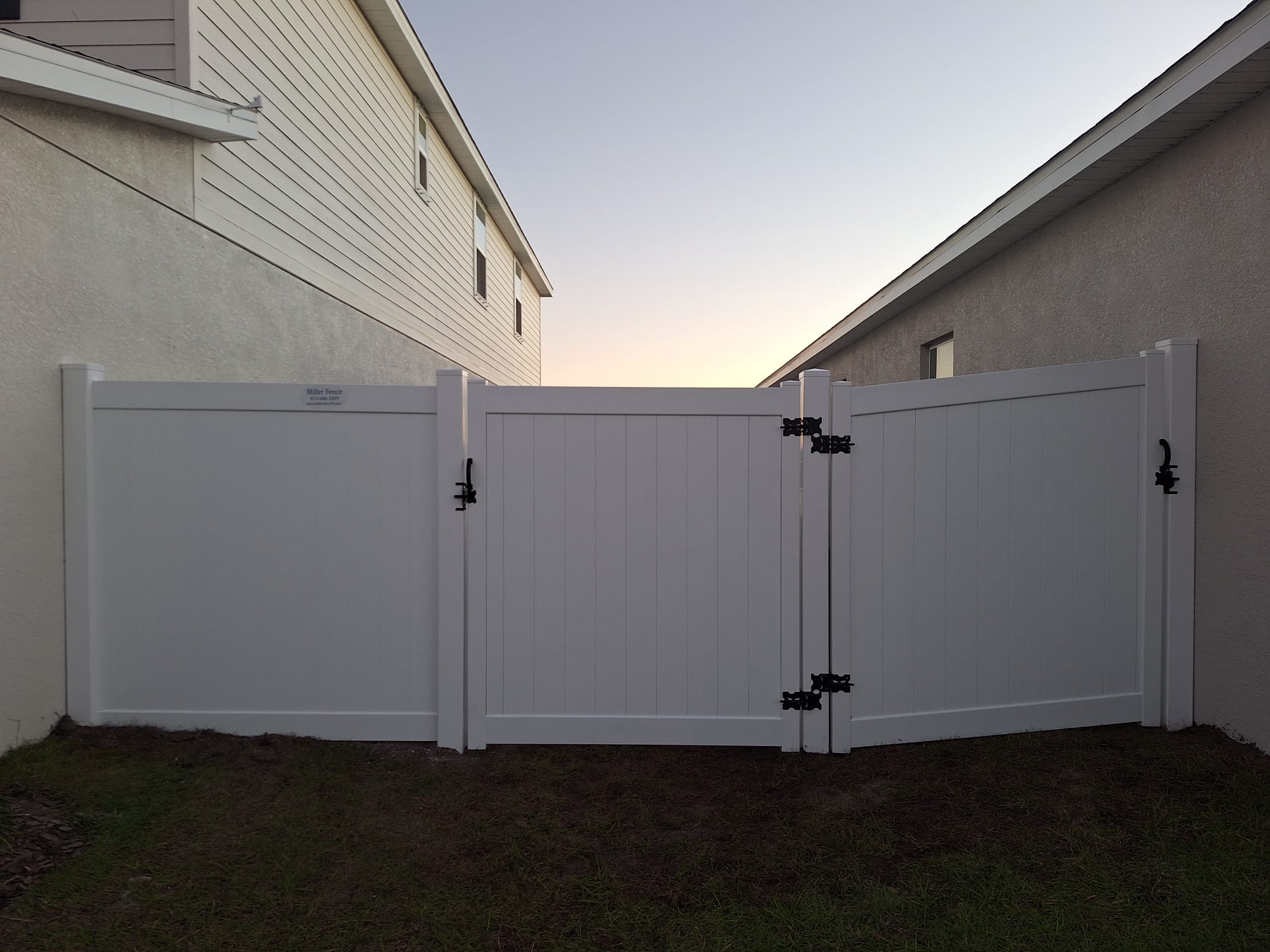
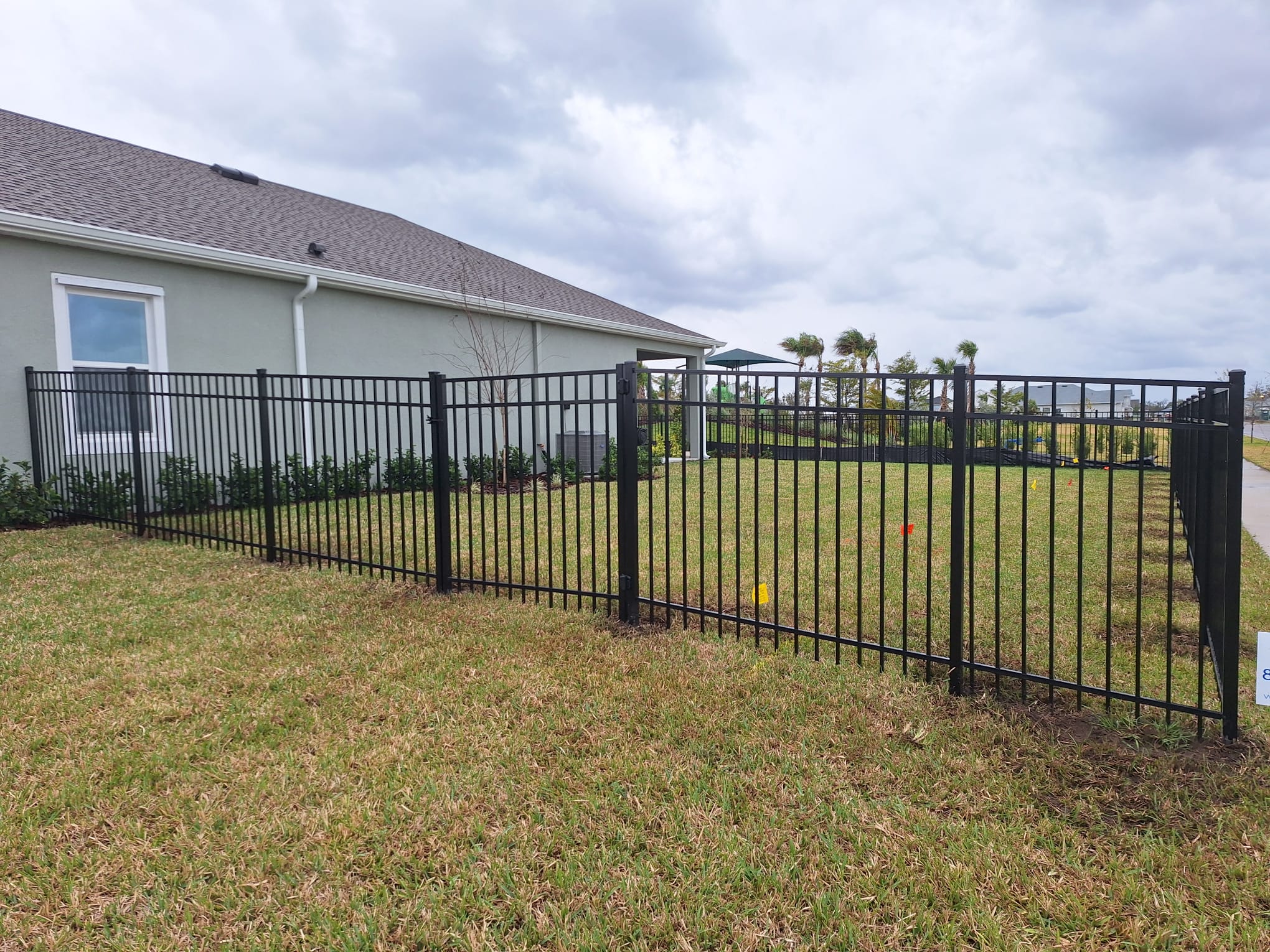
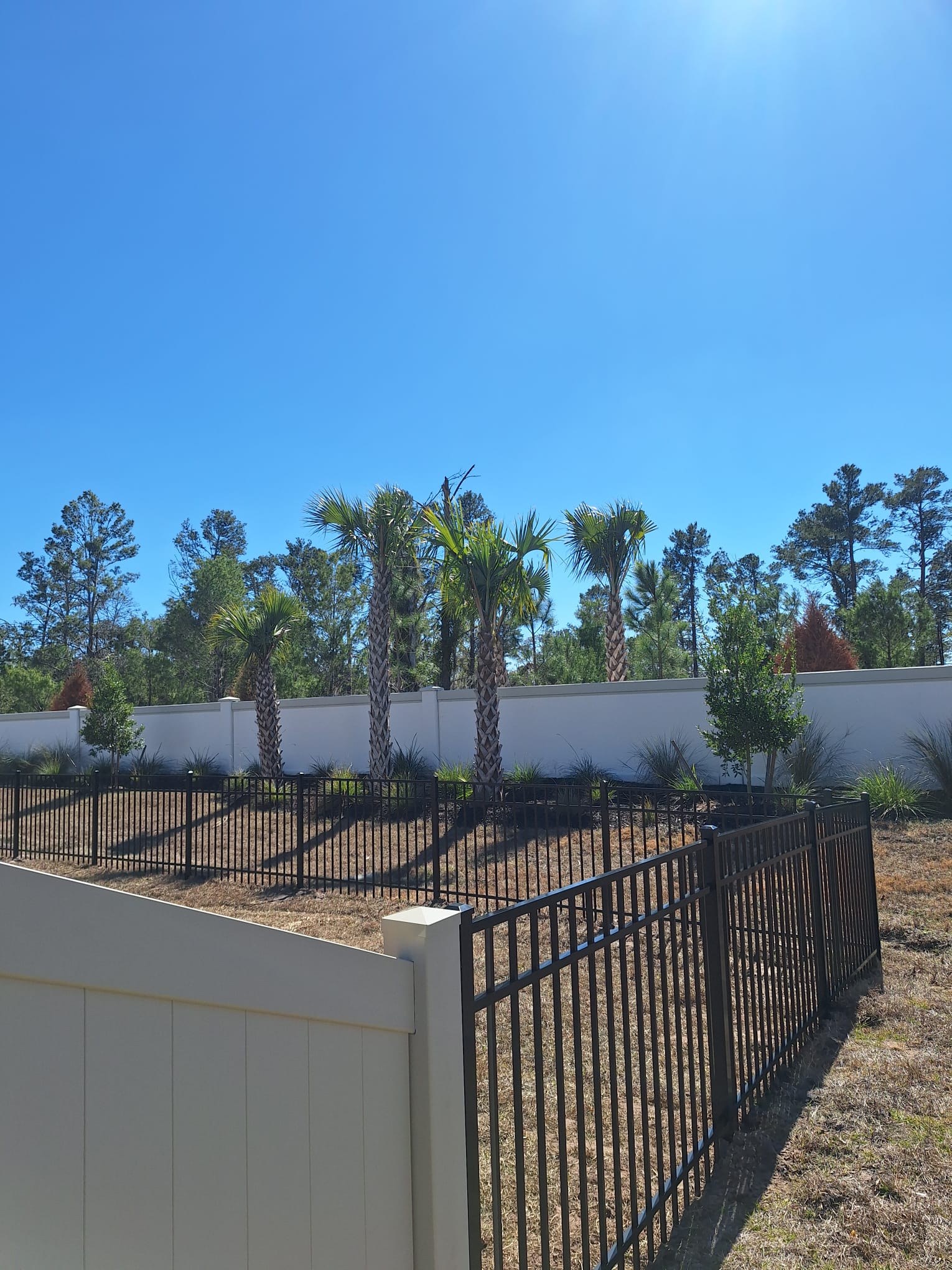
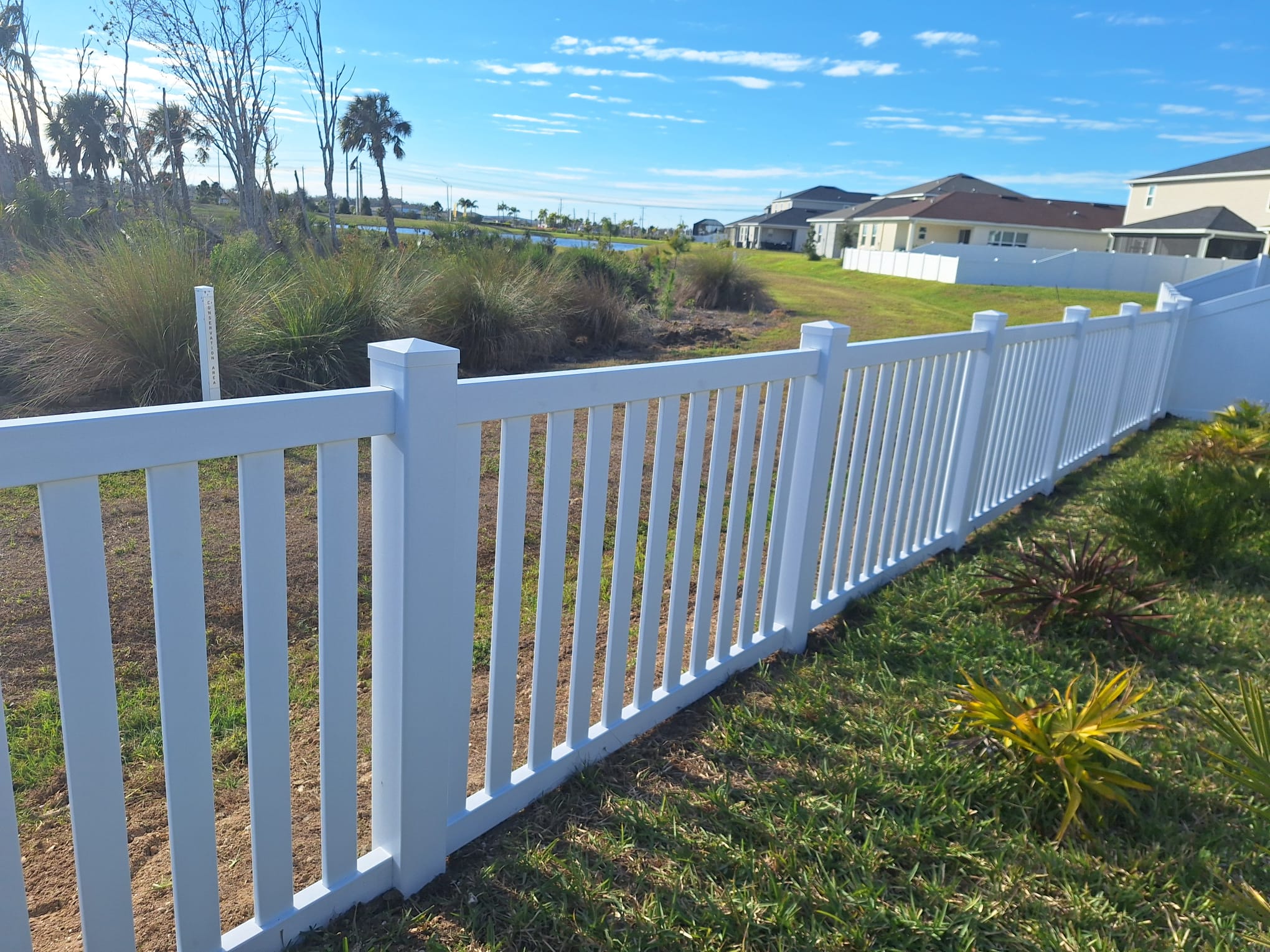
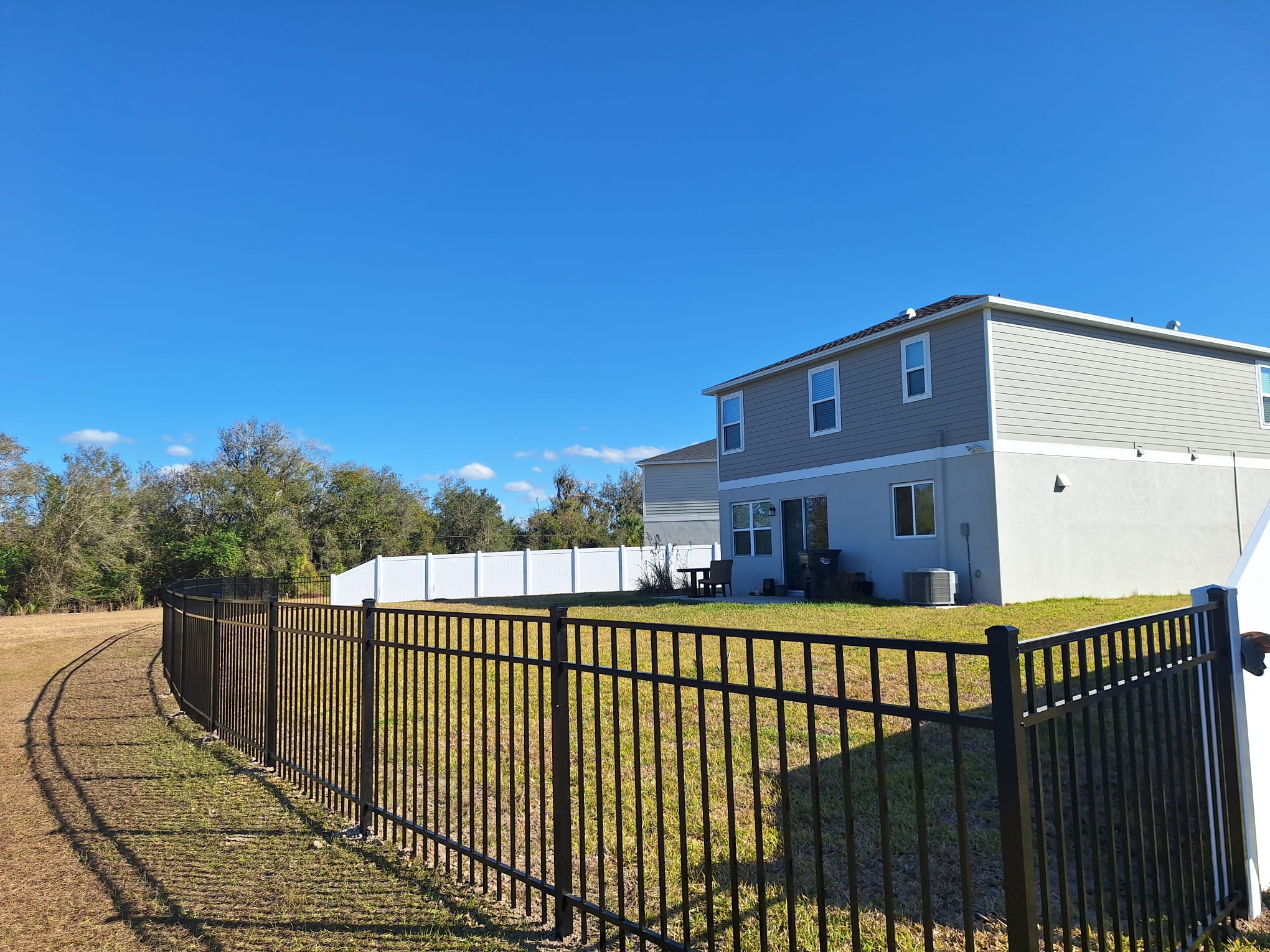
Material restrictions also vary by location. Some communities allow solid vinyl or wood fences, while others prohibit them in favor of open designs like split-rail or ornamental iron. Chain-link fences are generally permitted but may be restricted in certain neighborhoods or homeowners’ associations.
When planning your fence, consider that decorative elements like finials or fence-top trellises may not count toward the overall height restriction in some areas, while in others they do. Your local code will specify exactly how height is measured.
Obtaining Your Residential Fence Permit
The permit process typically begins with submitting an application to your local code enforcement or building department. You’ll need to provide detailed information about your fence, including materials, dimensions, location, and a site plan showing where the fence will be placed relative to property lines and existing structures.
Some jurisdictions require a survey or a certification from a surveyor confirming that the fence will be placed entirely on your property. Others may ask for letters of approval from adjacent property owners if the fence will be near their property lines.
After submission, plan for a review period that typically lasts one to two weeks, though it can be longer during busy seasons. Once approved, you’ll receive your permit and can begin construction. Many municipalities require a final inspection after completion to ensure the fence meets approved plans and all regulations.
HOA and Community Restrictions
If your property is in a homeowners’ association (HOA), you may face additional restrictions beyond municipal code requirements. HOAs can enforce stricter height limitations, material requirements, and color restrictions. Many HOAs require architectural approval before any fence installation, so review your HOA guidelines and obtain written approval before applying for your municipal permit.
If you’re installing a tampa fl wood fence or any other residential fence in a gated community or HOA neighborhood, factor in the additional approval timeline and requirements when planning your project.
Maintaining Compliance After Installation
Once your fence is installed and inspected, ongoing maintenance is important to maintain compliance. Damaged sections should be repaired promptly, and the fence should remain in good condition. If you modify your fence—whether adding height, changing materials, or relocating it—you may need additional permits.
Regular inspections of your fence help catch problems early. Look for signs of damage, leaning posts, or rot that might violate safety standards. Keeping your fence well-maintained protects both your property value and your standing with local code enforcement.
Answer: Most Florida municipalities require permits even for temporary fences, though the application process may be streamlined. Temporary fences intended to remain for fewer than 30 days sometimes receive expedited approval or may be exempt. However, you should always contact your local code enforcement office before installing any temporary fencing to confirm requirements. What some consider “temporary” may not meet your municipality’s definition, potentially resulting in citations.
Answer: No. If your neighbor’s fence crosses onto your property, you have the legal right to require its removal or relocation. If a dispute arises, you can contact your local code enforcement office or consult an attorney. If the fence was built without a proper survey, this is a common issue. Having a survey completed before addressing the problem ensures you have documented proof of the property line.
Answer: Each Florida county and municipality establishes its own specific fencing codes. While many follow similar patterns regarding height and setback requirements, important differences exist. Heights might range from four to six feet depending on location, and setback requirements vary significantly. Before planning your fence, contact your specific county or city code enforcement office or visit their website to review exact regulations for your area. This is the most reliable way to ensure full compliance.