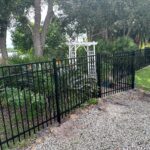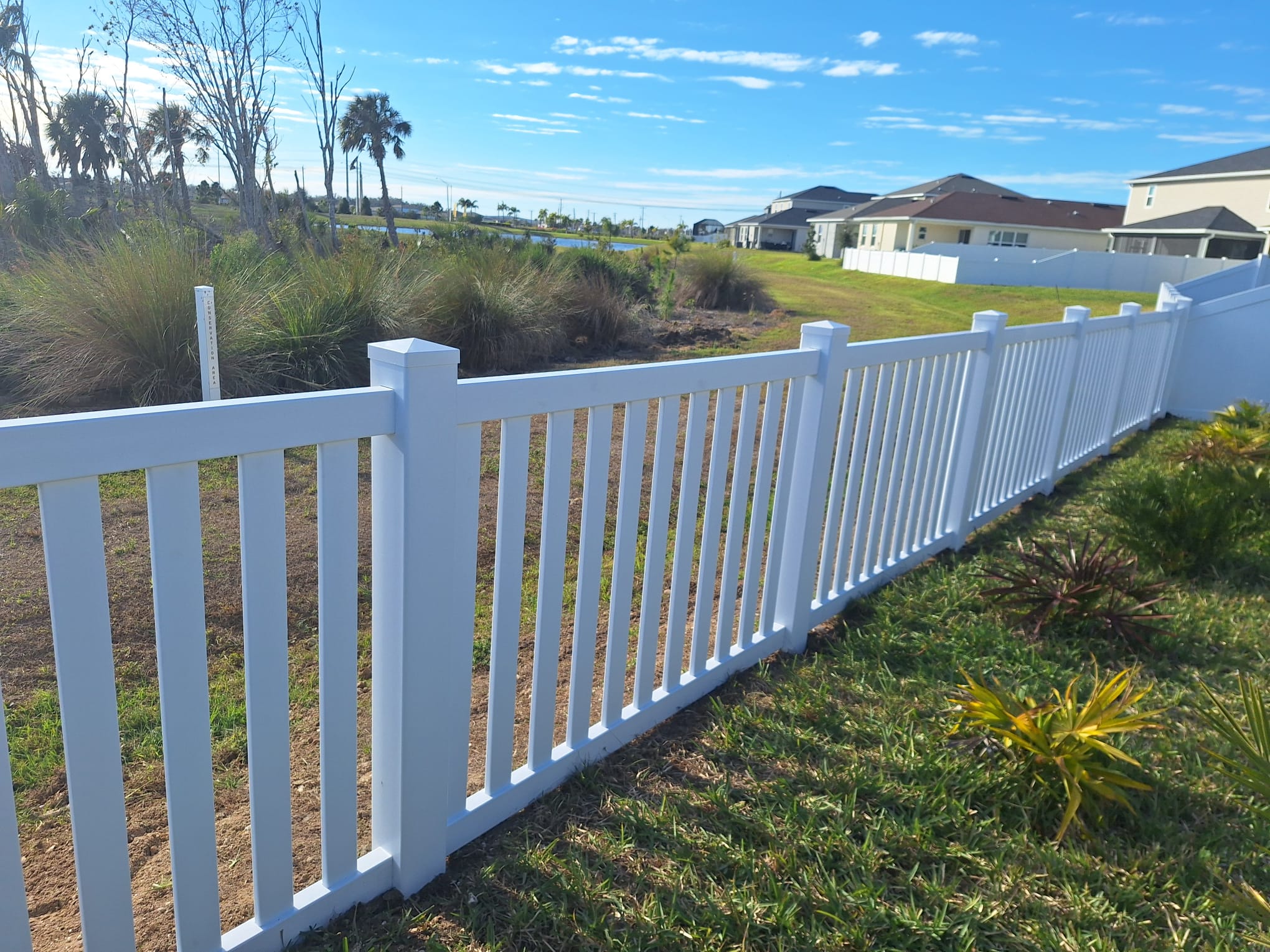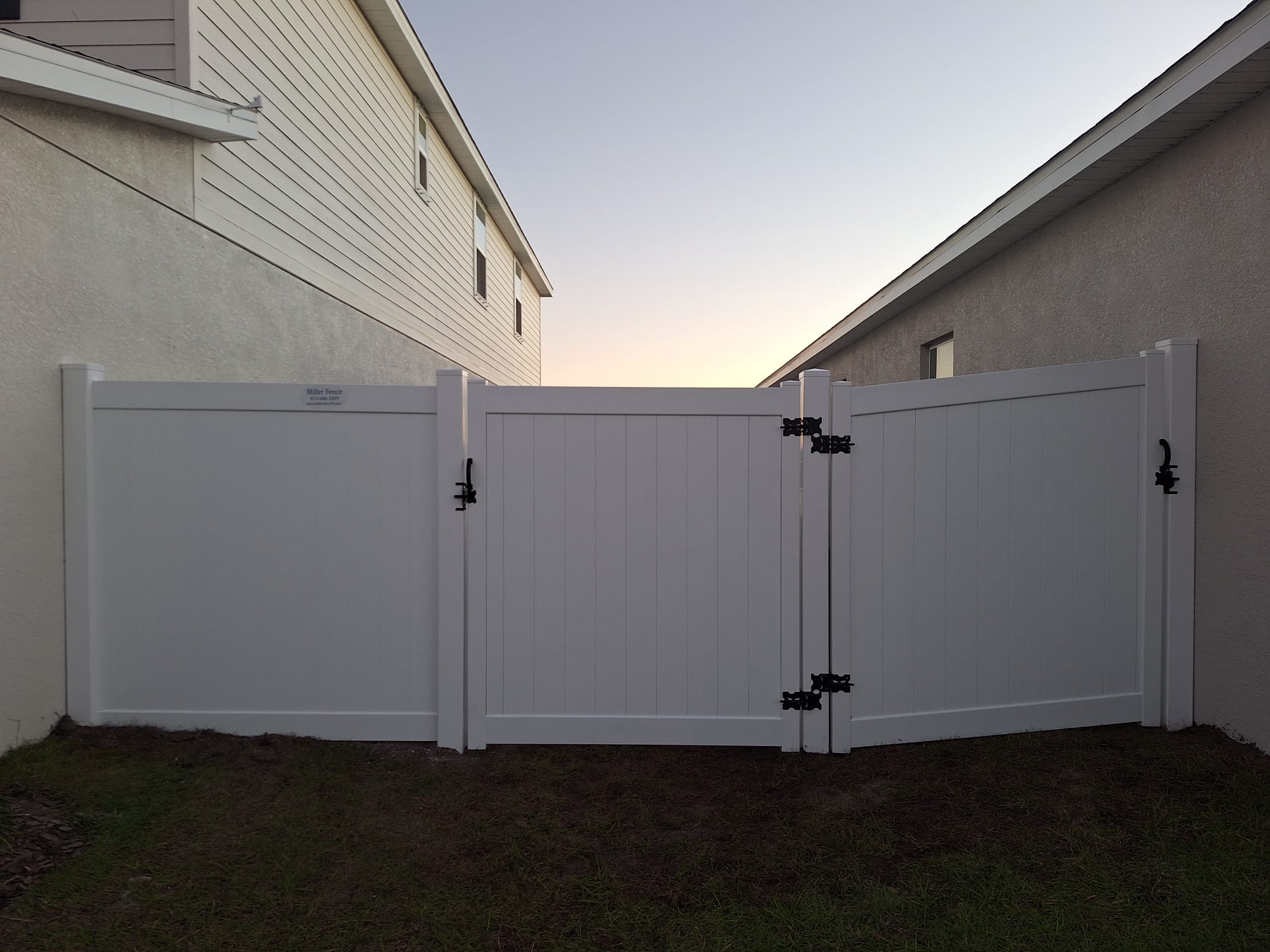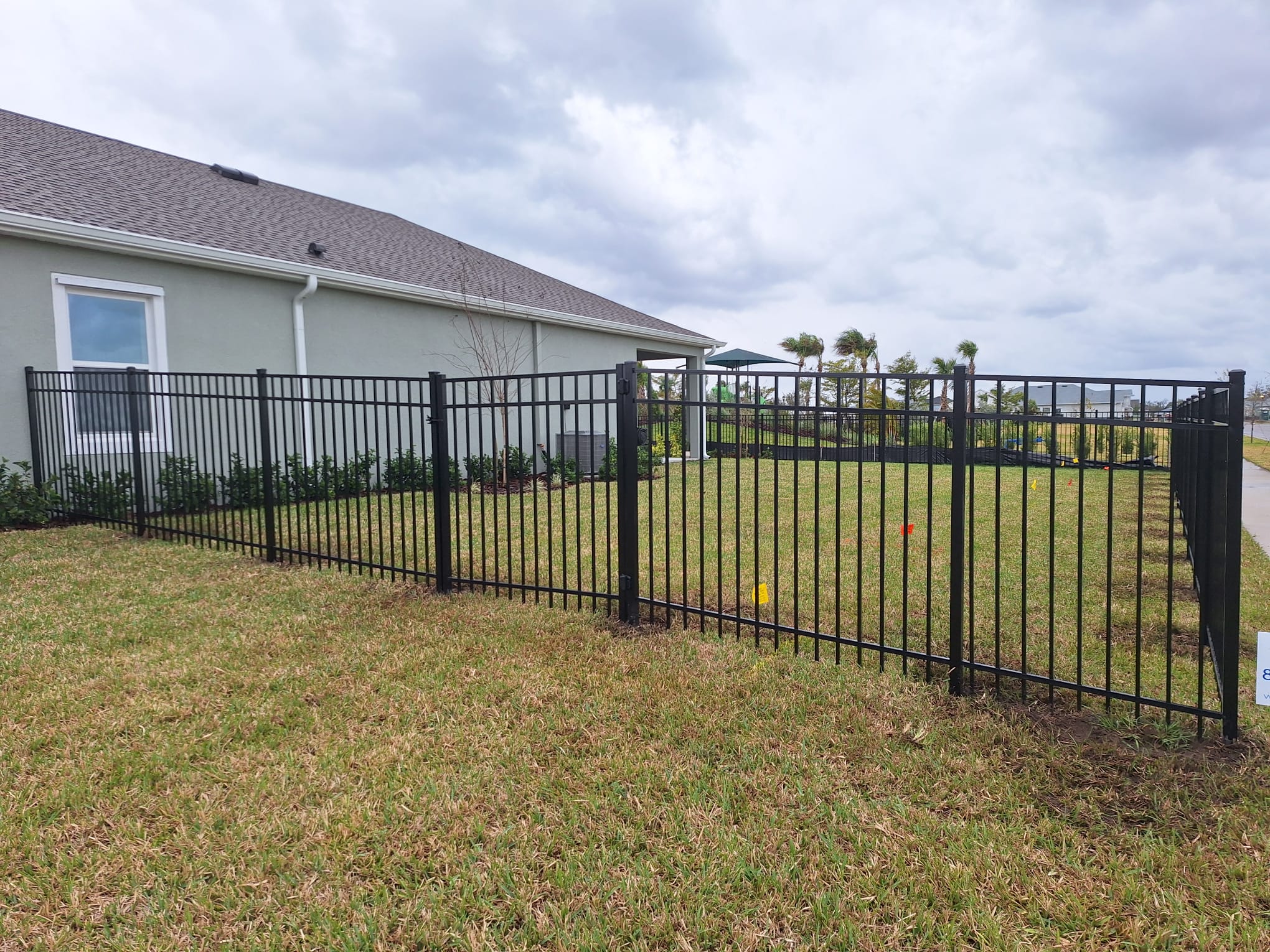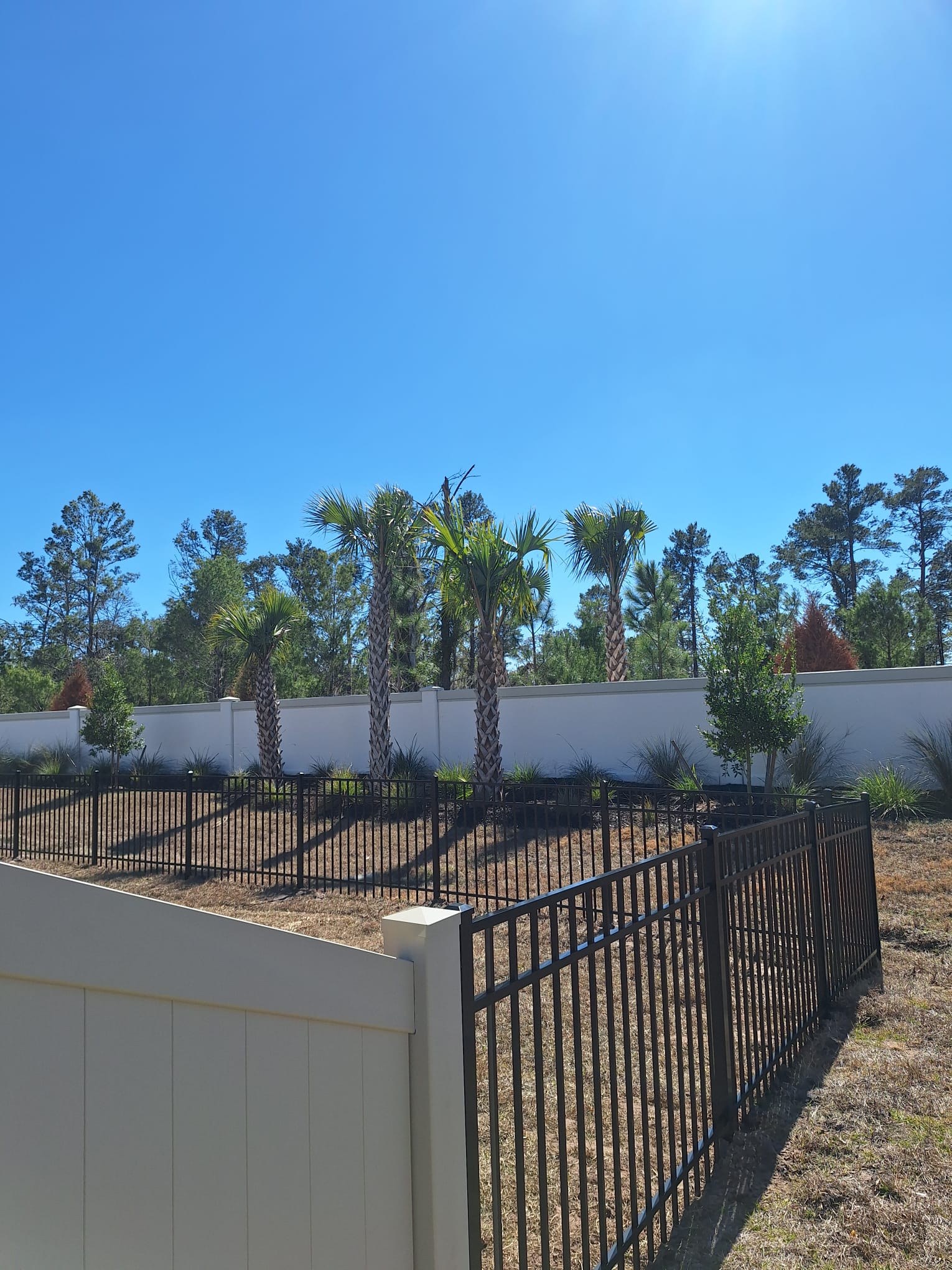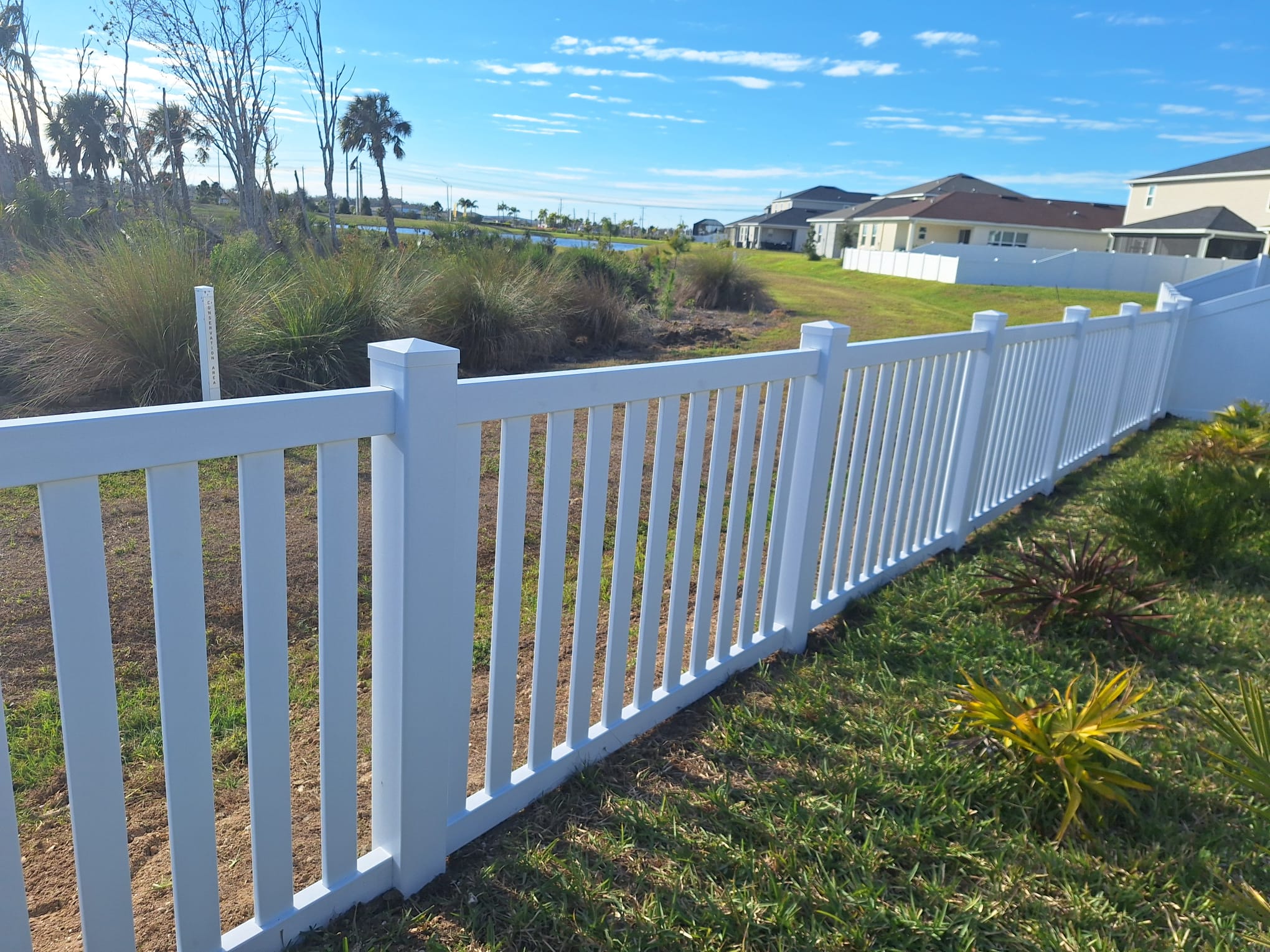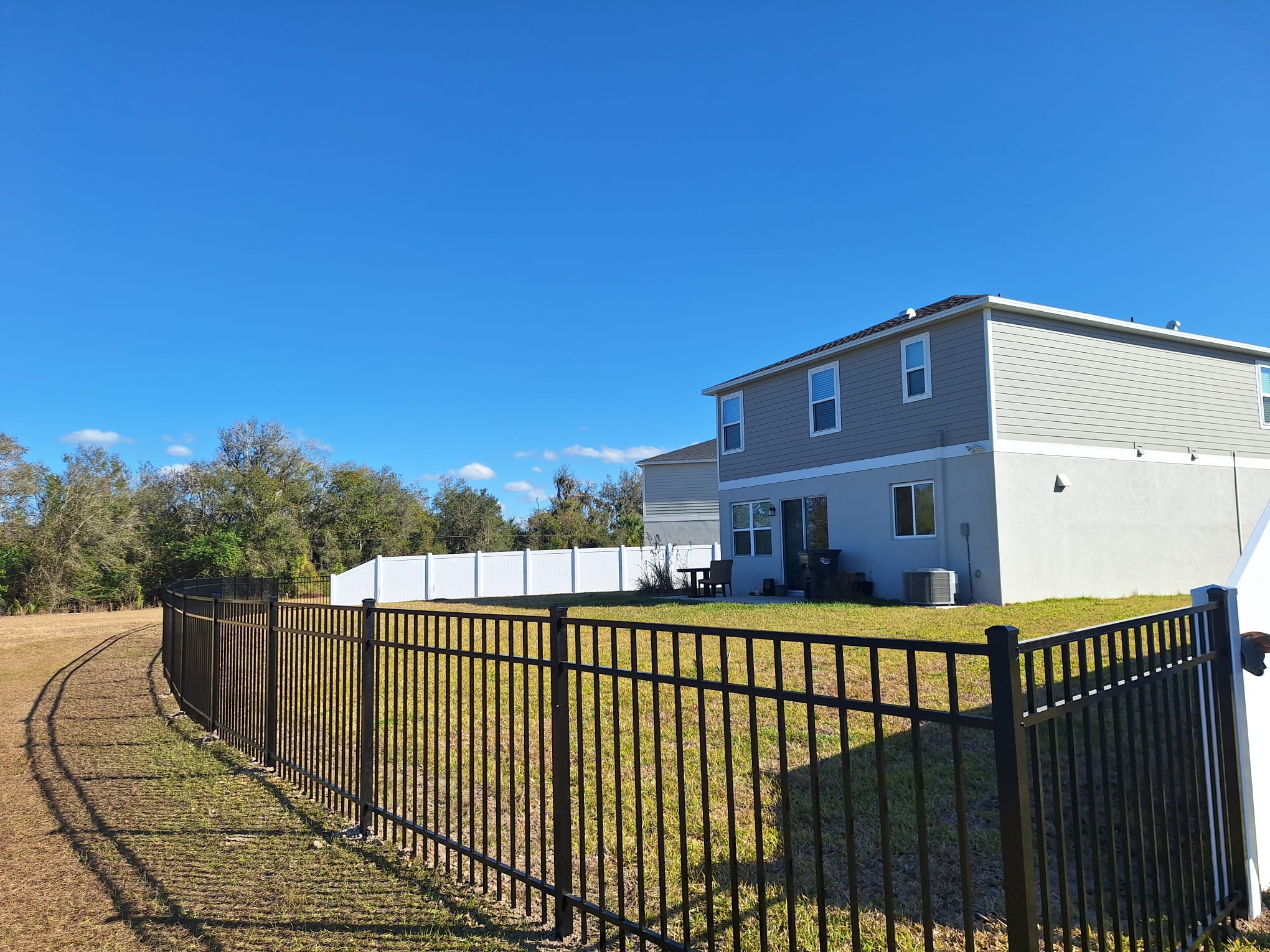
If you’ve invested in a tampa fl aluminum fence, you’re already making a smart choice for your property. Aluminum fencing offers durability, low maintenance, and an attractive appearance that enhances any home’s curb appeal. However, Tampa’s unique subtropical climate presents specific challenges that require proper care and attention. Learning how to maintain aluminum fencing in Tampa’s climate is essential to ensure your fence remains beautiful and functional for years to come.
Tampa’s weather—characterized by high humidity, intense UV rays, salt air, and frequent rain—can be tough on outdoor structures. While aluminum naturally resists rust and corrosion better than other materials, your fence still needs regular maintenance to withstand these environmental factors. This guide will walk you through everything you need to know about caring for your aluminum fence in Tampa.
Understanding Tampa’s Impact on Aluminum Fencing
Before diving into maintenance strategies, it’s important to understand what Tampa’s climate can do to your aluminum fence. The combination of saltwater air from nearby coastal areas, high humidity levels, and intense sun exposure creates an environment that tests even the most durable materials.
Salt air is one of the biggest challenges for metal structures in Tampa. Although aluminum doesn’t rust like steel, prolonged exposure to salt particles can cause oxidation and deterioration of protective coatings. The high humidity levels keep moisture in contact with your fence longer, accelerating corrosion potential. Additionally, Tampa’s strong UV rays can fade finishes and break down protective layers over time.
Regular Cleaning Schedule
The foundation of proper aluminum fence maintenance is establishing a regular cleaning routine. In Tampa’s climate, we recommend cleaning your fence at least twice per year—once during spring and again in fall. If you live near the coast, increase cleaning frequency to quarterly.
Basic Cleaning Process:
Start by rinsing your fence with a garden hose using moderate pressure to remove loose dirt, pollen, and debris. For stubborn stains or salt residue, mix warm water with a mild detergent and use a soft-bristled brush to gently scrub the affected areas. Pay special attention to horizontal surfaces where salt and debris accumulate. Rinse thoroughly with clean water to remove all soap residue, which can leave streaks and trap moisture.
For particularly grimy areas, you can use a specialized aluminum cleaner available at most hardware stores. Always follow the manufacturer’s instructions and test the product in an inconspicuous area first. After cleaning, allow your fence to dry completely in the sun.
Protective Coatings and Sealants
One of the most important aspects of how to maintain aluminum fencing in Tampa’s climate involves maintaining protective coatings. Most quality aluminum fences come with a powder-coated finish designed to resist weathering. However, these coatings can degrade over time, especially in harsh climates like Tampa’s.
Inspect your fence annually for signs of coating deterioration, such as chalking (a white powder residue), peeling, or fading. If you notice significant damage to the coating, you may need to apply a fresh protective layer. This is especially important if you live in coastal areas where salt exposure is higher.
Consider applying a clear UV-protective sealant every two to three years. This additional layer provides extra protection against Tampa’s intense sun and saltwater exposure. Sealants designed specifically for aluminum are available and are relatively easy to apply yourself or you can hire a professional.
Addressing Corrosion and Oxidation
While aluminum is naturally corrosion-resistant, oxidation can still occur in Tampa’s climate. Oxidation appears as a white or gray powdery substance on the fence’s surface—this is actually aluminum oxide, a natural protective layer that forms when aluminum is exposed to oxygen.
Light oxidation can be cleaned with regular washing using the method described above. However, if oxidation becomes heavy, you may need to use a specialized oxidation remover. These products contain mild acids that break down the oxidized layer without damaging the underlying aluminum.
If you notice any white crusty buildup around fasteners or connections, this indicates salt corrosion. Clean these areas immediately and ensure that all fasteners are stainless steel or aluminum to prevent galvanic corrosion where different metals come into contact.
Inspection and Repair
Regular inspections are crucial for catching problems early. Walk along your fence quarterly, checking for:
- Loose or damaged sections
- Signs of corrosion or oxidation
- Deteriorating coatings
- Bent or dented panels
- Rust spots (which indicate galvanic corrosion from incorrect fasteners)
- Mold or mildew growth
Tampa’s humidity can promote mold and mildew growth on fencing. If you notice dark spots or discoloration, clean the area with a solution of one part white vinegar to three parts water, or use a commercial mold remover designed for outdoor use.
Address any damage immediately. Small issues like bent pickets can often be straightened, while damaged sections may need replacement. Catching problems early prevents them from worsening in Tampa’s climate.
Winter Preparation and Seasonal Care
While Tampa doesn’t experience harsh winters, seasonal changes still require attention. Before the rainy season, ensure all drainage is functioning properly around your fence’s base. Standing water can accelerate corrosion at fence posts.
After heavy storms or hurricane-force winds common in Tampa, inspect your fence for damage. Strong winds can loosen connections or damage panels, creating entry points for moisture and salt air.
Professional Maintenance Services
While regular homeowner maintenance is essential, consider hiring professionals for deep cleaning and re-coating every three to five years. Professional services can address issues that regular cleaning cannot and ensure your fence maintains its structural integrity and appearance.
A: We recommend cleaning your aluminum fence at least twice yearly—spring and fall. If you’re near the coast, clean quarterly to address salt exposure more frequently.
A: Use caution with pressure washers; high pressure can damage the protective coating. If using one, keep the setting to 1500 PSI or lower and maintain distance from the fence surface. A garden hose with a soft brush is generally safer.
A: Light oxidation can be cleaned with regular washing using mild detergent and a soft brush. For heavy oxidation, use a specialized aluminum oxidation remover following product instructions carefully.
A: With proper maintenance, quality aluminum fencing can last 20-30+ years in Tampa’s climate. Regular cleaning, coating maintenance, and prompt repairs significantly extend your fence’s lifespan.