Is Your Tampa Bay Fence Ready for Hurricane Season? (A Homeowner’s Checklist)
Tampa Bay Fence Hurricane Season Checklist: What Every Homeowner Needs to Do Before June 1
Hurricane season in Tampa Bay runs from June 1 through November 30 — but the preparation window is right now. A fence that looks fine on a calm spring day can become a projectile hazard or a total loss in a tropical storm. The good news is that most fence failures in hurricanes are preventable with a proper pre-season inspection and a few targeted repairs.
This checklist covers everything Tampa Bay homeowners need to inspect, repair, and know before the first named storm of 2026.
Why Fence Preparation Matters More in Tampa Bay
Tampa Bay’s geography makes it one of the highest-risk areas in the United States for hurricane storm surge and wind damage. The combination of:
- Sustained winds of 74+ mph in a Category 1 hurricane
- Wind gusts that exceed sustained speeds by 20–30%
- Storm surge flooding that saturates soil and undermines fence posts
- Flying debris that impacts fences at high velocity
…means that a fence in Tampa Bay faces conditions that fences in most of the country never experience.
The two most common causes of fence failure in hurricanes are shallow post installation (posts that weren’t set deep enough in concrete) and existing structural weakness (rot, rust, loose hardware) that the storm exploits. Both are identifiable and addressable before hurricane season begins.
The Pre-Hurricane Season Fence Inspection Checklist
Work through this checklist section by section. For each item, note whether it passes, needs monitoring, or needs immediate repair.
SECTION A — Post Inspection
Posts are the foundation of your fence. A fence with compromised posts will fail in high winds regardless of how good the panels look.
☐ Check every post for movement Push each post firmly from multiple directions. A properly installed post set in concrete should have zero movement. Any wobble — even slight — indicates the concrete has cracked, the post has rotted at the base, or the post was never properly set.
☐ Check for rot at the ground line Wood posts rot from the ground up. Use a screwdriver to probe the wood at and just below the soil line. If the screwdriver penetrates more than ½ inch easily, the post is compromised and needs replacement before hurricane season.
☐ Check metal posts for rust Aluminum posts should show no rust — surface discoloration is oxidation and is cosmetic only. Steel or chain link posts should be inspected for rust at the base where moisture accumulates. Surface rust can be treated; deep rust that has compromised the post wall requires replacement.
☐ Check concrete footings Look for cracking or heaving of the concrete around each post base. Cracked concrete allows water infiltration, which accelerates post rot and reduces the footing’s holding strength.
SECTION B — Panel and Board Inspection
☐ Check wood boards for rot Press firmly on each board. Soft spots indicate rot. Pay special attention to the bottom 6–12 inches of boards closest to the soil and areas where boards overlap or touch each other since these are moisture traps.
☐ Check for loose or missing boards A loose board in a hurricane becomes a projectile. Tighten any loose fasteners and replace missing boards before storm season.
☐ Check vinyl panels for cracks Vinyl is durable but can crack from impact damage or UV degradation in older fences. Cracked panels are weak points under wind load. Inspect the full surface of each panel.
☐ Check aluminum panels for bent sections Bent aluminum panels indicate previous impact damage. A pre-bent section has reduced structural integrity and may fail under hurricane wind loads.
☐ Check panel-to-post connections The connection between fence panels and posts is the most common failure point in wind events. Ensure all brackets, screws, and clips are tight and not corroded.
SECTION C — Gate Inspection
Gates are the most vulnerable part of any fence in a hurricane because they’re designed to move — which means they can move in the wrong direction under extreme wind.
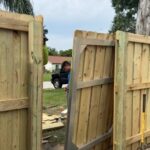
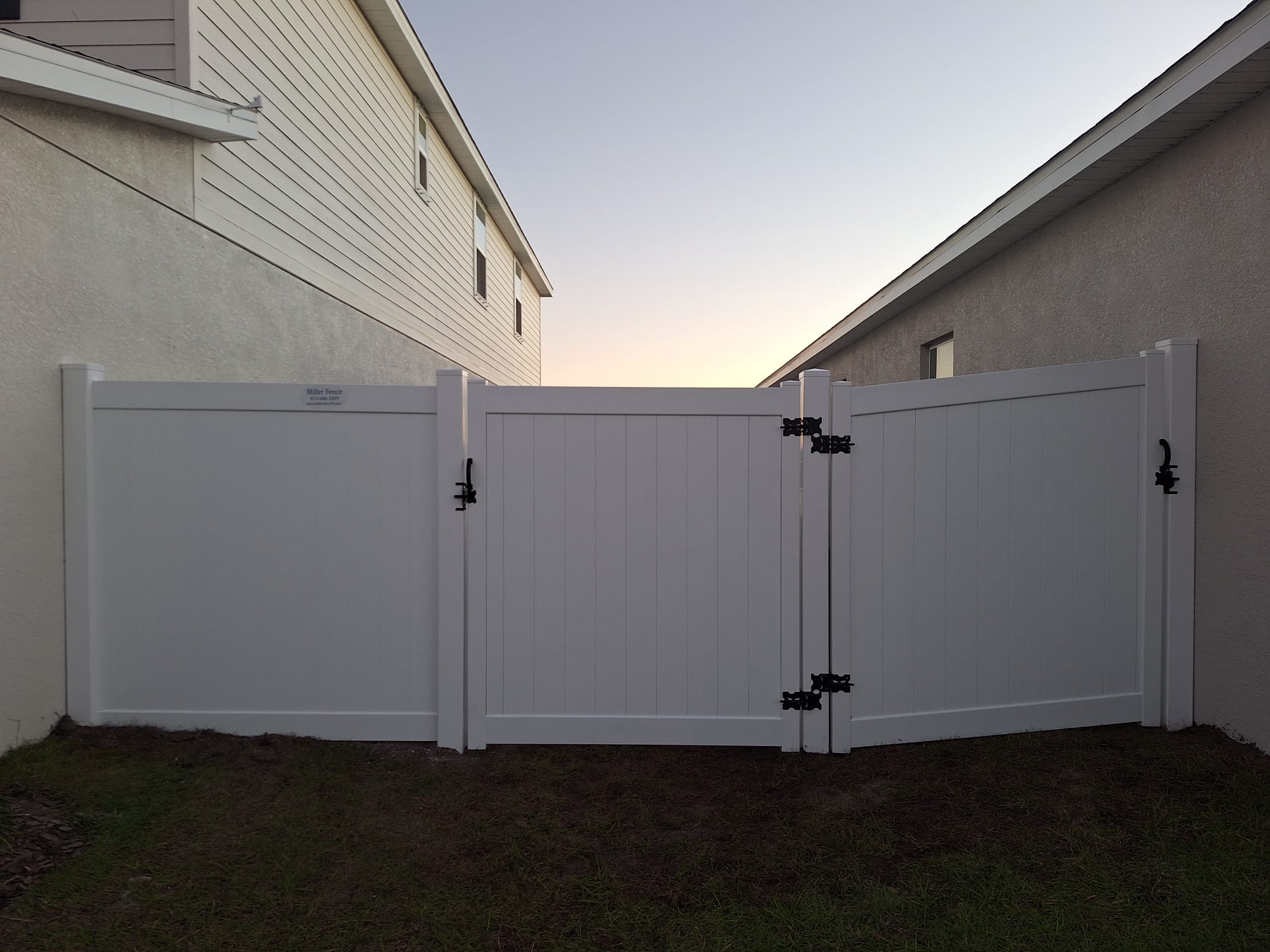
☐ Check gate hinges Hinges should be tight, rust-free, and properly attached to both the gate frame and the post. Loose hinges are the number one cause of gate failure in storms.
☐ Check gate latch The latch should engage fully and hold the gate closed under pressure. A gate that rattles or doesn’t latch securely should be repaired before hurricane season.
☐ Check gate frame for warping Wood gate frames warp over time in Florida’s humidity. A warped frame puts uneven stress on hinges and can prevent the gate from latching properly.
☐ Hurricane prep for gates When a named storm is approaching, use a secondary locking mechanism on all gates — a chain and padlock, a drop rod into the ground, or a barrel bolt. This prevents gates from swinging open and becoming wind-driven battering rams against your fence or home.
SECTION D — Overall Structural Assessment
☐ Check fence alignment A fence that is leaning — even slightly — is under structural stress. Leaning indicates either post failure or uneven soil settlement. A leaning fence will not perform well under hurricane wind load.
☐ Check for vegetation contact Trees, shrubs, and vines growing against or through your fence add significant wind load and can cause structural damage during a storm. Trim all vegetation away from the fence line before hurricane season.
☐ Check drainage around the fence line Poor drainage that allows water to pool around fence posts accelerates post rot and undermines concrete footings. Ensure the ground around posts slopes away from the fence base.
☐ Assess the fence’s overall age and condition Fences over 15 years old — particularly wood fences in Florida — should be evaluated by a professional before each hurricane season. An aging fence that looks acceptable in calm conditions may not have the structural integrity to survive a major storm.
What to Do Based on Your Inspection Results
All items pass: Your fence is in good shape for hurricane season. Take photos for insurance documentation and monitor throughout the season.
Minor issues identified: Address loose hardware, small rot spots, and vegetation contact immediately. These are low-cost repairs that significantly improve storm performance.
Moderate issues identified (leaning posts, multiple loose boards, gate problems): Schedule a professional inspection and repair before June 1. These issues will worsen in a storm.
Major issues identified (significant rot, multiple compromised posts, structural leaning): Replacement may be more cost-effective than repair. Contact Miller Fence for a free assessment — we’ll give you an honest evaluation of whether repair or replacement makes more sense for your situation.
Which Fence Materials Perform Best in Florida Hurricanes?
Based on performance in real Florida storm events:
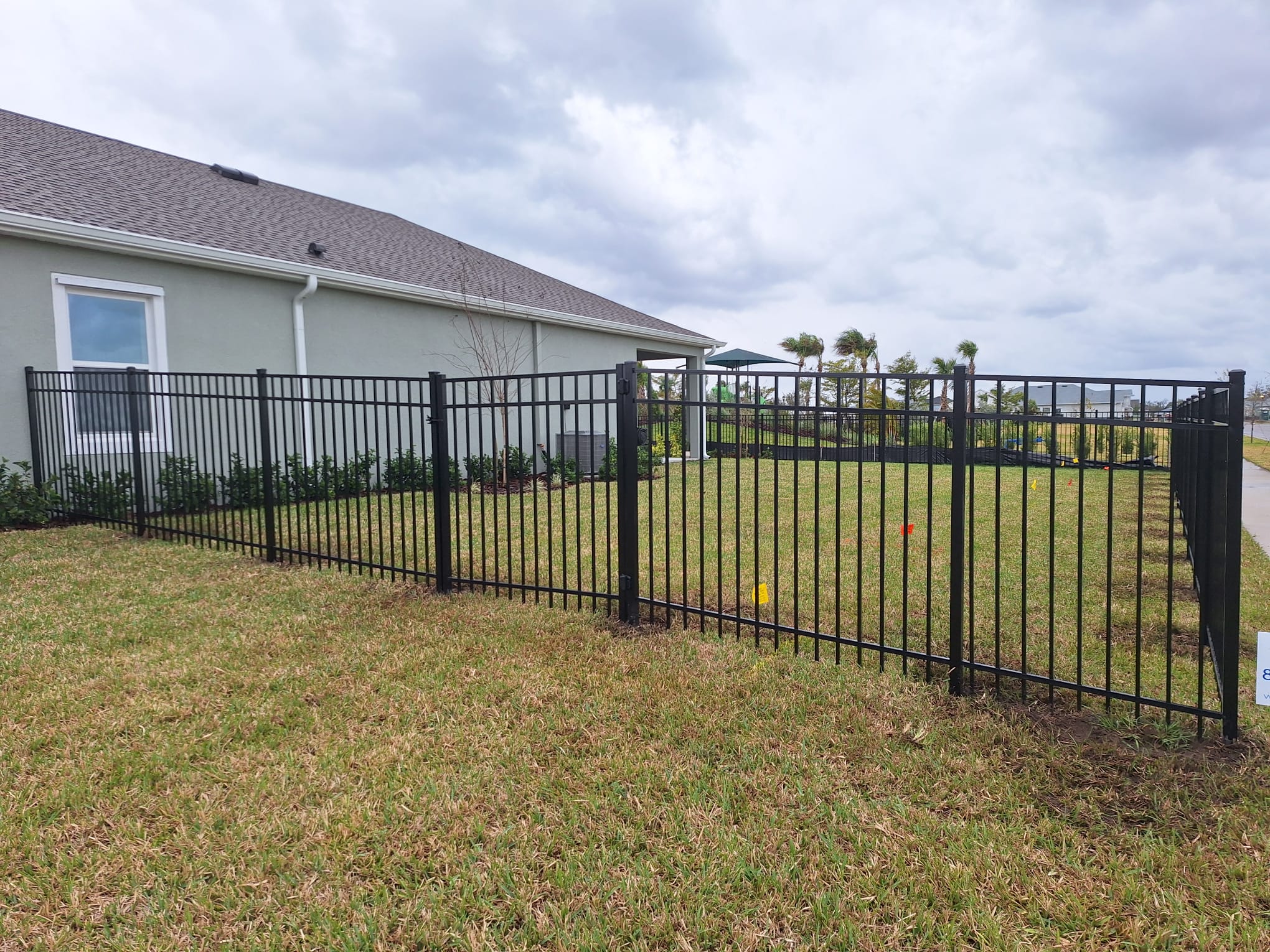
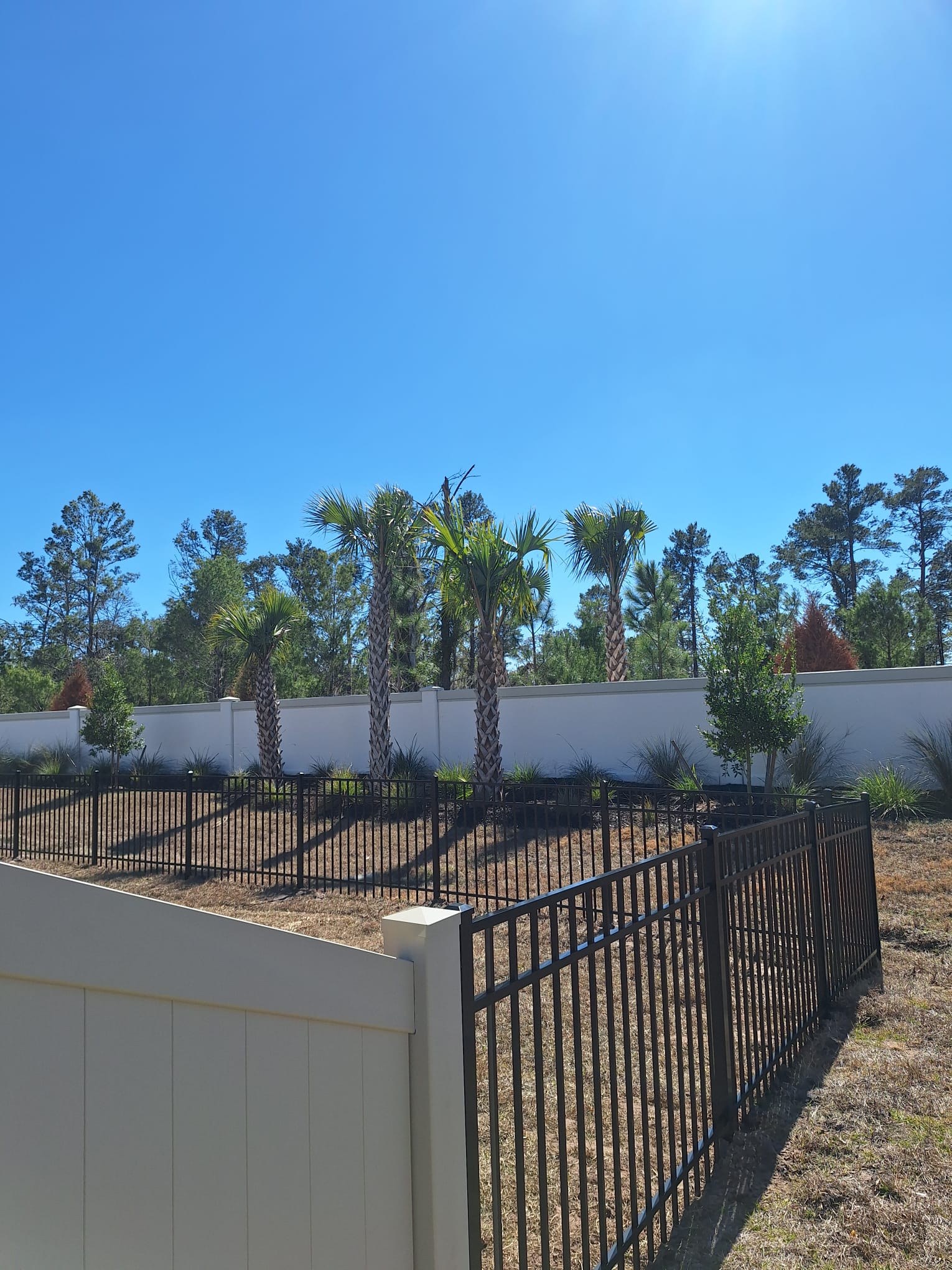
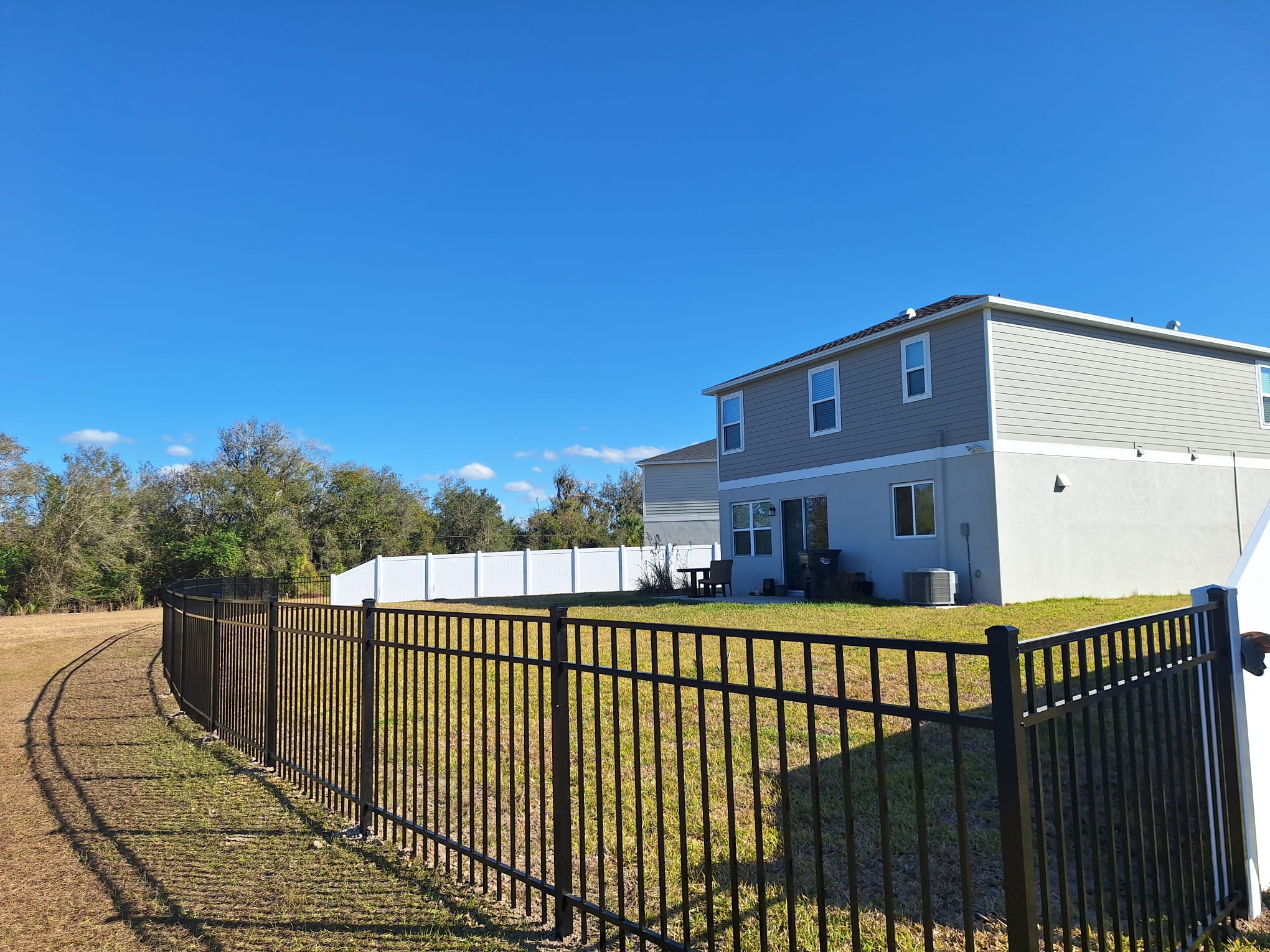
Aluminum: Best overall hurricane performance. Aluminum is strong, flexible under load, and doesn’t absorb moisture that weakens posts over time. HOA-compliant aluminum fencing with proper post installation is the top choice for storm-prone areas.
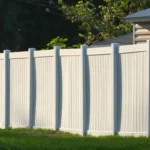
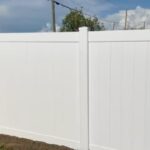
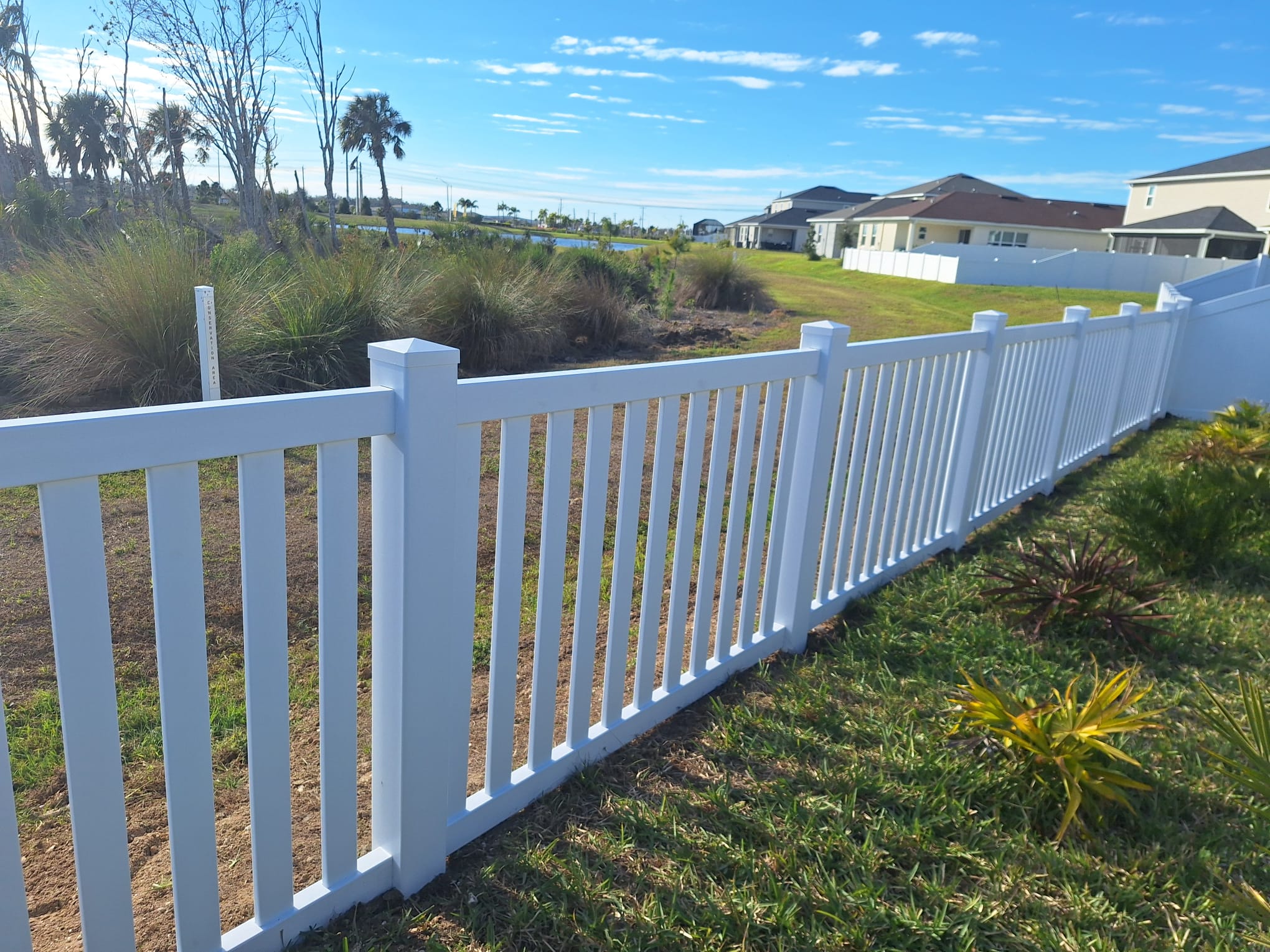
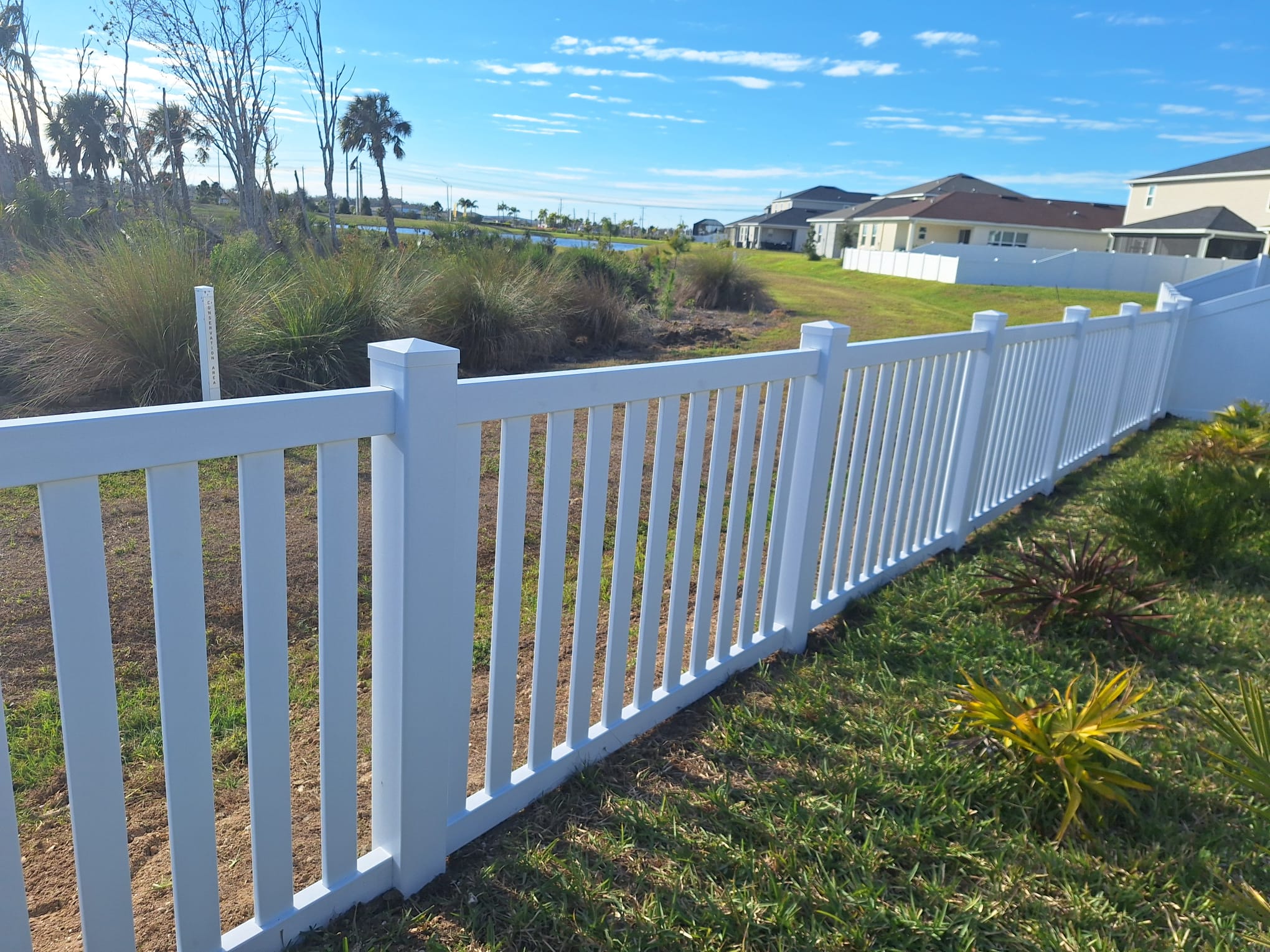
Vinyl: Good performance when properly installed. Quality vinyl flexes under wind load rather than snapping. The key variable is post installation depth and concrete quality — vinyl panels are only as strong as the posts holding them.
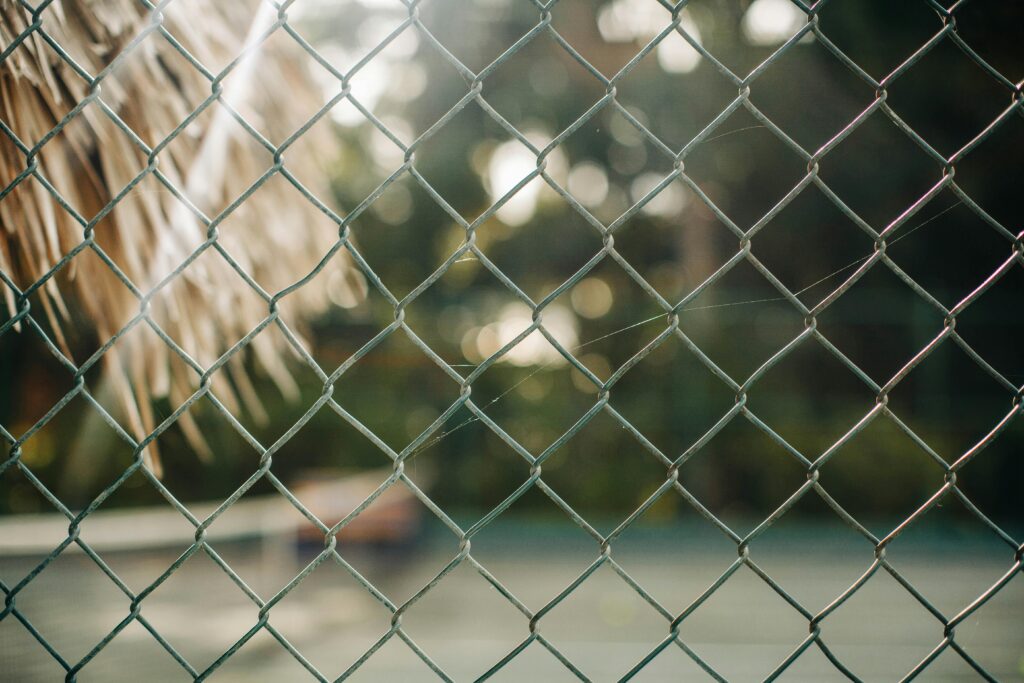
Chain Link: Surprisingly strong performance. Chain link’s open structure allows wind to pass through rather than catching it like a sail. Chain link fences rarely fail completely in hurricanes — they may lean but typically stay standing.
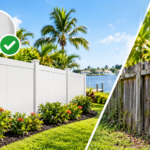
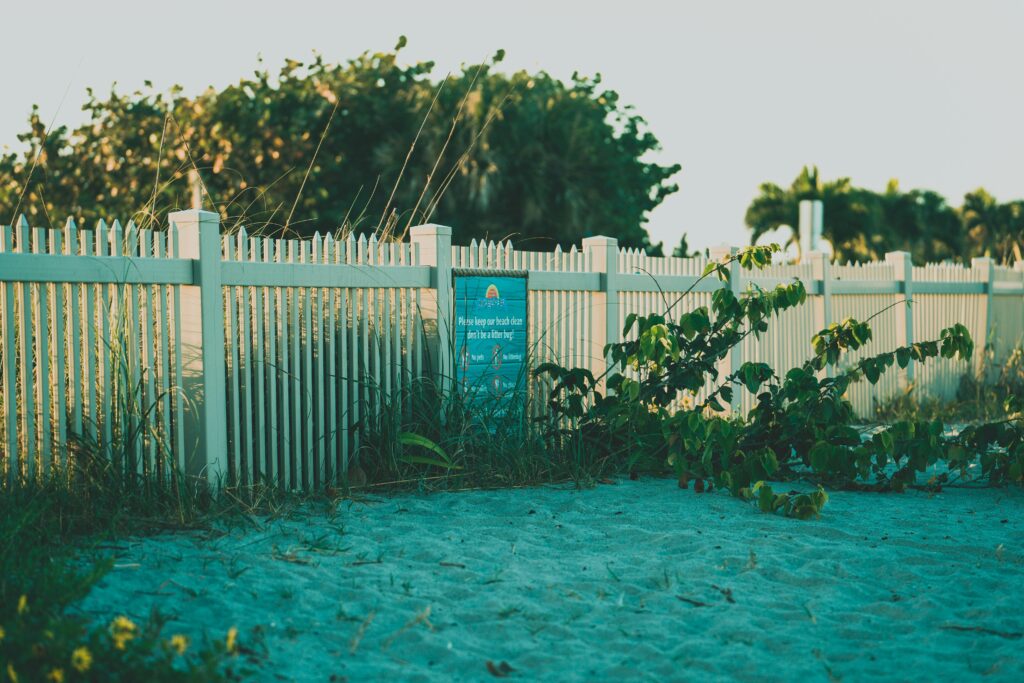
Wood: Lowest hurricane performance of common fence materials. Solid wood privacy fences act as a wind sail — the solid surface catches wind rather than allowing it to pass through. Combined with wood’s vulnerability to moisture-related post rot, wood fences have the highest failure rate in Florida storms.
After a Hurricane: What to Check First
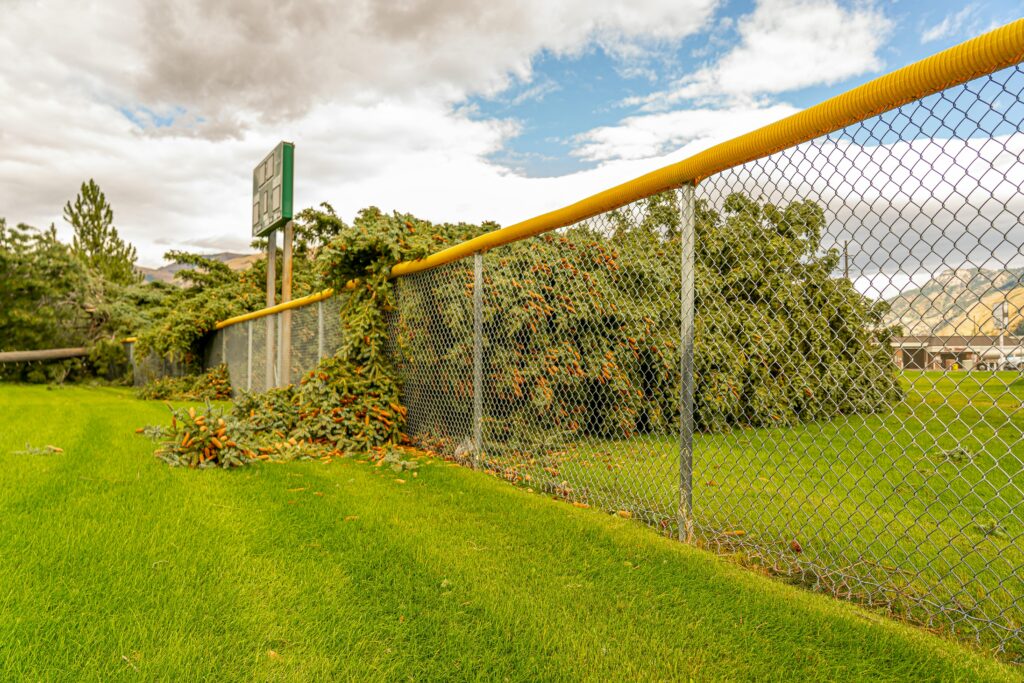
If a storm has passed through Tampa Bay, here’s your post-storm fence inspection priority order:
- Check for immediate safety hazards — fallen panels, exposed posts, or fence sections that have fallen onto structures, vehicles, or utility lines. Do not approach downed utility lines.
- Document all damage with photos before making any repairs — your homeowner’s insurance will require documentation.
- Check post integrity — a fence that looks standing may have posts that have shifted or cracked underground. Push each post to test.
- Check gates — gates often sustain the most damage and may need hardware replacement even if the fence itself is intact.
- Contact your contractor — Miller Fence serves Tampa Bay homeowners after storm events and prioritizes emergency assessments for our customers.
Don’t wait for a storm to find your fence’s weak spots. Schedule Your Free Fence Inspection with Miller Fence at millerfencefl.com — we serve Tampa Bay homeowners with honest assessments and quality repairs before and after hurricane season.
📞 813-686-2009 | info@millerfencefl.com Woman-owned. Military family. Tampa Bay proud.
What is the best fence for hurricane season in Tampa Bay?
Aluminum fence with properly installed deep-set concrete posts offers the best hurricane performance in Tampa Bay. Chain link is also a strong performer due to its wind-permeable structure. Vinyl performs well when properly installed. Wood solid privacy fences have the highest failure rate in Florida hurricane conditions.
How do I prepare my fence for a hurricane in Florida?
Inspect all posts for movement and rot, check all panel connections and hardware, secure all gates with secondary locking mechanisms, trim all vegetation away from the fence line, and address any structural issues before the storm arrives.
Does homeowner's insurance cover fence damage from hurricanes in Florida?
Most Florida homeowner’s insurance policies cover fence damage from named storms, but coverage limits and deductibles vary. Document all damage with photos immediately after the storm and contact your insurance provider before beginning repairs.