Wood Fence vs. Vinyl Fence in Florida: Which One Actually Lasts Longer?
If you’re choosing between a wood fence and a vinyl fence for your Florida home, the honest answer is: vinyl lasts significantly longer in Florida’s climate. The average wood fence lasts 15–20 years in Florida with regular maintenance. A quality vinyl fence lasts 25–30 years with virtually no maintenance at all.
But cost, appearance, HOA rules, and personal preference all matter too. This guide gives you the complete, unbiased comparison so you can make the right call for your property.
Side-by-Side Comparison: Wood vs. Vinyl Fence in Florida
If you’re choosing between a wood fence and a vinyl fence for your Florida home, the honest answer is: vinyl lasts significantly longer in Florida’s climate. The average wood fence lasts 15–20 years in Florida with regular maintenance. A quality vinyl fence lasts 25–30 years with virtually no maintenance at all.
But cost, appearance, HOA rules, and personal preference all matter too. This guide gives you the complete, unbiased comparison so you can make the right call for your property.
| Factor | Wood Fence | Vinyl / PVC Fence |
|---|---|---|
| Cost per LF (installed) | $18 – $35 | $25 – $55 |
| Lifespan in Florida | 15 – 20 years | 25 – 30 years |
| Maintenance Required | High (annual sealing/staining) | Very low (occasional rinse) |
| Hurricane Performance | Poor to moderate | Moderate to good |
| HOA Acceptance | High | High |
| Privacy Options | Excellent | Excellent |
| Appearance | Warm, natural, classic | Clean, modern, consistent |
| Rot Resistance | Low (without treatment) | Excellent |
| Insect Resistance | Low (termites, carpenter ants) | Excellent |
| Repair Ease | Easy (replace boards) | Moderate (replace panels) |
| Financing Available | ✅ Yes (Miller Fence) | ✅ Yes (Miller Fence) |
| Not sure which is right for your Tampa Bay property? Get a Free Estimate from Miller Fence — no pressure, no obligation. |
||
How Florida’s Climate Affects Each Material
This is where the comparison gets real. Florida’s combination of heat, humidity, salt air, heavy rain, and hurricane-force winds is harder on fencing than almost any other climate in the country.
What Florida Does to Wood Fences
Wood is a natural material — and Florida’s environment attacks it from multiple directions simultaneously.
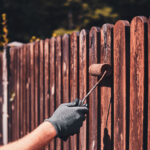
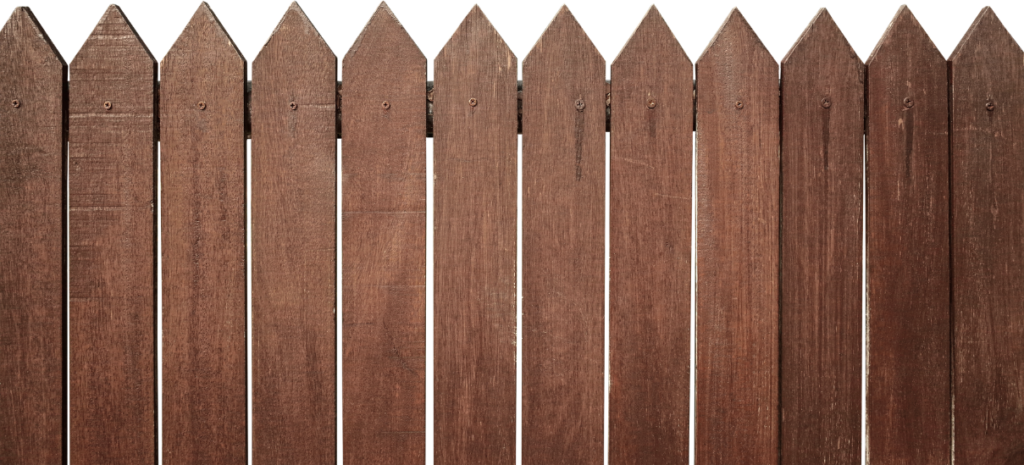
Humidity and moisture are the biggest threats. Tampa Bay averages over 74% relative humidity year-round. Wood absorbs moisture, which causes warping, swelling, and cracking. Without annual sealing or staining, untreated wood begins to deteriorate within 2–3 years in Florida conditions.
Termites and wood-boring insects are a genuine concern in Hillsborough County and throughout Tampa Bay. Florida has some of the highest termite activity in the United States. A wood fence that isn’t treated with termite-resistant products is vulnerable — and termite damage isn’t always visible until it’s severe.
UV exposure bleaches and dries out wood over time. Florida’s intense sun causes the natural oils in wood to evaporate, leading to cracking and splitting. This is why annual maintenance isn’t optional for wood fences in Florida — it’s essential.
The bottom line on wood: A wood fence can absolutely look beautiful in Tampa Bay — but it requires a commitment to annual maintenance. Homeowners who seal, stain, and inspect their wood fence every year can get 20+ years out of it. Homeowners who don’t will likely be replacing it in 10–12 years.
What Florida Does to Vinyl Fences
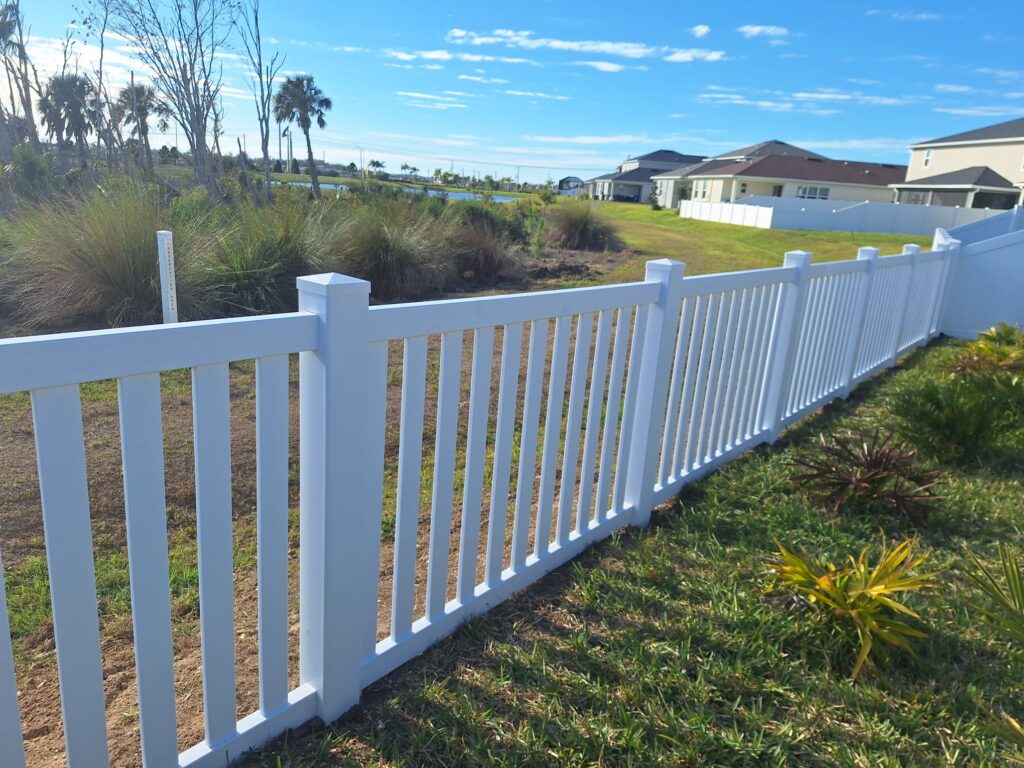
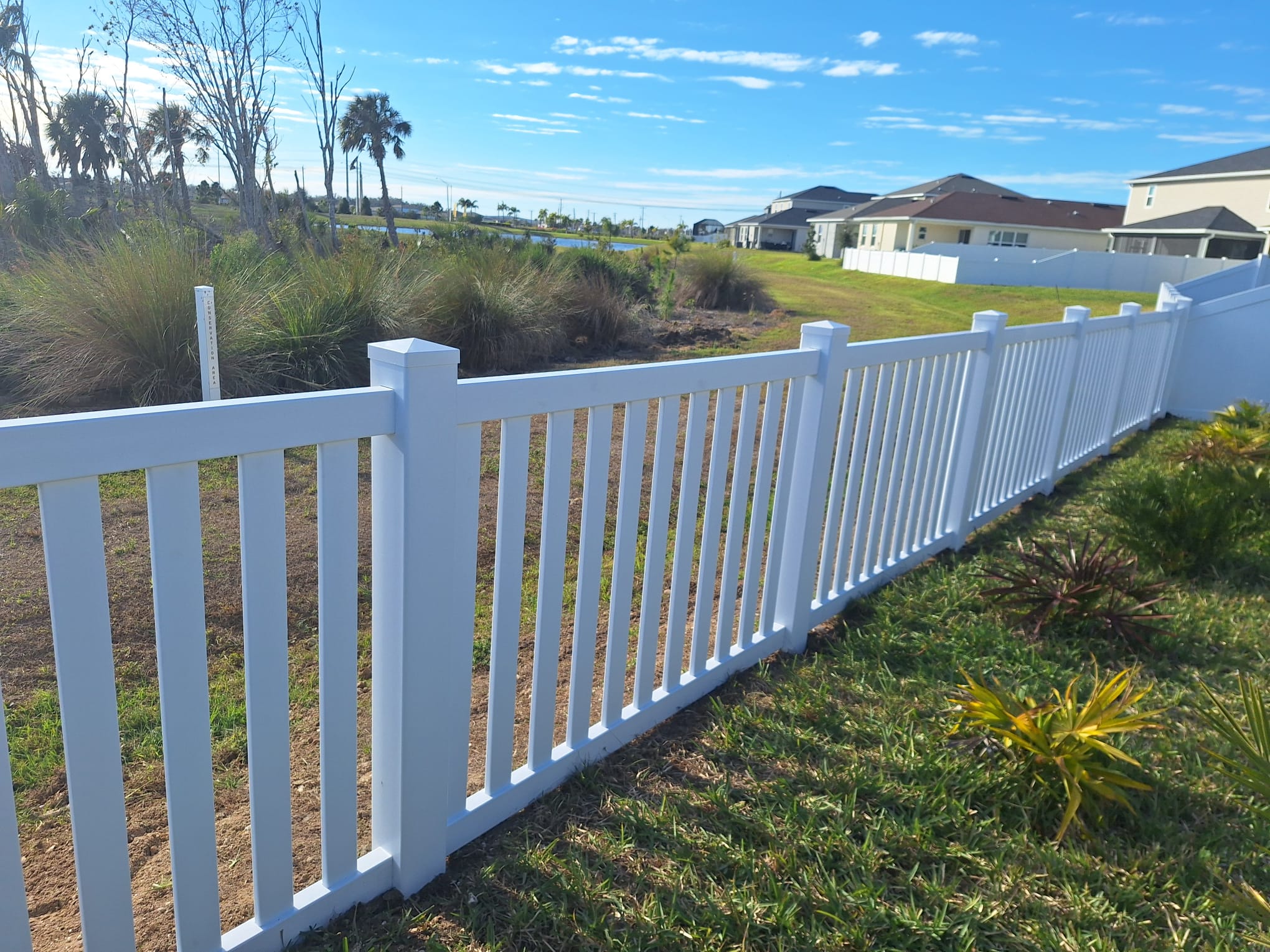
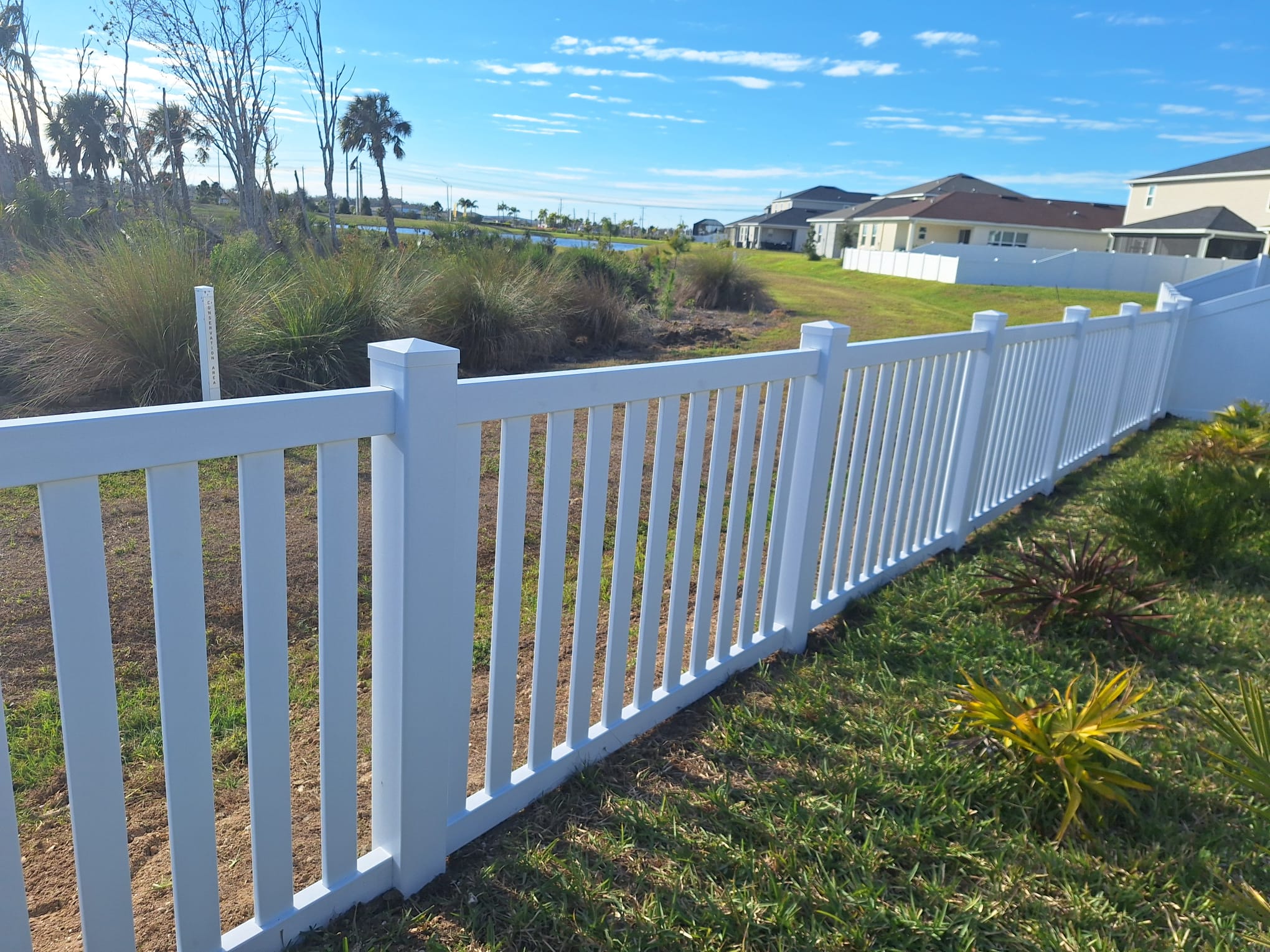
Vinyl (PVC) was essentially designed for climates like Florida’s.
Moisture resistance is built into the material. Vinyl doesn’t absorb water, so it doesn’t warp, rot, or swell. Tampa Bay’s humidity has zero effect on a quality vinyl fence.
UV resistance is engineered into premium vinyl products. Quality vinyl fences include UV inhibitors in the material itself — they resist fading and maintain their color for decades without painting or staining.
Insect resistance is complete. Termites, carpenter ants, and wood-boring beetles have no interest in PVC. This is a major advantage in Florida’s insect-heavy environment.
Hurricane performance is where vinyl has a nuanced answer. Vinyl fencing handles wind better than solid wood privacy fences because quality vinyl panels are designed to flex under pressure rather than snap. However, no fence material is truly hurricane-proof. In a direct Category 3+ storm, expect fence damage regardless of material. The key is post depth and installation quality — properly set posts in deep concrete dramatically improve storm performance for any material.
The bottom line on vinyl: Vinyl is the lower-effort, longer-lasting choice for most Florida homeowners. The higher upfront cost is offset by the near-zero maintenance cost over its 25–30 year lifespan.
Which Is Better for Privacy?
Both wood and vinyl offer excellent privacy options. A 6-foot solid privacy fence in either material provides full visual screening. The difference is in the details:
Wood privacy fences can develop small gaps between boards over time as the wood shrinks and warps. This is manageable with proper installation and maintenance but worth noting.
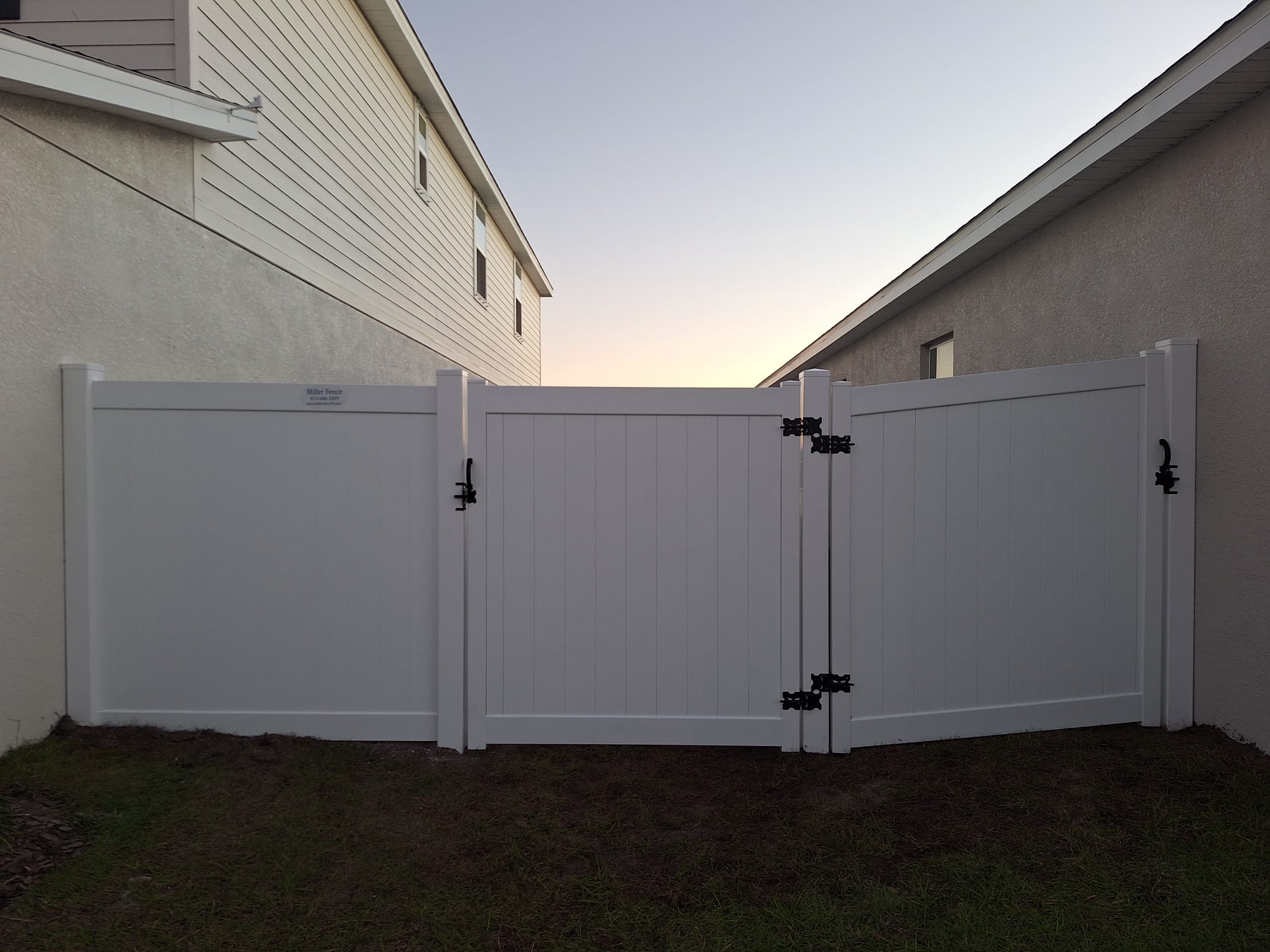
Vinyl privacy fences maintain tight panel-to-panel contact throughout their lifespan because the material doesn’t shrink or warp. The privacy you have on day one is the privacy you have in year twenty.
Which Is Better for Pets?
Both materials work well for pet containment. The key variables are height and the gap at the bottom of the fence.
For dogs that dig, ask your contractor about a concrete mow strip or buried wire along the fence base — this works with both wood and vinyl. For dogs that jump, 6-foot height in either material is the standard recommendation.
One advantage of vinyl: it has no rough edges, splinters, or exposed nails that could injure a curious dog pressing against the fence.
Which Is Better for Resale Value?
Both wood and vinyl fences add value to a Tampa Bay home. According to national data, a new fence returns approximately 50–65% of its cost in added home value on average.
For resale specifically, vinyl tends to photograph better — its clean, consistent appearance shows well in listing photos. Buyers also appreciate not inheriting a maintenance obligation with a wood fence.
Which Is Better for HOA Communities?
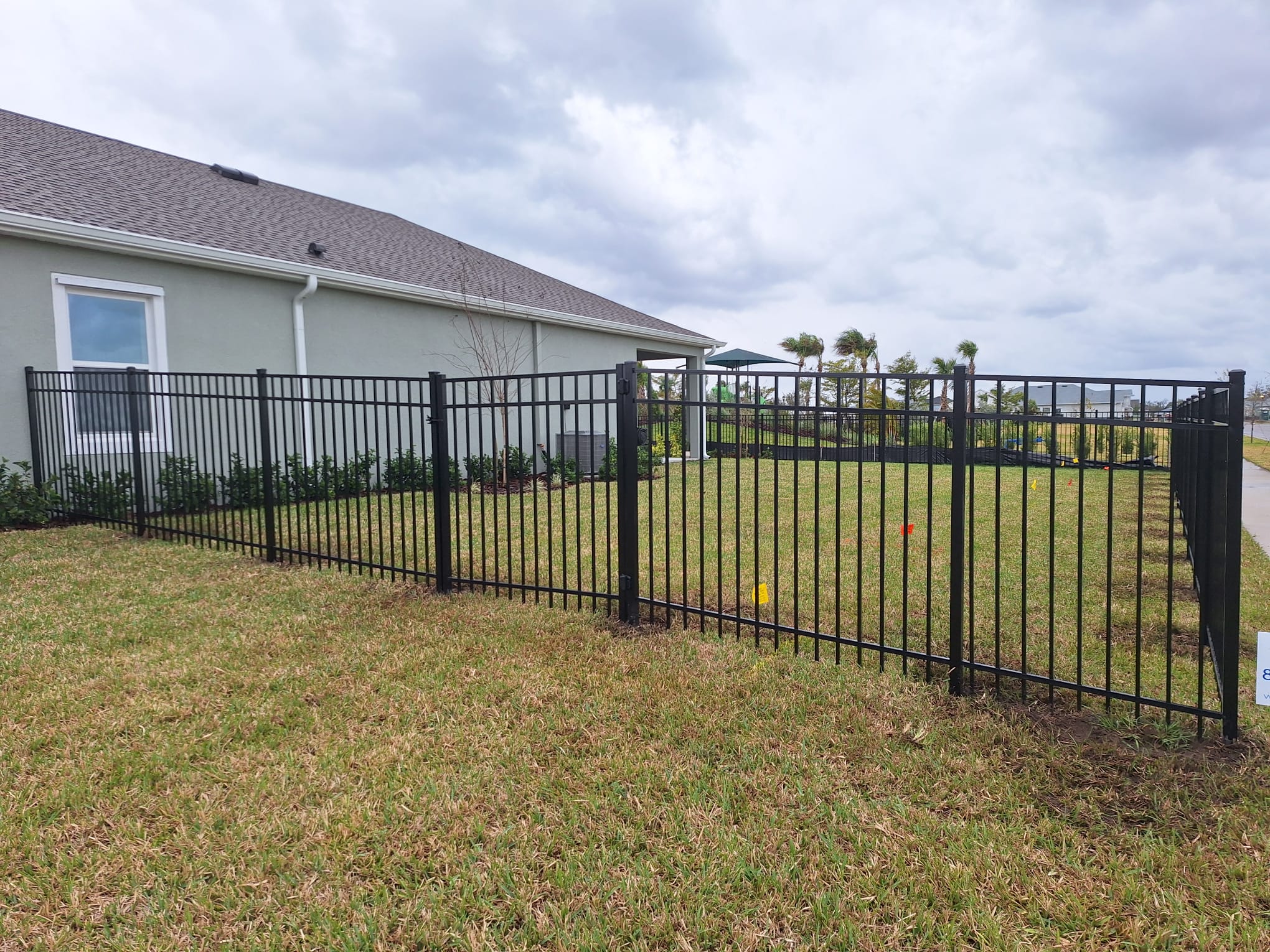
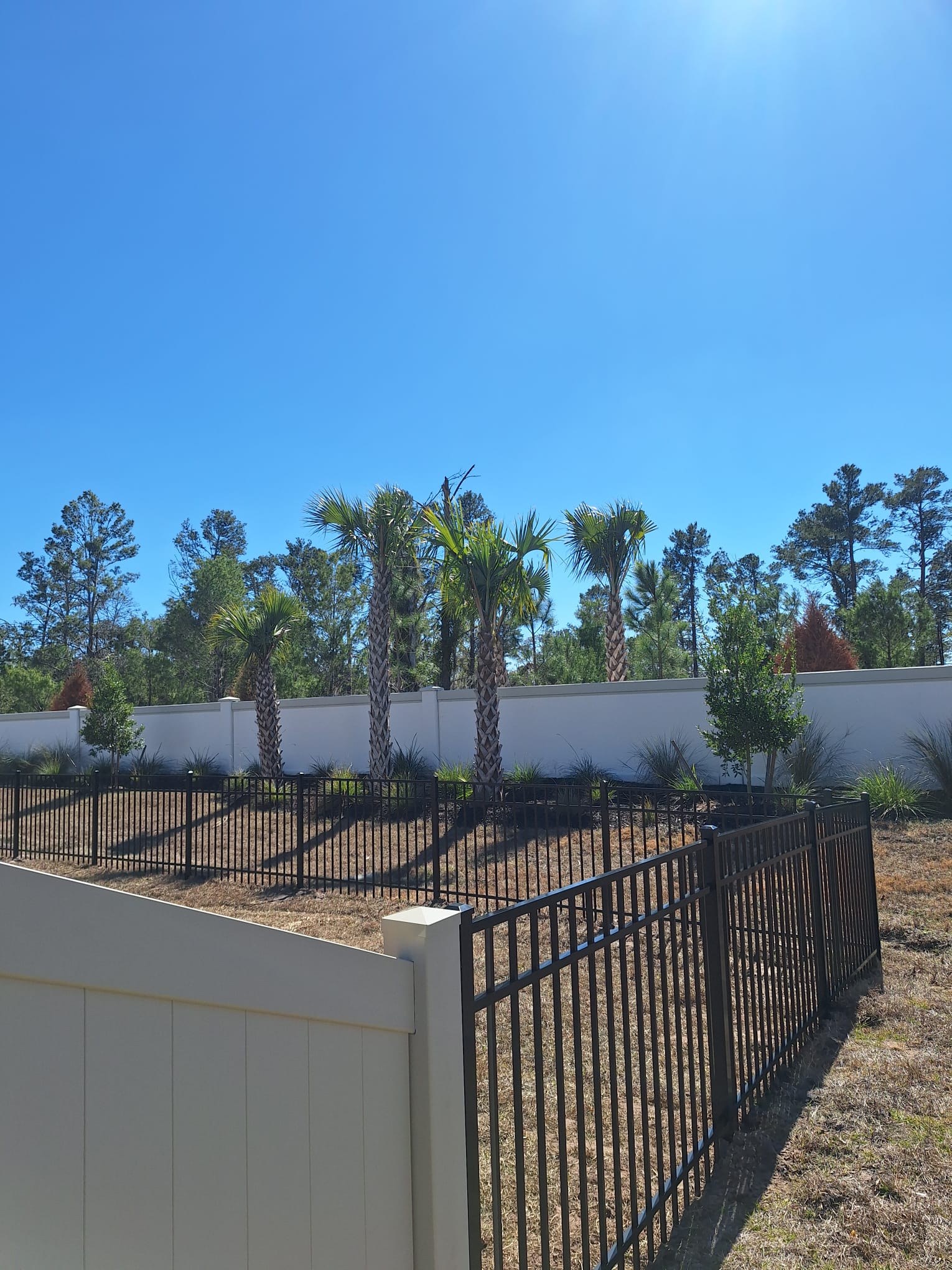
Both materials are widely accepted by Tampa Bay HOAs, but aluminum is actually the most commonly required material in HOA communities with strict style guidelines. If your HOA has specific requirements, always check before purchasing.
For HOAs that allow either material, vinyl in white or tan is the most commonly approved color. Miller Fence handles all HOA coordination and submits all required documentation before installation begins — so you never have to navigate the HOA process alone.
The Verdict: Which Should You Choose?
Choose wood if:
- You love the natural, warm aesthetic and are committed to annual maintenance
- You’re working with a tighter upfront budget
- You want the ability to easily replace individual boards if damaged
- Your property has a traditional or rustic style where wood fits naturally
Choose vinyl if:
- You want the lowest lifetime cost and minimal ongoing maintenance
- You’re planning to stay in the home long-term and want a fence that outlasts your mortgage
- You have pets or children and want a smooth, splinter-free surface
- You want consistent appearance without repainting or restaining every year
Miller Fence’s recommendation for most Tampa Bay homeowners: Vinyl. The Florida climate is simply harder on wood than in most other states, and the maintenance commitment is real. For homeowners who want a beautiful fence without the annual upkeep, vinyl is the smarter long-term investment.
How Florida’s Climate Affects Each Material
This is where the comparison gets real. Florida’s combination of heat, humidity, salt air, heavy rain, and hurricane-force winds is harder on fencing than almost any other climate in the country.
What Florida Does to Wood Fences
Wood is a natural material — and Florida’s environment attacks it from multiple directions simultaneously.
Humidity and moisture are the biggest threats. Tampa Bay averages over 74% relative humidity year-round. Wood absorbs moisture, which causes warping, swelling, and cracking. Without annual sealing or staining, untreated wood begins to deteriorate within 2–3 years in Florida conditions.
Termites and wood-boring insects are a genuine concern in Hillsborough County and throughout Tampa Bay. Florida has some of the highest termite activity in the United States. A wood fence that isn’t treated with termite-resistant products is vulnerable — and termite damage isn’t always visible until it’s severe.
UV exposure bleaches and dries out wood over time. Florida’s intense sun causes the natural oils in wood to evaporate, leading to cracking and splitting. This is why annual maintenance isn’t optional for wood fences in Florida — it’s essential.
The bottom line on wood: A wood fence can absolutely look beautiful in Tampa Bay — but it requires a commitment to annual maintenance. Homeowners who seal, stain, and inspect their wood fence every year can get 20+ years out of it. Homeowners who don’t will likely be replacing it in 10–12 years.
What Florida Does to Vinyl Fences
Vinyl (PVC) was essentially designed for climates like Florida’s.
Moisture resistance is built into the material. Vinyl doesn’t absorb water, so it doesn’t warp, rot, or swell. Tampa Bay’s humidity has zero effect on a quality vinyl fence.
UV resistance is engineered into premium vinyl products. Quality vinyl fences include UV inhibitors in the material itself — they resist fading and maintain their color for decades without painting or staining.
Insect resistance is complete. Termites, carpenter ants, and wood-boring beetles have no interest in PVC. This is a major advantage in Florida’s insect-heavy environment.
Hurricane performance is where vinyl has a nuanced answer. Vinyl fencing handles wind better than solid wood privacy fences because quality vinyl panels are designed to flex under pressure rather than snap. However, no fence material is truly hurricane-proof. In a direct Category 3+ storm, expect fence damage regardless of material. The key is post depth and installation quality — properly set posts in deep concrete dramatically improve storm performance for any material.
The bottom line on vinyl: Vinyl is the lower-effort, longer-lasting choice for most Florida homeowners. The higher upfront cost is offset by the near-zero maintenance cost over its 25–30 year lifespan.
Which Is Better for Privacy?
Both wood and vinyl offer excellent privacy options. A 6-foot solid privacy fence in either material provides full visual screening. The difference is in the details:
Wood privacy fences can develop small gaps between boards over time as the wood shrinks and warps. This is manageable with proper installation and maintenance but worth noting.
Vinyl privacy fences maintain tight panel-to-panel contact throughout their lifespan because the material doesn’t shrink or warp. The privacy you have on day one is the privacy you have in year twenty.
Which Is Better for Pets?
Both materials work well for pet containment. The key variables are height and the gap at the bottom of the fence.
For dogs that dig, ask your contractor about a concrete mow strip or buried wire along the fence base — this works with both wood and vinyl. For dogs that jump, 6-foot height in either material is the standard recommendation.
One advantage of vinyl: it has no rough edges, splinters, or exposed nails that could injure a curious dog pressing against the fence.
Which Is Better for Resale Value?
Both wood and vinyl fences add value to a Tampa Bay home. According to national data, a new fence returns approximately 50–65% of its cost in added home value on average.
For resale specifically, vinyl tends to photograph better — its clean, consistent appearance shows well in listing photos. Buyers also appreciate not inheriting a maintenance obligation with a wood fence.
Which Is Better for HOA Communities?
Both materials are widely accepted by Tampa Bay HOAs, but aluminum is actually the most commonly required material in HOA communities with strict style guidelines. If your HOA has specific requirements, always check before purchasing.
For HOAs that allow either material, vinyl in white or tan is the most commonly approved color. Miller Fence handles all HOA coordination and submits all required documentation before installation begins — so you never have to navigate the HOA process alone.
The Verdict: Which Should You Choose?
Choose wood if:
- You love the natural, warm aesthetic and are committed to annual maintenance
- You’re working with a tighter upfront budget
- You want the ability to easily replace individual boards if damaged
- Your property has a traditional or rustic style where wood fits naturally
Choose vinyl if:
- You want the lowest lifetime cost and minimal ongoing maintenance
- You’re planning to stay in the home long-term and want a fence that outlasts your mortgage
- You have pets or children and want a smooth, splinter-free surface
- You want consistent appearance without repainting or restaining every year
Miller Fence’s recommendation for most Tampa Bay homeowners: Vinyl. The Florida climate is simply harder on wood than in most other states, and the maintenance commitment is real. For homeowners who want a beautiful fence without the annual upkeep, vinyl is the smarter long-term investment.
Does vinyl fence last longer than wood in Florida?
Yes. A quality vinyl fence lasts 25–30 years in Florida with minimal maintenance. A wood fence in Florida’s climate typically lasts 15–20 years with proper annual sealing and staining — and significantly less without it.
Is vinyl fence worth the extra cost in Florida?
For most Florida homeowners, yes. The higher upfront cost of vinyl is offset by near-zero maintenance costs over its lifespan. Wood fences require annual sealing, staining, and periodic board replacement — costs that add up significantly over 20 years.
What fence material is best for Florida weather?
Vinyl and aluminum are the top two choices for Florida’s climate. Both resist humidity, UV exposure, insects, and salt air. Vinyl offers better privacy options; aluminum is preferred in HOA communities and for decorative applications.